
 362.34


India: Where dreams, tradition and innovation meet

8 minute read

Photo by Karen Harutyunyan
India is a country where an ancient civilization and aspirations for the future coexist in harmony. The visit, organized by the country’s Ministry of External Affairs, provided an opportunity to observe this coexistence firsthand through culture, dialogue, and everyday life.
Space for all
Space is no longer reserved for superpowers; it must be “opened to all.” That was the message that prevailed during a visit to Skyroot Aerospace in Hyderabad. Founded in 2018, the company has become one of the world’s fastest-growing space and technology firms in just seven years. According to Sumil Sudhakaran, Head of Brand and Communications at Skyroot Aerospace, India is actively working to make access to space more inclusive, particularly for smaller countries.
Armenia is one such country. Sudhakaran recalled that the Vikram-S rocket launched in 2022 also carried an Armenian experimental payload. It was a 197-gram device designed by Armenian schoolchildren and bearing the national flag, conducted a series of measurements during the flight. The launch served as a clear example that access to space is no longer limited to a handful of global powers — and that India is emerging as a platform where such cooperation is possible.
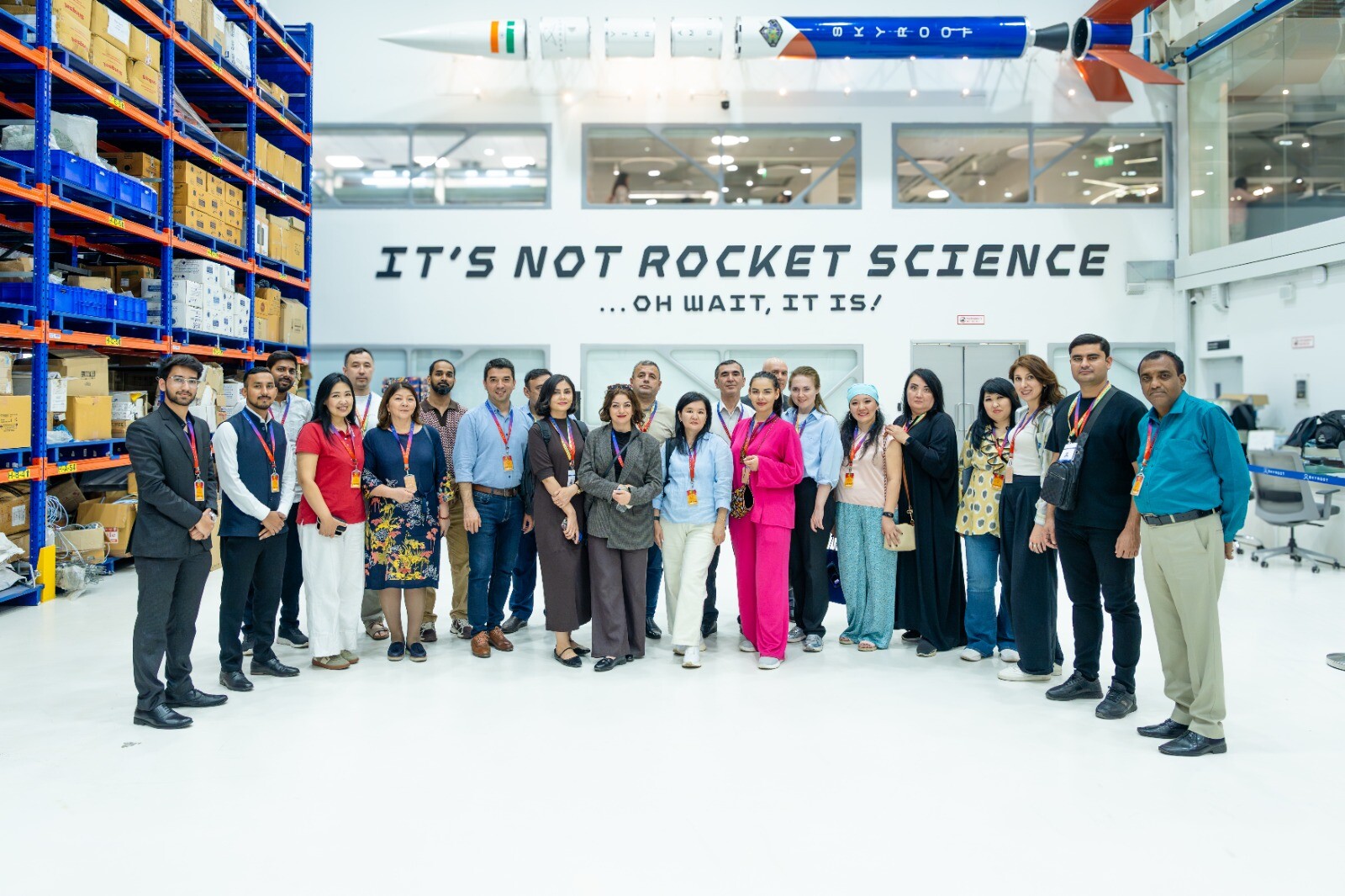
Photo provided by Skyroot Aerospace
Beyond its space programs, India has another ambitious target: to become a developed country by 2047, marking the 100th anniversary of its independence. To better understand how the country is pursuing these goals, journalists from Central Asia and the South Caucasus, including Armenpress, participated in a series of official meetings and cultural programs across India.
Cities in constant motion
At first glance, everything seemed chaotic. Even at four o’clock in the morning, New Delhi was already full of life: traffic flowed in all directions, car horns would not stop, everyone hurried somewhere, and the day seemed to be well underway. Yet within this apparent chaos, the system functioned smoothly; during our stay in New Delhi, we did not witness a single accident.
Hyderabad offered a different experience. Traffic there was more structured, supported by a well-developed metro system. Launched in 2017, the metro already has 57 stations and has become an integral part of the city’s daily life.
New Delhi also struck us as a city of contrasts: densely populated residential areas alongside grand government buildings, temporary shelters next to luxury hotels. Yet it is these contrasts that form the city’s distinct character. People here work and move forward, regardless of the conditions.
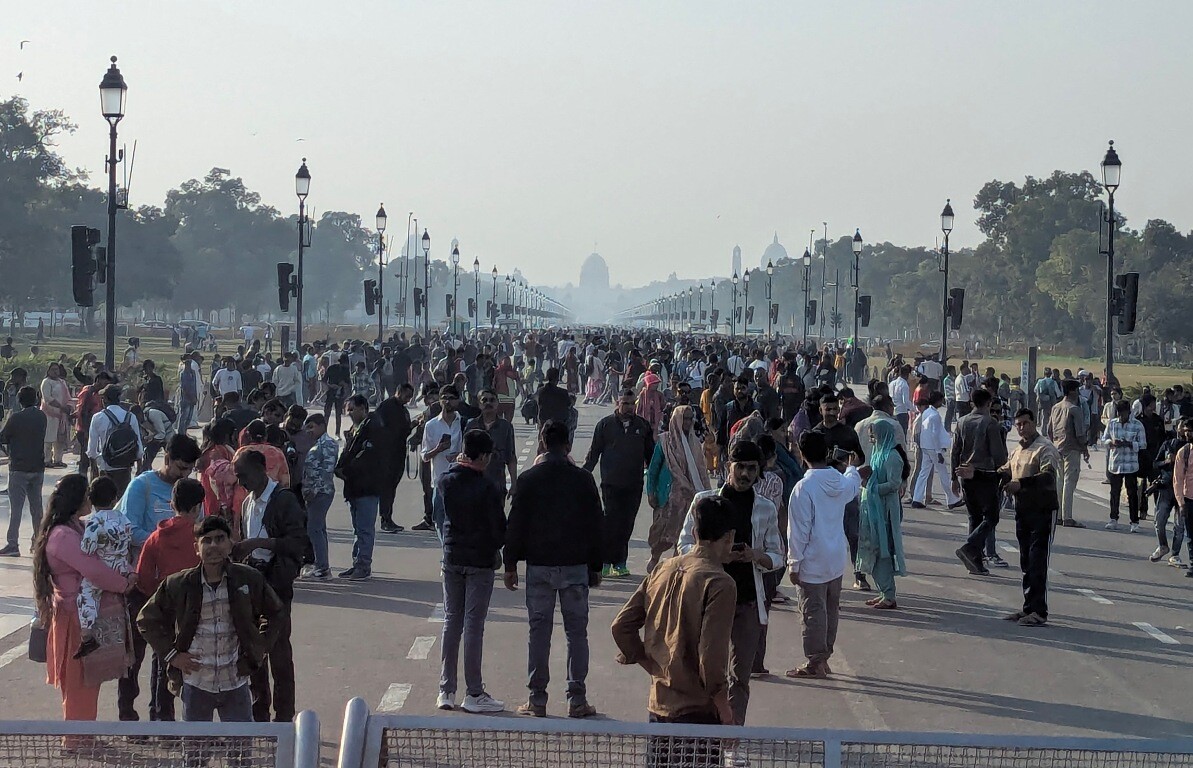 Photo by Karen Harutyunyan
In Hyderabad, often referred to as the “City of Pearls,” the past and the future seem to merge. Ancient monuments, culture, and traditions coexist with modern technology hubs, innovation and ambitious plans for the future.
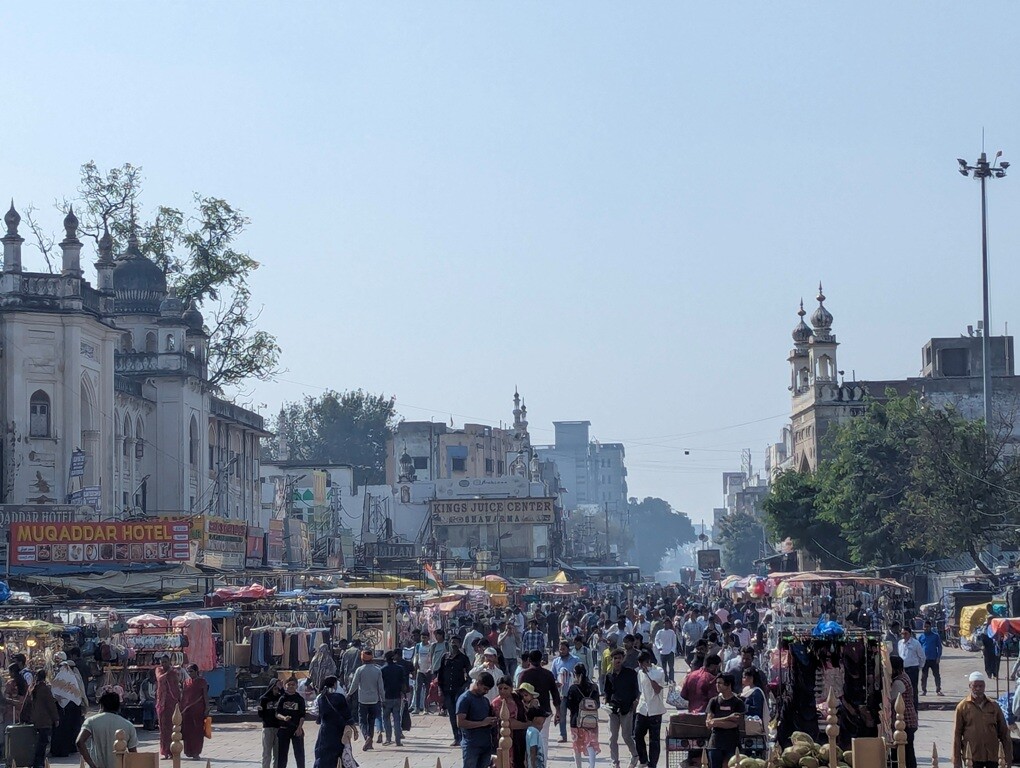
Photo by Karen Harutyunyan
If Delhi teaches you to live in constant motion and Hyderabad, rooted in its past, looks toward the future, Agra makes you pause. Taj Mahal, the jewel of the city, tells a story of love, sorrow, and loss. Its appearance changes throughout the day as it interacts with light. It is a monumental structure that also prompts reflection on India’s immense scale and cultural richness.
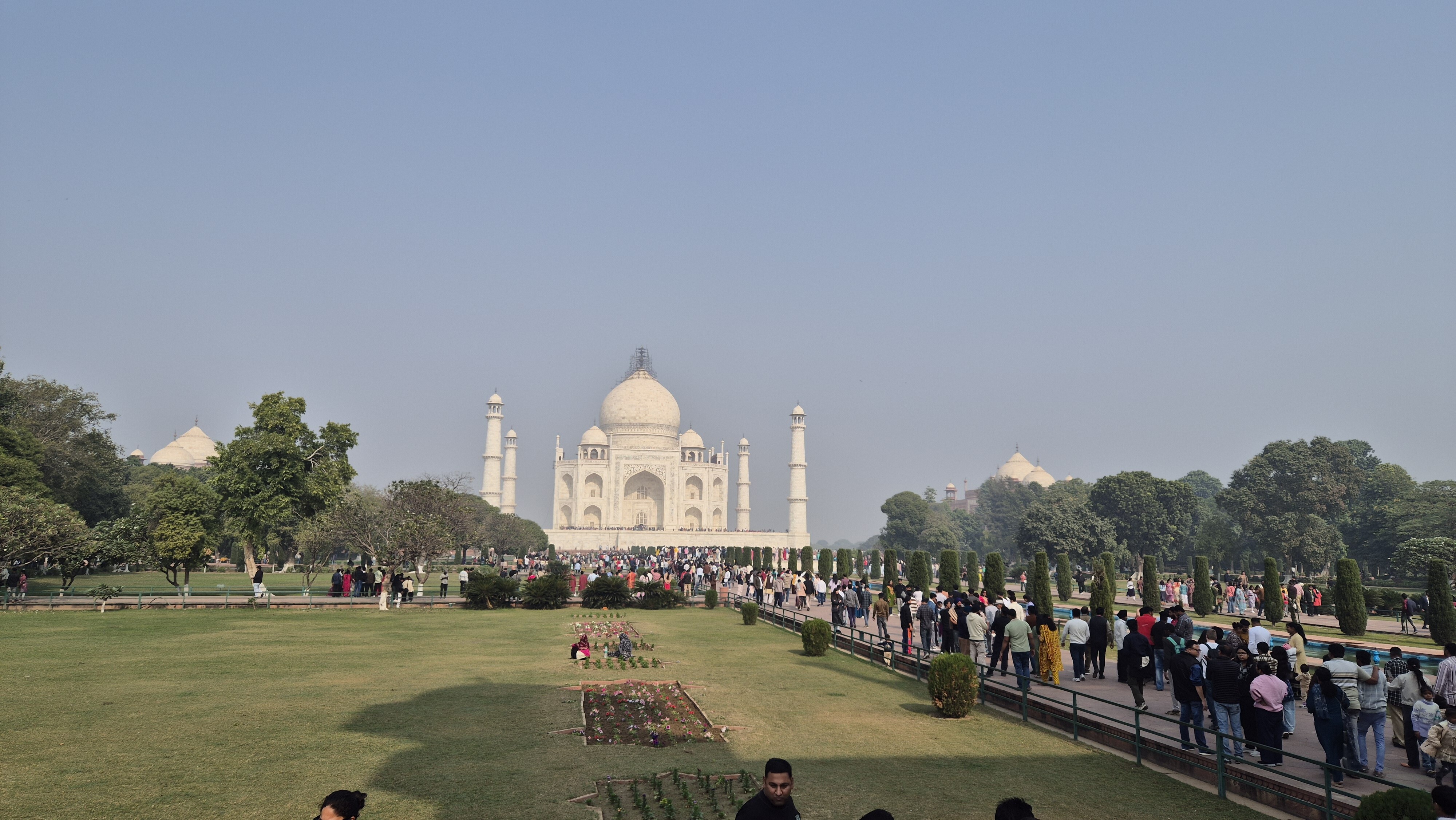
The scale and diversity of India
Any discussion of India inevitably involves numbers. With a population of 1.4 billion, it is the world’s most populous country and ranks seventh in terms of area. India is also one of the most ethnically diverse countries, home to around 2,000 ethnic groups. India has 22 official languages, alongside dozens of others spoken across the country.
Another fact repeatedly emphasized in conversations with officials was that India - the world’s largest democracy - is also one of the youngest countries. The average age of the population is 29, and approximately 65 percent of citizens are under 35.
This sense of scale became particularly tangible during a conversation with Ravindra Kumar, our group coordinator and Media Liaison Officer at the Ministry of External Affairs of India. He shared that two years ago he had applied for one of the several hundred available middle- and junior-level government positions, competing with 3.8 million other applicants – a figure that exceeds the entire population of Armenia and perhaps best illustrates the meaning of “scale” in India.
At the same time, an observation by our group’s other coordinator, Ujjwal Giri, was interesting. Many of us were surprised to learn that he was an only child. However, Ujjwal noted that in the capital and other major cities, families increasingly prefer to have one child. Larger families are more common in rural areas, partly due to labor needs.
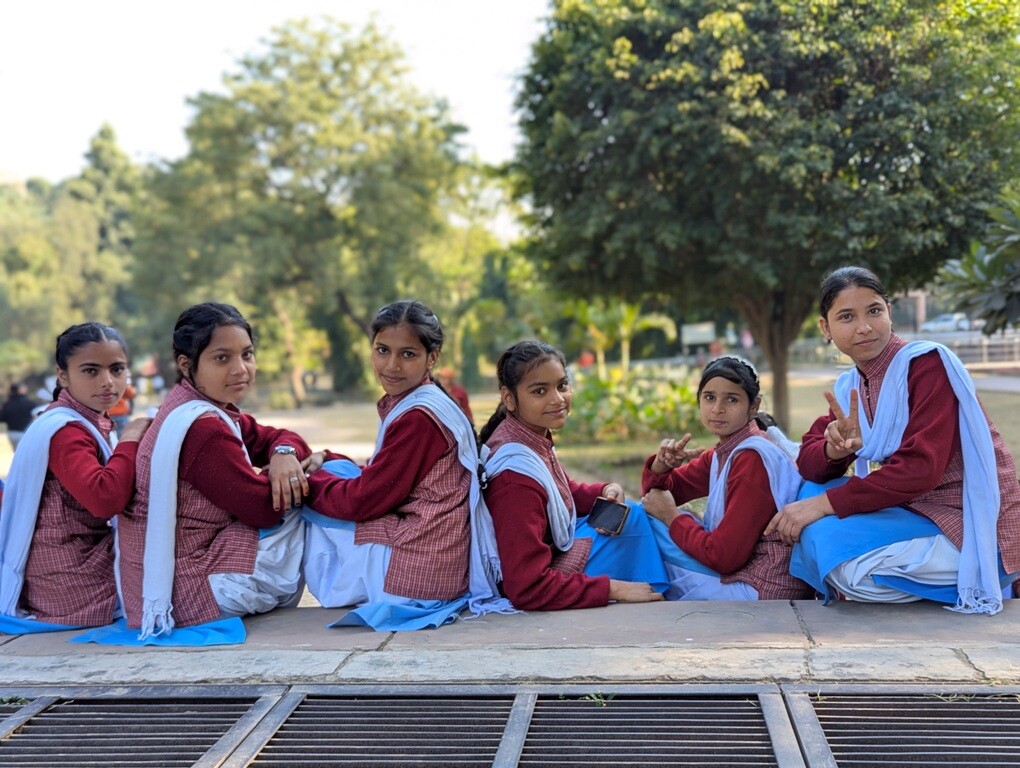
Photo by Karen Harutyunyan
The heart of India: Its people
The driving force of this vast country is its people. They are perhaps India’s greatest wealth - warm, supportive, and hospitable. What was particularly striking was the pride and dedication with which they approach their work in every field, from high-ranking officials to drivers. They seem to believe that each individual’s contribution is meaningful and adds to the greater good.
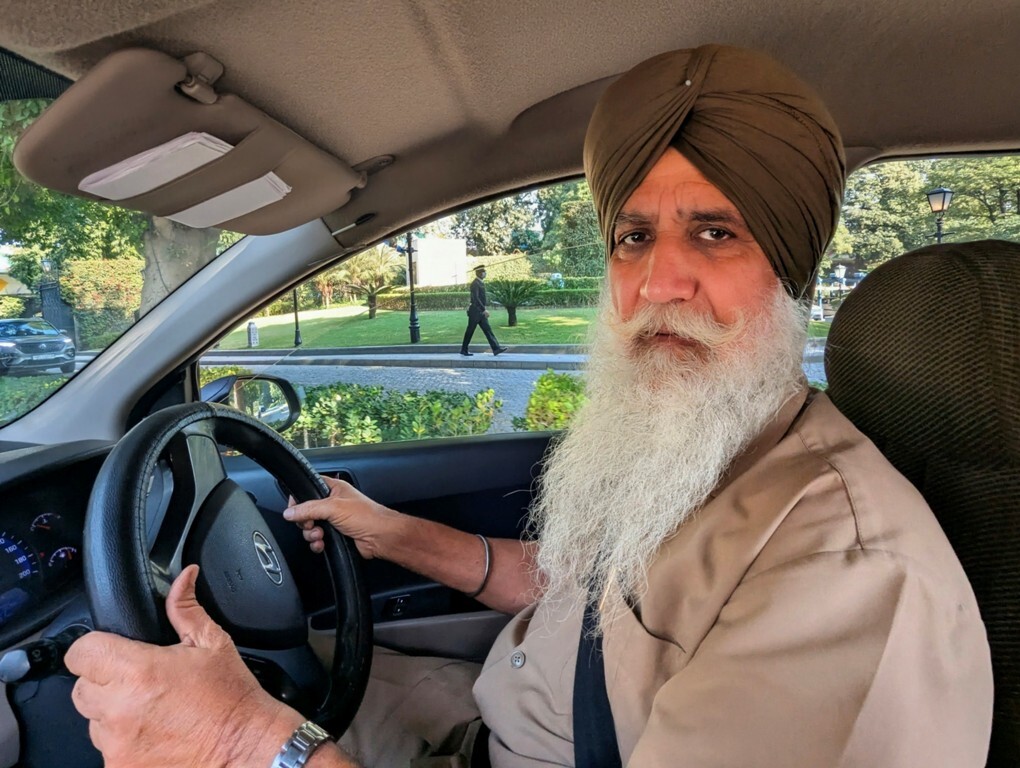
Photo by Karen Harutyunyan
The people impressed us not only with their warmth, but also with their colorful clothing and remarkable cuisine. Each dish felt like a firework of flavors - rich, appetizing and often very spicy. Indians are deeply proud of their culinary diversity and encourage visitors to try it for themselves, to taste different dishes and discover new sensations.
This visit demonstrated that India is more than numbers and landmarks. It can only be revealed through direct experience – by visiting it, engaging with its people, observing daily life and “tasting” it.
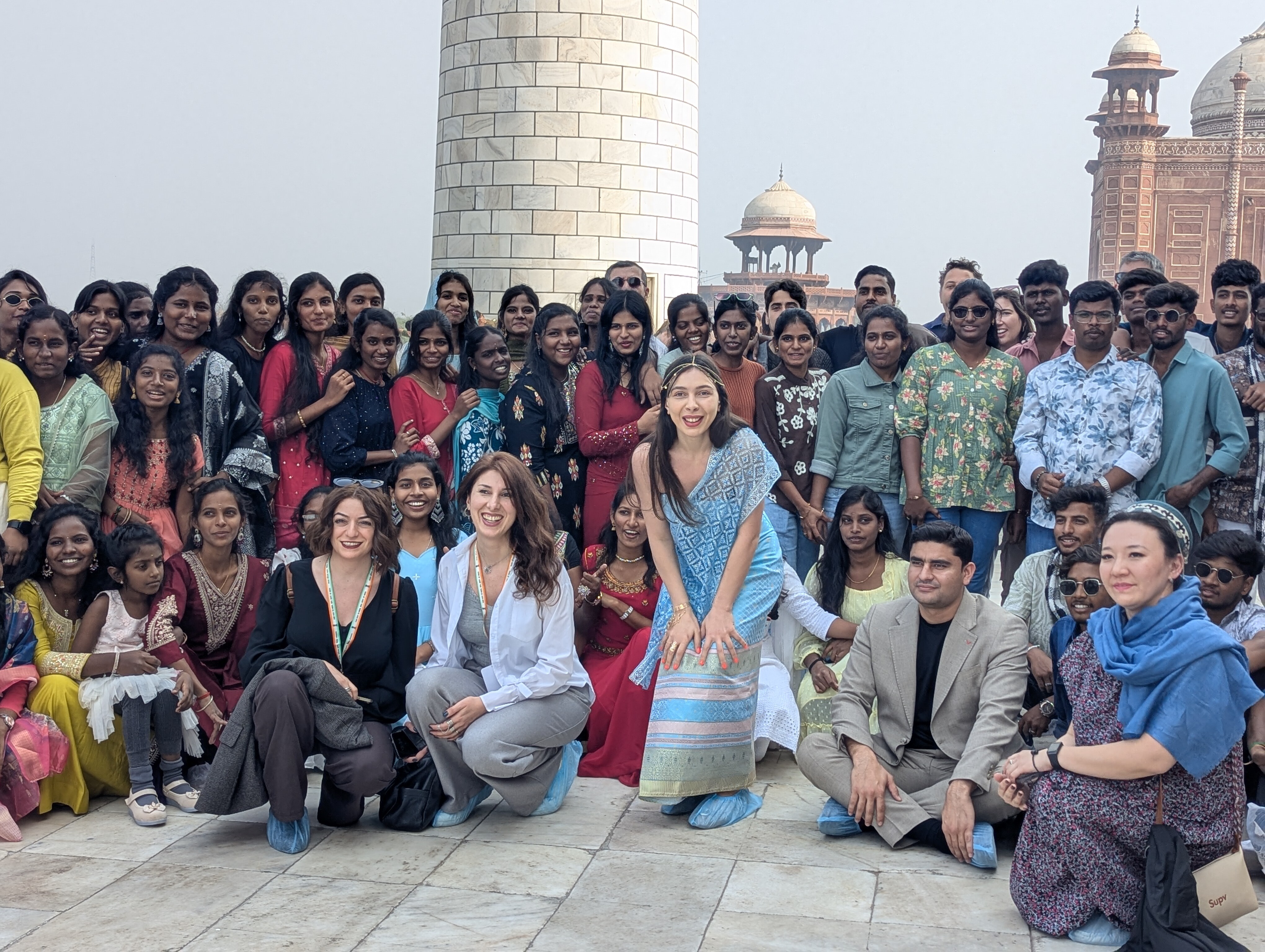
Photo by Karen Harutyunyan