
 361.73


60-70% of Armenia’s land susceptible to degradation, expert warns

8 minute read

About 40% of the world's land area is now considered degraded, directly affecting the quality of life of nearly half of the world's population, or around 3.2 billion people.
In Armenia, too, there are communities where the amount of uncultivated land is considerable and the problem is acute, Narine Hakobyan, Deputy Head of Land and Underground Resources Policy at the Ministry of Environment of Armenia and National Focal Point for the United Nations Convention to Combat Desertification (UNCCD), told Armenpress in an interview.
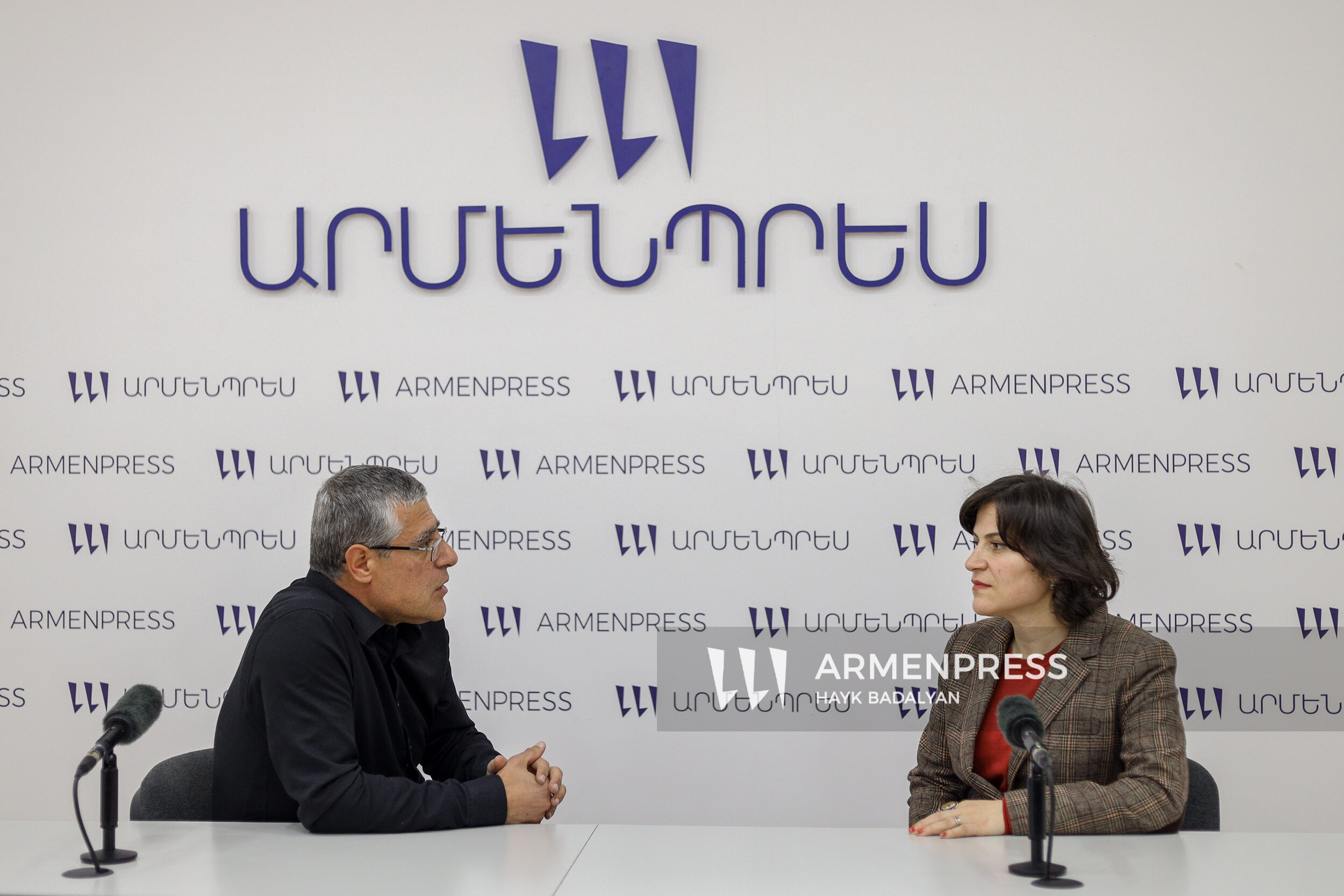
“Sixty to 70% of land in Armenia is susceptible to degradation, while around 19.5% is severely degraded. Hotspots have been identified in Tavush and Shirak provinces. The causes vary and include both anthropogenic, or human-induced, factors and climate change. Tangible results in practice can be achieved through public responsibility and awareness. Armenia serves as a habitat and migration route for rich biodiversity; therefore, land conservation is important not only for people's social well-being but also for the preservation of biodiversity,” Hakobyan said.
According to her, natural causes include climatic fluctuations, increased evaporation, and the growing severity of floods or droughts. Prolonged droughts can contribute to land degradation, while soil erosion caused by strong winds also leads to degradation.
“Human interventions that can be singled out include intensive urban development, overgrazing of pastures, deforestation, inefficient use of land resources, and leaving land uncultivated. Water scarcity has become a major problem not only in Armenia but around the world, due to accelerated evaporation and global warming. Armenia is also facing these challenges; consequently, there are certain areas in the country where the operation of new artesian wells has already been prohibited,” Hakobyan said.
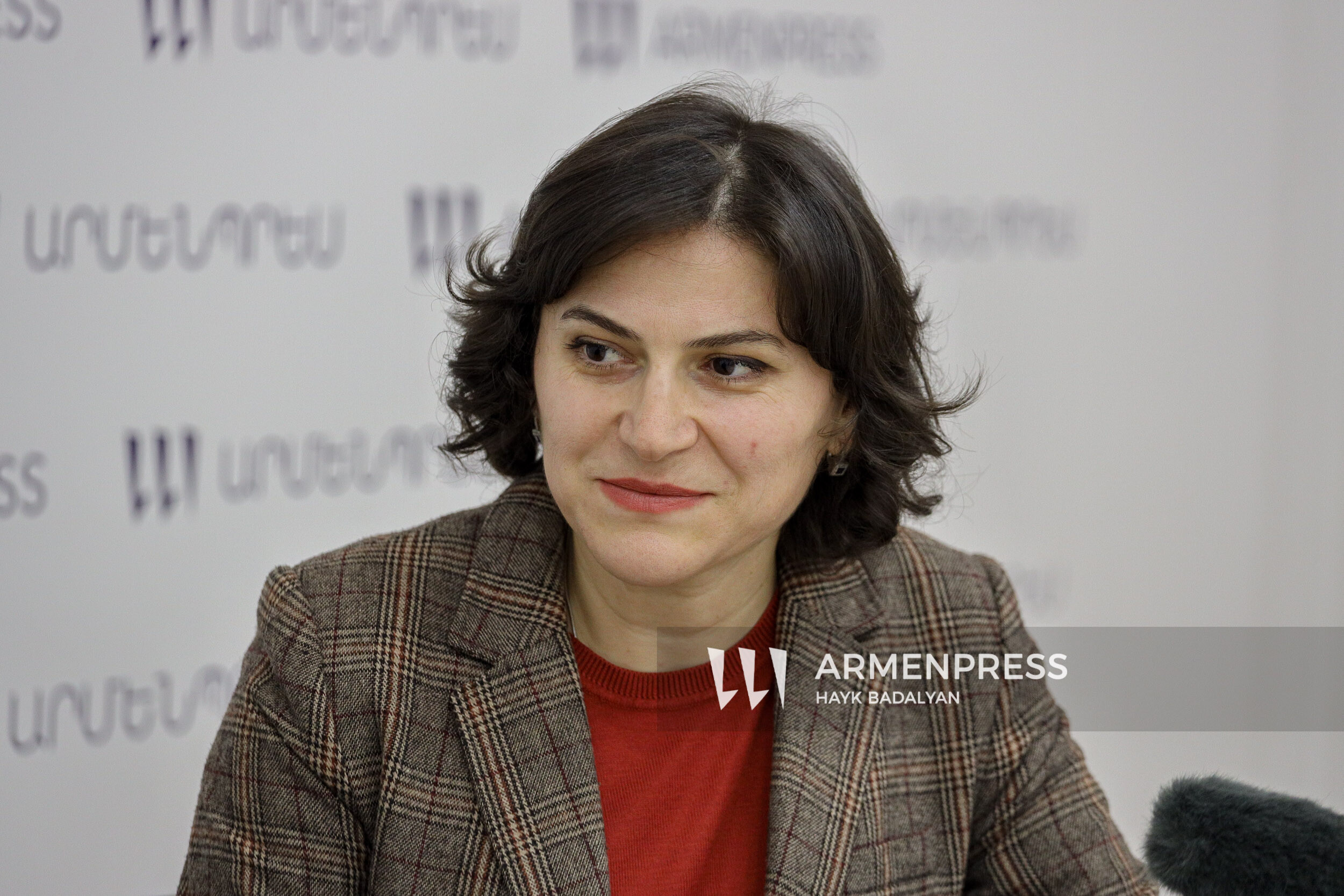
According to her, one of the main causes of degradation in Armenia is overgrazing of pastures. Pasture management plans are currently being developed for communities based on the specific characteristics of each community. This makes it possible to use pastures more sustainably, as they play a very important role not only in terms of land conservation but also as habitats for rich biodiversity.
“Under environmental programs, for example, watering points have been established for remote pastures to provide water for livestock, and roads leading to remote pastures have been improved. Among the work carried out, it is also worth highlighting the application of natural fertilizers to pastures and forests using modern technologies, including drones, which was implemented by the Ministry of Environment in Lori Province. This made it possible to apply natural fertilizing materials from above without using tractors or trampling the soil. We also have a program to rehabilitate abandoned mining sites in Syunik Province. Afforestation and reforestation work is being carried out in several provinces. All these programs are implemented with funding from the Global Environment Facility or other international partners, together with state co-financing,” she said.
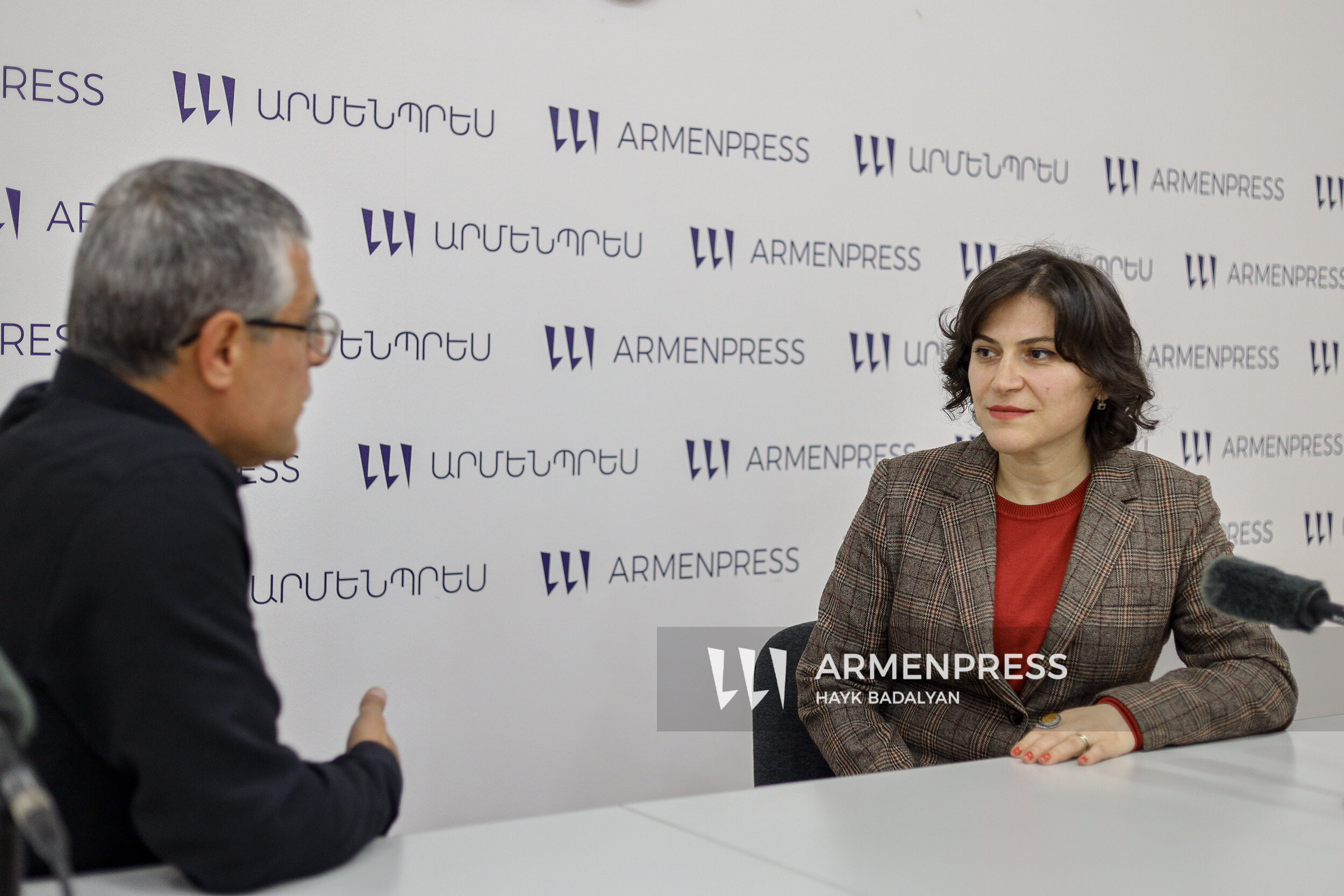
Hakobyan noted that residents can also play a major role in preventing land degradation, for example, by not burning stubble in fields. One harmful practice that contributes to land degradation and is characteristic of Armenia is the burning of fields after autumn grass harvesting. This causes considerable damage by destroying all the microorganisms present in the soil.
According to the expert, soil productivity decreases significantly as a result. Therefore, more active awareness-raising efforts are needed to ensure that rural residents, even in the most remote settlements, are informed and treat land as a valuable asset, since it is not only a natural resource but also ensures food security, mitigates climate change, and contributes to the socioeconomic well-being of the population. According to Hakobyan, programs to prevent degradation and restore land have been implemented in Lori, Shirak, Syunik, and Vayots Dzor provinces.
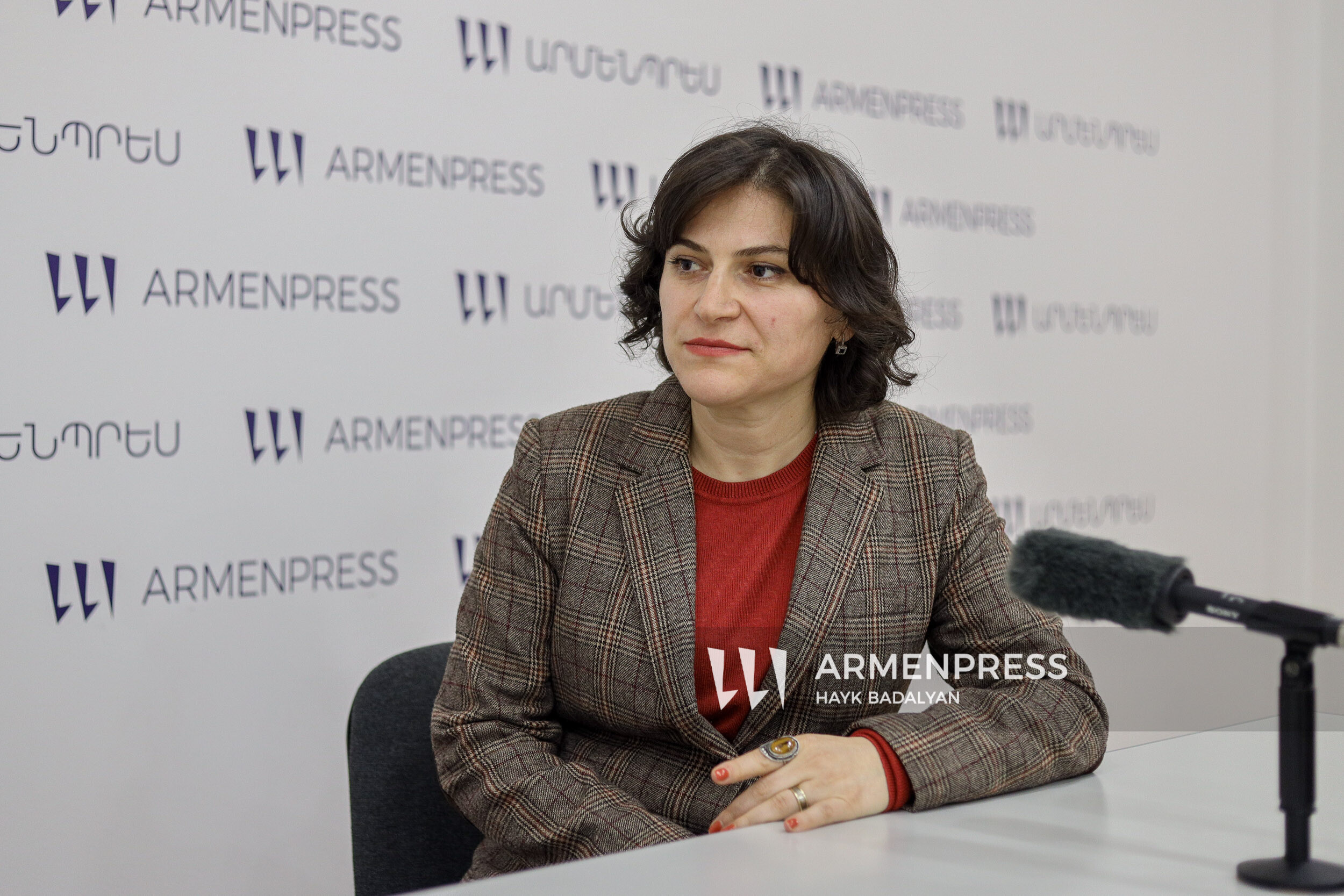
As Hakobyan is the National Focal Point for the Convention to Combat Desertification, she noted that at the 1992 Rio Summit, it was decided that three environmental conventions would be established to address environmental challenges: the conventions on climate change, biodiversity conservation, and combating land desertification and degradation. The Convention is a comprehensive agreement through which countries unite in joint action to address environmental challenges, including land desertification and degradation. The Convention was adopted on June 17, 1994, and the UN General Assembly decided that the date would be observed internationally as the World Day to Combat Desertification and Drought. Today, 196 countries and the European Union are parties to the agreement and have jointly set voluntary targets to achieve land degradation neutrality by 2030,” Hakobyan said.
She noted that, with the support of scientific bodies, a common methodology for assessing degradation has been developed under the Convention and adopted by its Parties. Criteria have also been established, the application of which makes it possible to compare individual countries' reports and conduct regional and global assessments and analyses. The latest reporting exercise was carried out in 2022.
Land degradation is a decline in soil fertility that can be prevented and, in many cases, reversed, whereas land desertification represents a degree of fertility loss that is irreversible and cannot be restored. Land degradation neutrality refers to a situation in which already degraded land is restored and further degradation is prevented.
According to experts, this is a problem that cannot be solved through efforts in just one area, given its strong interconnections with other sectors. The Ministry of Environment actively cooperates with relevant government agencies, and land restoration and improvement work is being carried out in several provinces with funding from international donors. Legislative amendments are also being pursued in an effort to prevent degradation.