
 362.21


“Ancient Armenia” exhibition to open at Acropolis Museum

6 minute read

The History Museum of Armenia will present an exhibition titled “Ancient Armenia” at the Acropolis Museum on November 19, introducing visitors to the history and culture of Armenia.
The exhibition follows a memorandum of cooperation signed by the directors of the two museums in Greece several months ago.
In an interview with Armenpress, Dr. Nzhdeh Yeranyan, Deputy Scientific Director of the History Museum of Armenia, emphasized that the exhibition will present Armenia in a broad context, from the Stone Age to Christianity.
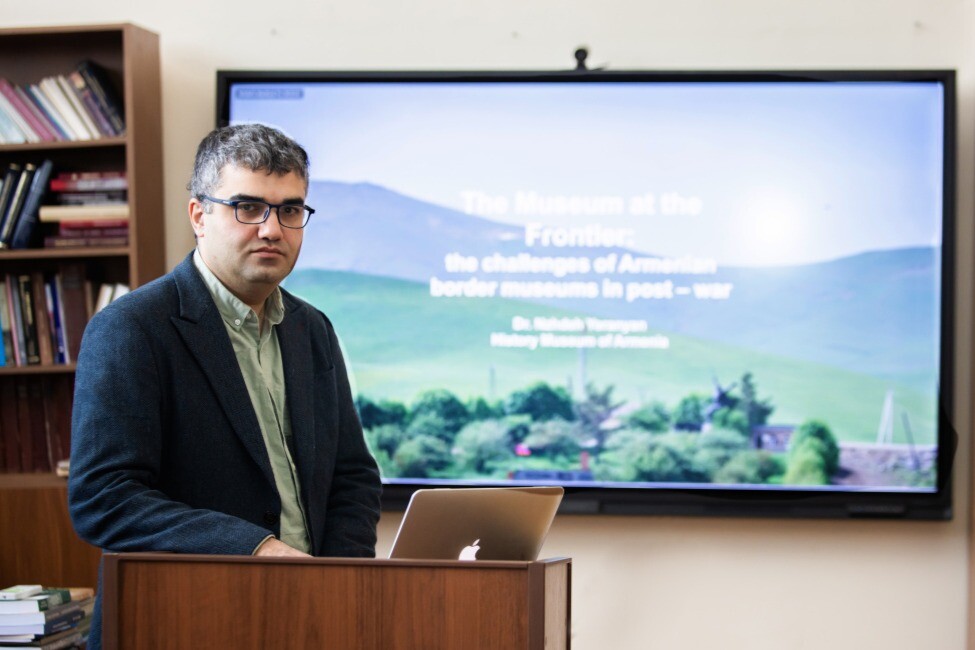
“We will exhibit more than 170 objects from our collection at the prestigious Acropolis Museum for three months. It is one of the most visited museums in the world and is very well known among tourists. Armenia will be presented at the museum from a particularly important perspective. This is of great significance both for our museum and for our country, helping raise our profile,” Dr. Yeranyan said, adding that an illustrated book would also be published as part of the exhibition.
According to Dr. Yeranyan, the exhibition also addresses Armenian-Greek ties in ancient times, so that both local residents and foreign visitors can understand the nature of the relations between Armenia and Greece.
As part of its international cooperation, the History Museum of Armenia opened a temporary exhibition titled “Faith and Identity: Relics from the History Museum of Armenia” on October 9 at the Byzantine Museum of the Archbishop Makarios III Foundation in Nicosia.
The exhibition explores the shared Christian heritage of Armenia and Cyprus, as well as the historical and cultural ties between the two countries. Four exceptional items selected from the collection of the History Museum of Armenia represent various aspects of Armenian culture, ecclesiastical art and state tradition. A special place in the exhibition is given to an Armenian Gospel originating from the Monastery of Saint Macarius, which is permanently displayed at the Byzantine Museum with the consent of the Armenian Diocese of Cyprus and served as the basis for the exhibition concept.
The History Museum of Armenia not only exhibits its objects at prestigious museums abroad but also regularly hosts exhibitions in Armenia. Two years ago, in cooperation with the British Museum, the History Museum of Armenia opened the exhibition “Mother Goddess: From Anahit to Mary,” which featured the bronze head and hand of the goddess Anahit alongside a number of other objects. Later, in cooperation with the Louvre Museum, the museum opened the exhibition “Sacred Dialogues: From the Louvre to the History Museum of Armenia.” Several weeks ago, an international exhibition titled “Myths, Cults and Cosmology: The Museum Island Berlin at the History Museum of Armenia” opened in Yerevan in cooperation with Berlin’s Museum Island.
Dr. Nzhdeh Yeranyan also highlighted the international exhibition “Ani: The Thousand and One Afterlives of a Medieval Armenian Capital,” which opened at the History Museum of Armenia on October 6, 2026. The exhibition features museum collections from the archaeological site of Ani, original cultural artifacts, archival photographs, works of art, publications, documentaries and other materials. Some of the items are being displayed for the first time. They illustrate various aspects of the study, preservation and reinterpretation of Ani, as well as its place in historical memory. The exhibition was organized in cooperation with the History Museum of Armenia, the Leibniz Institute for the History and Culture of Eastern Europe (GWZO) in Leipzig, Freie Universität Berlin, the Department of Armenian Studies at Pázmány Péter Catholic University in Budapest, and other partners.
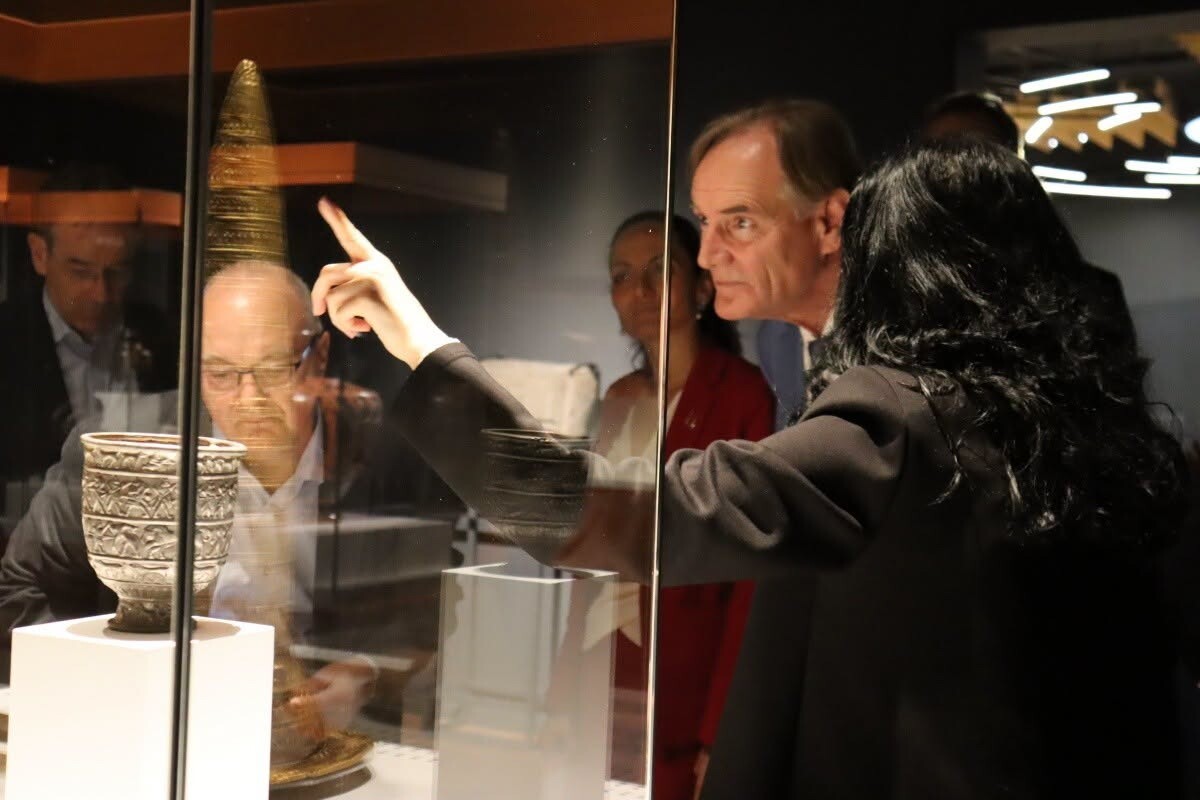
“These exhibitions are very important not only for broadening visitors’ horizons but also for cultural diplomacy. Such cultural events develop relations not only between the cooperating museums but also between the countries. However, I particularly want to emphasize advances in museology. All this shows that our museum has the capacity to host international exhibitions, create new opportunities through the development of ties, and organize professional visits,” Dr. Yeranyan said.
Dr. Yeranyan noted that several more exhibitions would be held before the end of the year, but that the details could not yet be disclosed.
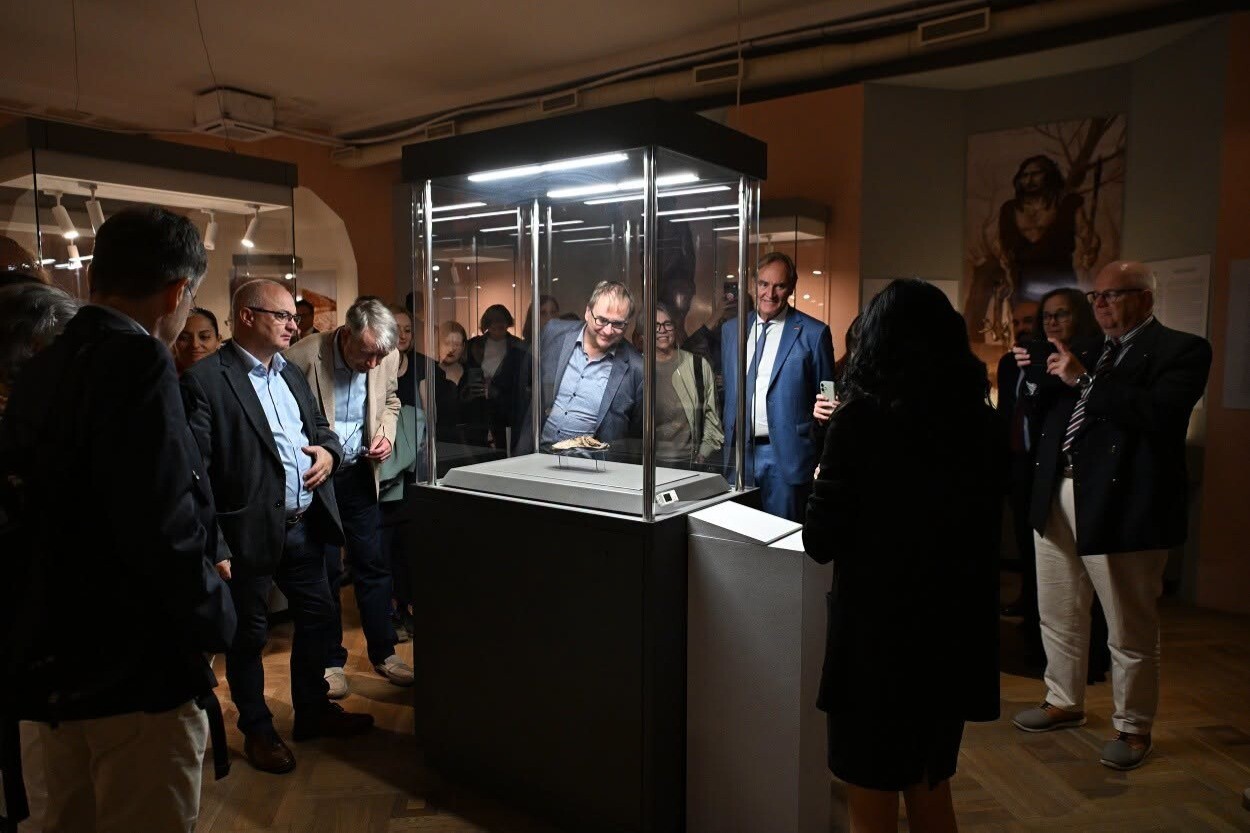
“The History Museum of Armenia is on a par with international museums in terms of its space, collections and exhibitions, and visitors can expect surprises. I believe they will follow us and come to the museum in search of interesting exhibitions and information,” Dr. Nzhdeh Yeranyan concluded.