
 362.21


European Parliament hosts conference on Armenian detainees held in Baku

9 minute read

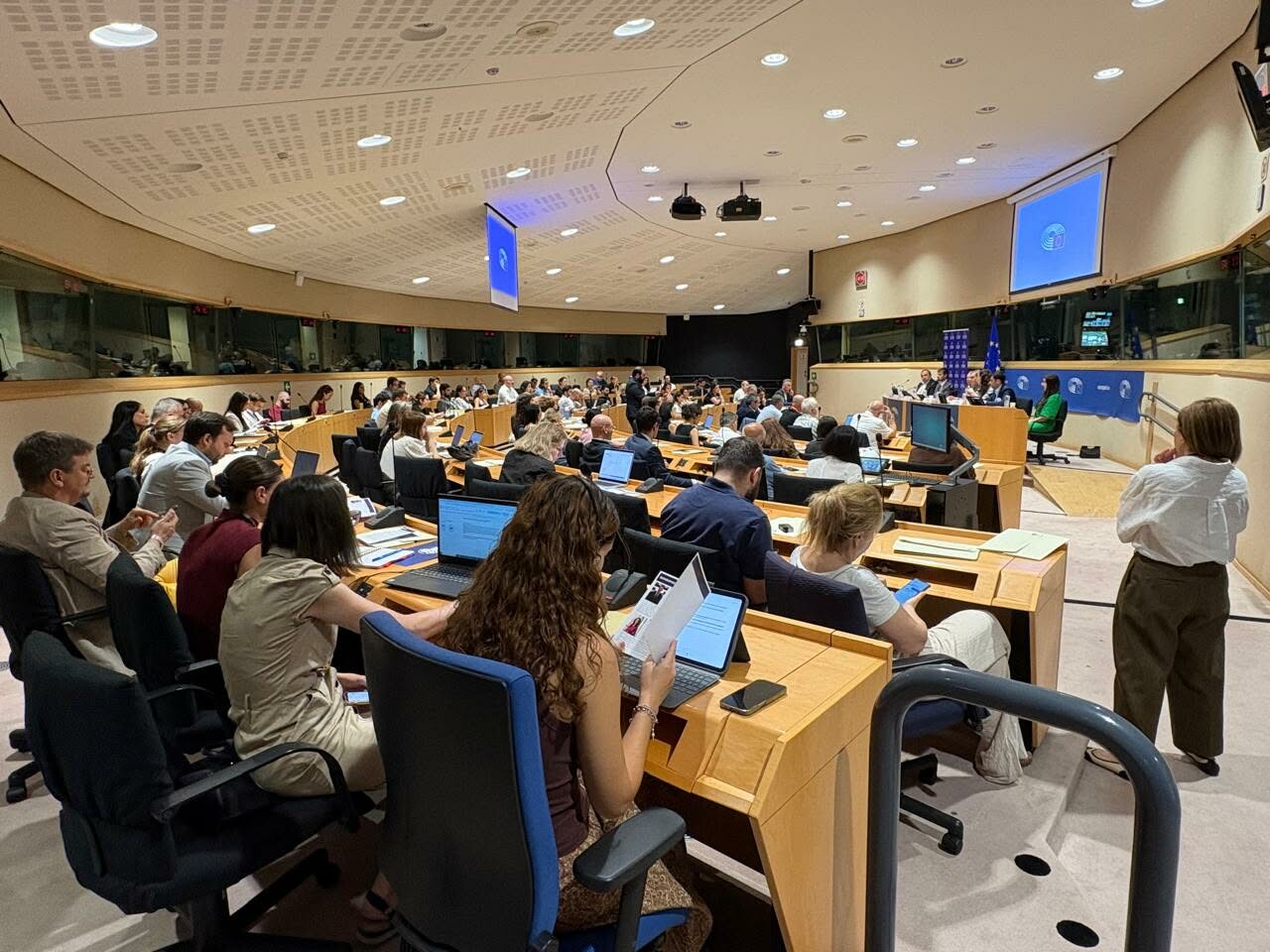
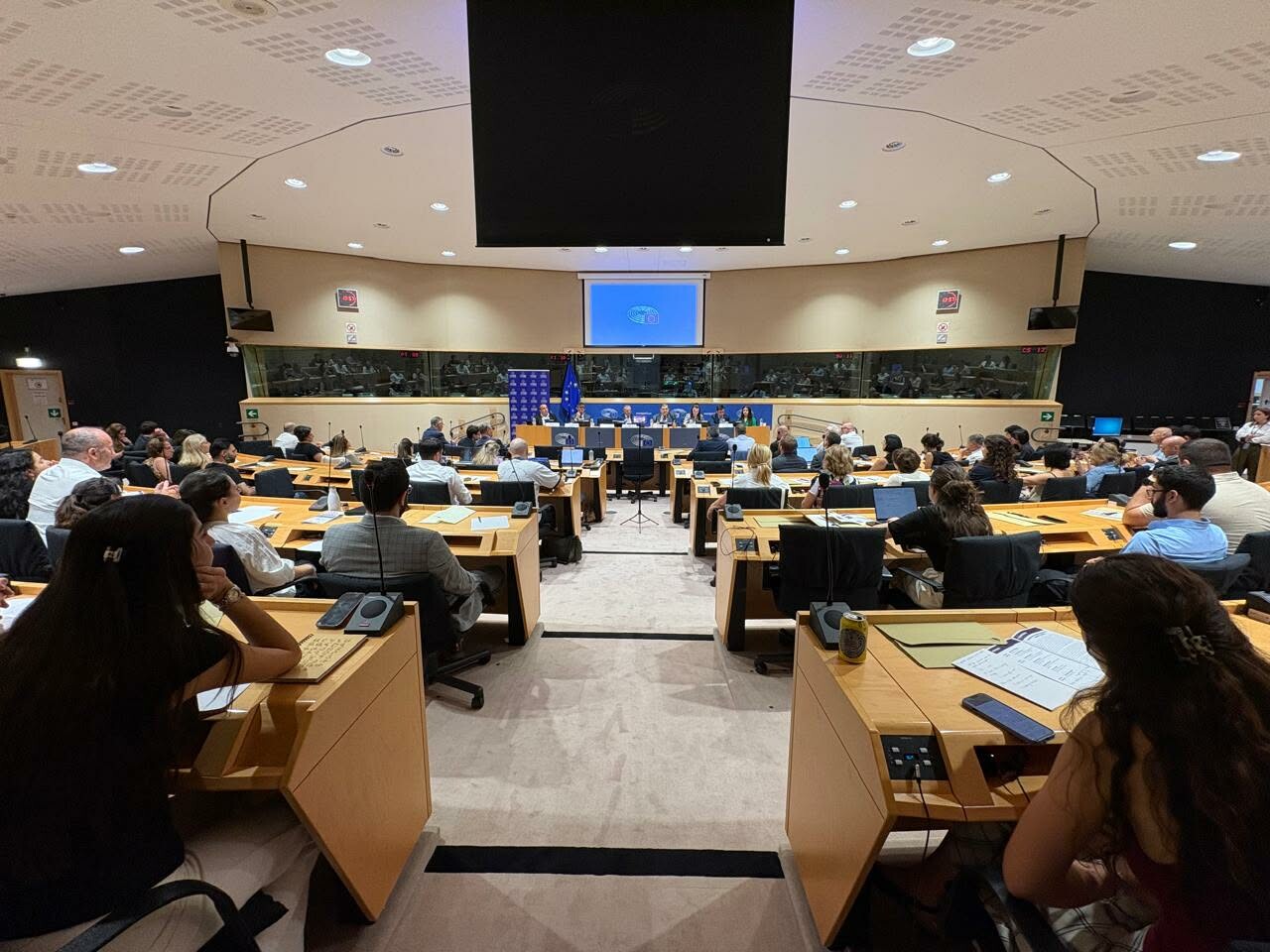
The European Parliament has hosted a conference titled “Armenian Prisoners in Azerbaijan and the Imperative of European Union Engagement”, focusing on the issue of Armenians held in detention in Baku.
The event was hosted, with the support of the European Armenian Federation for Justice and Democracy (EAFJD), by Cypriot MEP Costas Mavrides of the Socialists and Democrats Group and Miriam Lexmann, the European Parliament’s standing rapporteur on Armenia and an MEP from the European People’s Party representing Slovenia.
The keynote speakers included human rights lawyer Siranush Sahakyan, who represents the interests of Armenian detainees before international bodies; Joel Veldkamp, Director of Public Advocacy at Christian Solidarity International (CSI); Simon Papuashvili, Programme Director for Eastern Europe and the South Caucasus at the International Partnership for Human Rights (IPHR); and Armen Ishkhanyan, son of David Ishkhanyan, the former speaker of the Nagorno-Karabakh parliament who is being held in Baku.
Sahakyan stressed that the fact that Nagorno-Karabakh was not internationally recognised at the time could not serve as a legal basis for the ongoing criminal prosecutions in Baku. She noted that UN Security Council resolutions had never declared Nagorno-Karabakh’s independence invalid or called on states not to recognise it, unlike in some other conflicts.
She recalled that for decades the status of Nagorno-Karabakh had remained the subject of negotiations within the framework of the OSCE Minsk Group and that its representatives, including some of those now detained in Baku, had engaged with international mediators as part of a recognised peace process.
According to Sahakyan, the proceedings in Baku cannot be regarded as ordinary criminal trials but instead pursue political objectives by reversing the narrative of responsibility, portraying members of the displaced Armenian community as perpetrators and criminalising the political existence of Nagorno-Karabakh.
Papuashvili said the time had come to move beyond resolutions to concrete action. He argued that the release of Armenian detainees should become a clear and measurable priority in all contacts between the European Union and Azerbaijan.
He said that, pending their release, the EU should insist on a number of fundamental guarantees, including unrestricted access for independent humanitarian organisations, regular contact with family members, independent medical examinations, confidential meetings with lawyers and full access to case materials in a language understood by the defendants.
Papuashvili also proposed that the EU establish clear benchmarks and deadlines for Azerbaijan, warning that failure to meet them should affect political cooperation, bilateral negotiations and broader EU-Azerbaijan relations. He further called for consideration of EU Global Human Rights Sanctions against officials for whom there is credible evidence of involvement in torture, arbitrary detention or serious abuses of judicial authority.
“The release of Armenian detainees is not a reward or a privilege for Armenia. It is an obligation arising from international humanitarian law, international human rights law and the commitments undertaken by the parties themselves,” he said.
Speaking at the conference, Joel Veldkamp said that every Armenian detainee held in Baku represented, above all, a human life awaited by a family.
He argued that by failing to demand their immediate release, the international community was effectively accepting Azerbaijan’s actions and the precedent that military force could be used to resolve conflicts and deny peoples’ right to self-determination.
Veldkamp criticised the European Union’s policy, saying it was simultaneously deepening relations with both Armenia and Azerbaijan while demanding the main concessions only from Armenia and placing almost no comparable demands on Azerbaijan.
He also noted that Azerbaijan has yet to sign a final peace agreement and continues to portray the entire territory of the Republic of Armenia as “Western Azerbaijan.”
In his view, current policies risk creating a weakened Armenia, which would not serve Europe’s interests. He argued that, amid Turkey’s growing regional influence and declining respect for international norms, a strong Armenia would be a valuable partner for the European Union.
“If Europe wants to contribute to strengthening Armenia, one of its first steps should be decisive intervention to secure the release of the Armenian hostages held in Baku,” Veldkamp concluded.
Armen Ishkhanyan said that while virtually all peace agreements in modern history had prioritised the release of prisoners of war, Azerbaijan continued to avoid doing so.
Quoting his father, David Ishkhanyan, he said the trials in Baku were directed against the Republic of Armenia and that the Armenian prisoners were being used by Azerbaijan as leverage against Armenia. In his view, this seriously called into question Azerbaijan’s commitment to genuine peace.
In her remarks, Miriam Lexmann stressed that the European Union should take a more consistent approach to defending Armenian political prisoners and detainees held in Azerbaijan.
She said that although the EU was deepening cooperation with Armenia by supporting the country’s economic resilience and access to European markets, it was failing to exert sufficient pressure on Azerbaijan over human rights violations because of energy interests.
Lexmann said the EU should use its political and energy ties with Azerbaijan to demand the immediate release of Armenian detainees. She also underlined the need for close coordination between Armenia and the European Union and for sustained political pressure to address serious violations of international law.
During the question-and-answer session, participants thanked the organisers for keeping the issue on the agenda. Some expressed concern that the EU’s actions did not reflect its stated values as it continued to regard Baku as a reliable partner. Others asked how Members of the European Parliament explained the gap between Parliament and the European Commission, noting that the Commission rarely acted on Parliament’s resolutions.
Costas Mavrides said that after serving in the European Parliament for 15 years, he regretted that it was no longer possible to discuss the EU’s foreign policy solely in diplomatic language.
Simon Papuashvili added that it was regrettable that the EU continued to invest in fossil fuels in a country such as Azerbaijan, arguing that such dependence was both unnecessary and harmful to the bloc’s long-term energy security.