
 362.34


Epilepsy: Out of the Shadows conference highlights advances in treatment and awareness in Armenia
5 minute read
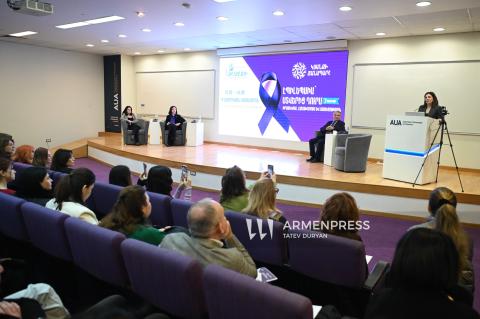
Ahead of International Epilepsy Day (February 9), the American University of Armenia hosted a conference titled Epilepsy: Out of the Shadows.
The conference was organized with the support of the Arabkir Medical Center and the Way of Life Charitable Foundation, and focused on key issues related to the health, educational support, and social integration of children with epilepsy.
The purpose of the conference was not only to raise awareness about epilepsy, but also to highlight the work, achievements, and tangible progress made in the field of epileptology in Armenia over the past 10 years, as well as to discuss international experiences.
In his opening remarks, Professor Ara Babloyan, Scientific Director of the Arabkir Medical Center, emphasized the importance of the event and expressed his belief that it will help provide new and more accessible avenues for children and adults diagnosed with epilepsy.
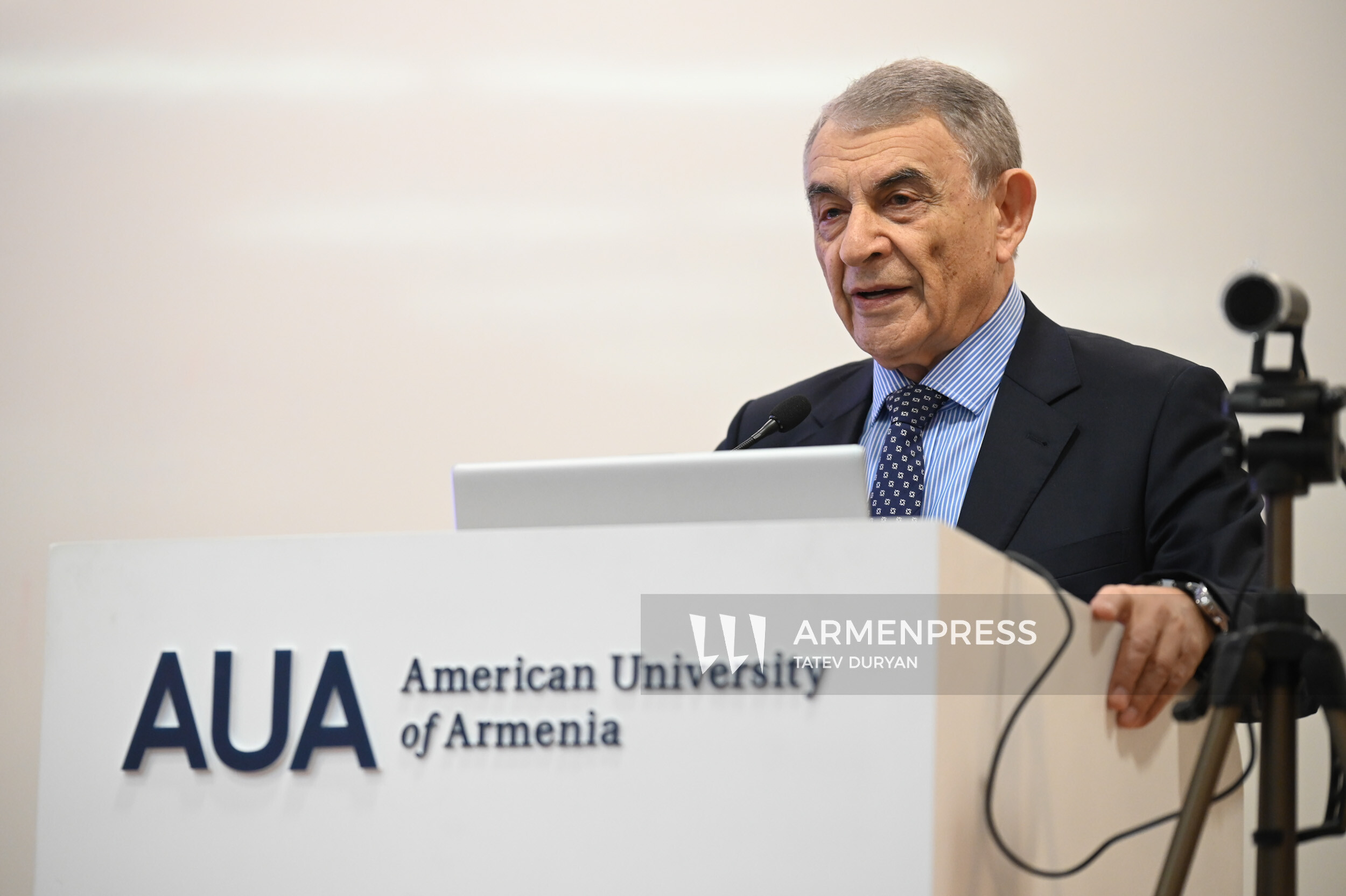
Ara Babloyan expressed his gratitude to Armenia’s Minister of Health, Anahit Avanesyan, noting that thanks to her support, children with epilepsy are now able to receive free medication and, in many cases, their diagnosis is barely noticeable. He described this as a major achievement.
“I should say that with the support of medical institutions, organizations, and the Ministry of Health, we have now moved beyond the stage of 2003, when only one or two types of medications were available to 10–20 percent of patients. Today, we have 12 or more types of medications available, and almost all children whose condition can be managed with medication are now covered,” Babloyan said, adding that the Ministry’s support obliges them to achieve even greater progress by applying new technologies, which will also make epilepsy manageable in children for whom medications currently have little effect.
According to Babloyan, surgeries for such children have achieved almost 100 percent success, allowing many to be effectively treated.
Minister of Health Anahit Avanesyan elaborated that under state care, every child is now provided with accessible pharmaceutical treatment, enabling the epilepsy diagnosis to have minimal impact on the individual’s lifestyle.
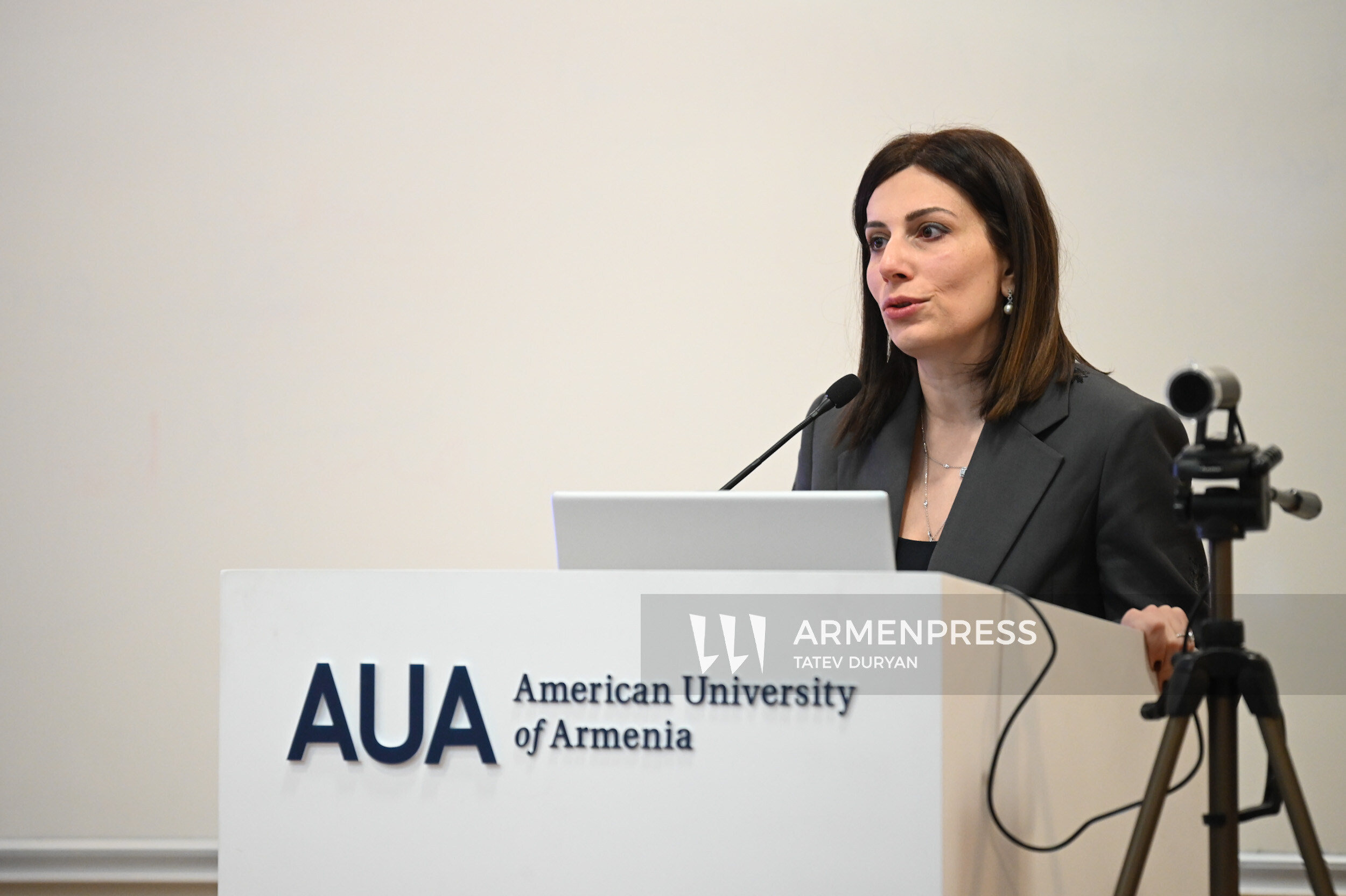
According to the Minister, people with this diagnosis have struggled for years not only with their illness but also with public misconceptions, which creates a complex and challenging psychological burden.
“I am confident that, through our combined efforts, society will change its attitude, become more tolerant, and learn how to interact appropriately with a person experiencing sudden seizures,” the Minister said, assuring that the Ministry will continue to do everything possible to ensure a stable condition for children diagnosed with epilepsy and to protect them from seizures through medication and new technologies.
As part of the conference, participants will be presented with the latest medical knowledge about epilepsy, new approaches to treatment and research, and the correct steps for providing first aid. In addition, the agenda includes discussions on inclusive education and sports opportunities, long-standing stereotypes, and the creation of a genuine platform for collaboration among medical, educational, charitable, and governmental sectors.
Attendees include doctors—neurologists and pediatricians—school and kindergarten directors and educators, sports club managers and coaches, psychologists, social workers, representatives from charitable organizations and state institutions, as well as students and parents.