
 361.45


COP17: Armenia’s wild wheat, colorful butterflies and native plants showcased at Green Zone
2 minute read

Three of the world’s four wild wheat varieties grow in Armenia, while native butterflies, medicinal herbs, honey and other products from the country’s protected areas are among the highlights of a joint pavilion at the Green Zone of COP17 in Yerevan.
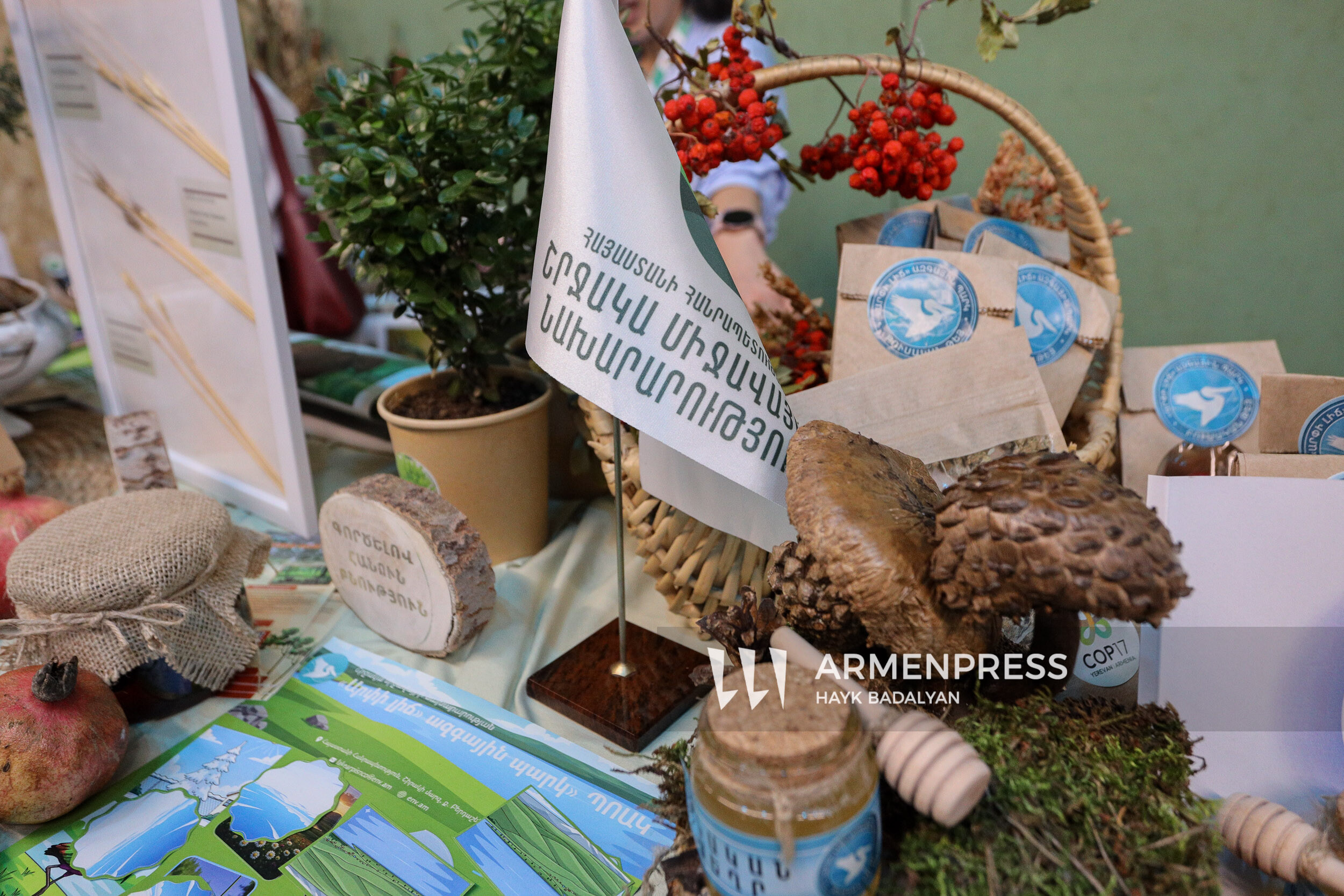
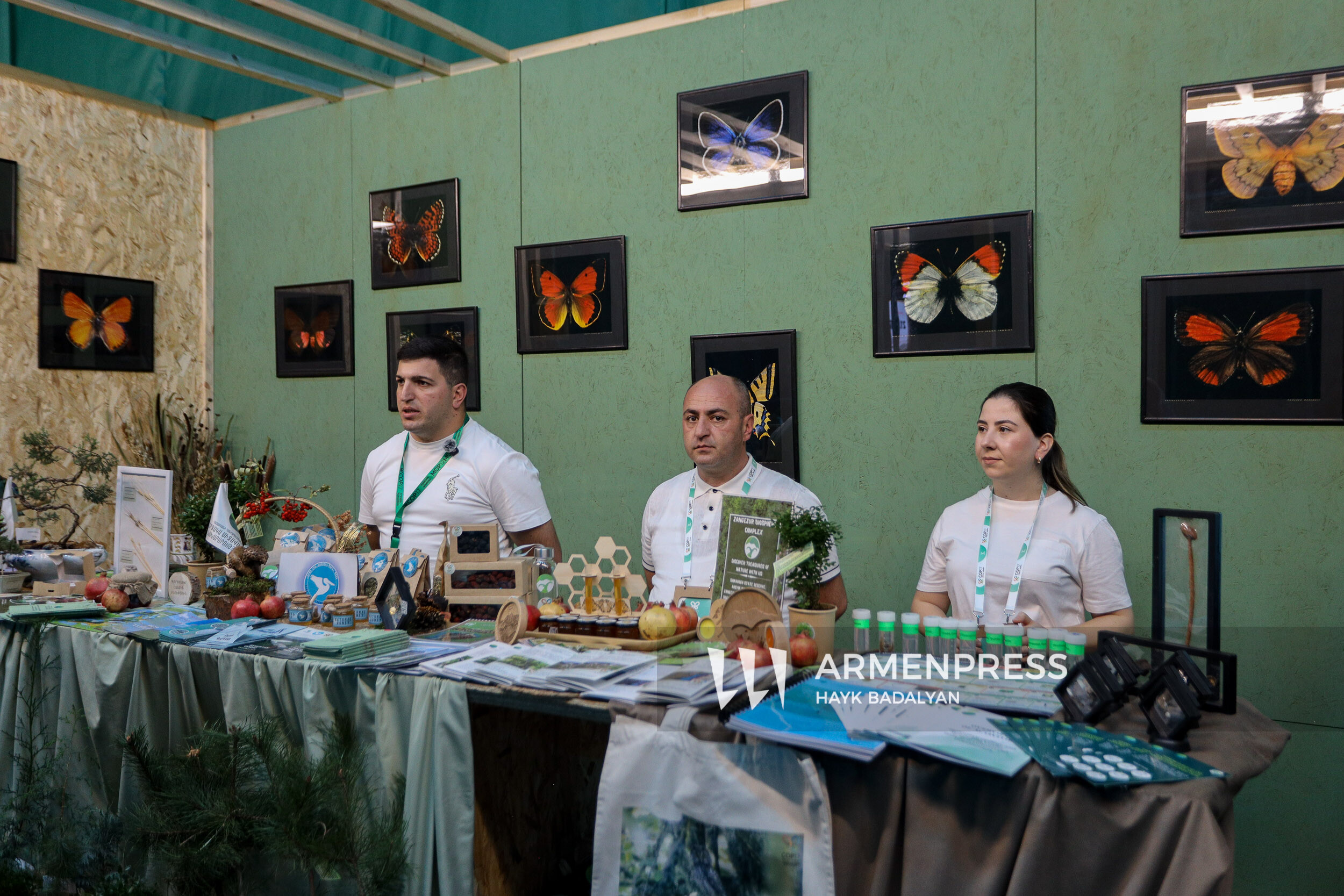
Six institutions operating under Armenia’s Ministry of Environment are presenting the country’s biodiversity, scientific specimens and natural products at the pavilion.
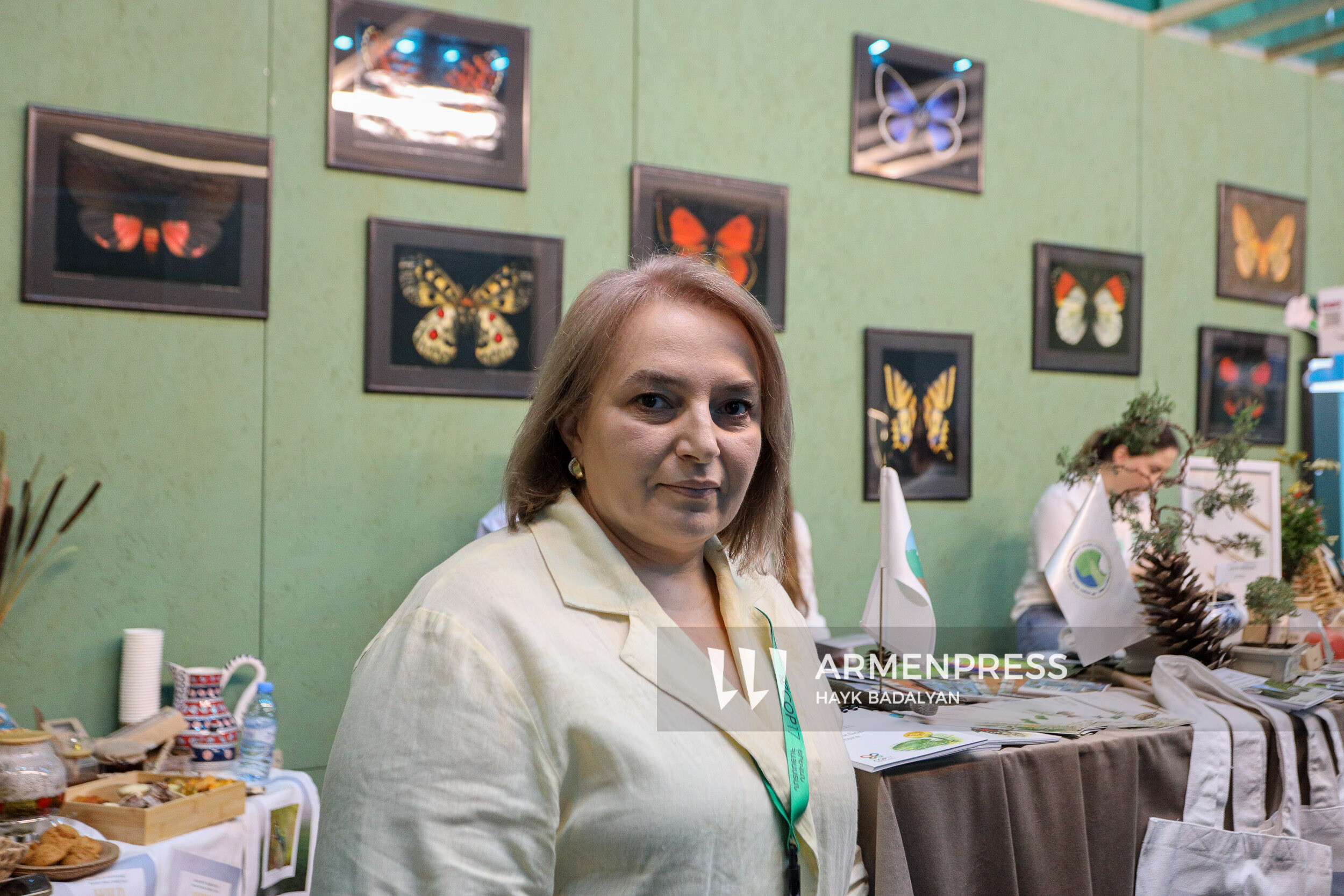
One of the main attractions is a 3D photographic collection of Armenian butterflies, photographed by Arshak Karagyozyan. The collection features endemic species, including the Apollo butterfly and the blue butterfly, which was chosen as the symbol of COP17.
The Erebuni Reserve is showcasing three wild wheat varieties. According to Lilit Galstyan, director of the Armenian State Museum of Nature, only four such varieties exist worldwide, and three grow in Armenia.
The pavilion also features sequoia seedlings and coniferous trees from the Reserve-Park Complex, as well as products from its arboretums, including jams and dried fruits. Visitors can also discover medicinal herbs and honey from Lake Arpi National Park and the Zangezur Biosphere Complex.
The Hydrometeorology and Monitoring Center is presenting animal specimens used in genetic studies and environmental assessments. Aquatic organisms are among the exhibits, as they serve as indicators of the condition of aquatic ecosystems.
Galstyan said the pavilion also aims to promote environmental education, particularly among younger generations, and raise awareness of Armenia’s rich biodiversity. She added that COP17 could help strengthen environmental cooperation and encourage more tourists to discover the country’s natural heritage.