
 360.5


Iran proposes transboundary Peace and Friendship Park with Armenia
15 minute read

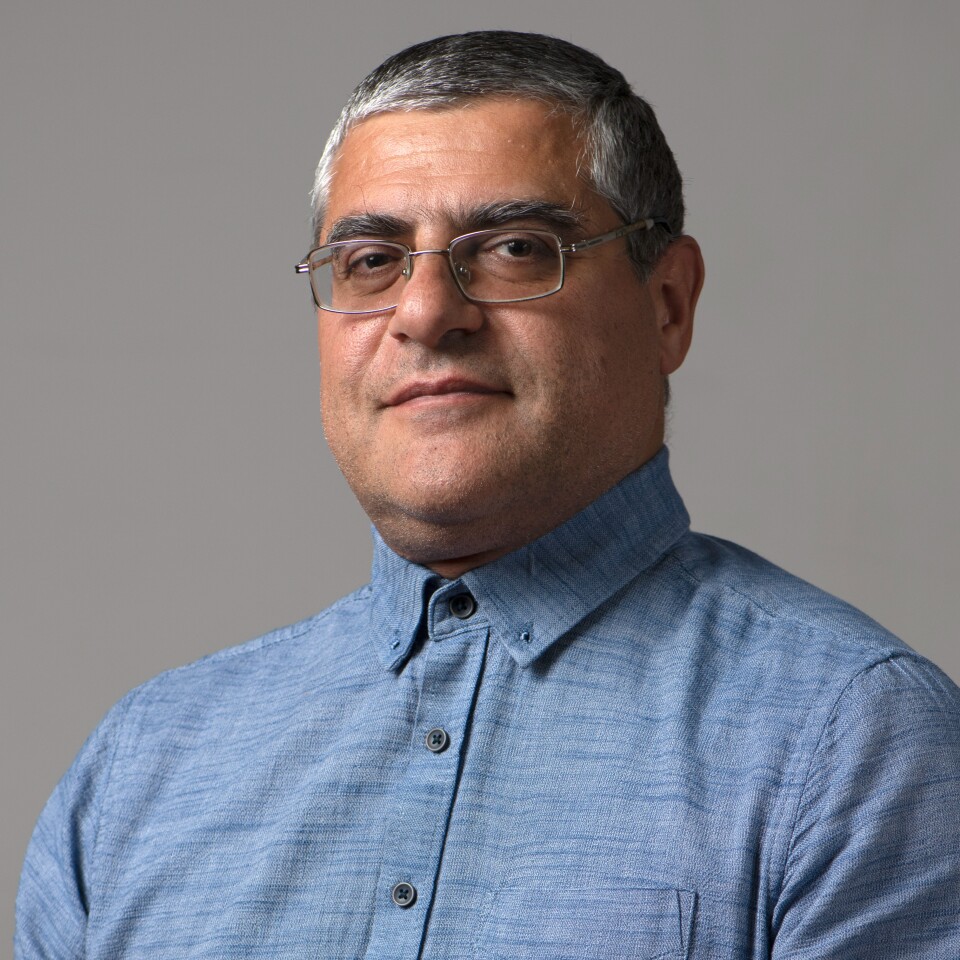
Iran has proposed the establishment of a transboundary joint Peace and Friendship Park with Armenia, Dr. Hamid Zohrabi, Deputy Head for Natural Environment and Biodiversity at Iran’s Department of Environment and National Focal Point for the Convention on Biological Diversity, has said.
Zohrabi said the Iranian side had proposed the initiative to Armenia, and an agreement had been reached to examine and discuss it at expert meetings to be held after COP17, according to an established schedule.
Below is the full exclusive interview with Hamid Zohrabi.
Armenpress - How would you assess and sum up the COP17 meeting, and what are your impressions of its outcomes?
Dr. Hamid Zohrabi - First of all, I would like to express my gratitude, on behalf of myself and my colleagues, to the people and government of Armenia. Armenia was an excellent host country for this meeting. The proper organization, smooth conduct of the proceedings, and warm and sincere hospitality are highly appreciated.
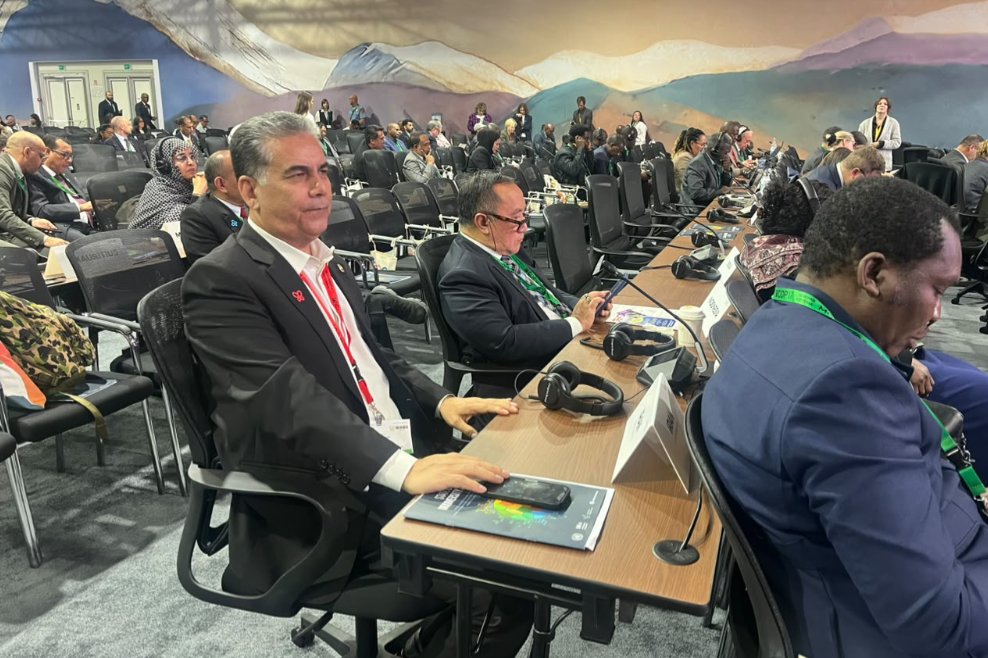
Overall, considering that COP17 is being held ahead of 2030, the deadline set for achieving the 23 biodiversity targets, it is one of the most important conferences held under the Convention. Despite disagreements among countries on a number of issues, including financing, cooperation and mutual understanding among country representatives, as well as the flexibility demonstrated by delegates from some countries, made it possible to reach a final agreement.
The participation of the leaders and presidents of countries further underscored the importance of this conference in the eyes of the international community. Representatives of the Islamic Republic of Iran also made a significant contribution to reaching an agreement through their proposals. At the same time, I consider it important to emphasize that developed countries, as well as global funds operating in the field of biodiversity, must remain committed to their obligations to provide financial resources in a timely and equitable manner for the achievement of biodiversity targets.
-What proposals did the Iranian delegation put forward during its participation in the ministerial meeting, and what issues did it emphasize in the discussions among ministers?
-One of the main issues on which the Iranian delegation focused was the impact of the political climate created by certain countries on processes aimed at ensuring that a number of countries, including Iran, have fair and equal access to the financial, technical, technological and effective means necessary for biodiversity conservation and restoration.
The Islamic Republic of Iran believes that if different countries are expected to fulfill the same obligations within established and uniform timeframes, then the principles of transparency, fairness, equality and timely provision must also be fully upheld in the allocation of financial, technical and technological resources.
The Islamic Republic of Iran, based on its longstanding traditions of nature conservation and its national strategic documents and legislative acts, remains fully committed to the Convention on Biological Diversity. We are making every effort to properly fulfill our national commitments and targets, as well as the objectives and goals of the Convention, within the established timeframes, using our domestic capacities and resources. Political maneuvering, war and the creation of instability in the region will not divert us from our path toward achieving our goals.
Through a participatory process and based on a comprehensive and inclusive approach, Iran has fully revised its national biodiversity strategy and action plan, bringing it into line with the Kunming-Montreal Global Biodiversity Framework. Particular attention has been paid in this process to the involvement of women and young people, as well as strengthening cooperation and complementarity among multilateral environmental agreements.
In this context, based on the "whole-of-government, whole-of-society" approach and with the participation of numerous stakeholders, the Biodiversity Strategic Council has been established. The country's new national biodiversity strategy and action plan have been approved by the Supreme Council for Environmental Protection, chaired by the President of the Islamic Republic of Iran.
The Islamic Republic of Iran considers the conservation of endangered species, the restoration of vulnerable populations, and the protection and restoration of their habitats to be priority areas in preserving the country's natural heritage.
Joint monitoring and conservation of flagship species, the development and implementation of specific action plans for individual species, the establishment of specialized national working groups and expert committees on species, the development of wildlife rescue, treatment and rehabilitation centers, and the implementation of species recovery programs are among the measures we are undertaking to protect the country's valuable species as part of the global mission to halt and reverse species extinction.
Regulations and guidelines have been approved to promote the participation of local communities and the private sector in biodiversity conservation, and specific programs have also been developed for the protection of mountain areas and biosphere reserves. Furthermore, through the expansion of protected areas based on biodiversity values, improvements in their management effectiveness and enhanced ecological connectivity, approximately 27.6% of Iran's terrestrial and marine areas are now included in protected areas or other effective area-based conservation measures (OECMs). This brings us closer to the global goal of placing 30% of terrestrial and marine areas under conservation by 2030, known as the "30 by 30" (30×30) target.
-What practical benefits and outcomes can the COP17 meeting deliver in terms of bilateral and multilateral cooperation?
-In addition to participating in relevant professional sessions and establishing contacts with organizers and participants, the Iranian delegation held a number of meetings alongside the main conference sessions during COP17 with delegations from various countries, including China and India, as well as representatives of international organizations and conventions, including IUCN, CITES, IPBES and the Ramsar Convention, with the aim of expanding scientific and technical cooperation.
Furthermore, initiatives concerning the rescue of endangered species, technologies and monitoring in the field of biodiversity, the protection of mountain areas, and the elimination of harmful subsidies were valuable proposals presented by the COP17 President. Iran welcomed these initiatives, viewing them as an opportunity to expand cooperation and achieve biodiversity targets, and officially expressed through diplomatic channels its readiness to join them. Iranian representatives also held consultations with partners from several Convention-related associations to accelerate the implementation of the National Biodiversity Strategy and Action Plan (NBSAP).
-Considering that Armenia and Iran are neighboring countries facing common challenges in the field of biodiversity, what prospects for cooperation do you see?
-Our proposal to neighboring Armenia was to establish a transboundary joint Peace and Friendship Park between the two countries. This proposal was presented during a bilateral meeting with the Deputy Minister of Environment of Armenia. A memorandum of understanding signed between the Islamic Republic of Iran and the Republic of Armenia back in 2012 had envisaged addressing this issue. An agreement was recently reached to examine and discuss it at expert meetings to be held after COP17, according to an established schedule.
The purpose of establishing this Peace and Friendship Park is to jointly preserve wildlife migration corridors between the two countries, effectively protect border-area habitats, develop scientific and technical cooperation, and further strengthen friendly relations between Iran and Armenia. Another important issue discussed was the protection of the Araks River from pollution.
-Which of Iran's environmental problems would you single out as requiring the most urgent attention? Based on your experience, what considerations and views could you share with your Armenian counterparts?
-The unjust sanctions imposed by Western countries, the environmental damage caused by the last two acts of aggression against Iran, and the unfair distribution of financial, technical and technological resources in the field of biodiversity conservation and restoration have created difficulties for environmental protection efforts in Iran. Although we continue to carry out our work consistently, guided by our legal and national obligations, and do not cease our efforts, these issues and the need to eliminate the existing injustice were among the important topics of our discussions during COP17, both with our neighbors and particularly in our dialogue with Armenia.
-How can governments ensure and guarantee that economic growth, infrastructure development and private-sector investment do not come at the expense of biodiversity?
-Although this issue is an international obligation established under the Convention on Biological Diversity, before undertaking such an obligation before the international community, governments must recognize the economic, political and social consequences of neglecting this issue. The consequences of biodiversity loss are borne first and foremost by the countries themselves. Due to the presence of extensive desert zones in Iran, fragile ecosystems have developed here, and this has been a focus of attention for policymakers and experts for many years. It was precisely for this reason that state institutions for nature conservation were established in Iran more than 70 years ago.
In fact, governments' awareness of the importance of biodiversity conservation, as well as the implementation of domestic measures in this direction, particularly the adoption of relevant regulations and laws, are the most important guarantees. The first operational target of the Global Biodiversity Framework addresses this issue quite comprehensively. Spatial planning based on a participatory approach and the prioritization of biodiversity conservation, as well as the application of effective management tools, including strategic assessments and environmental impact assessments, make it possible to minimize the negative impact of development and economic growth on biodiversity. It is under such conditions that we can also rely on the development of effective cooperation among countries in this field.
-Another important event is scheduled to take place in November. What are your expectations for COP31?
-The Islamic Republic of Iran, as in the case of COP17, will also actively participate in COP31 on climate change. Ensuring coherence and cooperation among the Rio Conventions and multilateral environmental agreements is one of the priorities of our work as the national focal point for the Convention on Biological Diversity. Iran also expects that environmental protection efforts at this conference will be free from certain politicized approaches. To ensure a healthy and viable life, as well as to achieve the prospect of living in harmony with nature, all people must live in a healthy and resilient biosphere. This can only be achieved through comprehensive cooperation by the international community.