
 361.73


Armenia has several provinces in need of afforestation, ATP representative says
6 minute read

Afforestation efforts in Armenia are aimed not only at increasing forest cover but also at preventing further land degradation, enriching biodiversity, and engaging communities.
The Armenia Tree Project (ATP) Charitable Foundation carries out afforestation work in several regions, taking into account the climatic and geographical characteristics of each area.
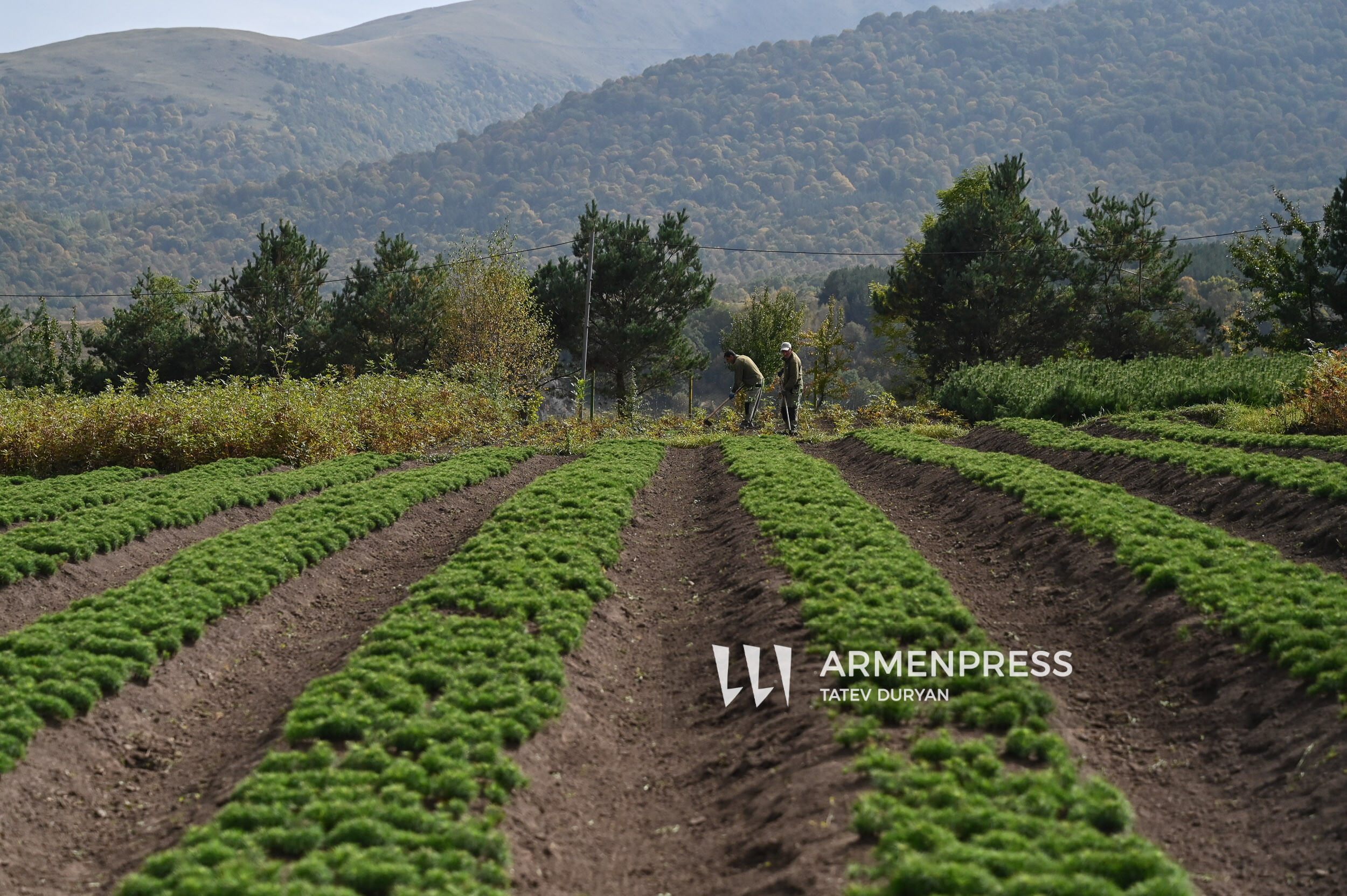
Vahe Matsakyan, Forestry Program Manager at the Armenia Tree Project Charitable Foundation, told journalists during the “From Seed to Forest” media tour that last year the foundation planted one million trees across 250 hectares. This year, afforestation work is planned on 200–210 hectares.
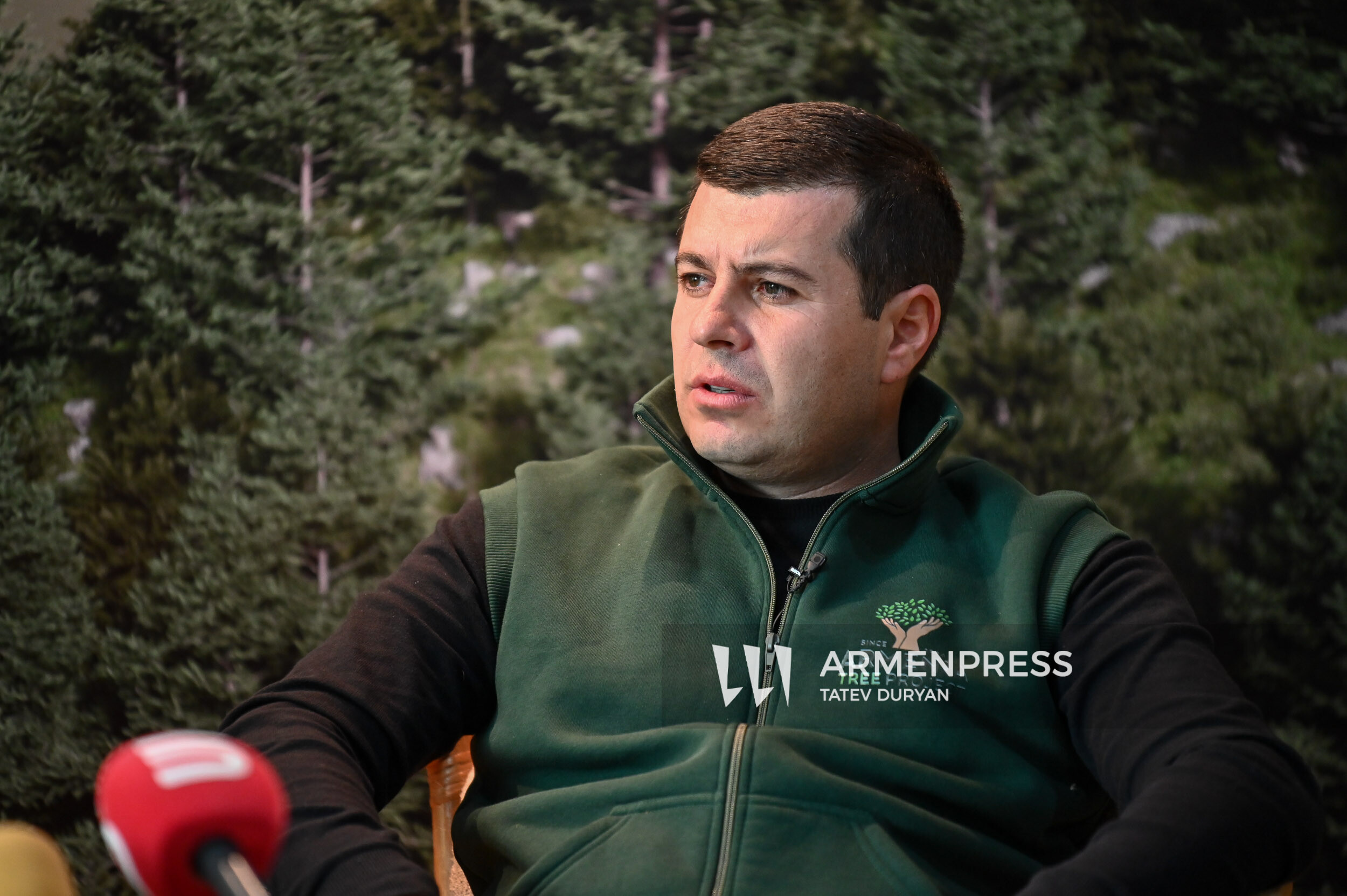
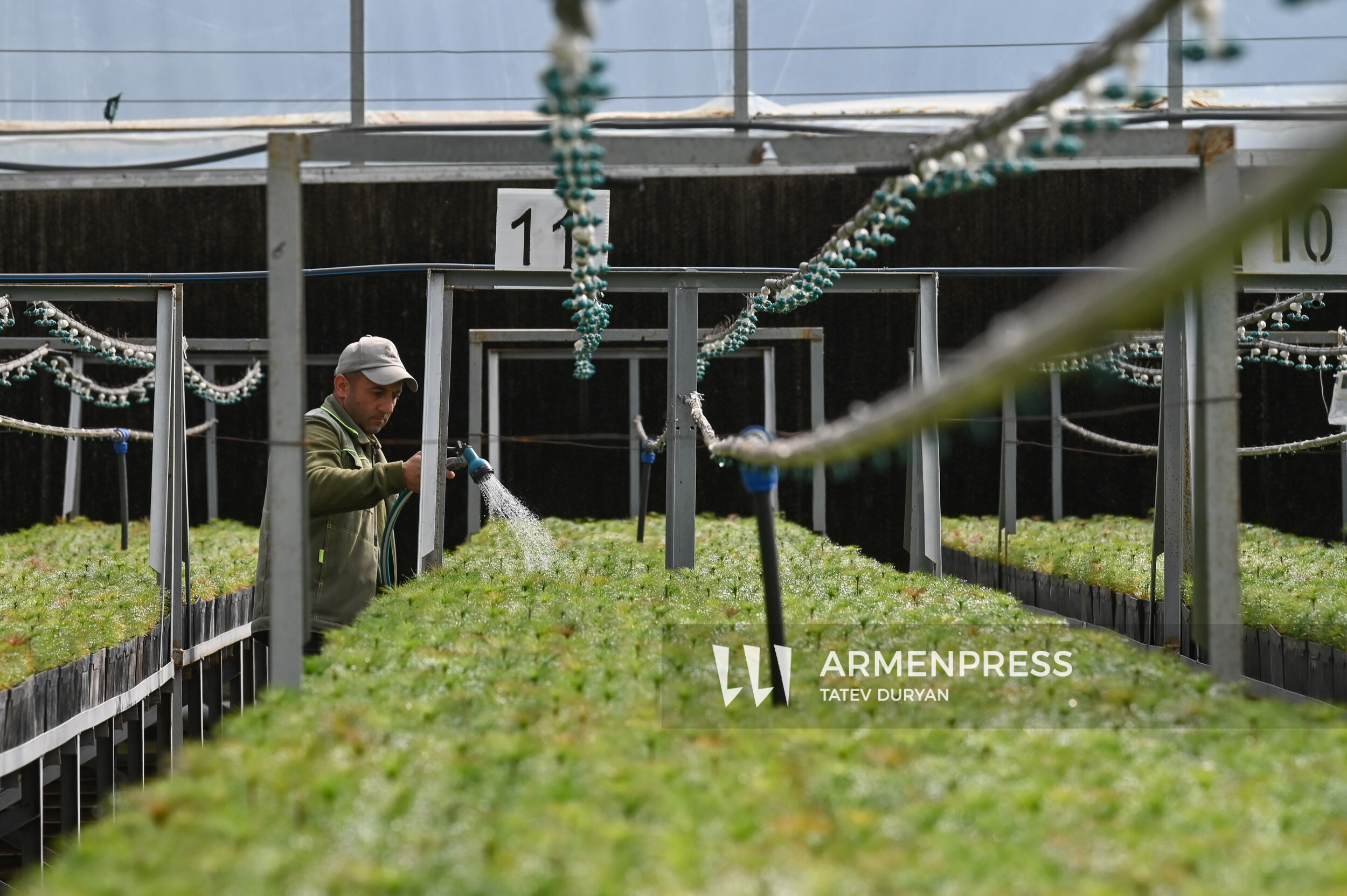
“We grow two million seedlings in our nurseries annually, which we are able to use for afforestation activities,” Matsakyan said.
According to him, the foundation seeks to establish forests on land that is no longer suitable for agricultural use.
“Through afforestation, we are trying to establish forests on land that has become unsuitable for agricultural use. This is not an end in itself. Our primary goal is to prevent further land degradation, but at the same time, we carry out afforestation using different tree species, which also helps enrich biodiversity. It also has a social component, ensuring that community residents are involved in the work and later treat the forests they have helped create with greater care,” he said.

Asked which regions are most in need of afforestation, Matsakyan said the foundation had been carrying out afforestation work in Shirak Province for around five years. The work was later expanded to Kotayk Province, and programs have also been implemented in Gegharkunik Province over the past three years. In his assessment, Shirak, Kotayk, Aragatsotn, Gegharkunik, and Armavir provinces are particularly in need of afforestation.
“There are almost no natural tree stands in Shirak Province; there are mainly artificial forests there. The climatic conditions are also unfavorable, so there is a great need for afforestation,” Matsakyan said.
To ensure the effectiveness of afforestation efforts, it is necessary to take into account Armenia’s complex mountainous terrain and the characteristics of its climatic zones. According to Matsakyan, planting the same tree species in all provinces and expecting the same results is not the right approach. It is also important to consider where the seeds were collected, the conditions under which the seedlings were grown, and the areas where they will be planted.
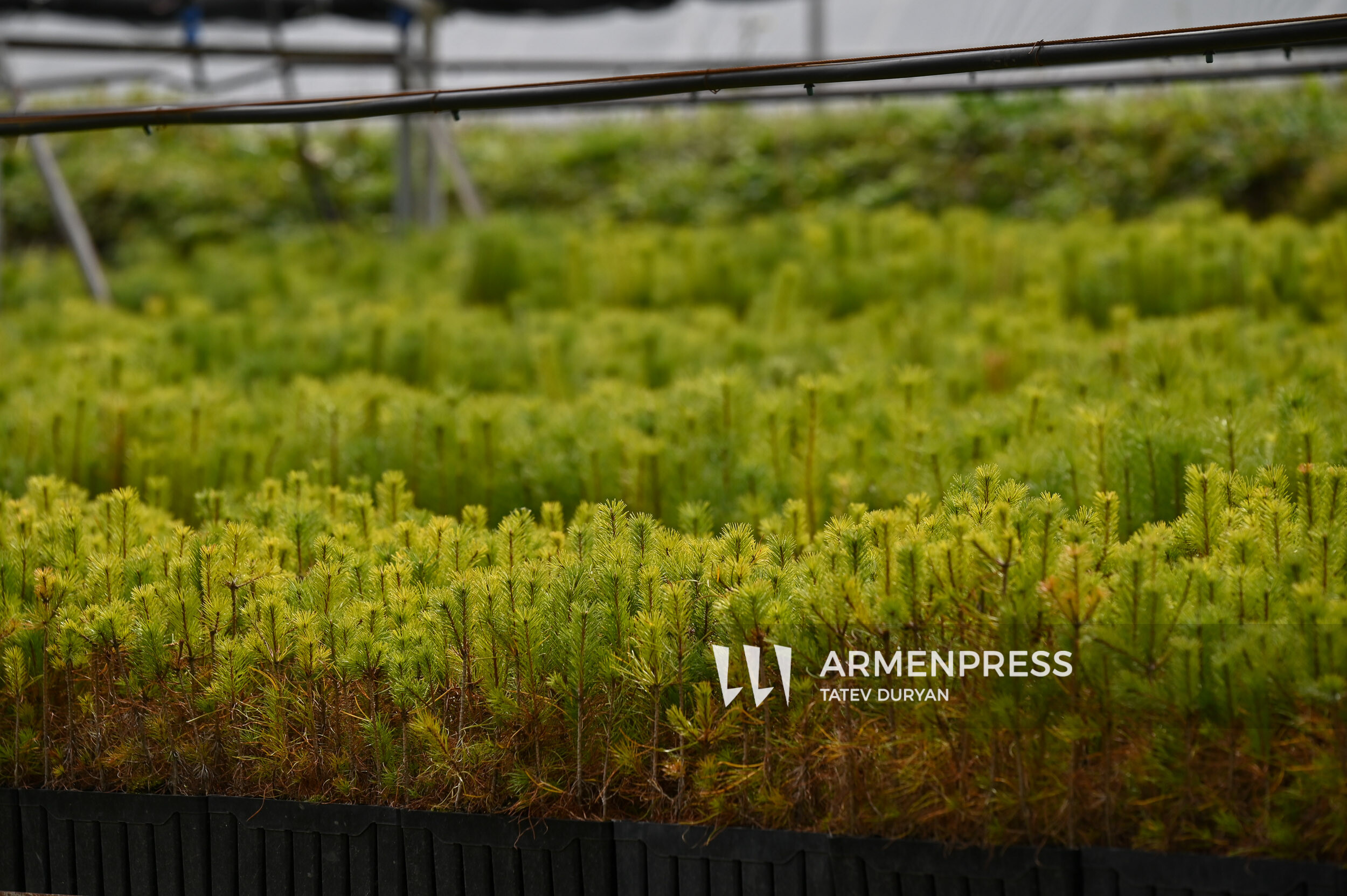
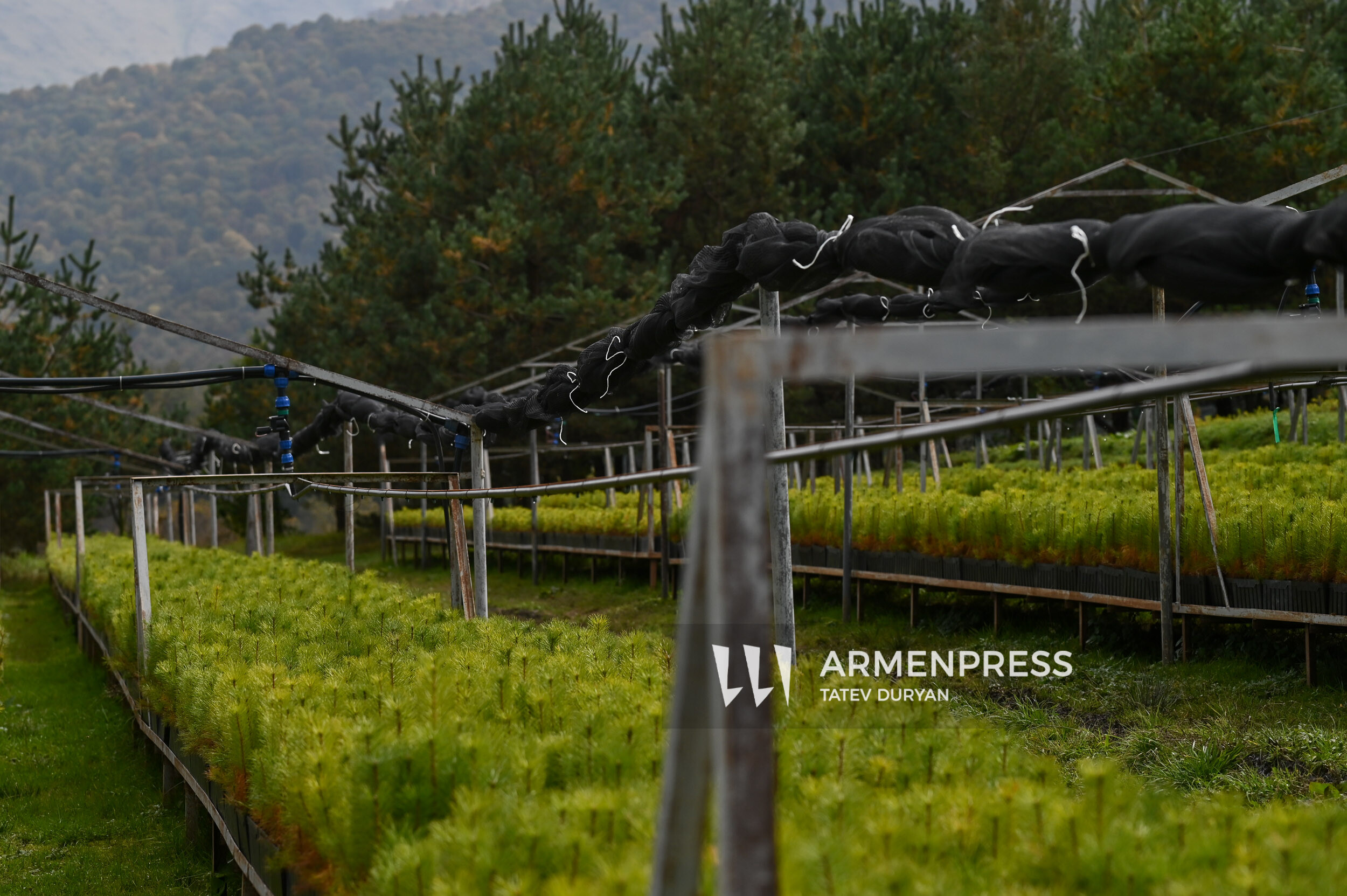
“Armenia has complex mountainous terrain, with pronounced vertical zonation. It is not possible to establish forests using the same tree species in every location. Before doing so, it is very important to understand where the seeds used to grow the seedlings were collected and where the seedlings will be planted. It is not possible to have a nursery in one geographical zone in Armenia and use the seedlings grown there in all provinces. The purpose of our four nurseries is to produce seedlings suitable for different climatic zones that can be used under different conditions,” he emphasized.
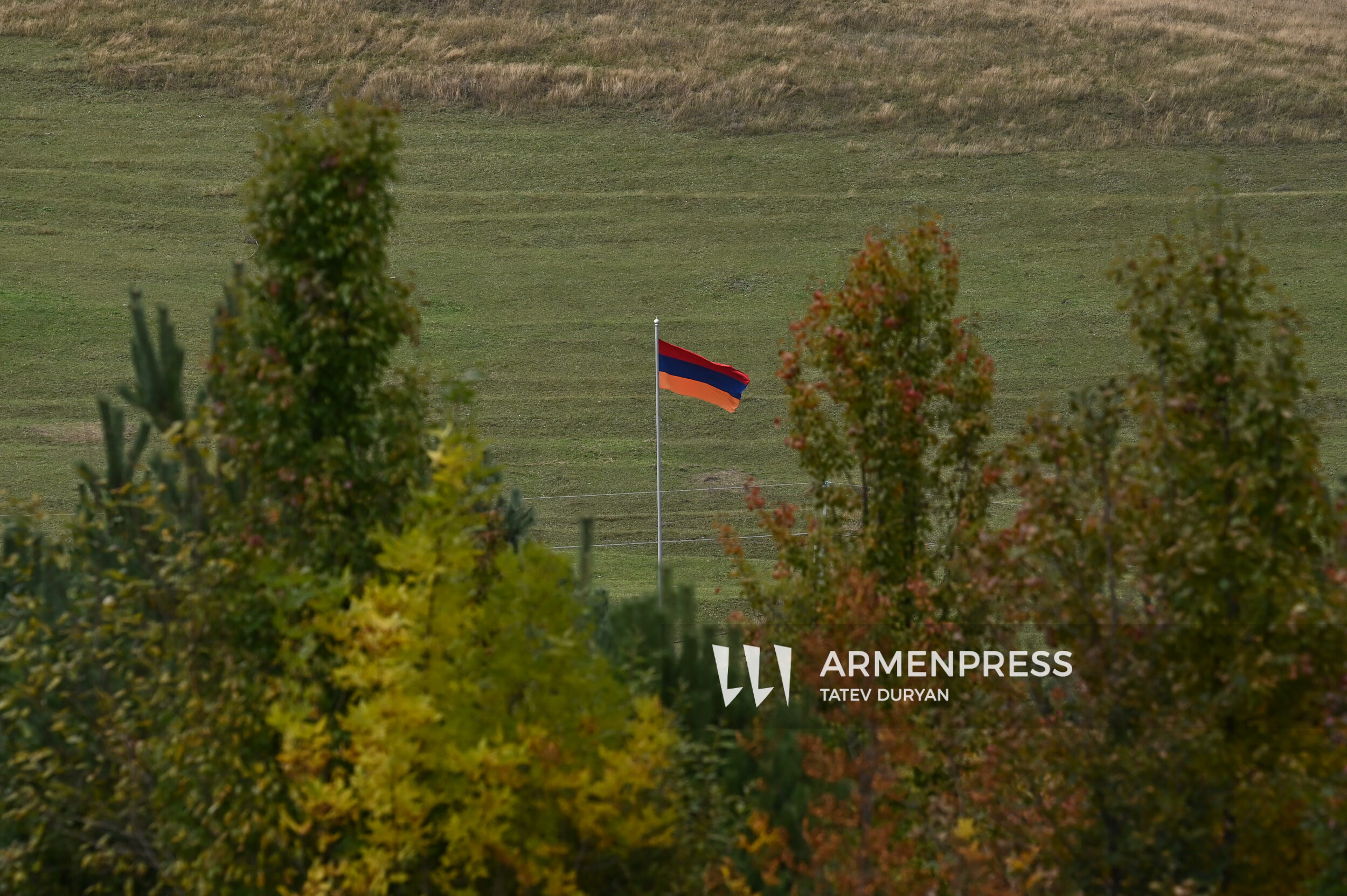
Addressing logging and changes in forest cover, Matsakyan said that, in his assessment, the area of forest restored in Armenia was proportional to the volume of logging. At the same time, he emphasized that the question of which tree species were used to restore those areas was a separate issue.
Addressing fire prevention in forested areas, the specialist said that he had not encountered a naturally caused forest fire in Armenia during his career. According to his observations, the fires had been caused by human activity, in some cases deliberately and in others because people had failed to recognize the risk of a fire spreading.
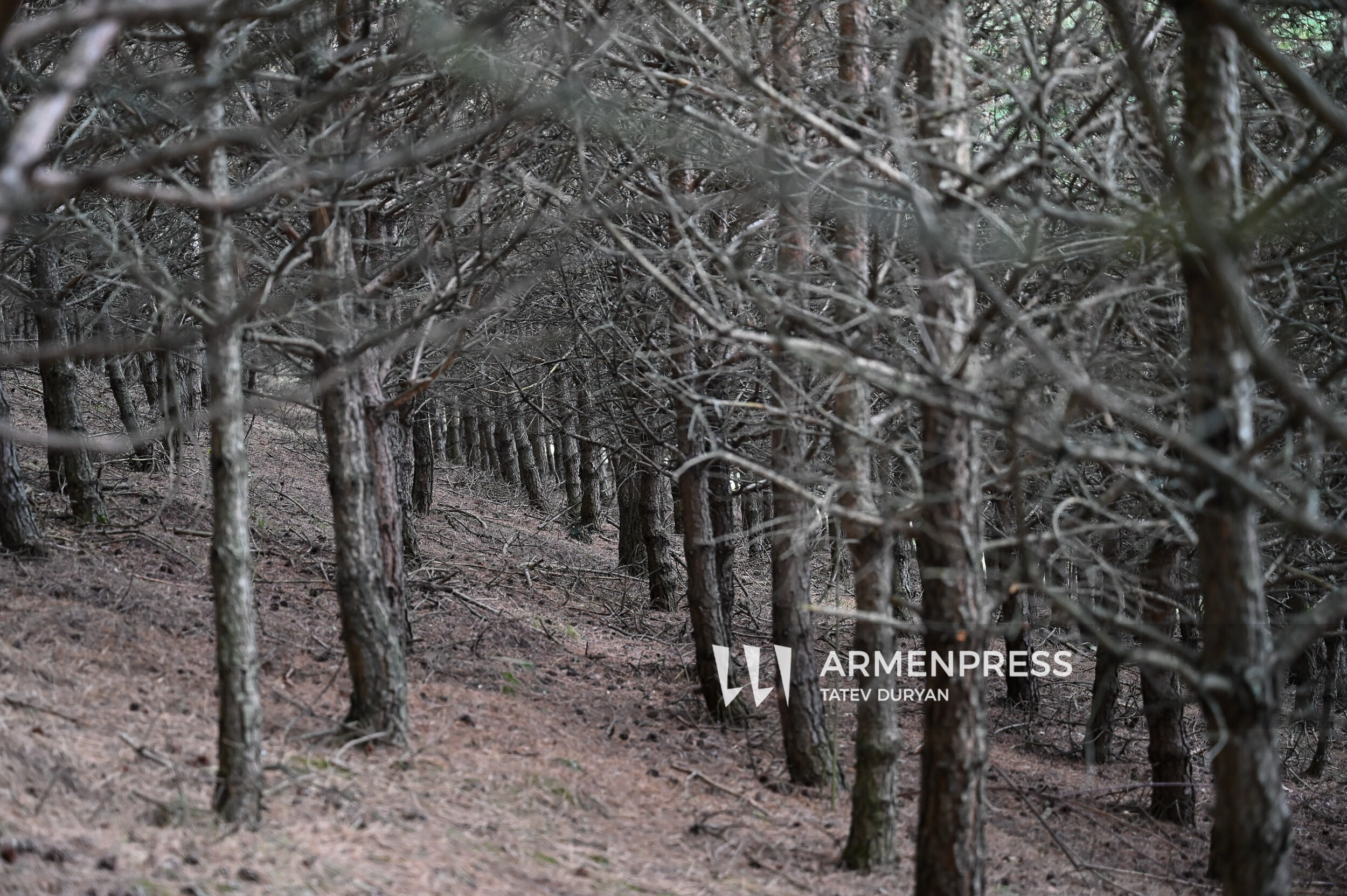
According to him, the foundation pays attention to preventive measures. In particular, protective buffer zones are established outside settlements, while grass cutting and soil mineralization are carried out using tractors.
According to the foundation’s specialists, selecting a suitable area for afforestation is a lengthy process. Since the land belongs to the community, the foundation first examines community residents’ attitudes and opinions. Specialists then assess the area, and once the necessary positive conclusions have been obtained, the community and the organization sign an agreement for gratuitous use.
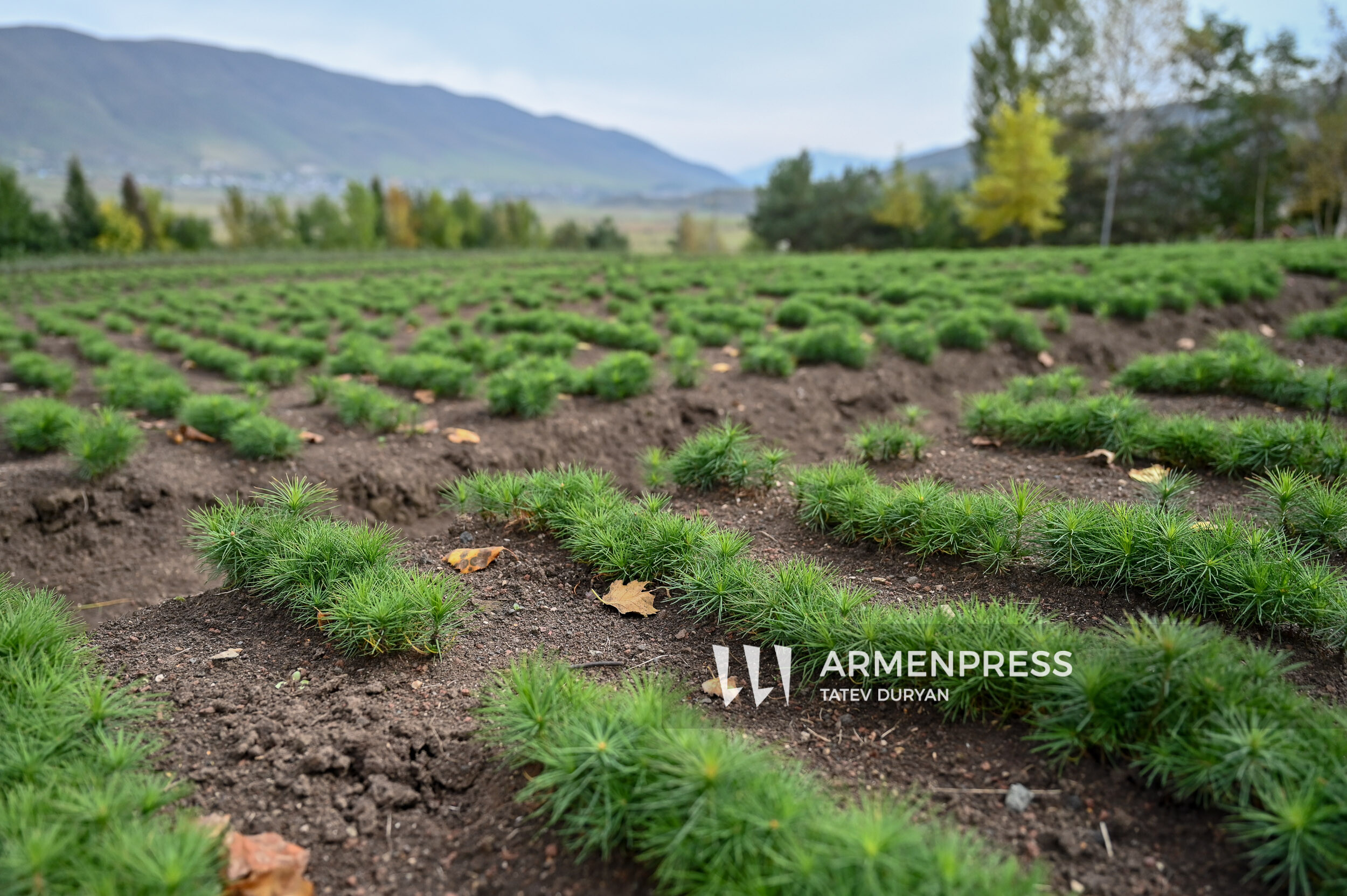
“Selecting an area for afforestation is quite a time-consuming process. We express our willingness to establish a forest. There are communities that take great care of their forests. Our work begins with the attitudes and opinions of community residents, after which various experts assess the area. Once all the necessary positive conclusions have been obtained, the community and the organization sign an agreement for gratuitous use for a specified period. In the case of forests, this period is 20 years,” Matsakyan concluded.