
 363.5
363.5


AUA marks 35th anniversary, sets academic excellence, research and international expansion as next priorities
30 minute read

The American University of Armenia (AUA) is marking its 35th anniversary as it enters a new stage of development. The University’s strategic priorities for the next decade include expanding its academic capacity, strengthening research capacity, introducing new academic programs, deepening international cooperation, and expanding its infrastructure.
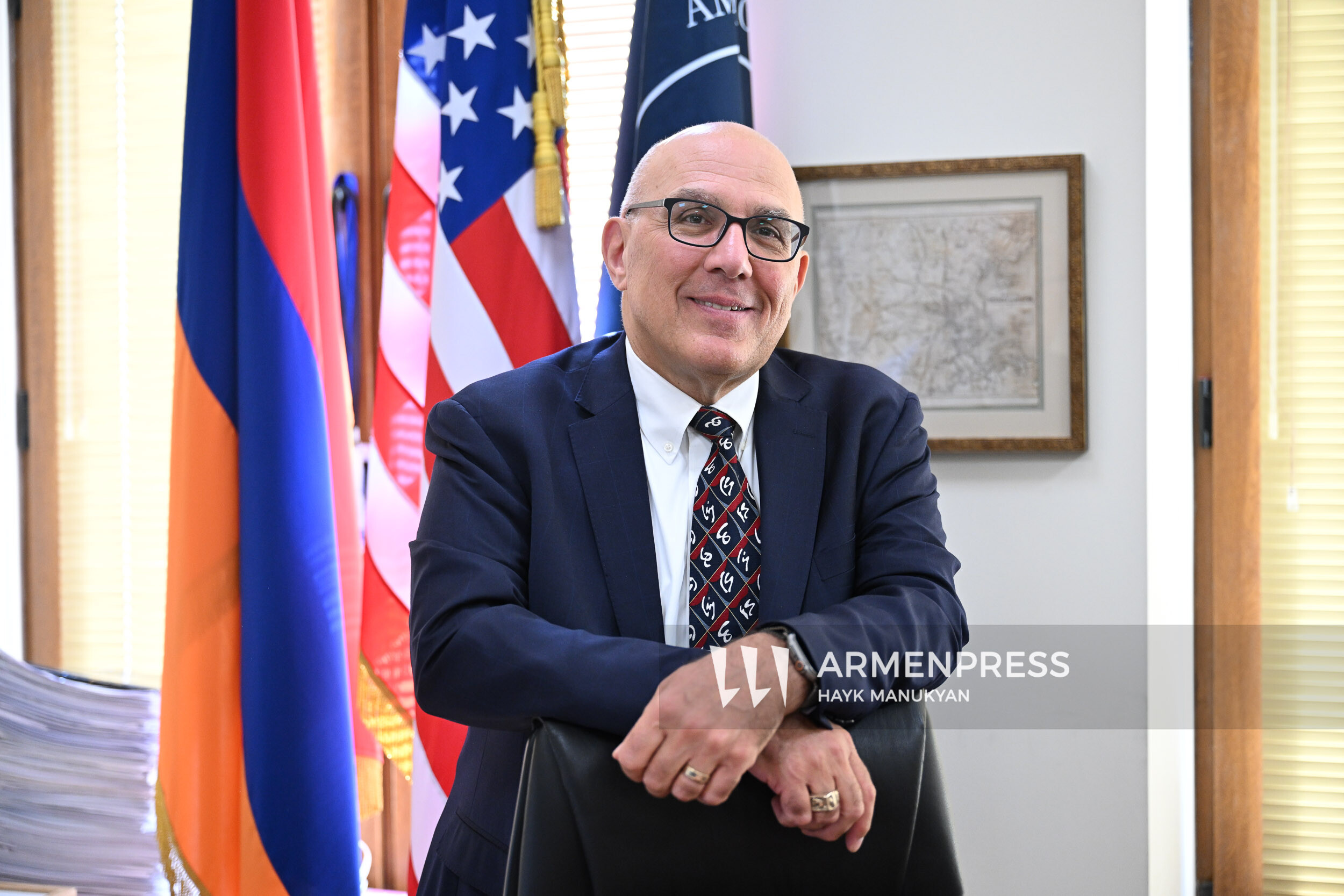
AUA President Dr. Bruce Boghosian says growing demand for an AUA education has already made the construction of new buildings imperative, while in the coming years the University aims to further increase its impact in Armenia and the global academic community.

In an interview with Armenpress, Dr. Bruce Boghosian spoke about AUA’s 35-year journey, the University’s achievements and the challenges it faces, new academic and research directions, international cooperation, opportunities for young people to remain connected to Armenia, and events marking AUA’s 35th anniversary.
Armenpress: Dr. Boghosian, you are now leading the American University of Armenia for a second time-first from 2010 to 2014 and again since 2023. When you returned after nearly a decade, what change stood out to you most? What key achievements underpin AUA’s competitiveness today, and what new challenges did you identify for the university?
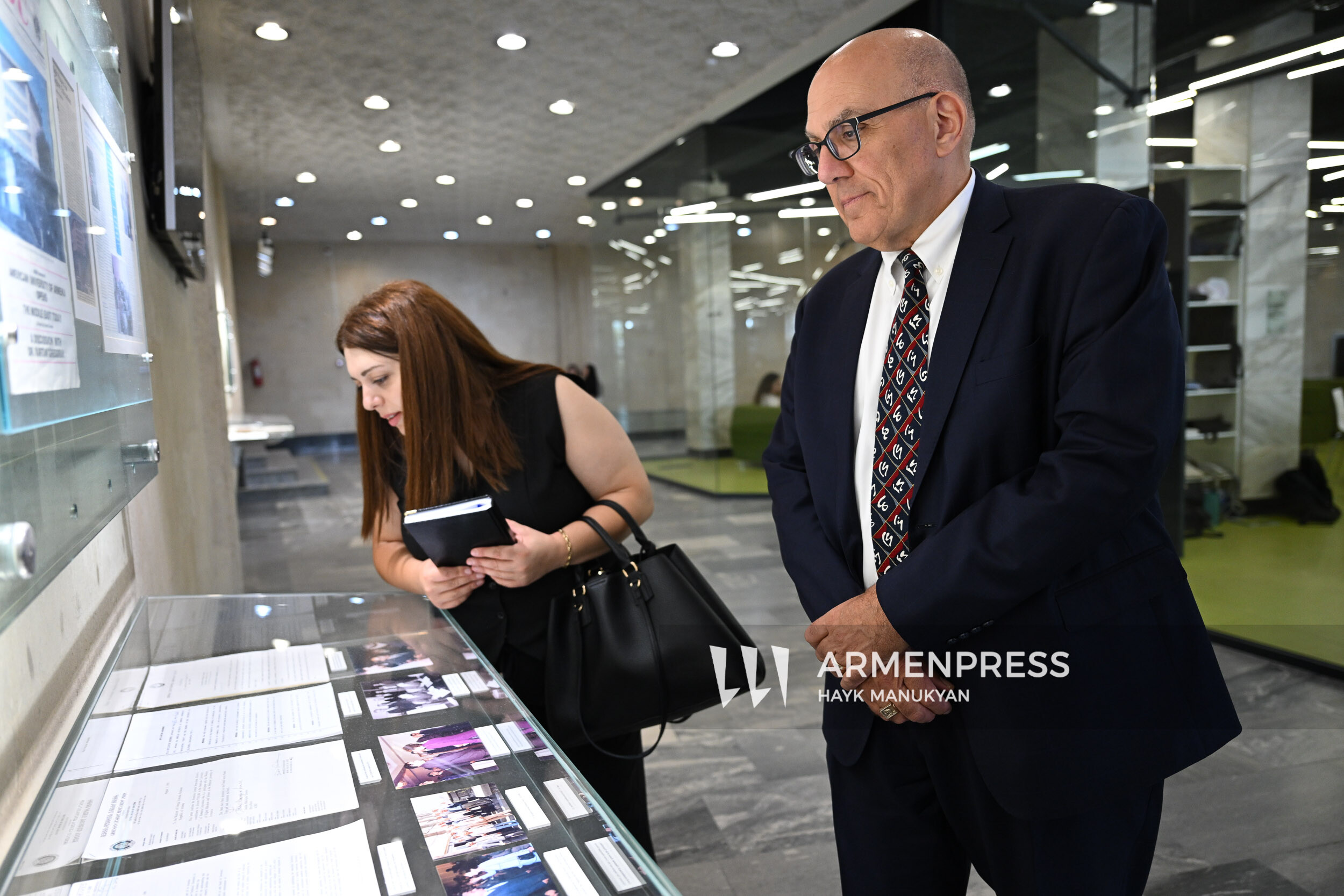
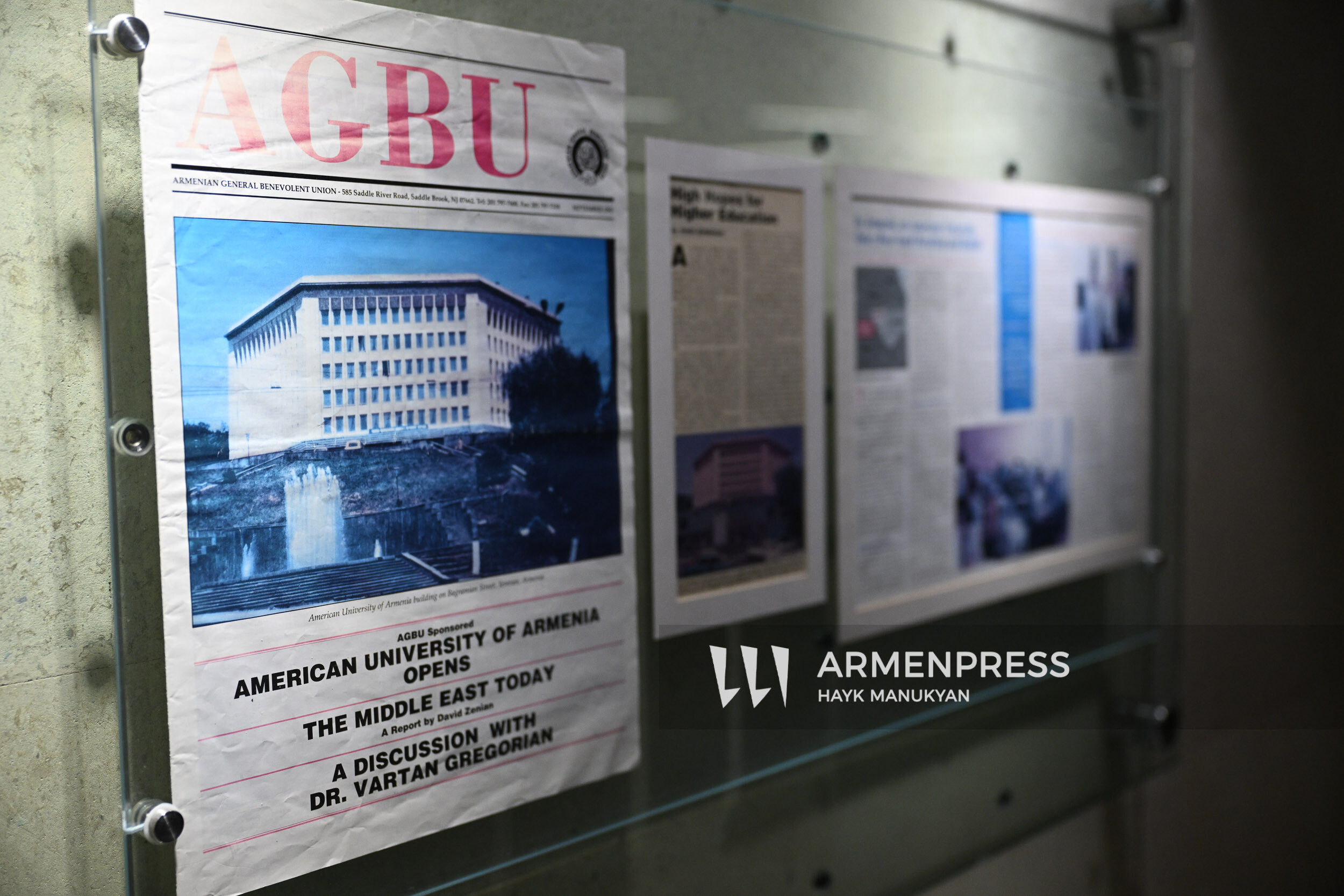
Dr. Boghosian: When I returned to AUA after nearly a decade, I was coming back to a university that had built significantly on the foundation we established during my first presidency. When I served as president from 2010 to 2014, AUA was a much smaller institution, primarily focused on graduate education, with about 400 students. During that period, we launched undergraduate education, which became a major turning point in the University’s development. Today, AUA is a very different university with more than 2,800 students, a broader academic portfolio, stronger institutional capacity, and a much greater presence in Armenia and internationally.
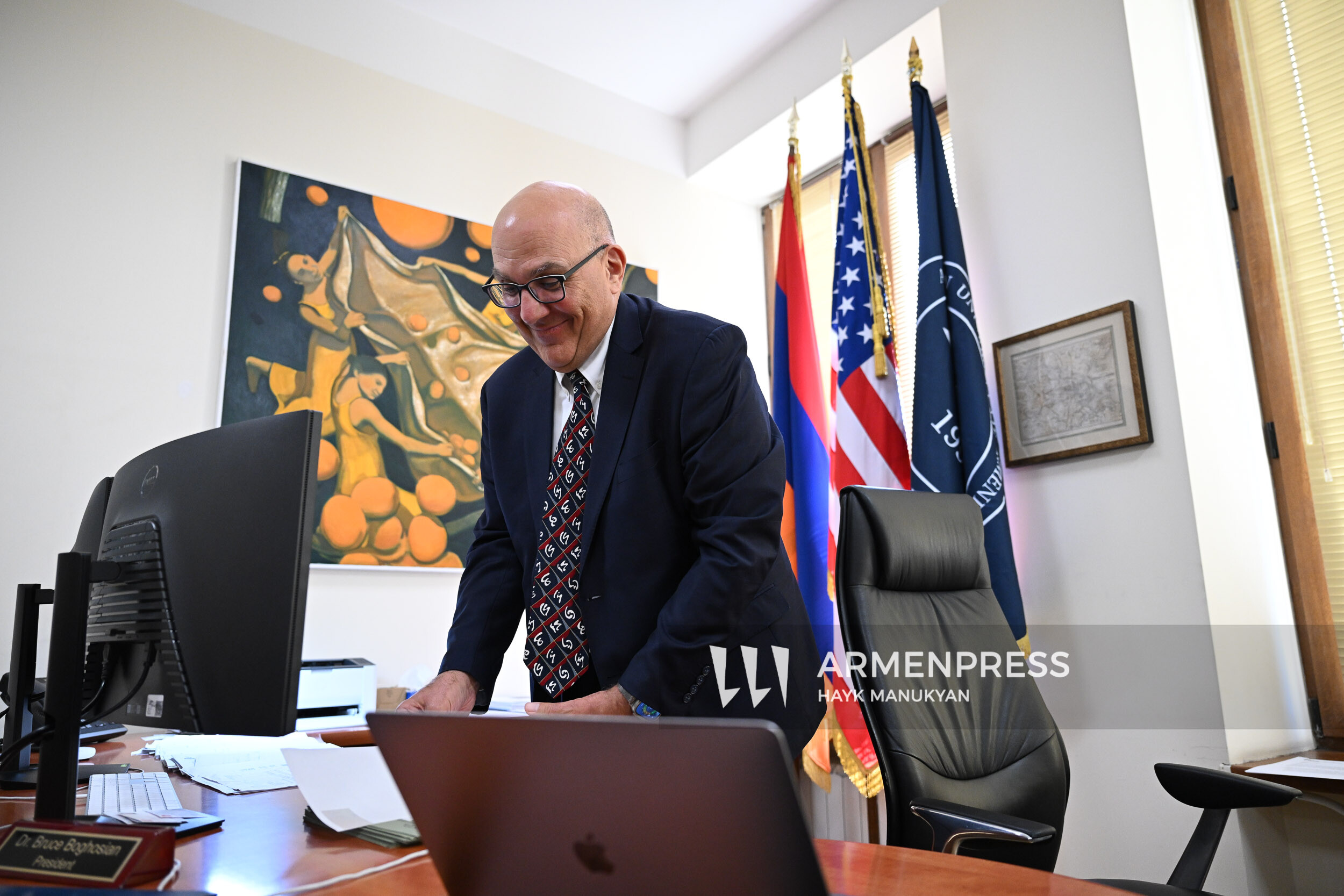
What impressed me most was not only the growth itself, but the fact that the University had maintained the qualities that define AUA while expanding. Our commitment to academic excellence, our U.S. accreditation, our affiliation with the University of California, our culture of transparency and shared governance, and our commitment to making an AUA education accessible through need-blind admissions and financial aid remain central to who we are.
I believe several achievements have positioned AUA to be competitive today. The University has successfully developed academic programs and increased research capacity that respond to Armenia’s evolving needs, while building strong connections with industry and government, expanding its research activities, and attracting talented students and faculty. Our graduates are making significant contributions across sectors, and our research centers are addressing important challenges in areas such as public health, the environment, technology, economics, diplomacy and public policy.
At the same time, returning to AUA also made clear to me that our success has created new challenges. The most immediate challenge is physical capacity. Demand for an AUA education continues to grow. For example, in the admissions cycle for 2020-2021, we received 809 applications, and in 2024-2025, 1,165 applications were received. That number will continue to grow. We are currently unable to accept many qualified applicants simply because we do not have enough classroom space. Expanding our facilities is therefore essential.
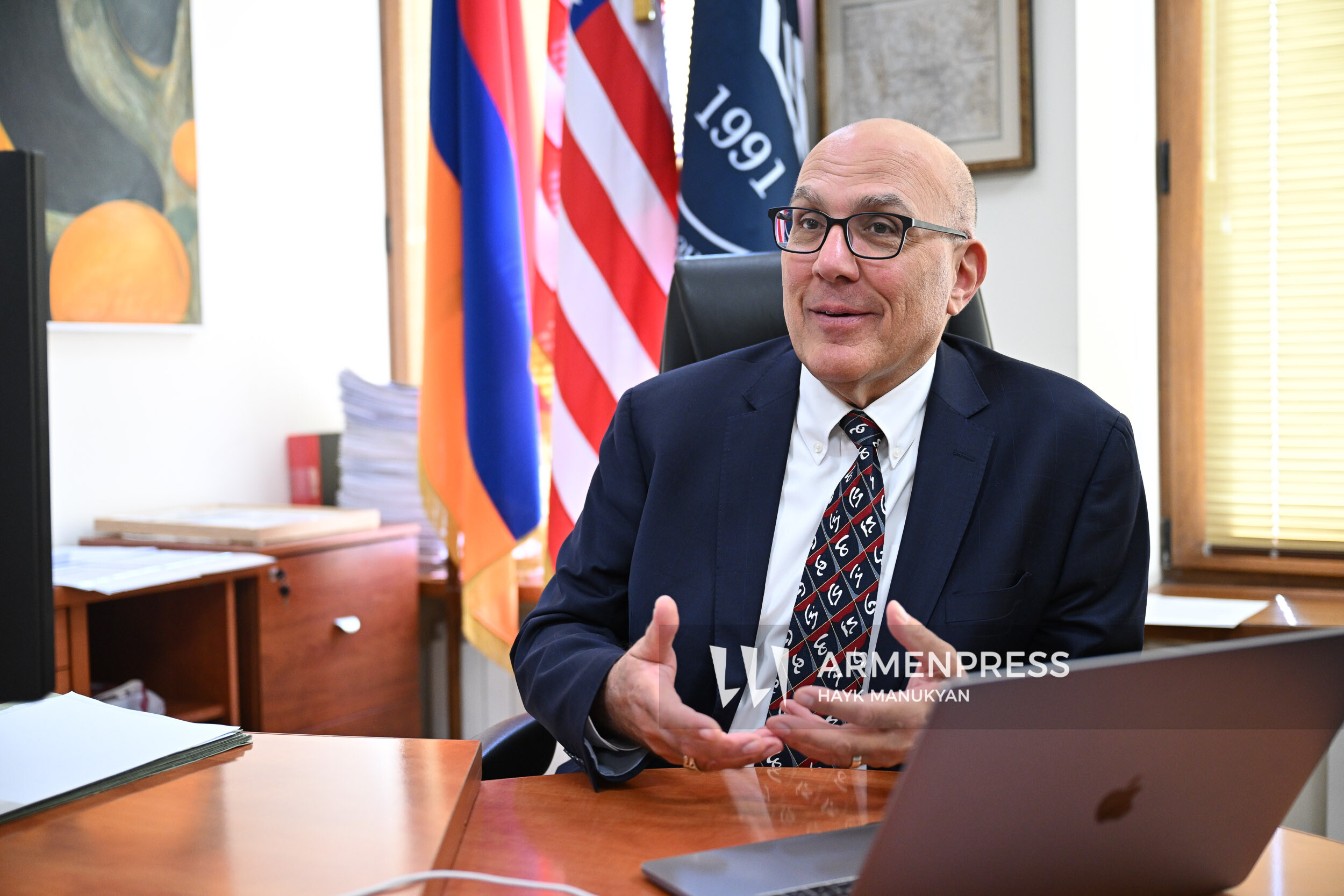
A second major challenge is strengthening our research portfolio and capacity. As we move toward becoming a more research-intensive university, we need to invest further in research infrastructure, laboratory space, and support systems for faculty. This includes attracting and retaining research-active faculty, expanding international collaborations, increasing externally funded research, and laying the groundwork for Ph.D. programs in the near future.
We also need to continue strengthening our international dimension by attracting more international students and faculty, expanding global academic connections, and ensuring that AUA remains a university with a strong international outlook while staying closely connected to the Armenian context. The challenge ahead is not simply to grow, but to grow thoughtfully; we must expand our academic offerings, deepen our research mission, and continue preparing graduates who can contribute to Armenia and the global community.
In many ways, returning to AUA has meant coming back to an institution with the same core mission, but with far greater opportunities and responsibilities. The University is well positioned for its next chapter, and our task now is to build on what has been accomplished, address the challenges ahead, and take AUA to an even higher level of impact.
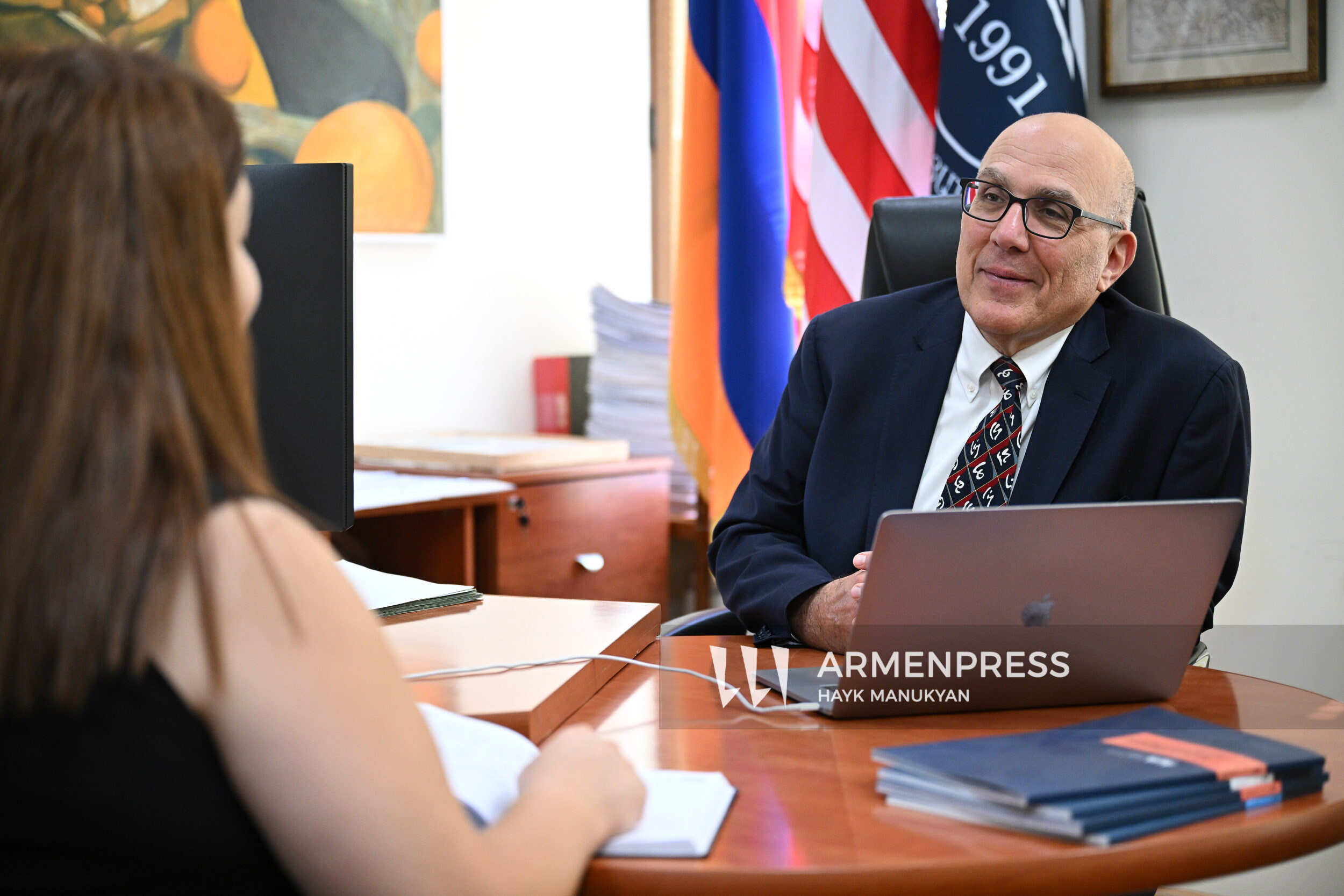
This year, AUA marks its 35th anniversary. Looking back over that journey, what impact has the university had on the development of higher education in Armenia, and what new culture has it helped establish in the country’s education sector?
Over the past 35 years, AUA’s impact has extended beyond educating students. From the beginning, the University was established with a broader mission, namely to help Armenia develop the human capital, institutions, and knowledge systems needed for the country’s future. I believe that one of AUA’s key contributions has been introducing a model of higher education that combines international standards with a strong connection to Armenia. We have sought to foster a culture centered first and foremost on academic excellence, critical thinking, and research, while, at the same time, never wavering on our commitment to transparency, academic freedom, and shared governance.
Perhaps our greatest contribution has been demonstrating that Armenia can have a globally connected university that is firmly rooted in the country, while also preparing its graduates to participate fully in the wider world.
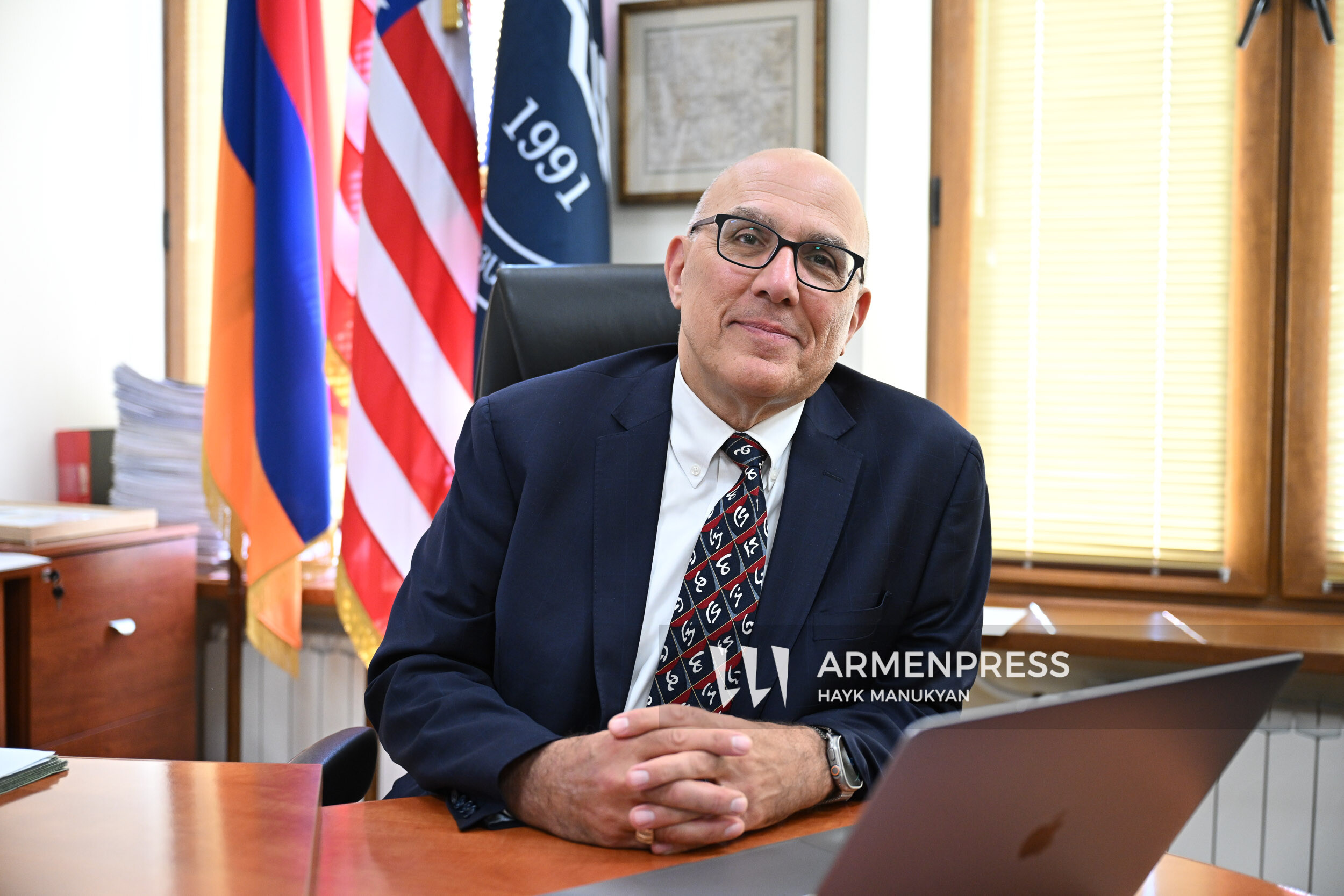
From my vantage point as President, I see an important transformation taking place. Armenia is modernizing its higher education and research system, and its universities including AUA are increasingly developing the expertise needed for a modern economy, in fields such as artificial intelligence, engineering, applied mathematics, entrepreneurship, and public policy.
Most importantly, our students increasingly do not see a choice between building a future in Armenia and participating in the wider world. They expect to do both. That may be one of the most important changes AUA has helped make possible.
For generations, Armenia’s relationship with the outside world was often shaped by the movement of people outward. Today, we are seeing something more dynamic: People, ideas, investment, and technology are moving in both directions. AUA is proud to be a part of that transformation, connecting Armenia to the world and bringing the world closer to Armenia.
How do you envision AUA over the next decade? What are the university’s strategic priorities and main directions for development?
Over the next decade, AUA’s goal is to build on the strong foundation established over the past 35 years, and to have even greater impact onArmenia and the global community. Our Strategic Plan 2024–2034 provides a roadmap for this next stage of development, with a focus on academic excellence, research growth, innovation, and institutional sustainability.
As I mentioned earlier, two of our central priorities are strengthening our academic portfolio and expanding our research capacity. What will be particularly important in the coming years is ensuring that we have the resources, talent, and infrastructure to support that growth.
We are fortunate to have strong philanthropic partners supporting this vision. The Afeyan Family Foundation, for example, has made a long-term commitment to AUA and provides vital funding and research grants that support academic excellence and innovation. We are also advancing research through initiatives such as the JACE Foundation Research Innovation Grant Program and endowed professorships, which help us attract and support outstanding faculty and build research capacity over the long term.
Today, AUA researchers across our colleges and disciplines are generating knowledge that addresses important challenges while contributing to global scholarship. Our research priorities include areas such as artificial intelligence and machine learning, public health and healthcare systems, climate and environmental sustainability, economics, and other fields where research can have meaningful impact.
Our plans also include expanding our physical capacity. Just recently we opened the AUA Triangle Park–Karen Kakosian Gardens adjacent to our campus. The location of the project was provided to the University by the Yerevan Municipality for unrestricted use for 25 years. The vision behind the park was to create a new green space for both the AUA community and residents of Yerevan.
Our planned construction of a new building cluster will allow us to accommodate growing demand for an AUA education, expand laboratory and research spaces, and create new opportunities for students and faculty.
Many AUA alumni now hold leadership positions, have founded successful companies, or play important roles in the public and private sectors. What, in your view, is the university’s formula for preparing leaders and professionals capable of driving change?
I believe our community of more than 8,000 alumni is one of the clearest reflections of AUA’s mission. Their achievements demonstrate the impact of an education that combines professional expertise with critical thinking, ethical awareness, and a commitment to contributing to society.
AUA’s formula for preparing leaders is rooted in providing students with both depth and breadth: strong academic preparation in their chosen fields, complemented by a General Education foundation that develops communication skills, creativity, and the ability to approach complex challenges from multiple perspectives. In today’s rapidly changing world, these qualities are essential for professionals who can adapt, innovate, and lead. You are right: our alumni are making an impact across a wide range of fields: from technology and entrepreneurship to business, healthcare, government, civil society, education, and research. Many have founded and scaled successful companies, while others hold leadership positions in Armenia and internationally, including at organizations such as ServiceTitan, Picsart, NVIDIA, and others. Others are contributing through public service, advancing national policy, strengthening healthcare systems, and building Armenia’s innovation ecosystem. What is particularly meaningful is that many of our graduates remain connected to Armenia and use their expertise to help address the country’s challenges. They embody the idea that education is not only about individual achievement, but also about responsibility and service.
The continued outflow of young people remains a serious concern for Armenia. What role can universities play in encouraging their strongest graduates to build their futures in Armenia?
Universities have an important role to play, but I don’t believe the answer is simply to encourage young people not to leave. Our responsibility is to give them a high-quality education, prepare them for meaningful careers, and create opportunities for them to contribute to Armenia and build a strong economy here so that people are less tempted to seek opportunities elsewhere.
At AUA, 76% of our alumni live in Armenia, and among employed graduates, over 75% work here. We are proud of that, but we also recognize that creating more opportunities is essential. That means connecting students with employers, supporting entrepreneurship and innovation, and giving graduates opportunities to apply their knowledge to real-world challenges through our research, industry, and government partnerships.
At the same time, international experience can be an asset for Armenia. Our goal is to prepare graduates who are globally networked but remain connected to Armenia—whether they build their careers here, return after gaining experience abroad, or contribute through international networks.
What principles guide the development of new academic programs, and how do you assess their relevance to the current and future needs of Armenia’s labor market?
As I mentioned earlier, the Strategic Plan 2024–2034 guides AUA’s academic growth by identifying areas where Armenia will need expertise in the coming years. When we consider a new program, we look at labor market needs and national priorities, but also at where Armenia has distinctive strengths and where we believe the greatest opportunities for the future lie.
Armenia is entering an important period of technological and economic transformation, particularly in areas such as artificial intelligence, advanced engineering, and sustainable energy. The country has a strong tradition in mathematics, engineering, computer science, and technology, along with a growing technology sector, a highly capable diaspora, and increasing access to advanced research infrastructure. These strengths create an important opportunity for Armenia to develop a stronger position in the global AI and technology ecosystem.
Artificial Intelligence is a good example of where AUA can contribute. Our opportunity is to bring together education, interdisciplinary research, innovation, and technology transfer, so that knowledge can move from the university into real-world applications and broader impact.
We see similar opportunities at the intersection of digital technologies and sustainable energy, as well as in fields such as engineering, applied mathematics, economics, and public policy. Our new Bachelor of Science in Economics, for example, builds on our long-standing collaboration with the Central Bank of Armenia and responds to the need for stronger economic expertise. We are also exploring new directions in engineering, including specialized programs in Mechanical and Aerospace Engineering, Electrical Engineering, Artificial Intelligence, and Applied Mathematics. Ultimately, our goal is not simply to add new programs, but to anticipate where Armenia and the global economy are heading and ensure that AUA graduates have the knowledge and skills to be successful in their careers upon graduation.
Interest in AUA continues to grow. You have previously said that expanding the university’s infrastructure has become imperative. What stage have these plans reached, and what changes will the expansion bring to the learning experience?
Yes, indeed, the demand for an AUA education continues to grow, and our current facilities are currently the main factor limiting our ability to accept more students. This is why expanding the University’s infrastructure has become imperative. We are moving forward with plans for a new cluster of buildings on Sose Street, located behind the existing campus. We have been working closely with our architectural partners, MRY Architects in Los Angeles and TF Architects in Yerevan, and have been advancing the planning and coordination process. We have obtained planning permission for the building, and we are preparing to move forward with the next stages of the project.
While construction will take time, this expansion is an important investment in AUA’s future. It will allow us to increase academic capacity, expand laboratory and research spaces, and create an environment that better supports collaboration, innovation, and student learning.
International cooperation is one of AUA’s key strengths. How are current geopolitical developments affecting the university’s international partnerships, academic exchanges, and joint programs?
International cooperation has always been central to AUA’s identity, and we continue to view global engagement as essential to providing a high-quality education. Despite the challenges created by today’s geopolitical environment, AUA continues to expand its international engagement. We actively recruit faculty from around the world, bringing diverse academic expertise and perspectives to our classrooms and research centers. At the same time, we provide our students with opportunities to gain international experience through academic exchanges and study-abroad programs, including partnerships such as those with MIT’s MITSI Program, Worcester Polytechnic Institute (WPI) and Erasmus+ programs. Our academic partnerships also support the development of new programs that bring global expertise to Armenia. A strong example is AUA’s Master of Arts in Multiplatform Journalism (MAMJ), developed with U.S. support and in collaboration with the Edward R. Murrow College of Communication at Washington State University. Starting September 14, the program’s first cohort will begin their practicum experience in the United States, providing students with valuable exposure to global journalism practices.
Similarly, AUA’s College of Health Sciences has established connections with UCLA’s Fielding School of Public Health, and our Bachelor of Science in Nursing program has a partnership with UCLA’s School of Nursing. These collaborations help strengthen curriculum development and opportunities for students to engage with international best practices. Our research partnerships have also continued to grow. AUA faculty are engaged in international collaborations through initiatives such as Horizon Europe-funded projects, including the Center for Ethics in Public Affairs (ETICA) as well as the STREACS project led by AUA’s Acopian Center for the Environment. These partnerships connect Armenian researchers with global academic networks and contribute to addressing challenges that extend beyond national borders.
While geopolitical realities require us to navigate new challenges, they also reinforce the importance of AUA’s role as a bridge between Armenia and the world, bringing global knowledge and opportunities to Armenia while sharing Armenian expertise and innovation internationally.
AUA aims to increase the number of international students, including students of non-Armenian background. What steps are you taking to strengthen the university’s international appeal and raise Armenia’s profile as an education destination?
Yes. Strengthening AUA’s global engagement is important. Currently international students make up to around 10% of the student population, and we aim to increase this number in the coming years.
To achieve this, we are expanding international partnerships and exchange opportunities, and continuing to attract outstanding faculty from around the world. At the same time, we recognize that increasing international enrollment requires addressing important practical considerations, including student housing, faculty accommodation, and visa processes. Our goal is not only to increase enrollment numbers, but to build a diverse academic community where students from Armenia and around the world learn from one another and contribute to Armenia’s development as a hub for education, innovation, and research.

What new academic programs, research initiatives, or innovation projects are planned for the coming years, and how will they contribute to the development of Armenia’s scientific and technological capacity?
Armenia is modernizing its higher education and research system, while its universities, including AUA, are developing programs in artificial intelligence, engineering, applied mathematics, entrepreneurship, public policy and other fields essential to a modern economy.
As for research initiatives and innovation projects, a major focus of AUA’s Strategic Plan 2024-2034 is strengthening our research capacity and creating an environment where innovation can thrive.
An important step in this direction was the establishment of the Office of Sponsored Programs and Technology Transfer. The Office has already supported AUA’s first patent application.
We are also expanding our research portfolio through the Horizon Europe-funded Center for Ethics in Public Affairs and its new FORESEE project, which explores how artificial intelligence can be developed and evaluated in ways that are trustworthy and beneficial for society.
As AUA celebrates its 35th anniversary, what inspires you most when you reflect on the university’s journey, and what advice would you offer young people who are now deciding where and what to study?
Looking back on AUA’s 35-year journey, what inspires me most is seeing how AUA has grown from a bold vision at a critical moment in Armenia’s history into a university that educates leaders and contributes to the country’s development. I am proud of how far we have come as an academic institution. My advice to young people would be: Choose a field of study and learn the fundamentals of that field. Learn them well. While you are learning, do not outsource your thinking skills to AI. Once you have mastered the topic, AI will probably be of help to you, and that is fine, but please remember that there is no substitute for your human brain – one of the most remarkable objects in the universe. Creative work is more than just obtaining answers; it is exploring the logic, beauty, and harmony of nature and our place in it. Allow yourselves to experience the feeling of the creative process and of discovery, no matter your field of specialization.
What events are planned as part of the anniversary year, and what message would you like to share with AUA’s alumni, students, and partners?
We are marking AUA’s 35th anniversary with celebrations that bring together the University’s community in Armenia and abroad. The AUA 35th Anniversary Celebration and Concert will take place on September 25 at the Aram Khachaturian Concert Hall in Yerevan, featuring a special program and a performance by the Armenian National Philharmonic Orchestra, followed by a reception.
The celebrations will continue with the AUA 35th Anniversary Gala on November 7 in Beverly Hills, California, bringing together our supporters, alumni, and partners from across the Armenian diaspora to celebrate AUA’s 35-year legacy of creating opportunities, advancing education, and preparing the next generation of leaders.
My message to the AUA community is: You are part of an institution that has worked to shape leaders and bring about positive change in Armenia for the last 35 years, but the most exciting opportunities are those immediately ahead of us. Armenia now has a rapidly growing economy. Our business and tech sectors are thriving. Our connections to the rest of the world are growing in number and importance. Opportunities here are substantially greater than those in far larger countries. So, please stay here (or return here) and contribute to the growth of a strong and independent nation.