
 363.34


Armenia to update Red Book of Animals based on latest scientific data
10 minute read

The development of scientific data on Armenia’s fauna in recent years has made it necessary to review and update the national Red Book of Animals, the list of animal species considered to be threatened or otherwise in need of special conservation attention.
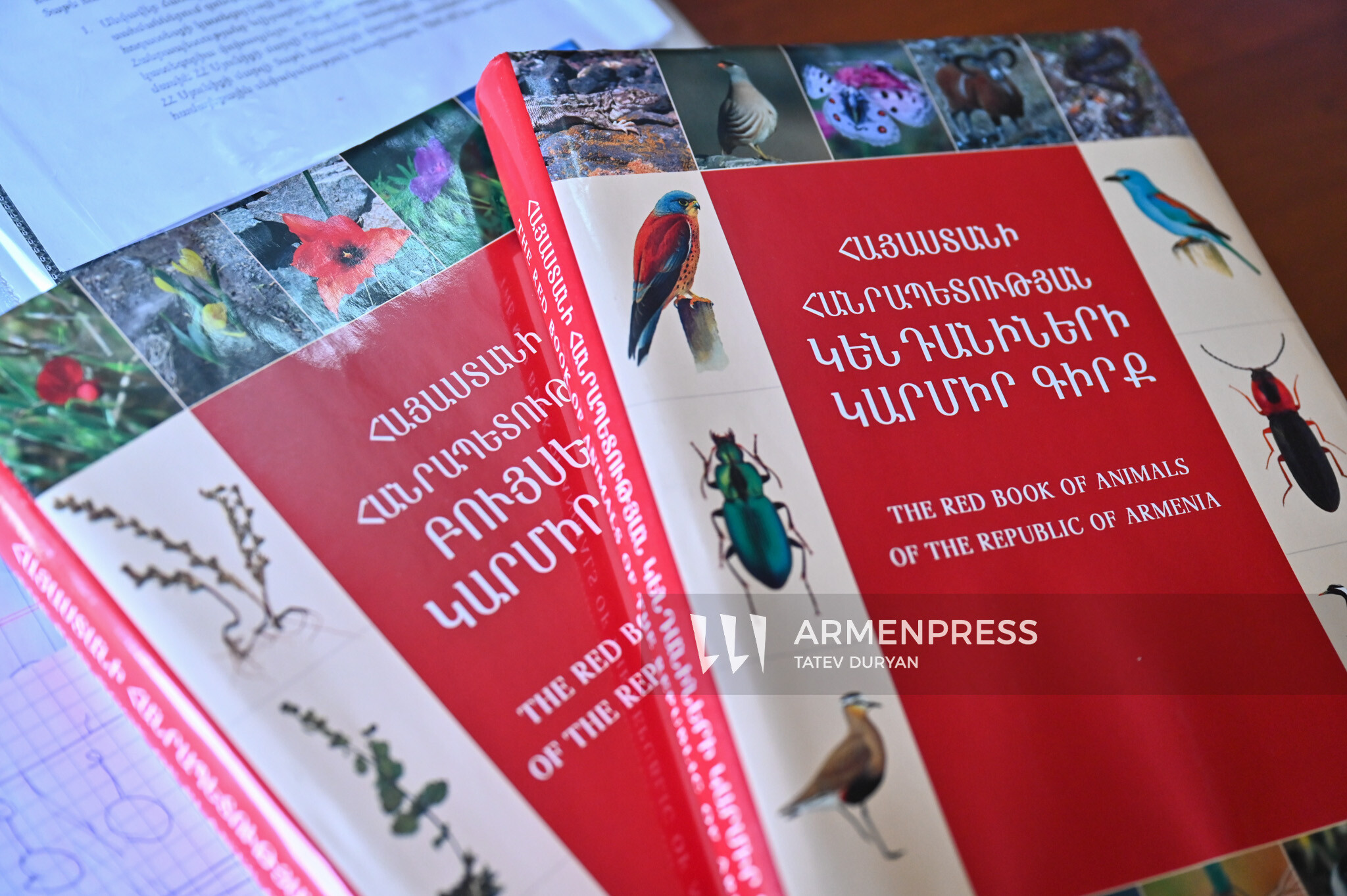
Scientists now propose carrying out the work based on modern scientific methods and the criteria of the International Union for Conservation of Nature (IUCN) Red List, while also supplementing data on species that were previously unstudied or insufficiently studied.
At the Scientific Center of Zoology and Hydroecology of the National Academy of Sciences of the Republic of Armenia, Armenia’s fauna and the qualitative and quantitative composition of hydrobionts are studied using traditional and modern biological research methods. Their current status is assessed, as are existing and potential threats. During their research, the Center’s scientists continuously collect information on species in need of protection and participate in the work to review and update the Red Book of Animals of the Republic of Armenia.
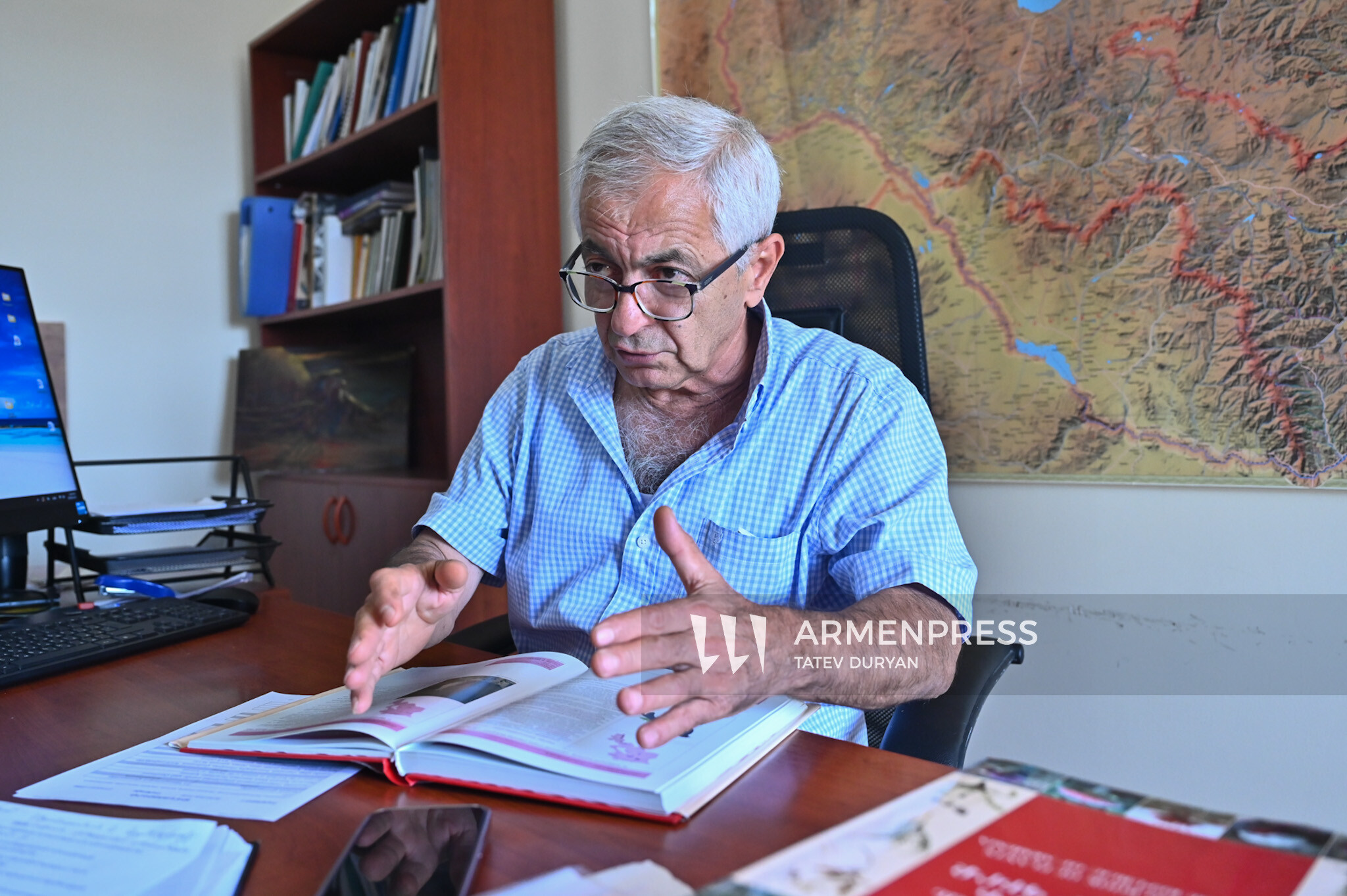
According to Aram Aghasyan, a senior researcher at the Scientific Center of Zoology and Hydroecology, the Center has submitted a project to update the Red Book to the Higher Education and Science Committee.
“The aim of the project is to review and update the Red Book of Animals of the Republic of Armenia based on current scientific data and the latest criteria of the International Union for Conservation of Nature’s Red List,” Aghasyan told Armenpress.
According to him, the project envisages collecting and analyzing information obtained from scientific publications, monitoring programs and existing databases. At the same time, targeted field studies will be conducted in various areas rich in biodiversity in Armenia to obtain up-to-date data on species distribution, the condition of populations and threats.
“Particular attention is planned to be paid to insufficiently studied and endemic species, especially invertebrates. As a result of the project, it is planned to create a unified GIS-based database, prepare species distribution maps and assess their national conservation status. Based on the results obtained, scientifically substantiated recommendations will be prepared for updating the Red Book and improving conservation measures. The project results will contribute to biodiversity conservation planning, the development of environmental policy and the fulfillment of Armenia’s international obligations, ensuring the long-term conservation of the country’s fauna. It is also planned to submit recommendations for including Armenian species in the IUCN Red List,” he said.
The Red Book needs to be updated regularly
According to Aghasyan, the preparation of the current Red Book of Animals of the Republic of Armenia was carried out based on data available from 2007 to 2009 and new field studies, and it was approved by Government of the Republic of Armenia Decision No. 71-N of January 29, 2010, while the book was published in November 2010.
It includes 155 species of invertebrates and 153 species of vertebrates.
“The Red Book should be updated at least once every ten years. It has now become necessary to review it,” he said.
According to him, zoologists from different scientific fields should be involved in the work to develop the new Red Book.
“The applications we submitted to the Science Committee related to updating the Red Book are at the discussion stage. If approved, the actual work is planned to be carried out over approximately five years,” Aghasyan said.
According to him, approximately 80 million drams per year is needed to develop the Red Book of Animals, for mapping, collecting materials, conducting field studies and organizing expeditions. The issue of including species in the Red Book is decided by the relevant professional commission based on scientific data and international standards. Under IUCN criteria, species can be classified, in particular, as extinct, critically endangered, endangered or vulnerable.
Species considered extinct reappear
New scientific data can sometimes also change previous perceptions regarding the status of a species. According to Aghasyan, for example, the Pallas’s cat had not been recorded in Armenia since the 1950s, while the hyena was considered extinct in the region, but new data on its presence have been obtained in recent years.
“With the development of science, especially among invertebrates, there is not a year when new species are not described. There are species that have only recently been discovered in the region, and they are being analyzed, while the extent of their distribution is being clarified,” he said.
The specialist also gave the Urartian ratsnake as an example. Aram Aghasyan, a herpetologist by profession, noted that taxonomic studies of the species previously known as the four-lined ratsnake allowed scientists to describe a species new to science, the Urartian ratsnake. It is considered endemic to the Caucasus and, according to the specialist, is planned to be included in the new Red Book.
Not all species may retain their Red Book status
New data may lead not only to the inclusion of new species, but also to the removal of certain species from the Red Book. Aghasyan cited the great cormorant as an example, saying that its populations in Lake Sevan have increased significantly and that today it may cause problems for fish farming. Previously, however, the species was uncommon and was therefore included in the Red Book.
The specialist also emphasized that there is a significant difference between the Red Books of the 1980s and 2010. While the first editions presented only vertebrate animals, the 2010 Red Book also included invertebrates, particularly representatives of insects and mollusks. At the same time, a number of groups of invertebrates have still not been sufficiently studied.
“The 2010 Red Book does not include, for example, arachnids. The reason is that we did not have the relevant specialists and the necessary studies had not been conducted. If necessary, there may also be a need to invite specialists from abroad,” Aghasyan said.
According to him, during the preparation of the 2010 Red Book, for example, a scientist invited from abroad participated in the study of nocturnal moths.
Otter study provides new data
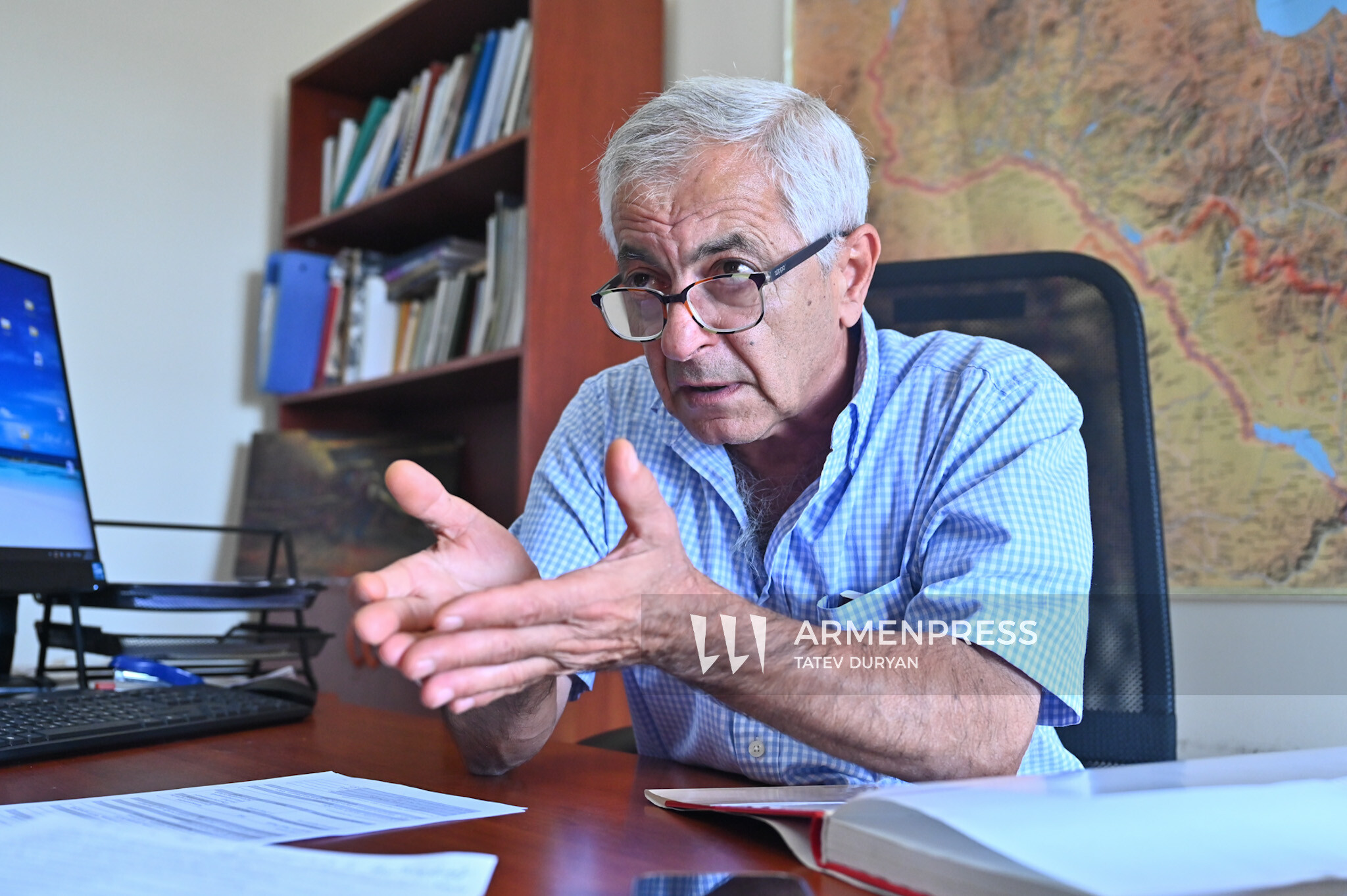
The Center’s specialists are also currently studying species included in the Red Book. One such species is the otter, on which the Center’s specialists have collected data.
“All the data will be collected, we will fill in the gaps and plan the work,” Aghasyan said.
He also noted that WWF-Armenia, with funding from the German development bank, is implementing a major program focused on biodiversity and specially protected natural areas, within which the work on updating and reviewing the Red Book is also planned to be addressed.
Beyond the Red Book: territorial protection of biodiversity
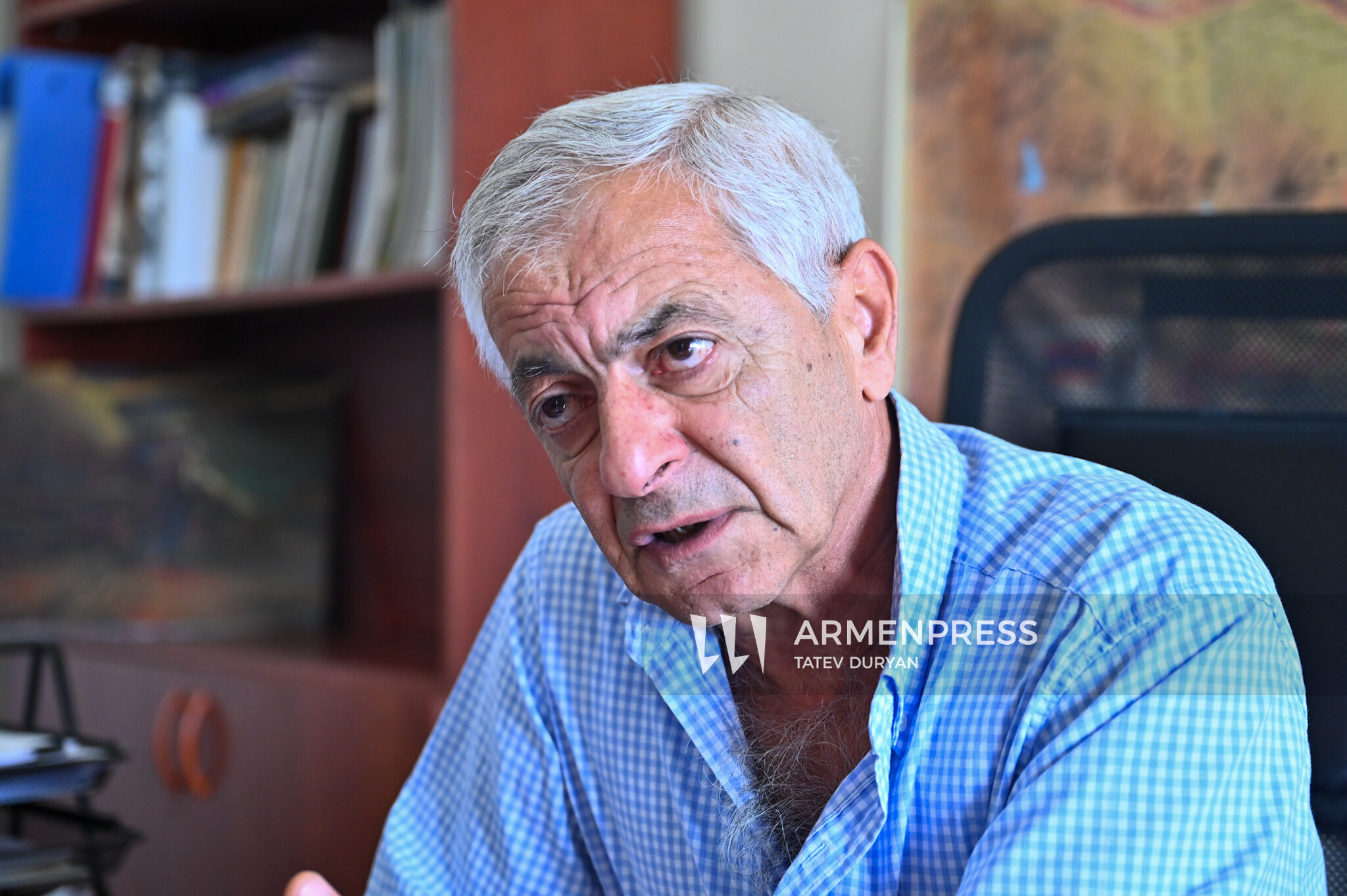
According to the specialist, the protection of fauna is not limited to including species in the Red Book, which is essentially a normative conservation measure. The protection of their natural habitats is also important. According to Aghasyan, analyses carried out at present show that about 60% of Armenia’s biodiversity species are included in the territorial protection system.
Specially protected natural areas in Armenia currently occupy about 13.1% of the country’s territory. According to the specialist, the system is planned to be expanded, including through the creation of new national parks and the expansion of the boundaries of existing specially protected areas. In particular, the creation of Jermuk and Tatev national parks is planned.
According to specialists, the development of a new version of the Red Book will make it possible not only to reassess the conservation status of Armenia’s fauna, but also to establish a scientifically grounded basis for environmental policy and biodiversity conservation programs in the coming years.