
 363.44


In China's mountains, nine-year lilies bloom alongside rural revival
6 minute read

While China’s enormous economy and advanced mega-cities reflect many characteristics of a developed country, it is officially classified as a developing nation despite being the world’s second-largest economy.
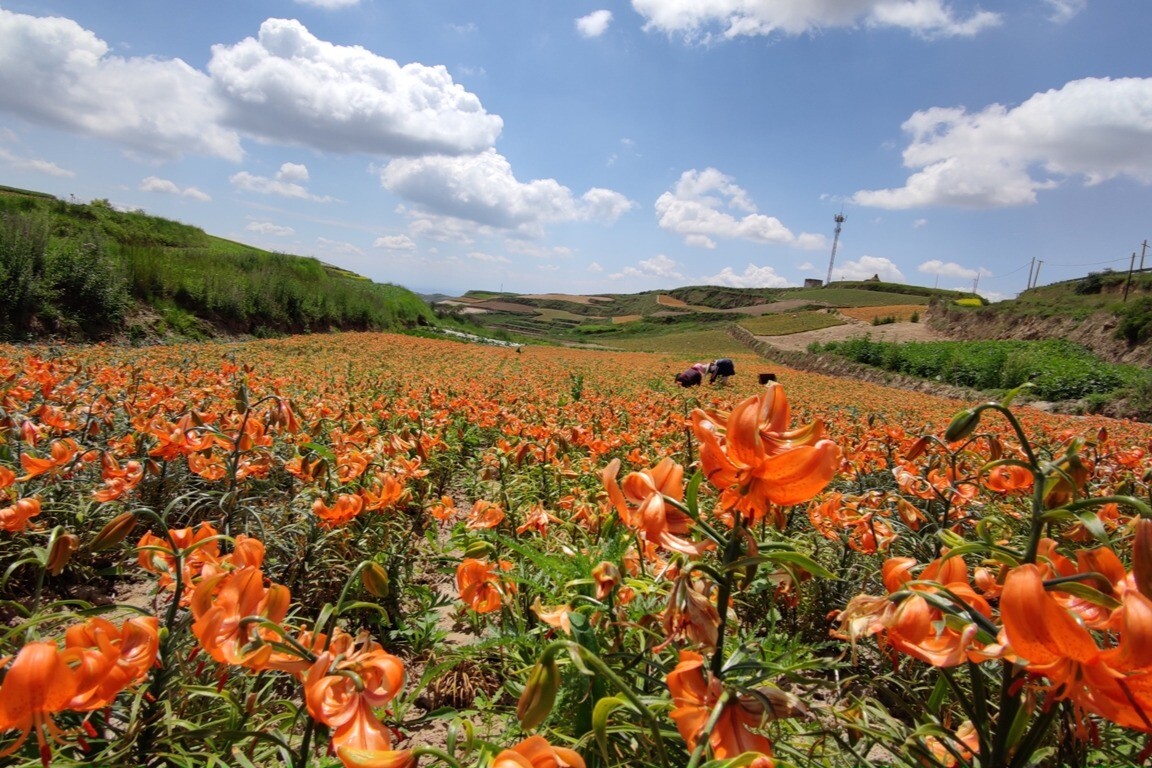
Some parts of the country, especially rural communities in landlocked provinces, have been the focus of targeted poverty alleviation campaigns and rural revitalization projects.
The Chinese government has introduced various modernization initiatives in villages, with the primary goal of improving the standard of living in local communities.
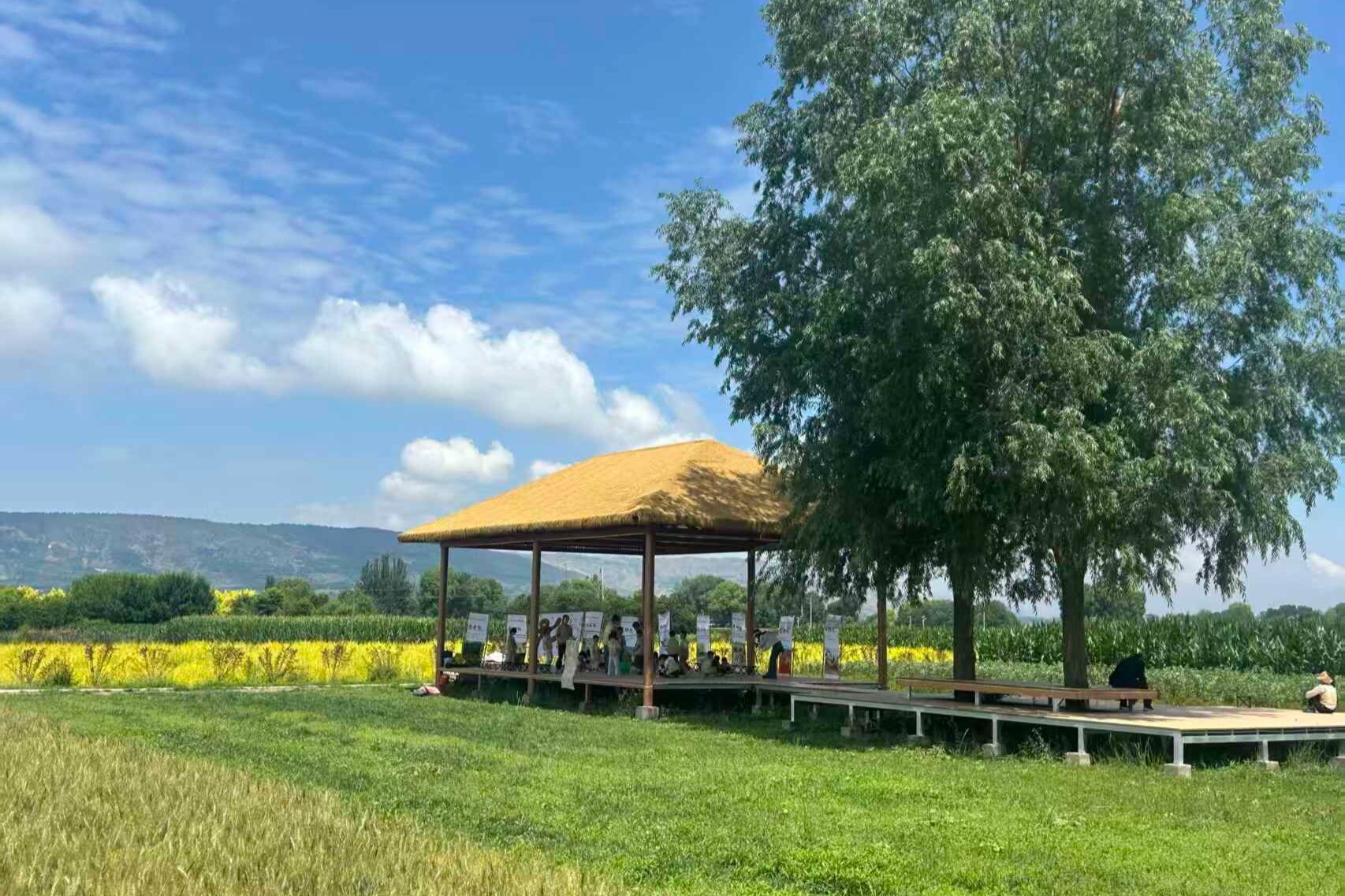
Shuiqu, a serene mountainous village in Lintao County, Gansu Province, is a rural revitalization success story.
The village has diversified beyond traditional farming by developing tourism and cultural industries, using government coordination and market-oriented management to create jobs, increase incomes, and strengthen the local economy.
Shuiqu Village benefits from convenient transportation and a beautiful ecological environment. The village has 332 permanent households with a total population of 1,394 residents and 89.3 hectares of arable land.
In recent years, Shuiqu Village has transformed its economy by moving beyond traditional agriculture. Taking advantage of its clean environment, scenic landscapes, and locally grown fruits and vegetables, the village has combined agriculture, culture, and tourism to create new sources of income. At the center of this effort is the Longshang Bali Xiangsu brand, which aims to attract visitors while preserving the village’s rural character and improving local livelihoods.
In 2025, the village introduced a partnership model that brought together the local Communist Party branch, the village collective, cooperatives, and farmers. A town-owned agricultural investment company helped manage the project using market-oriented business practices. This approach has produced significant results. The village now welcomes more than 8,000 visitors each year, provides jobs for more than 60 local residents, and has increased villagers’ income by more than 1 million yuan (approximately USD 150,000). The village collective also earns more than 500,000 yuan annually, with tourism and related activities contributing nearly half of its revenue. Together, these initiatives have made tourism and rural industries a major driver of the village’s economic development.
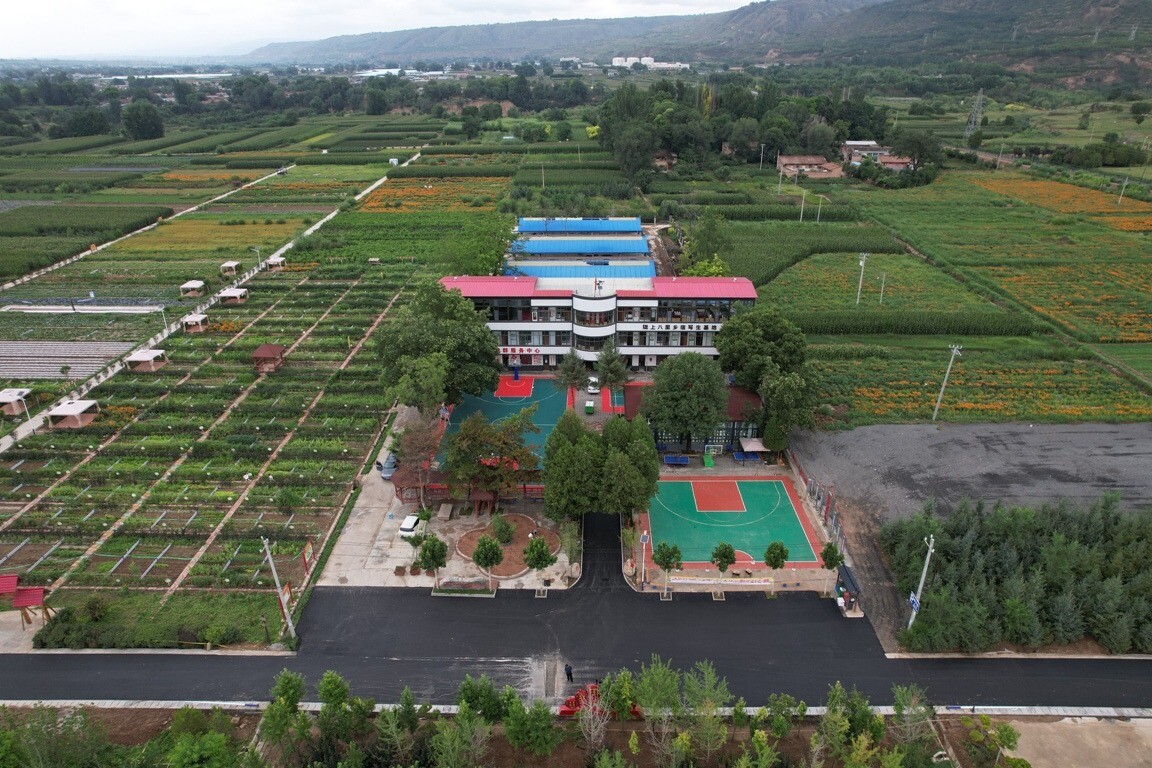
So how does the project work? Instead of treating the village solely as a place for farming, local authorities transformed it into a tourism destination where visitors can experience rural life firsthand.
“Many people living in cities come here on weekends or holidays to enjoy the peaceful natural environment,” a local official told Armenpress. “The fresh air, beautiful mountain scenery, and locally grown fruits and vegetables attract many tourists.”
One of the project's most notable features is the Shared Vegetable Garden. It allows visitors from urban areas to rent small plots of farmland, where they can grow, harvest, and enjoy fresh fruits and vegetables while experiencing rural life. Visitors can participate in farming activities themselves or simply enjoy the produce grown on their rented plots.
“People living in cities enjoy coming here because they get tired of the fast pace of urban life and want to relax and reconnect with nature,” a local guide said.
The village offers a full range of amenities designed to make it an ideal weekend getaway for nearby urban residents and tourists.
“Absolutely no chemicals are used in growing the produce here,” a local official said, pointing to the village's fertile agricultural land.
The village grows a wide range of produce, including corn, potatoes, and tomatoes, as well as the renowned Lanzhou lily, which is widely used in both traditional Chinese medicine and Chinese cuisine.
The Lanzhou lily is China's only edible sweet lily variety, renowned for its jade-white bulbs, lack of bitterness, and unusually long nine-year growing cycle.
It is cultivated exclusively in the high-altitude mountains surrounding Lanzhou in Gansu Province. The lily bulbs are starchy and edible and are widely used in soups, salads, and other dishes. They are also made into a popular refreshing beverage valued for their perceived health benefits. The product is highly prized across China and abroad, and local officials are seeking to expand exports.
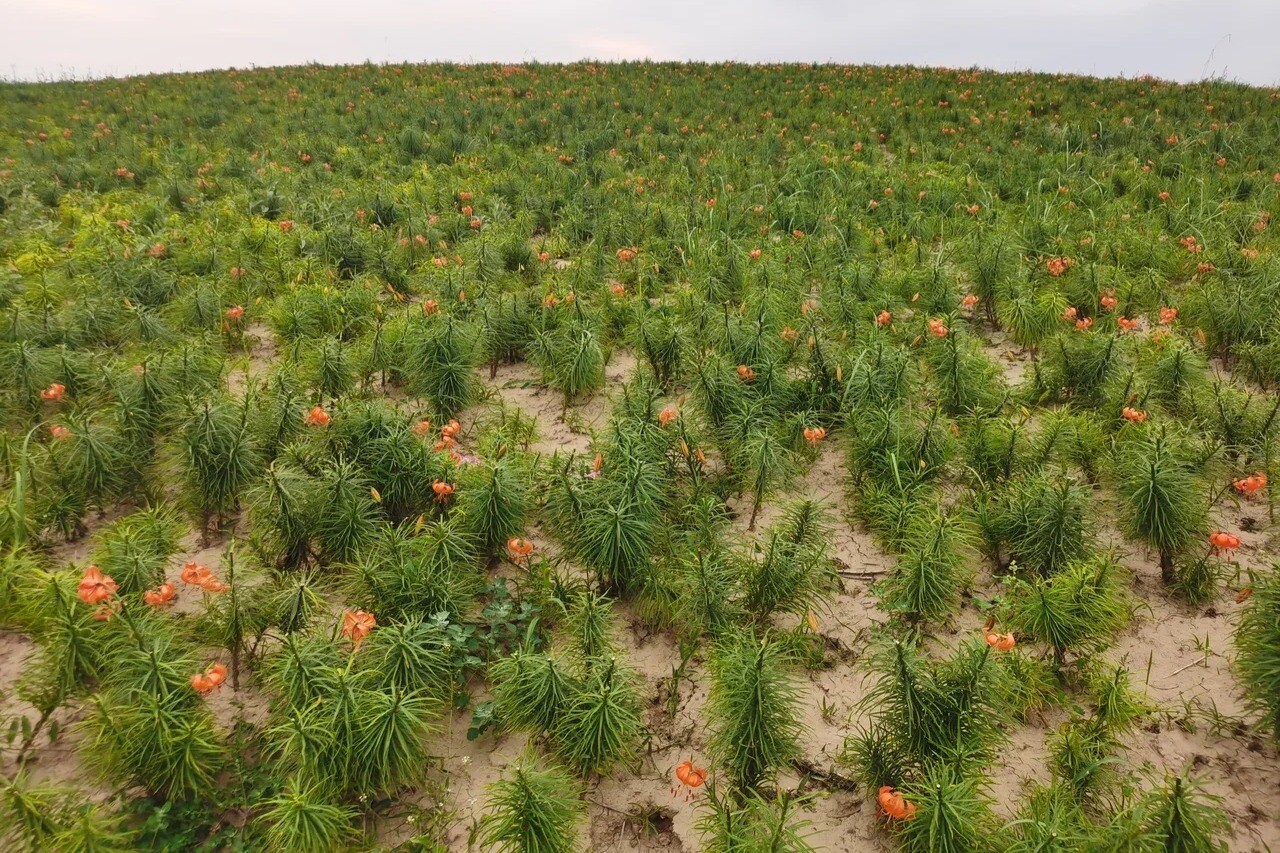
Shuiqu Village is only one of many examples of successful development projects across Gansu Province, where the Chinese government's push for rural modernization, industrial transformation, tourism growth, and economic development has transformed villages into new centers of opportunity.