
 361.4
361.4


Executive Secretary Dr. Robert Floyd commends Armenia’s contribution to advancing CTBTO’s mission
10 minute read

Executive Secretary of the Comprehensive Nuclear-Test-Ban Treaty Organization (CTBTO) Dr. Robert Floyd has praised the high-level cooperation with Armenia.
In an interview with Armenpress during his visit to Armenia, Dr. Robert Floyd emphasized that he highly appreciates Armenia’s contribution to achieving the goal of a world free of nuclear tests and nuclear weapons.
Armenpress - Mr. Floyd, what is the purpose of your visit to Armenia?
Dr. Robert Floyd - Visiting Armenia is a wonderful opportunity. Armenia is one of the 187 countries that are part of our organization, and I am here to express my gratitude. We are thankful to the Government of Armenia and the country’s technical experts for their commitment to the Comprehensive Nuclear-Test-Ban Treaty and to the work of the organization I lead.
One of our monitoring stations, which is part of the global network, is located in Armenia. This network enables us to detect and understand natural and other types of phenomena anywhere in the world, at any time. Armenia manages that station very well. The country also has a national data center and actively raises its voice in support of achieving the goal of banning nuclear tests.
That is why I am here — to express my appreciation to our excellent partner.
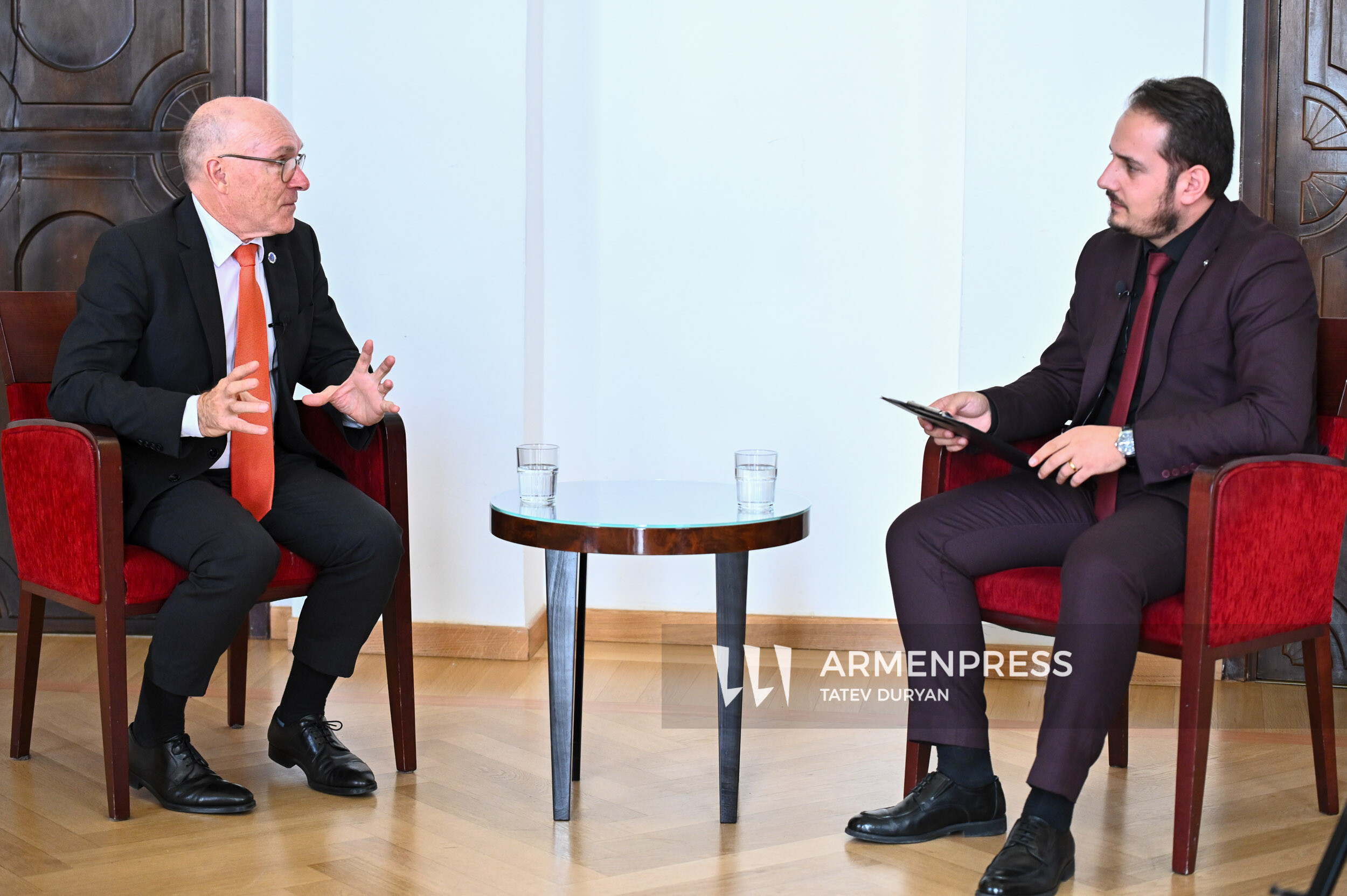
Armenpress - You have already held several meetings with various Armenian officials, experts, and scientists. What have been the outcomes of those meetings?
Dr. Robert Floyd - There are people in Armenia who have completed the training we offer on working with data collected by the International Monitoring System, and there is an opportunity for more people to participate in such training. Next year, Armenia will host one of these training events.
This means that quite a number of participants from Armenia will be able to take part, which will allow them to further develop their skills — skills they can apply not only for the purposes of our Treaty but also for earthquake monitoring here in Armenia.
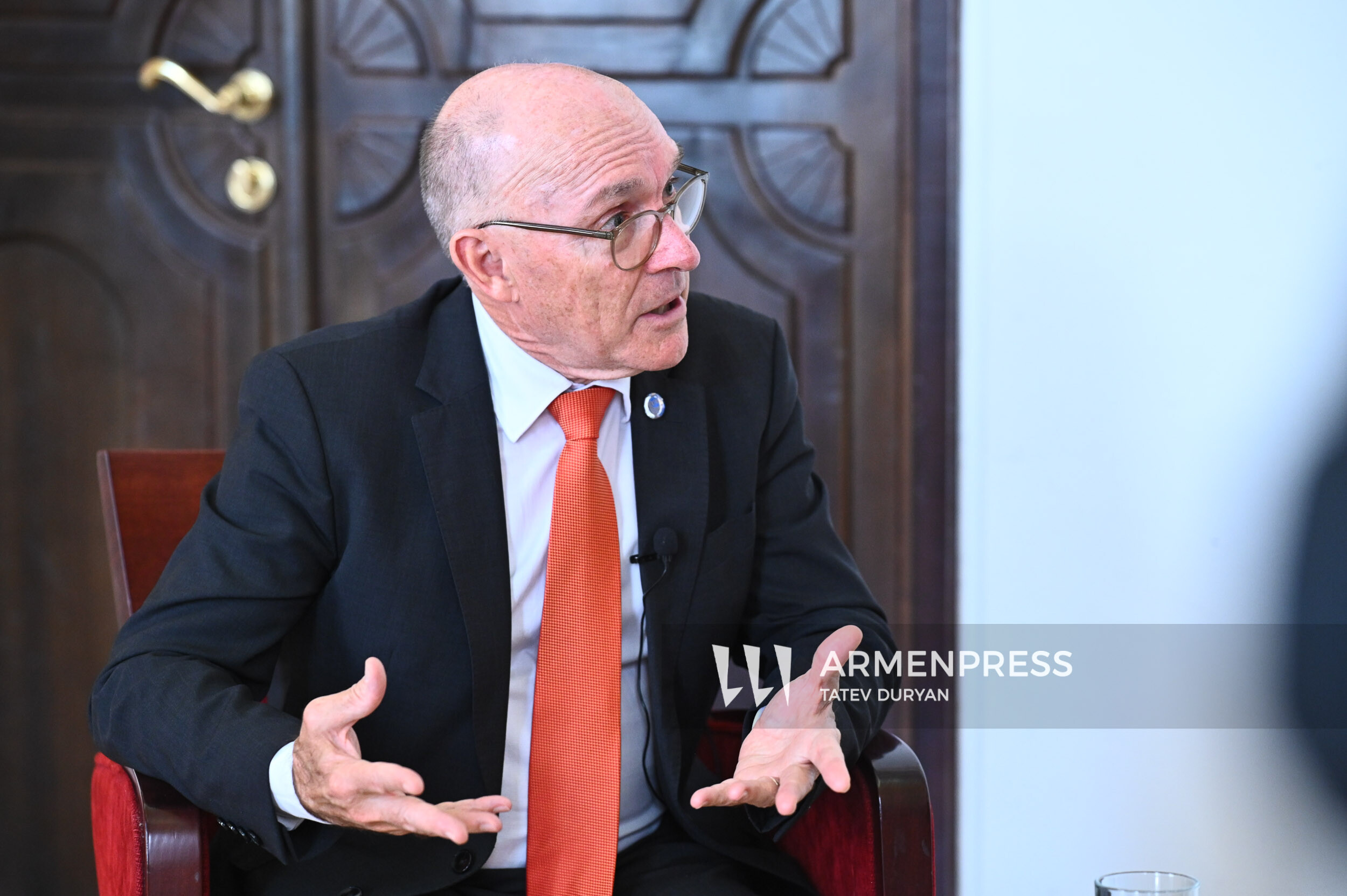
Armenpress - How does Armenia’s involvement with the CTBTO contribute to strengthening regional and global security, and how do you view cooperation with Armenia in this area?
Dr. Robert Floyd - The level of cooperation with Armenia is already very high. Armenia uses its voice effectively in our multilateral meetings, and we highly value that. Recently, the Deputy Minister of Foreign Affairs spoke at the High-Level Week of the UN General Assembly in New York and represented Armenia proudly and excellently.
Through this, we see strong engagement in efforts to achieve a world free of nuclear tests and, ultimately, free of nuclear weapons. Armenia’s support is very comprehensive and thorough.
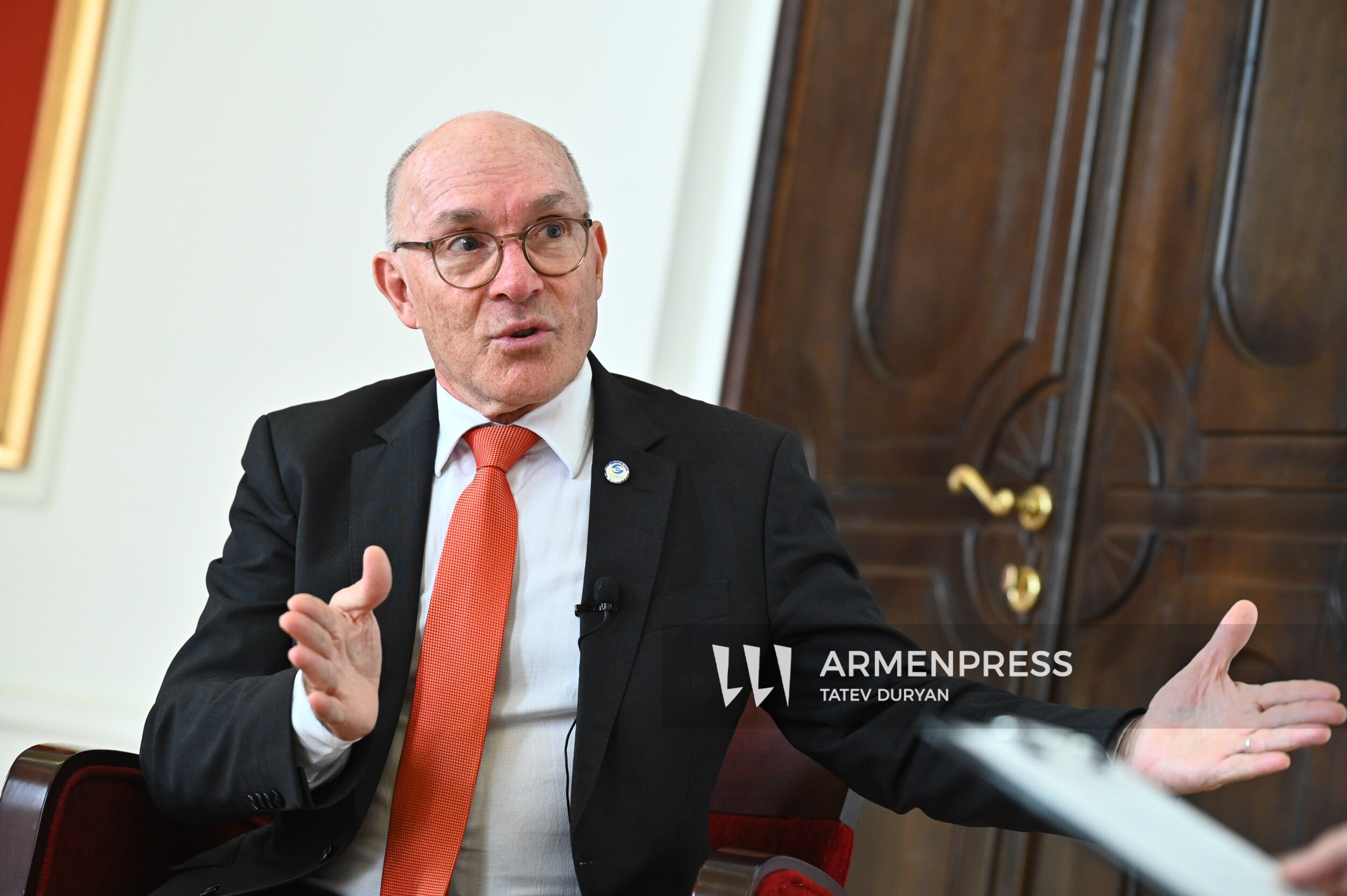
Armenpress - As the CTBTO marks its 30th anniversary, there are still nine countries that need to ratify the Treaty for it to enter into force. What message would you convey to those countries that have not yet ratified the Treaty, and how can Armenia’s experience serve as an example for them?
Dr. Robert Floyd - Within the framework of the Comprehensive Nuclear-Test-Ban Treaty, there is a list of 44 countries that must ratify the Treaty for it to become legally binding. Among these 44, nine countries still need to complete ratification. Most of them have already signed the Treaty, which shows their commitment, but they have not yet taken the final ratification step.
We continue to engage with each of these countries to encourage them to complete this step and achieve the Treaty’s full entry into force. We also consistently appreciate Armenia’s diplomatic efforts in working with countries that have not yet ratified the Treaty.
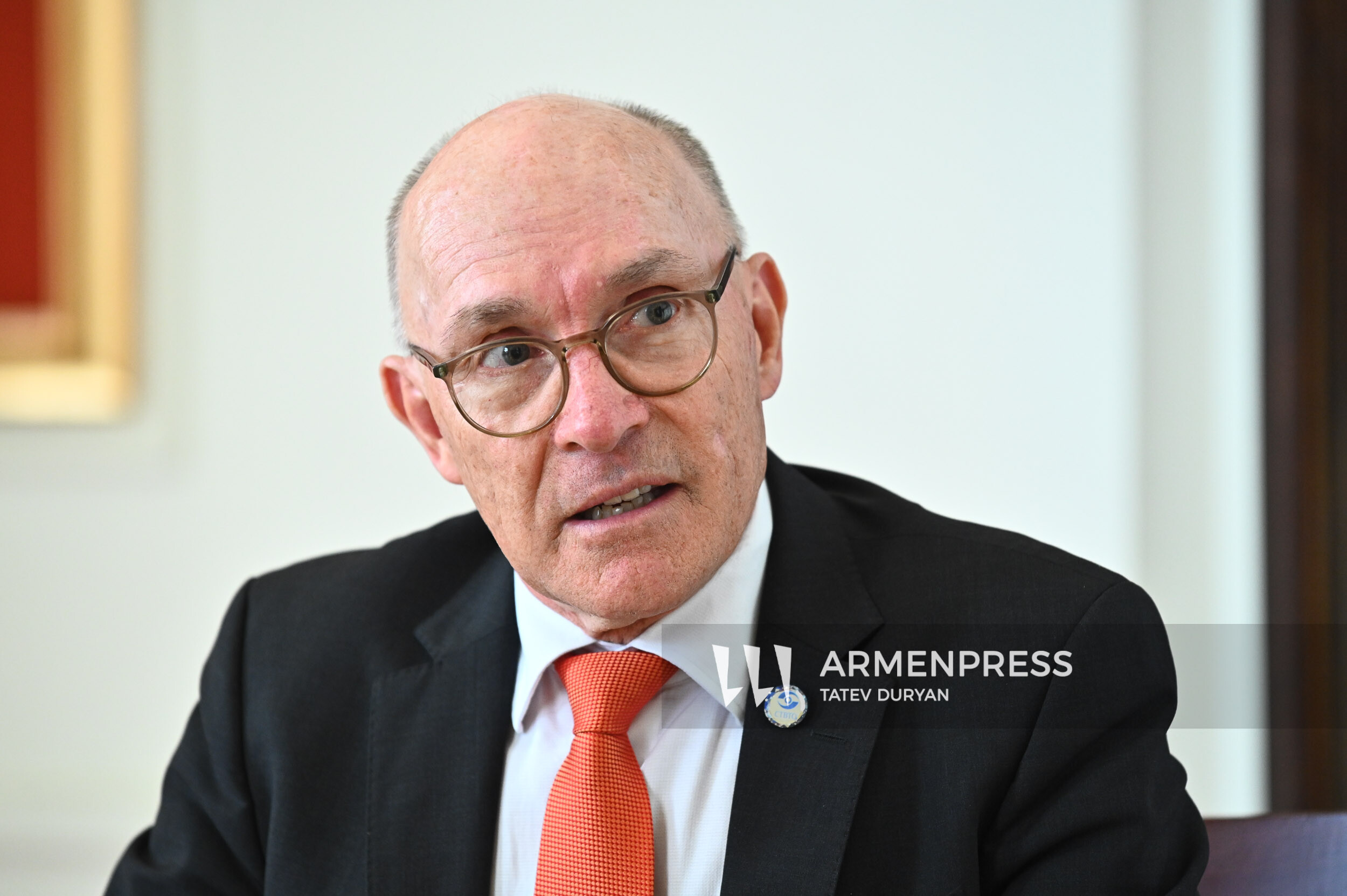
Armenpress: And which are the nine countries that have not yet ratified the Treaty?
Dr. Robert Floyd - Yes, for the Treaty to enter into force, ratification by nine more countries is still required. These countries are the Russian Federation, the People’s Republic of China, the United States of America, India, Pakistan, Israel, Iran, Egypt, and North Korea. For many of them, there are circumstances that make progress difficult, but the Comprehensive Nuclear-Test-Ban Treaty has already been an extraordinary success.
It is remarkable, however, when you consider that before the Treaty was opened for signature in September 1996, more than 2,000 nuclear tests had been conducted worldwide, whereas in the nearly 30 years since the Treaty’s opening for signature, there have been only 10 tests — and in the 21st century, just [by] one state [North Korea]. This demonstrates that the Treaty has achieved remarkable successes.
Even though it is not legally binding, countries have adopted a stance of halting all nuclear tests, which, I believe, is a major achievement.
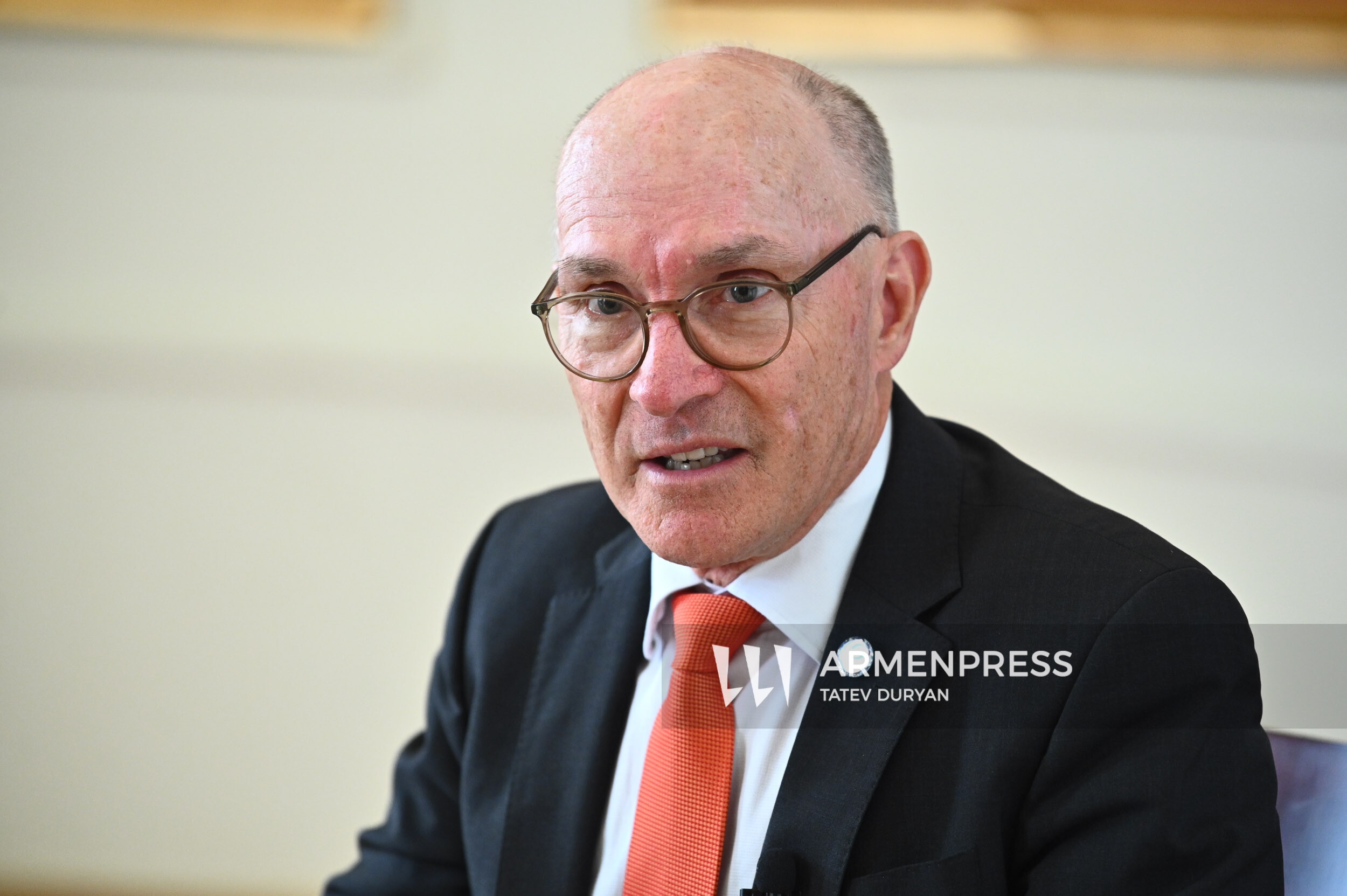
Armenpress - How confident are you that the CTBTO’s verification regime can reliably distinguish nuclear tests from natural phenomena, and are there any recent events you would like to share in this regard?
Dr. Robert Floyd - To verify whether an underground nuclear test has taken place, we use seismic data — that is, measurements of vibrations in the Earth’s crust. Usually, we record natural earthquakes or explosions from mining activities, but if an underground nuclear detonation occurs, our network of stations should detect it, and our analysts must determine that it was a nuclear explosion, not something else. We are capable of doing this.
Our global network is over 90% complete, which gives us confidence that we can detect a nuclear explosion anywhere on the planet and distinguish it from other types of explosions or natural earthquakes.
Recently, about a year ago, several small earthquakes occurred in northern Iran. Social media was very active about these events, speculating that they might be nuclear tests. However, after we analyzed all the data, we announced that they were natural earthquakes. This quickly calmed the online discussion, and many countries breathed a sigh of relief because no nuclear test had taken place.
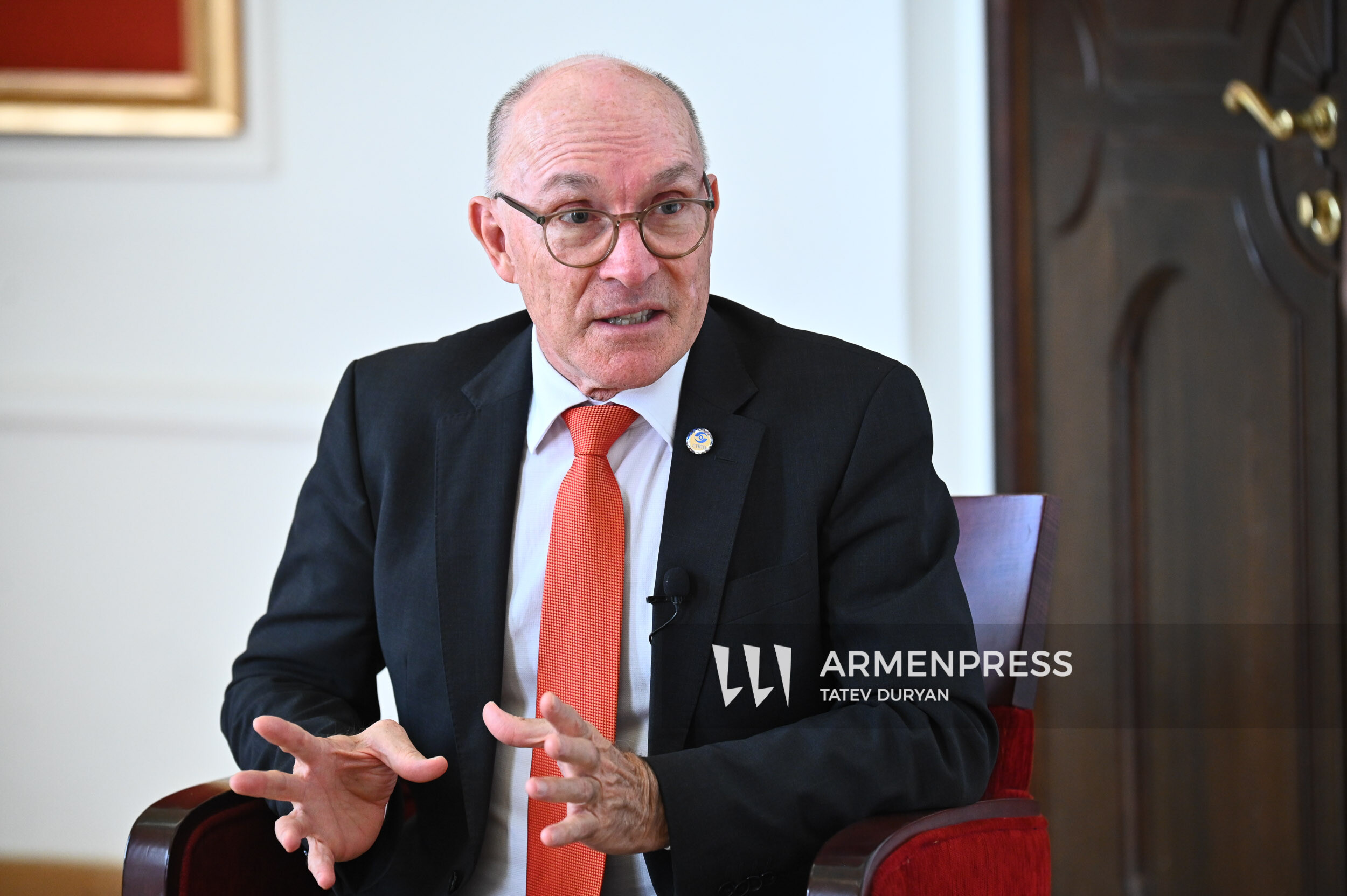
Armenpress - Could you describe other benefits of your system beyond nuclear verification, for example, its role in natural disaster early warning, scientific research, or environmental monitoring?
Dr. Robert Floyd - Our international monitoring system collects four types of data: seismic data, earth crust vibrations, infrasound - atmospheric pressure waves, hydroacoustic signals (ocean vibrations), and radioactive materials in the atmosphere. All of this data is transmitted via satellite to Vienna, where it is collected at the International Data Centre and made available to all member states of the Treaty.
All 187 countries that have signed the Treaty can access these data. They can use it for civilian purposes, such as monitoring natural disasters, tracking earthquakes, volcanic activity, and tsunamis. The data can also support search and rescue operations: if a sensor detects a signal indicating a possible incident, authorities can locate the area of concern.
Additionally, the data can be used for scientific research. The system is designed to share datasets with researchers in various fields, making it a virtual treasury of information for scientists and for civil applications worldwide.
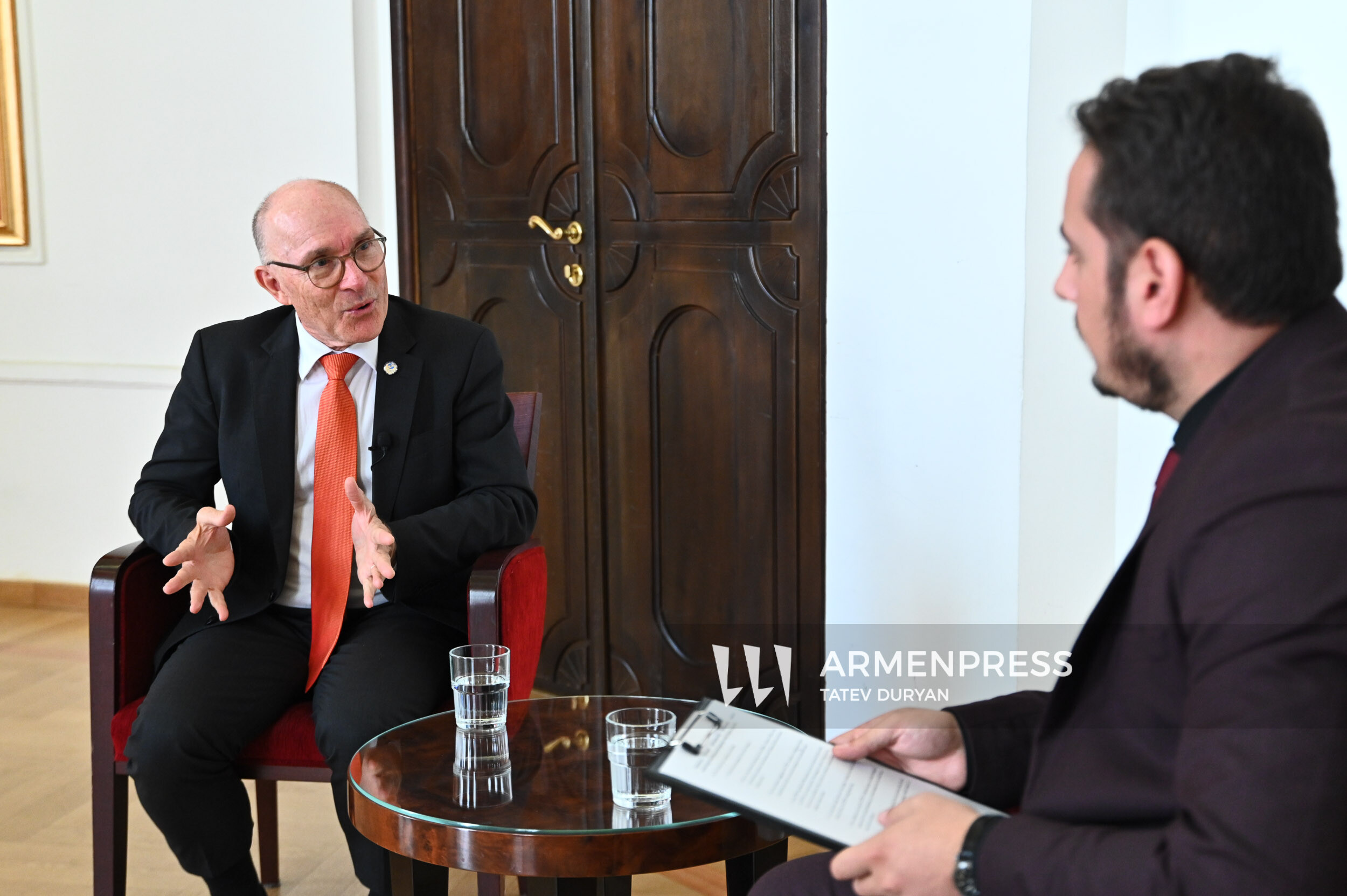
Armenpress - Mr. Floyd, thank you for the detailed conversation. Would you like to add anything?
Dr. Robert Floyd - I truly appreciate Armenia’s interest in creating a world free of nuclear testing and, ultimately, free of nuclear weapons.
Armenia shares this view with nearly all countries around the world, and it is truly encouraging to see such international cooperation aimed at building a better world for all of mankind.