
 360.94


Responsibility of states for clarifying fate of missing persons, int’l mechanisms in focus at Yerevan conference
8 minute read

The international conference titled “The Fate of Missing Persons, Humanitarian Dialogue and Cooperation,” held in Yerevan, discussed states’ obligations to clarify the fate and whereabouts of missing persons, the effectiveness of international legal mechanisms, and the role of families and civil society.
During the panel discussion, Armenian and international experts addressed states’ obligations under international humanitarian law to prevent disappearances, search for missing persons, establish their fate and whereabouts, and investigate cases of enforced disappearance.
The participants also discussed families’ right to know the fate of their loved ones, access to justice, compensation mechanisms, and post-conflict recovery processes.
Yegishe Kirakosyan, Director of the Master’s Program in International Courts and Arbitration at Yerevan State University and Editor-in-Chief of the Armenian Journal of International Law, addressed states’ responsibility for violations related to missing persons, emphasizing that domestic legal provisions, while important for defining the state’s obligations toward the families of missing persons and coordinating the work of various institutions, are not sufficient. He said the issue often involves two or more states, making the application of international legal mechanisms necessary.
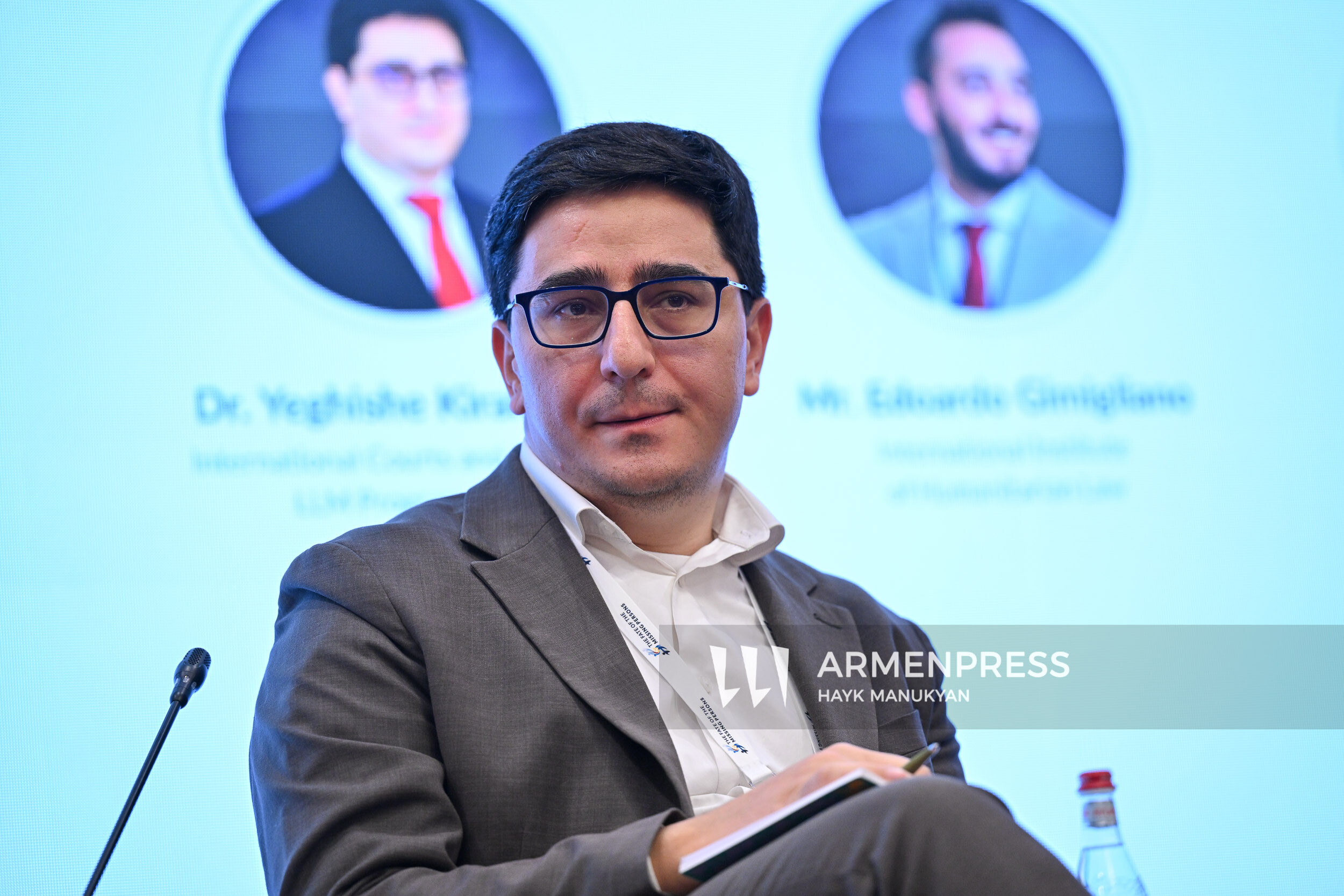
“From Armenia’s perspective, one of the most promising and effective mechanisms is the European Court of Human Rights, because here not only the state but also family members and lawyers can file complaints concerning missing persons,” Kirakosyan said.
According to Kirakosyan, particular attention should be paid to cases in which the circumstances of a person’s disappearance have not been fully established and there are difficulties in obtaining the evidence necessary to classify the case as an enforced disappearance. In this context, he also emphasized the importance of clarifying states’ obligations, taking into account the territory of which state, or a territory under whose control, the disappearance occurred, and what appropriate steps should be taken to establish the person’s fate.
Gabriella Citroni, Adjunct Professor of International Human Rights Law at the University of Milano-Bicocca in Italy and International Legal Advisor to the Federation of Latin American Associations of Families of Disappeared-Detainees (FEDEFAM), presented the international legal framework for searching for missing persons and clarifying their fate.

She emphasized that states are obligated to continue search and investigative efforts until the fate of a missing person has been established. In cases of enforced disappearance, it is also necessary to identify those responsible, hold them accountable, and provide appropriate compensation to victims. According to the expert, compensation should not be limited to material assistance but should also include measures to restore dignity and guarantees of non-recurrence.
“The concept of a victim of enforced disappearance is very broad. It does not refer only to the disappeared person but also includes any other person who has suffered the direct impact of that enforced disappearance. Families are also considered victims. This may extend to a wider circle of people, depending on their relationship with the disappeared person,” Citroni emphasized.
Edoardo Gimigliano, Coordinator of the Special Projects Department at the International Institute of Humanitarian Law, speaking about the rights of families of missing persons and reconciliation and recovery processes in post-conflict societies, said that the issue of missing persons is not solely a legal one but also has social, psychological, economic, and political consequences.
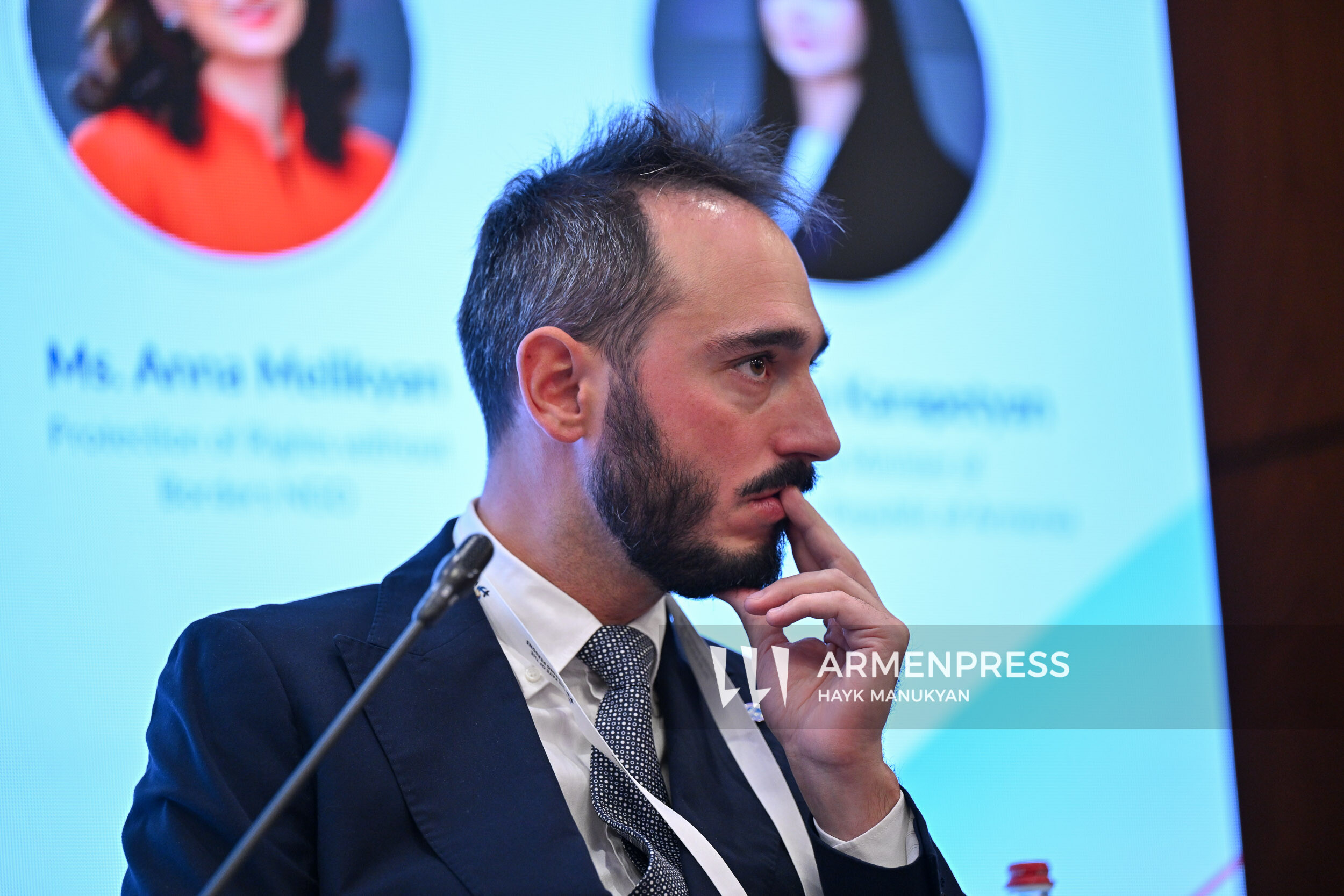
He said that families often cannot come to terms with their loss because they lack clear information about the fate of their loved ones.
The expert also stressed the importance of keeping this issue free from political exploitation, noting that the lack of information and distrust toward state authorities can deepen tensions in society.
“I would not say that the end of a conflict automatically means reconciliation, or that compliance with international rules, particularly the requirements of international humanitarian law, leads to reconciliation. Following these rules does not mean that people should reconcile,” Gimigliano said.
Anna Melikyan, a human rights and international humanitarian law expert and Programs Director at the Protection of Rights without Borders NGO, also stressed the importance of civil society and families participating in efforts to protect the rights of missing persons and restore justice.
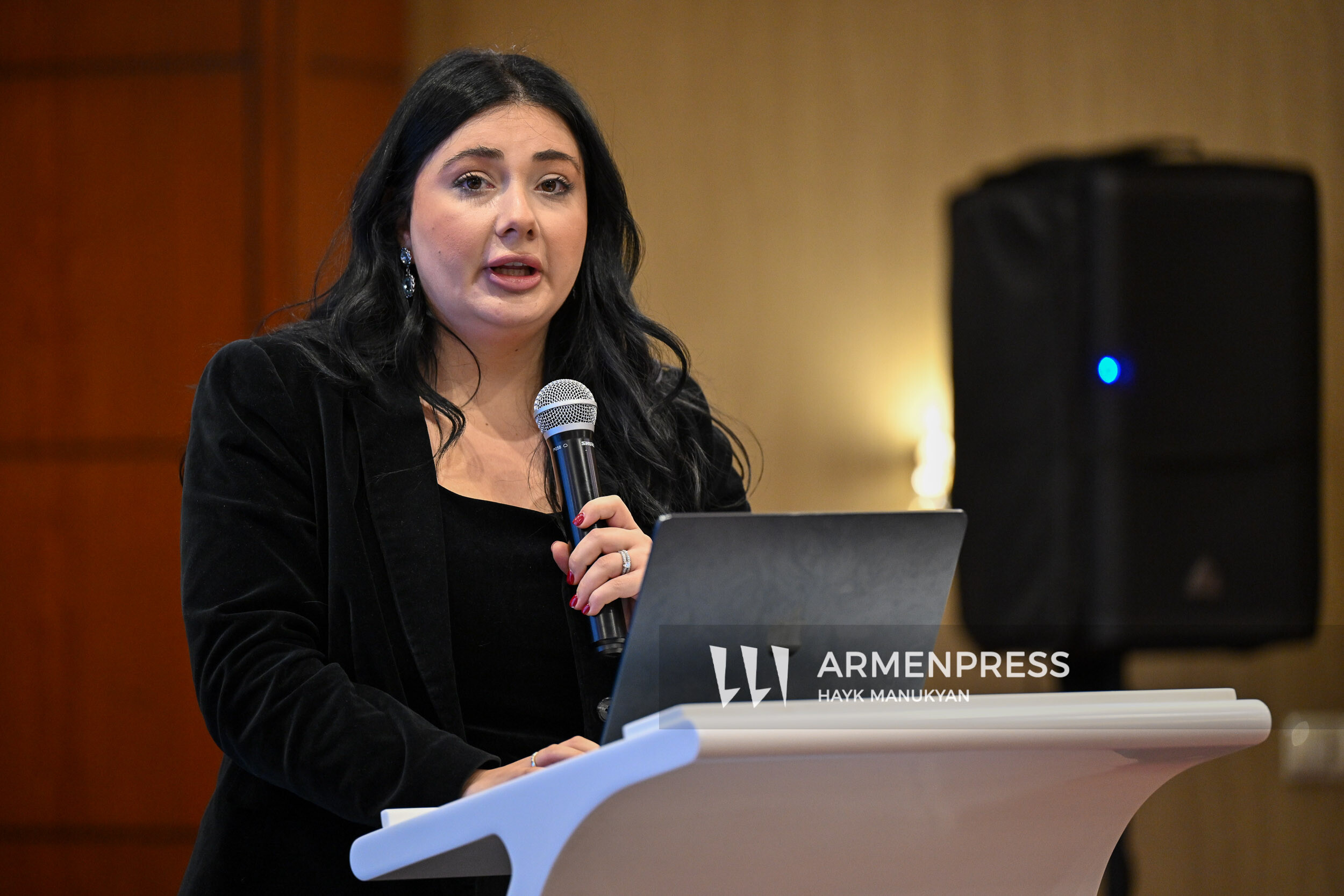
She said that civil society acts not only as a supporter of families or an intermediary between them and the state, but also as an independent actor.
Melikyan expressed concern over the lack of trust between families, the public, and state institutions, as well as the cessation of the provision of official statistics on missing persons. She emphasized the importance of access to information and transparency on the part of state authorities.
“This is a lengthy process, but what is important to us is that the issue remains constantly on the agenda. It is also important to have a relevant article in the peace agreement, but we insist that this is precisely the kind of issue where we should not wait. Every day is working against us, and this makes us hurry. We should not wait until the peace agreement is established and the relevant institutions are created to start working in this direction,” Melikyan stressed.
She also emphasized that the rights of families of missing persons must be protected equally, regardless of the conflict or war during which the person went missing. According to Melikyan, the state, civil society, families, and international organizations must continue working together on this issue, ensuring non-discrimination and the protection of the rights of all affected persons.