
 360.41


Trust and long-term cooperation key to clarifying fate of missing persons, international experts say
7 minute read

International experts have stressed the importance of trust-building, fact-based information gathering, family involvement and international cooperation in efforts to clarify the fate of missing persons.
These issues were discussed during a panel discussion at the international conference titled “The Fate of Missing Persons: Humanitarian Dialogue and Cooperation” in Yerevan.
The conference opened earlier with remarks by Prime Minister Nikol Pashinyan, Minister of Foreign Affairs and International Trade Ararat Mirzoyan, and Secretary of the Security Council Alen Simonyan.
Participants in the subsequent panel discussion addressed the scale of the problem, its historical and statistical dimensions, as well as the legal and technical challenges involved in determining the fate and whereabouts of missing persons.
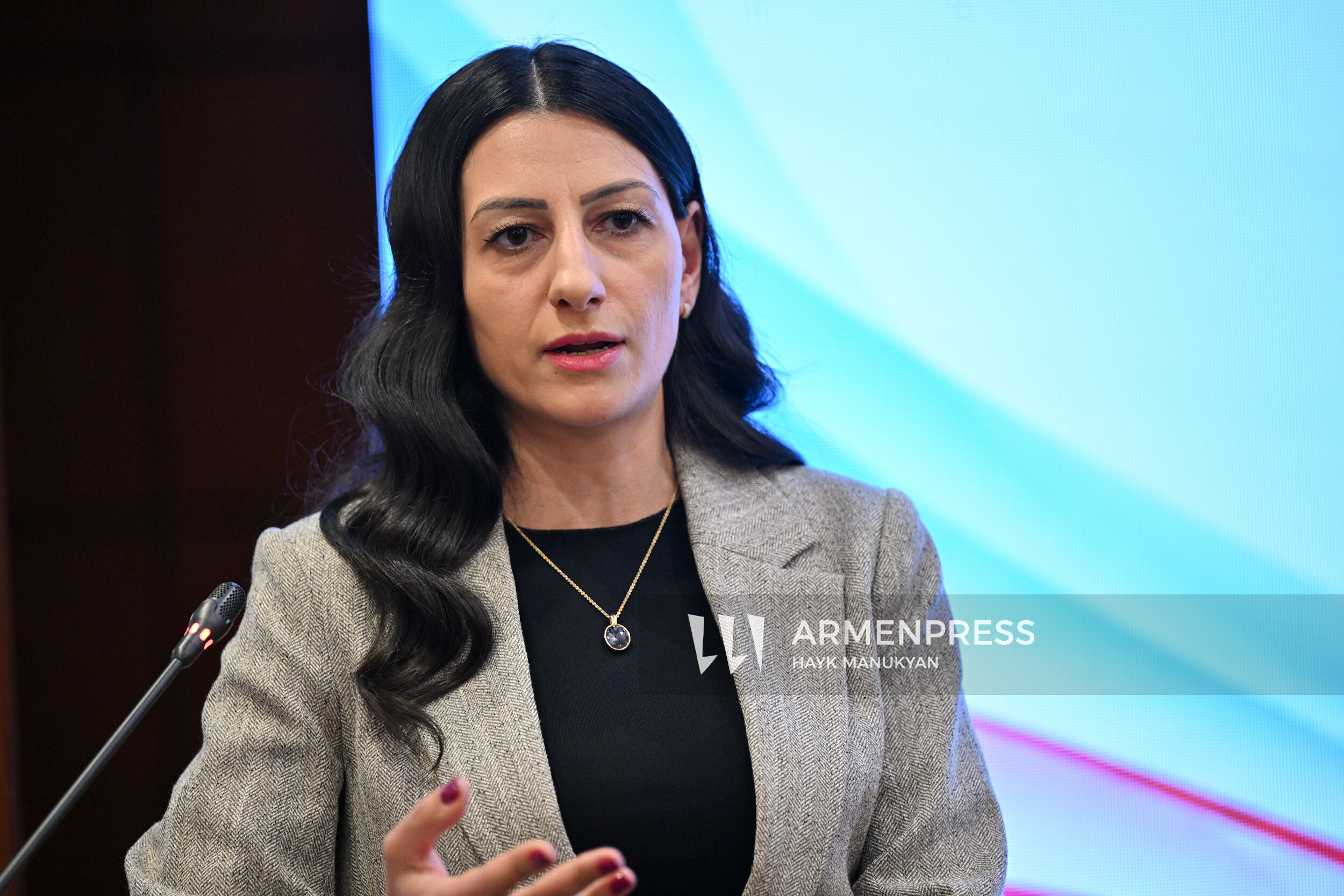
Armenia’s Human Rights Defender Anahit Manasyan emphasized the importance of addressing humanitarian issues within the framework of the peace process, stressing that they require a systematic approach and practical steps. She said the issue should be considered on two main levels: domestic and interstate cooperation, including international engagement.
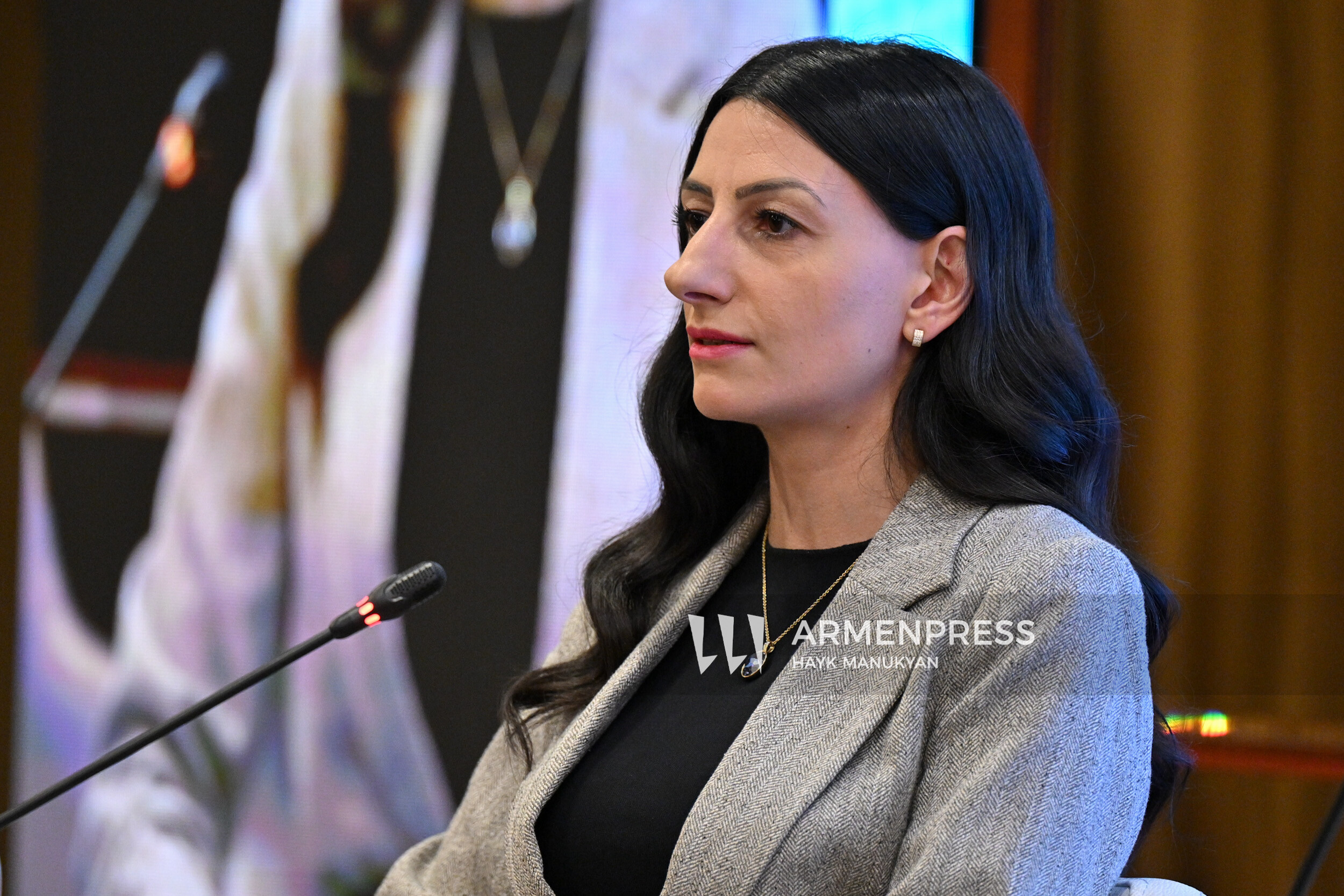
The Human Rights Defender stressed that peace is an important public interest, but issues concerning individual rights, missing persons and their families, as well as citizens detained in other countries, must not become secondary in the process. She also highlighted the importance of sensitive public communication by state officials and the need to rule out hate speech based on national or ethnic affiliation, which can undermine an atmosphere of mutual trust.
“I am confident that genuine peace is possible only in the context of resolving humanitarian issues. At this stage, I am not saying that these issues can be resolved overnight, as they require systemic solutions. But at the very least, we must be able to demonstrate that concrete steps are being taken to address humanitarian issues, and that these steps must produce tangible results at certain stages,” Manasyan said.
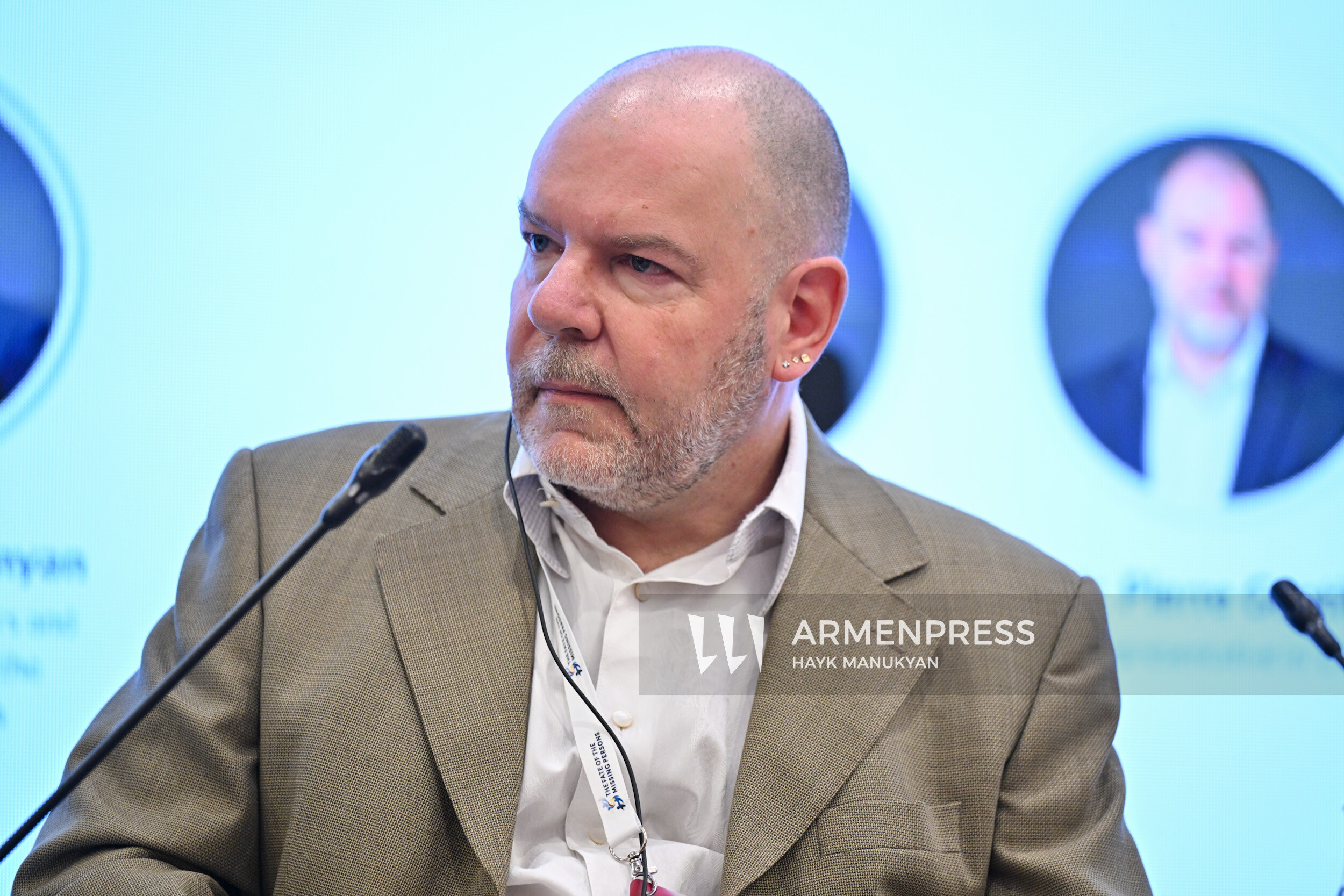
Pierre Gentile, the United Nations Third Member of the Committee on Missing Persons in Cyprus, presented Cyprus’s experience and emphasized the need to build trust with the families of missing persons and involve them in search efforts. He said building trust is a long-term process requiring regular meetings, transparency and information sharing. In Cyprus, associations of families have been established, with representatives of both communities jointly participating in search operations.
Gentile also stressed the importance of separating humanitarian efforts to search for missing persons, recover their remains and identify them from accountability mechanisms, noting that both tracks are important but serve different purposes.
“It is very important to have a long-term mechanism, one that will still be in place 10 or 15 years from now and will continue to function, because we are talking about timeframes of that length, if not longer. In the case of Cyprus, 50 to 60 years have passed since those events. This is a very long-term process, and it must be approached accordingly,” Gentile said, also highlighting the importance of sustained political and financial support for such mechanisms.
Andreas Kleiser, Director for Policy and Cooperation at the International Commission on Missing Persons (ICMP), emphasized the importance of collecting and verifying fact-based information, noting that efforts to reach agreement on the overall number of missing persons do not always help resolve the issue. He said different state and international bodies have different mandates and objectives, which can result in discrepancies in the data they provide. Therefore, a mechanism is needed to verify information and enable families of missing persons to access available data, raise questions and participate in its verification.
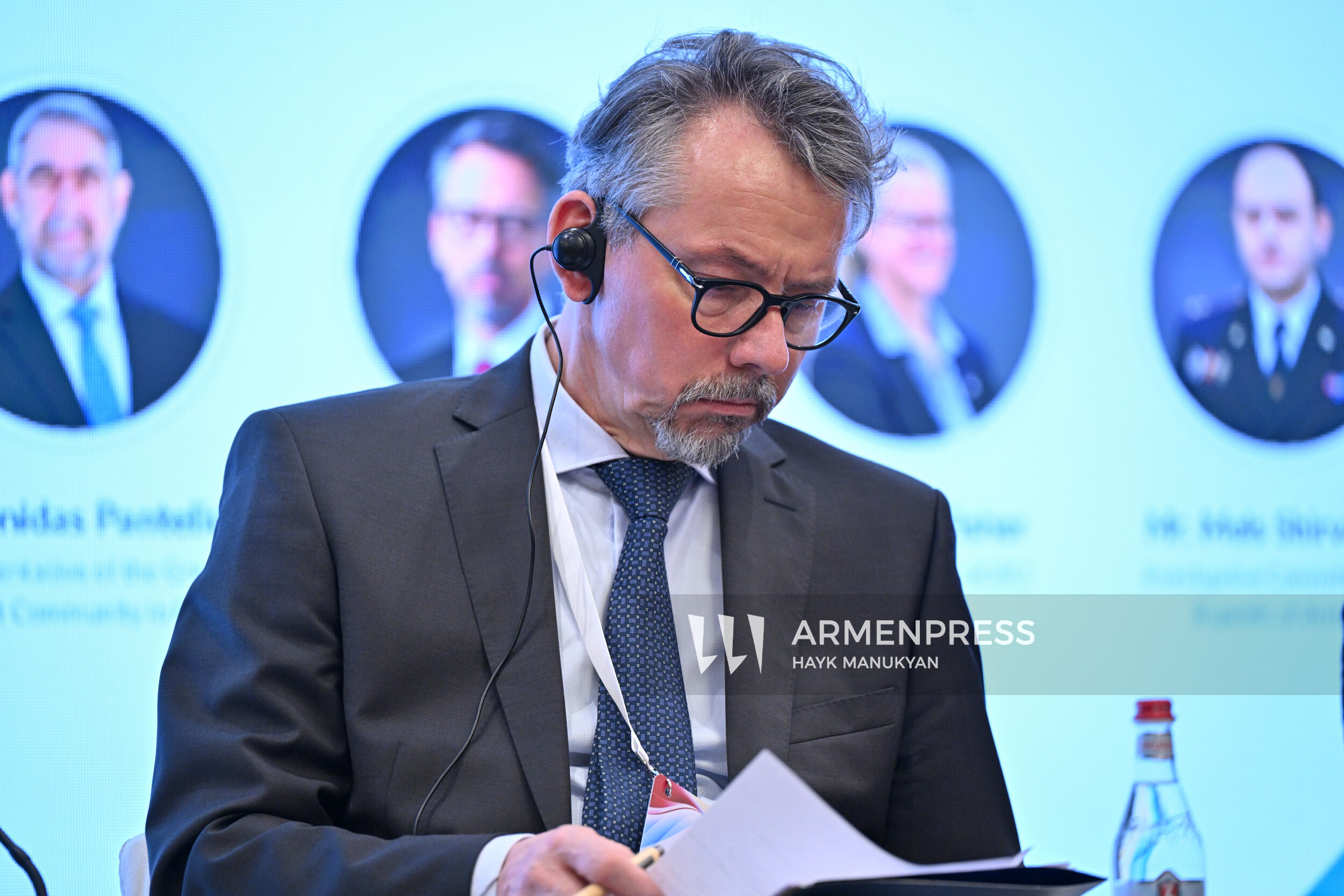
“As for the numbers, the priority should be to obtain information that can be substantiated by facts. This is more important than agreeing on a number. In many cases, we see attempts to negotiate and agree on an overall figure, which is not useful to anyone,” Kleiser stressed, adding that the institutions responsible for the process must themselves be trustworthy and earn the confidence of families.
Dena Fisher, the International Committee of the Red Cross (ICRC) Operations Coordinator for the Eurasia Region, presented the organization's humanitarian approach to searching for missing persons, noting that the ICRC carries out its work in close cooperation with the competent state authorities.
She said the organization's specific mandate and experience working in conflict zones give it access to locations and sources of information that are sometimes inaccessible to families. Fisher also stressed that following the active phase of a conflict, the ICRC's work focuses on the long-term needs of families, including helping them address economic, psychological, legal and administrative challenges.
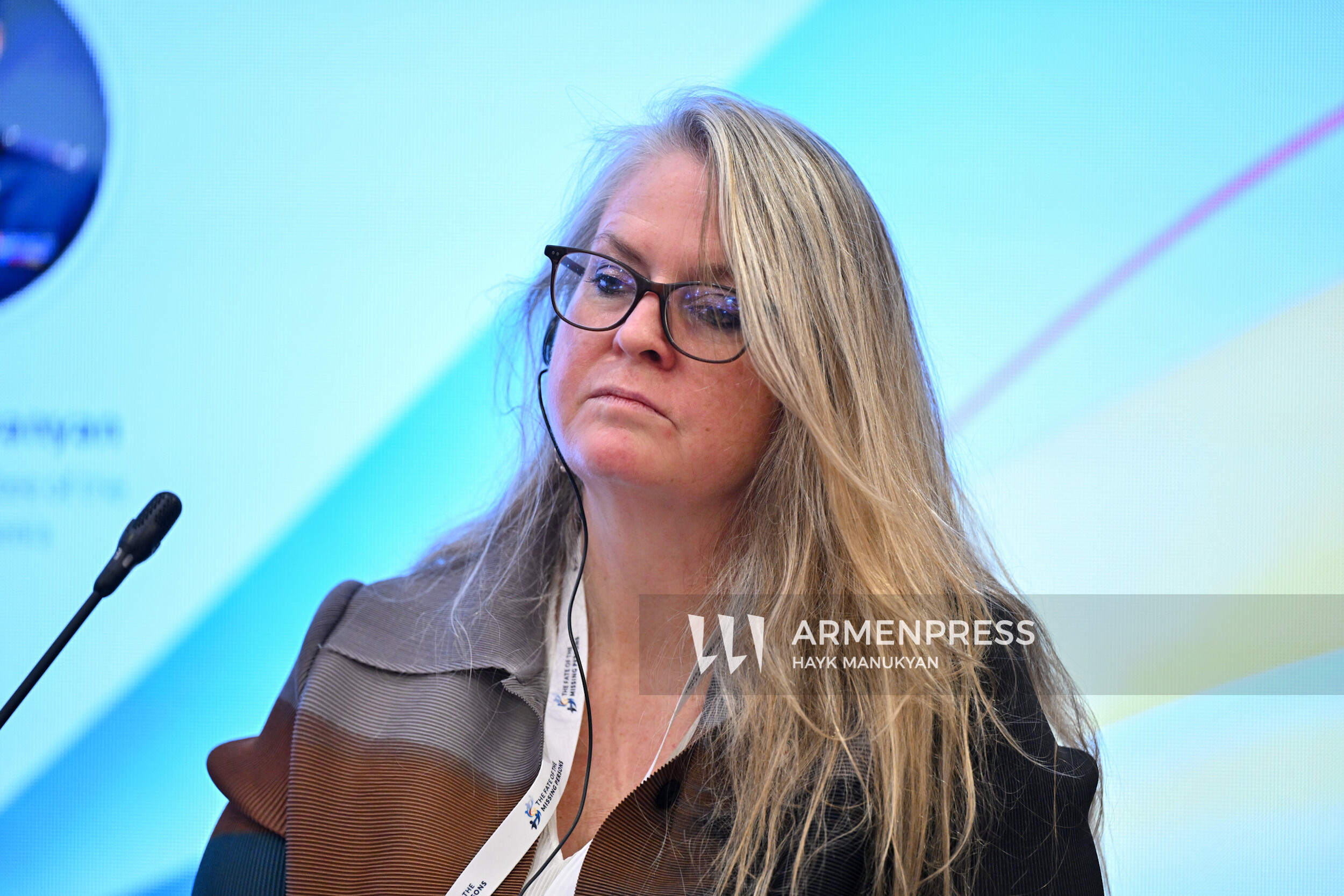
“The ICRC's approach is primarily humanitarian. Our work begins with requests received from families and is, in fact, focused on their needs at the different stages of searching for their missing relatives. Our work is always carried out in close coordination with the authorities and competent state bodies dealing with these issues,” Fisher said.