
 360.3


International conference on environmental protection and the judiciary held in Yerevan on the sidelines of COP17
9 minute read

Environmental protection is not merely a matter of environmental policy; it is directly linked to human rights, public safety, quality of life, and the well-being of future generations.
At an international conference held in Yerevan on the sidelines of COP17, senior judges and international experts from various countries discussed environmental protection, ensuring environmental justice, and strengthening the role of the judiciary in this process.
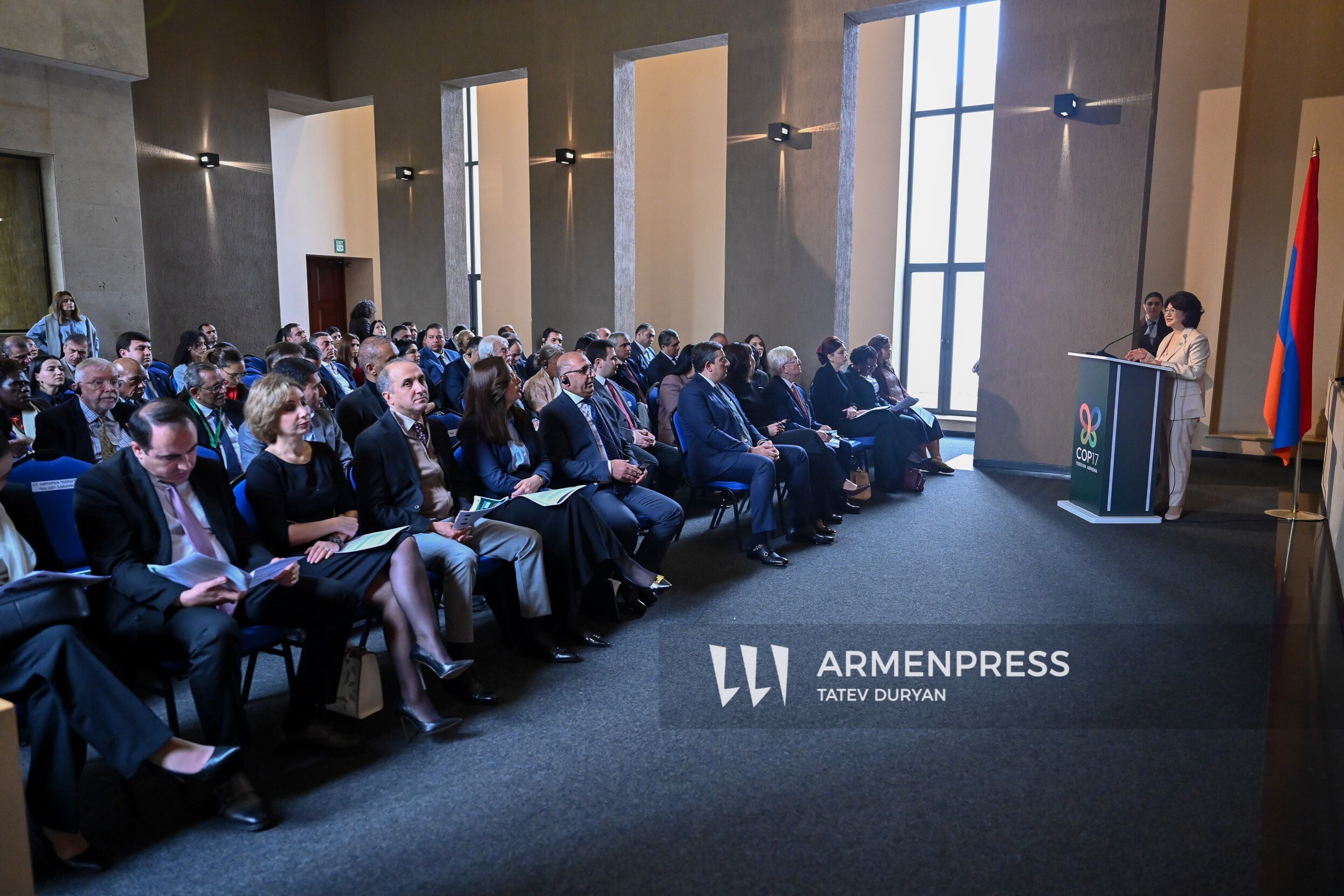
Speakers at the international conference “Environmental Protection and the Judiciary” paid particular attention to combating environmental violations, improving the effectiveness of judicial protection, and exchanging international experience.
The event was attended by Chairman of the Supreme Judicial Council of Armenia Artur Atabekyan, Minister of Justice Srbuhi Galyan, representatives of the Court of Cassation, the Administrative Court, the Supreme Judicial Council and the Academy of Justice, as well as senior judges, members of judicial councils, representatives of the United Nations and the Asian Development Bank, and international experts from Brazil, Australia, India, Finland, Nepal, Kenya and other countries.
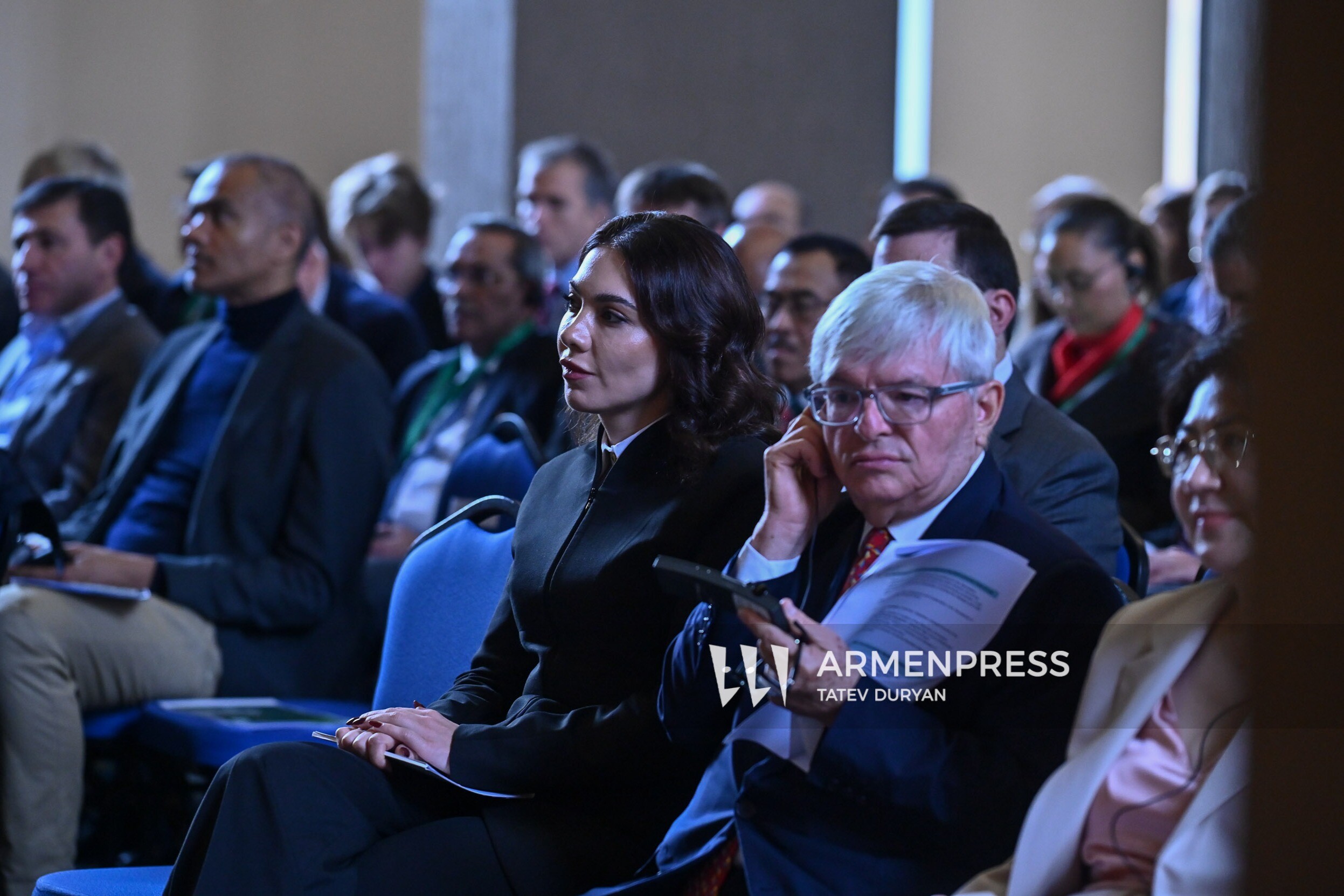
Armenian Minister of Justice Srbuhi Galyan, emphasizing the role of the judiciary in addressing environmental issues, said that environmental protection is now a priority for all governments.
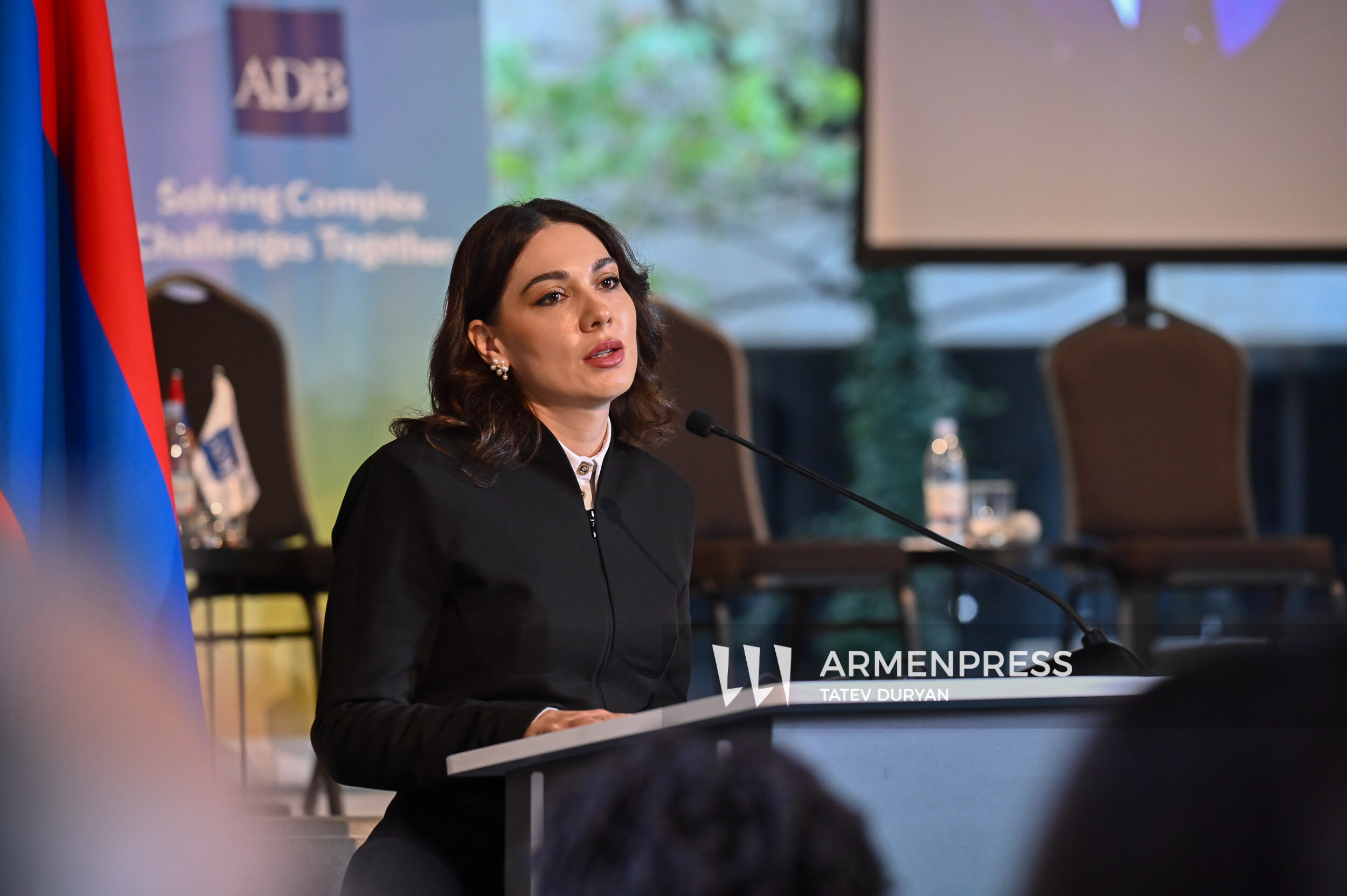
“We have a responsibility not only to ourselves but also to future generations. The events organized yesterday and today with the support of international partners are attended by judges from Armenia and various other countries who have accumulated extensive experience in this field. This is an opportunity to exchange that experience, properly identify existing problems, address them, and find effective solutions,” the minister said.
Addressing gaps in the field of environmental justice in Armenia, Galyan noted that they vary depending on the nature of the legal relations involved.
She said that one of the key challenges in administrative governance and administrative proceedings is ensuring a fair balance between the interests of the state, businesses, and citizens.
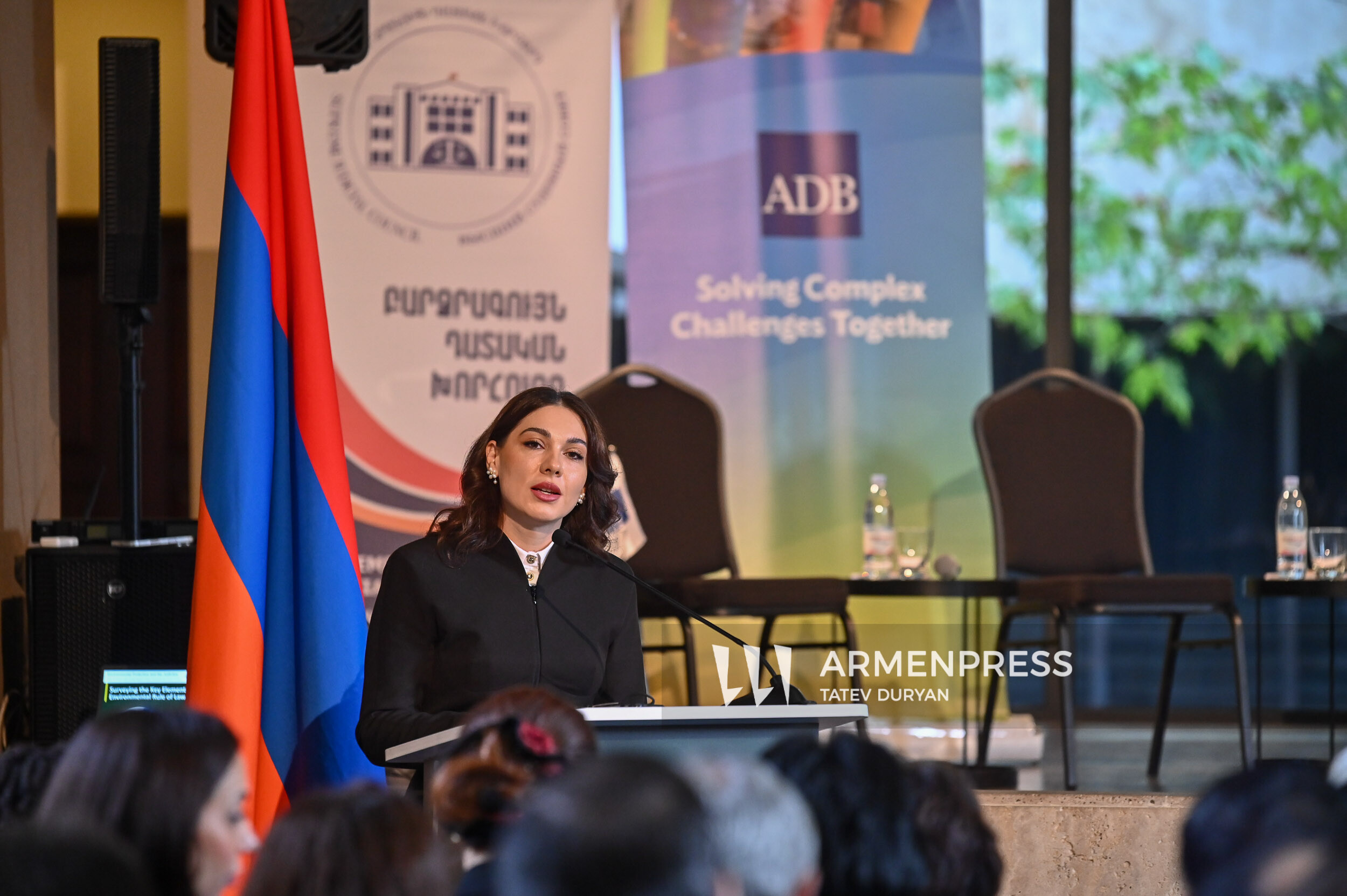
“We need to find a fair balance between the interests of the state, businesses, and citizens. It is also important for judges to be able to maintain that balance and make decisions in a timely manner. Yesterday, I had an opportunity to speak about the need to examine cases within a reasonable timeframe and emphasize that delayed justice is effectively tantamount to a denial of justice,” Galyan said.
The minister stressed that, from a policymaker’s perspective, the objective is to ensure the timely resolution of all court cases, including disputes related to environmental issues, while maintaining a fair balance of interests.
Referring to criminal justice, Galyan said that crimes against the environment often do not receive adequate attention and are not always detected. One of the problems, she said, is that such crimes are often committed by legal entities, including large corporations, while Armenia’s framework for criminal liability of legal entities remains insufficiently developed.
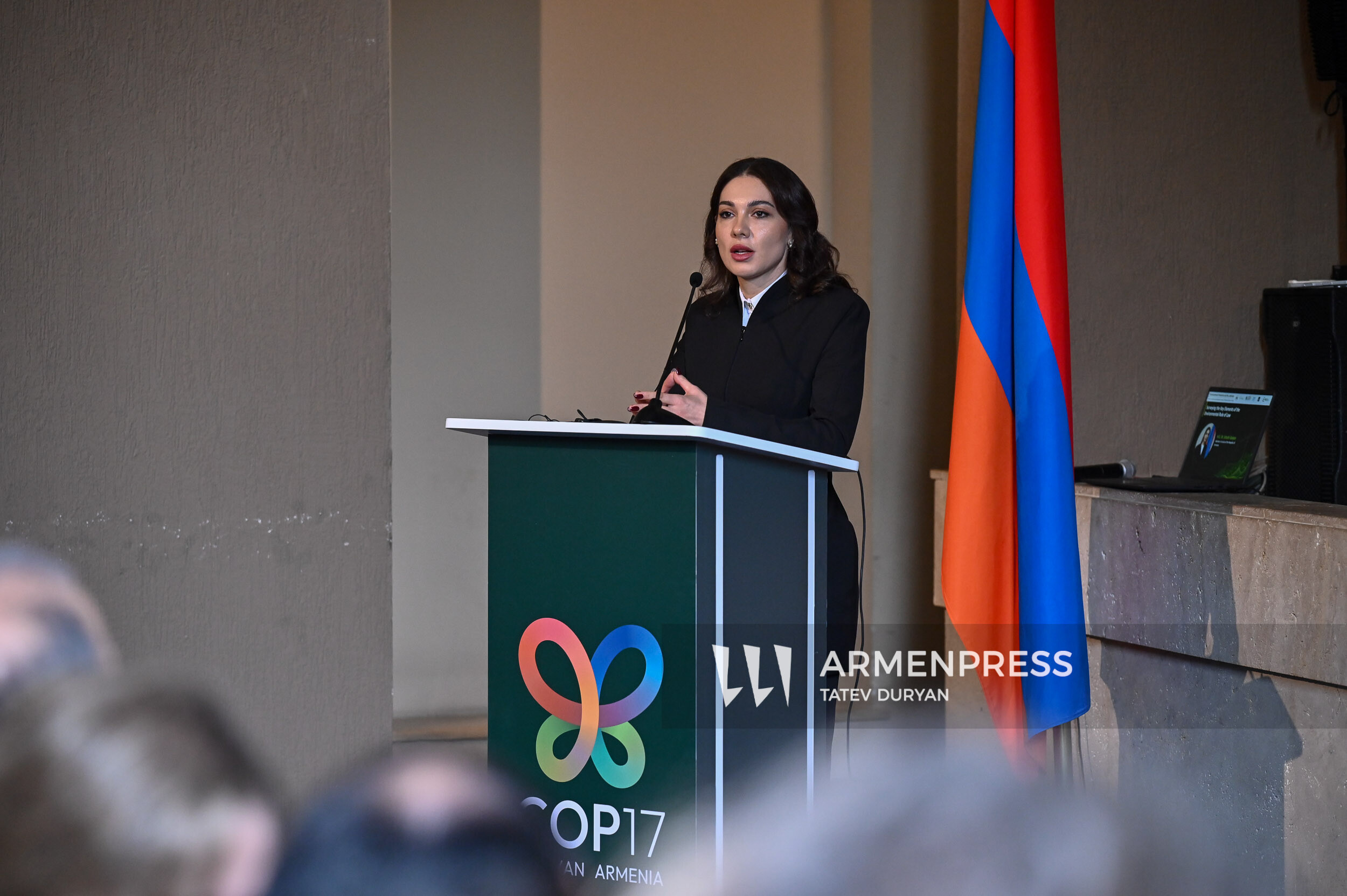
“We have set ourselves the task of developing the framework for criminal liability of legal entities,” the minister emphasized.
Asked whether the new Constitution would give greater emphasis to biodiversity conservation, Galyan said the matter still needs to be discussed.
“At least at this point, I can say that there will be no regression from the existing constitutional provisions. Progress will certainly be made, if not in the context of the Constitution, then through legislative initiatives,” she said.
In his remarks, Chairman of the Supreme Judicial Council Artur Atabekyan emphasized that the conference is particularly significant because it is being held on the sidelines of COP17.
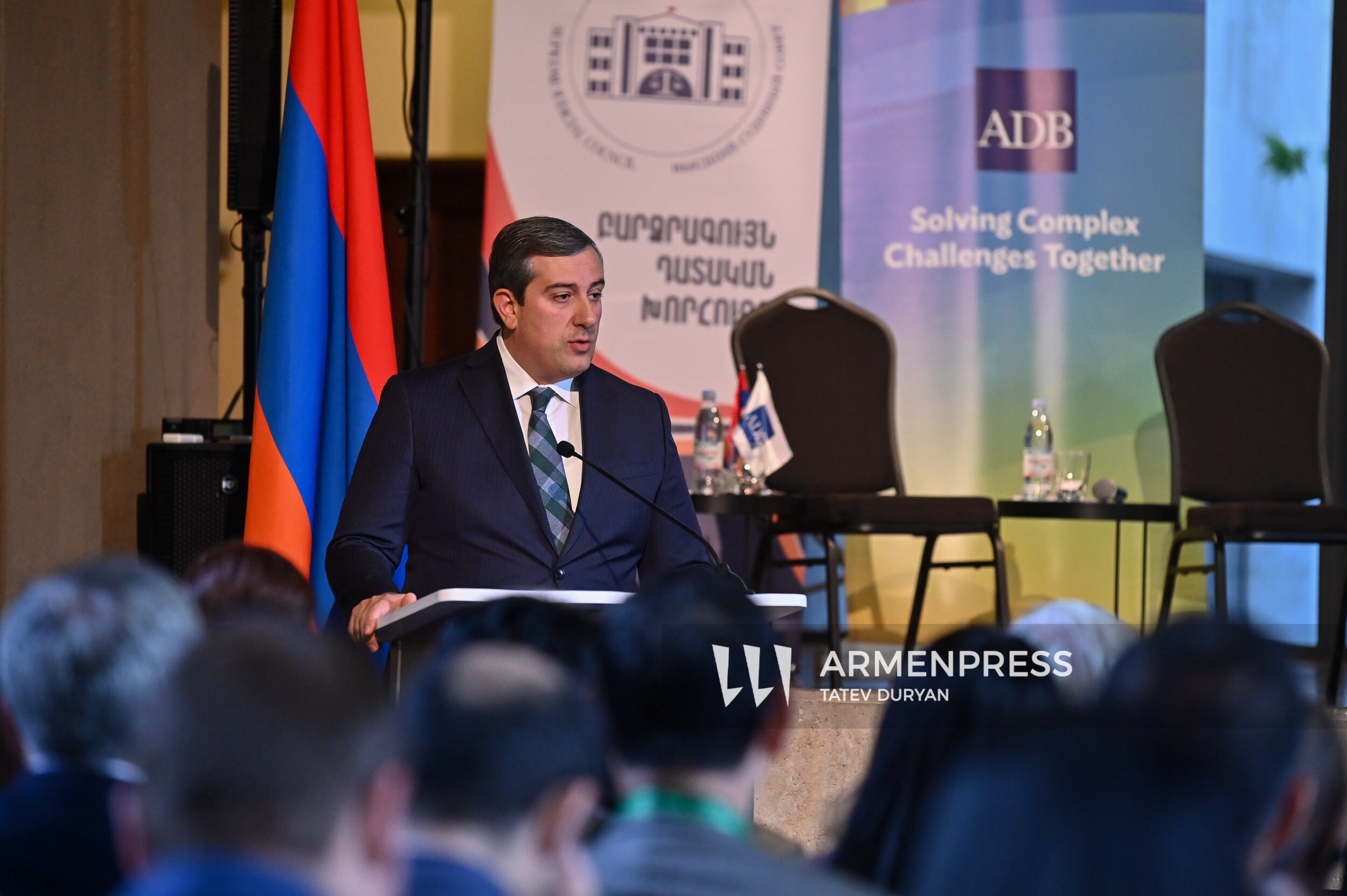
“I am confident that this discussion is an important opportunity to highlight the role of the judiciary in achieving environmental objectives, fulfilling legal obligations, and ensuring effective environmental protection,” Atabekyan said.
The Supreme Judicial Council chairman stressed that environmental protection is not limited to environmental policy but is also directly linked to the protection of human rights, public safety, quality of life, and the interests of future generations.
He said that, in this context, the judiciary plays a particularly important role in upholding the rule of law and ensuring effective judicial protection.
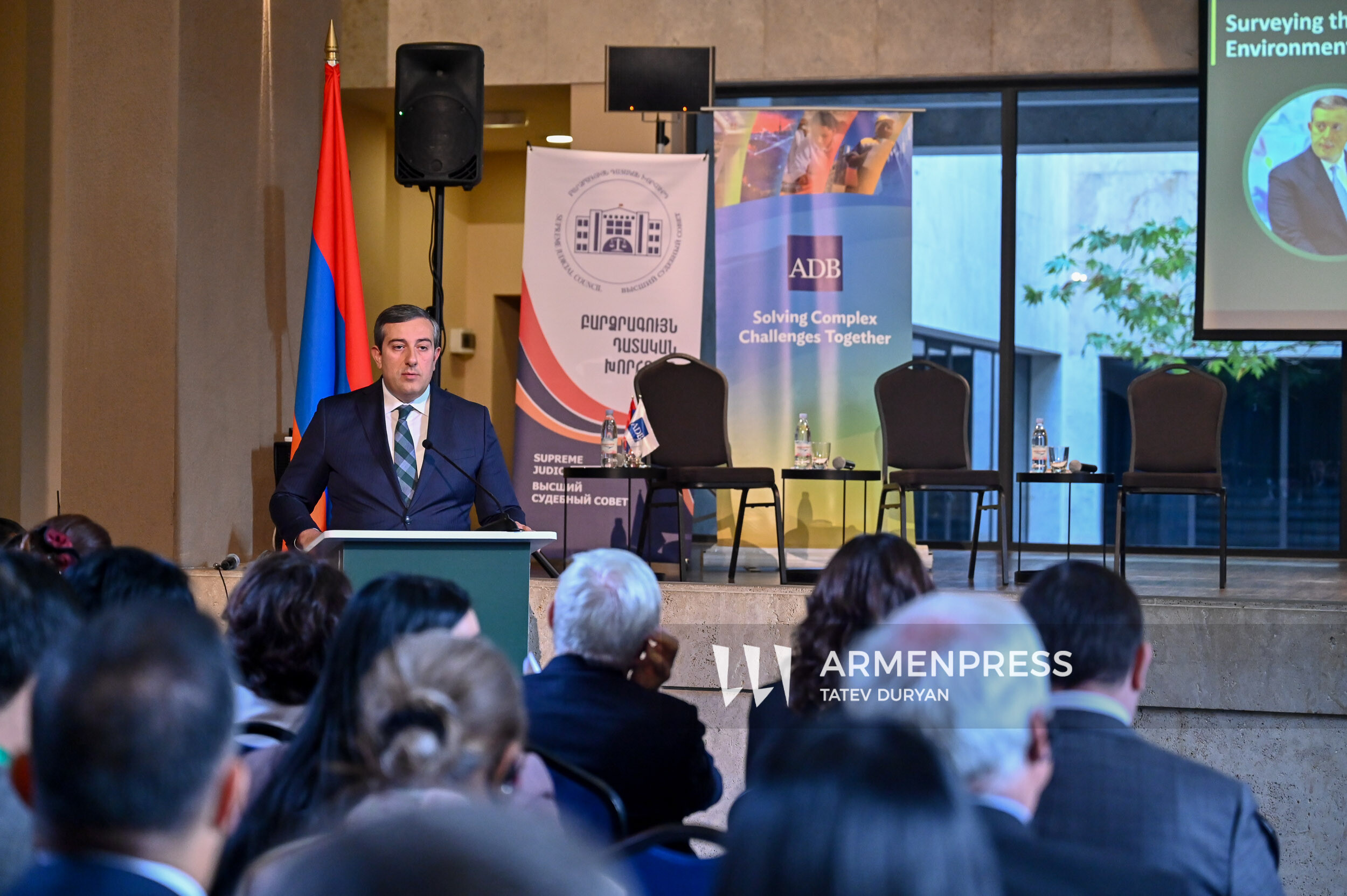
Atabekyan noted that courts contribute to environmental justice by applying environmental legislation, resolving legal disputes, and providing judicial protection for rights and legitimate interests safeguarded by law.
He added that exchanging experience with international partners offers an opportunity to study approaches developed in the judicial systems of different countries, improve legal solutions, and identify new opportunities for advancing environmental justice.
He placed particular importance on professional dialogue between judiciaries in different countries, noting that environmental issues often transcend national borders and require international cooperation and shared responsibility.
The participants were also welcomed by Antonio Herman Benjamin, Justice of Brazil’s Superior Court of Justice (STJ) and President of the Global Judicial Institute on the Environment. He emphasized that the participants had gathered to discuss one of the most important issues for the future of humanity and the planet: protecting the environment and all forms of life.
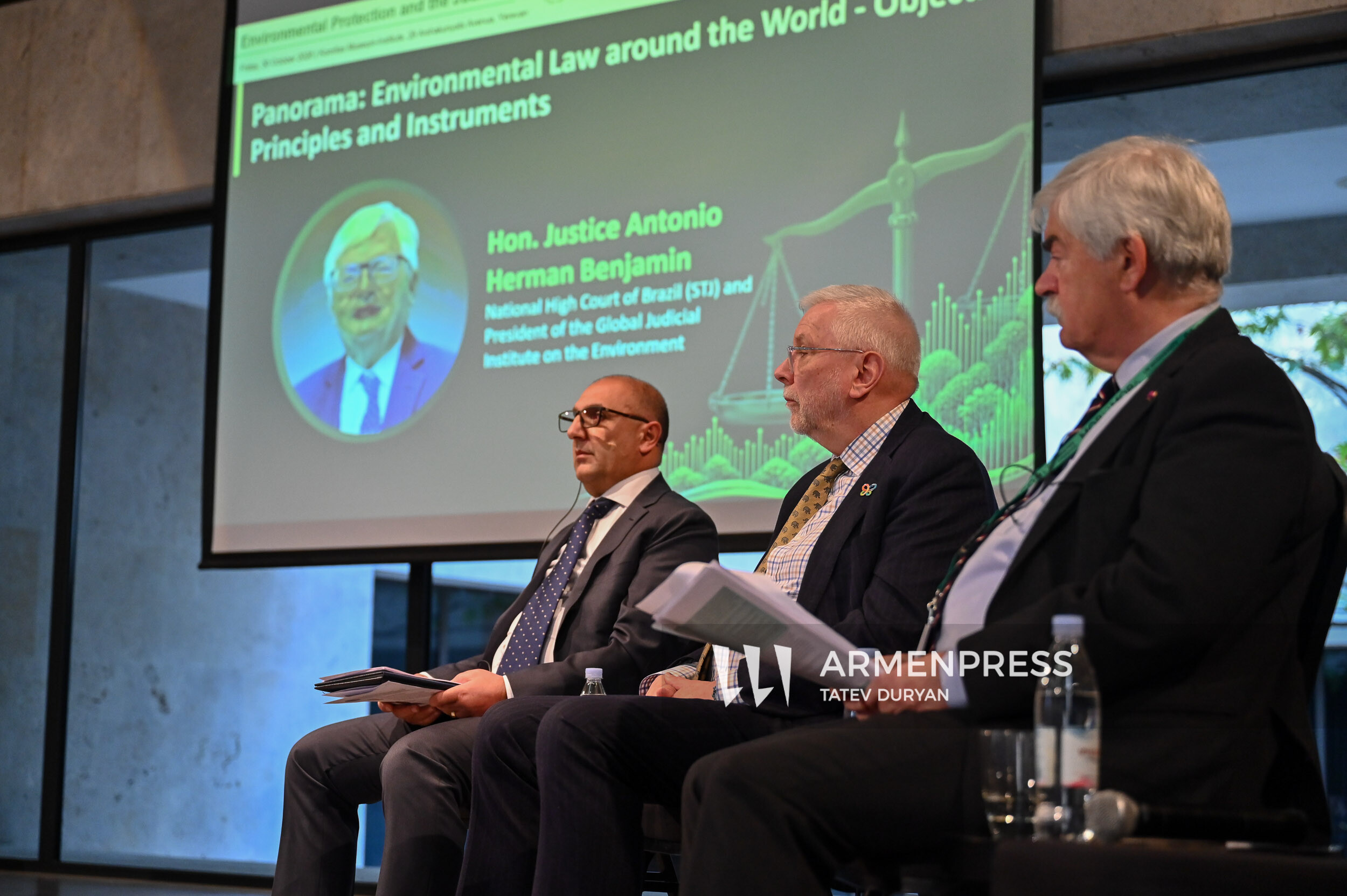
“Today we are here to discuss one of the most important issues of our lives. And when I say ‘our lives,’ I mean the entire community of life: us and all living beings on this planet. It is these living beings that make our existence possible. Oxygen, clean water, the climate system, biodiversity — all of this is what we are discussing,” Benjamin said.
He highlighted that the conference would give participants an opportunity to learn from the experience of internationally renowned judges as well as Armenian specialists.
In his remarks, Benjamin also referred to Armenia’s historical and cultural heritage, mentioning Mihr, a deity in ancient Armenian mythology associated with the concept of justice.
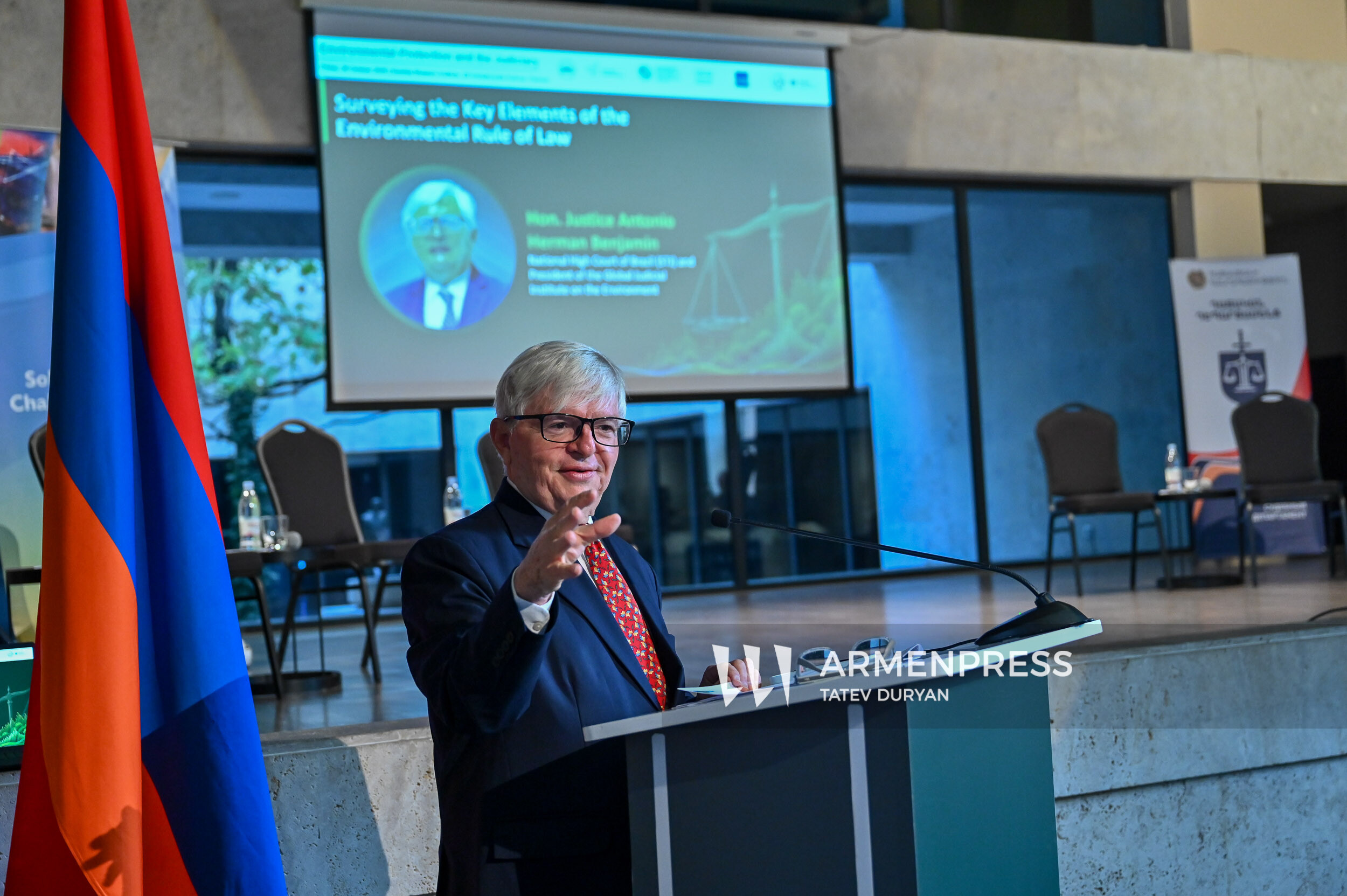
“Why do I mention Mihr? Because today we are here to discuss the rule of law. This is the main theme of our event. We are talking about the environment, but not merely as a separate field; we are also discussing the legal issues associated with it,” Benjamin emphasized.
He said that the international conference addressed the development of environmental law, improvement of legal mechanisms for biodiversity and ecosystem protection, the specific aspects of adjudicating environmental disputes, and ways to enhance the effectiveness of judicial protection.