
 364.32


Social taxi service for residents provided by Sisian municipality
8 minute read

Social programmes implemented in Sisian are easing the daily challenges faced by residents. Within the framework of the EU-funded “Partnership for Syunik: Enhanced Community-Based Social Services” project, People in Need, the WINNET Goris Development Foundation, and Armenian Caritas have implemented several initiatives in Sisian in cooperation with local partners.
Deputy Head of Sisian Municipality, Anna Karapetyan, noted that the municipality had previously conducted a detailed assessment of local social needs. This was particularly important, given the large geographic area of the community and the dispersion of settlements.
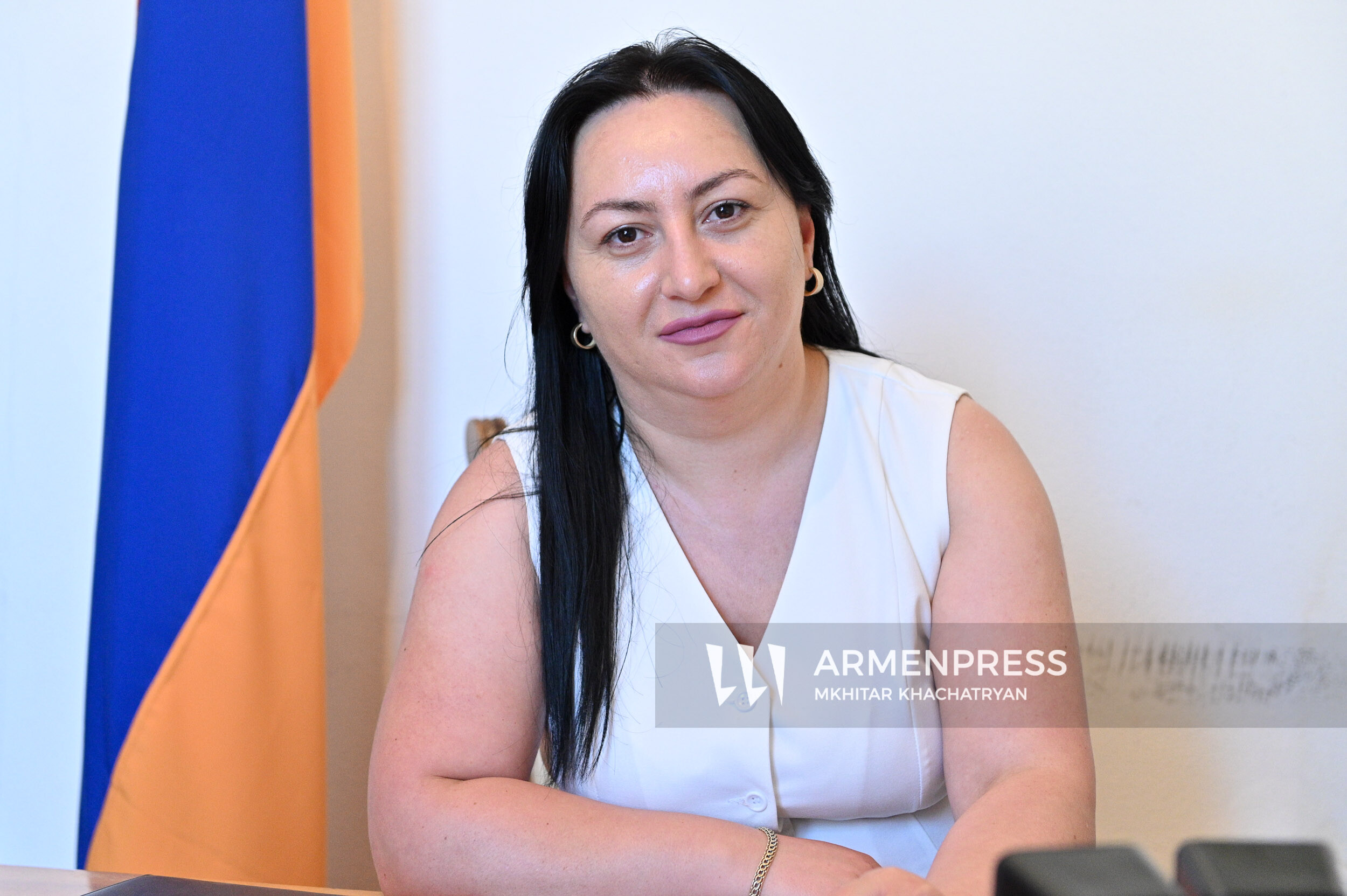
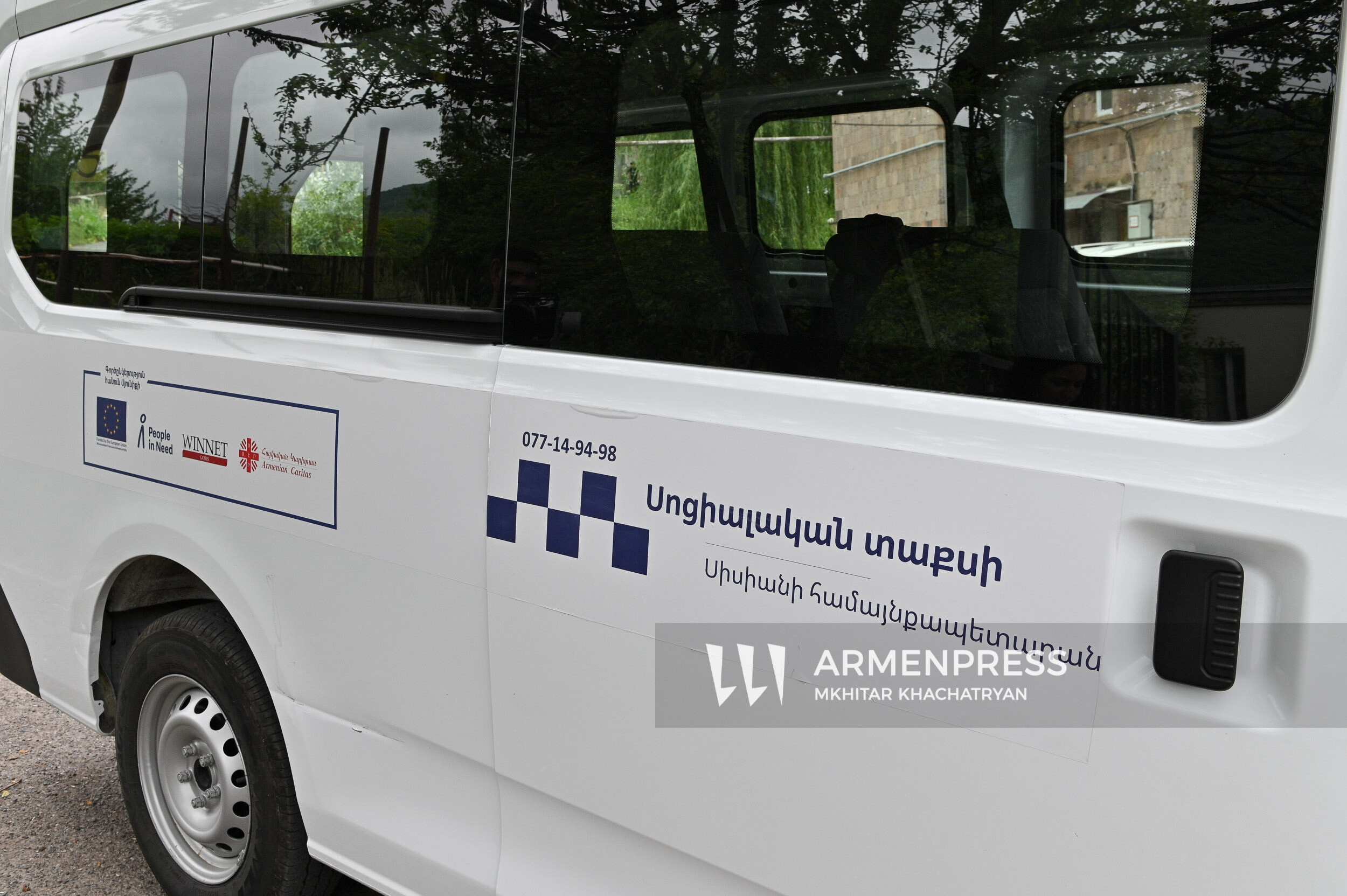
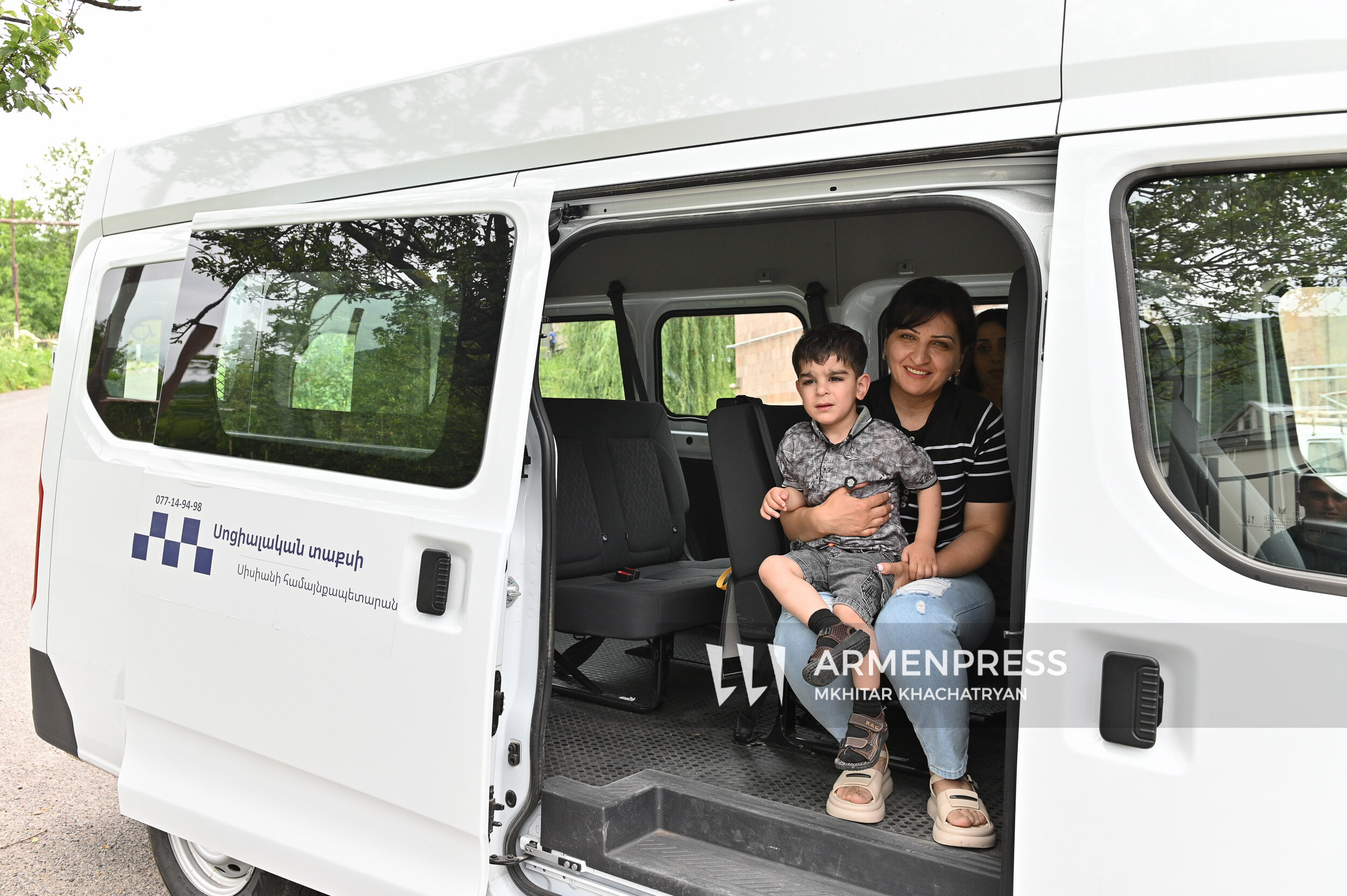
“Our 36 urban and rural settlements are geographically quite distant from one another, and not all villages had public transport connecting them to Sisian town. Based on this issue, as well as the number of persons with disabilities, it was proposed to establish a social taxi service for people with mobility impairments. Thanks to the EU, we acquired an adapted vehicle that provides dignified and safe mobility of persons with disabilities and the serves the needs of socially vulnerable families,” said Karapetyan.
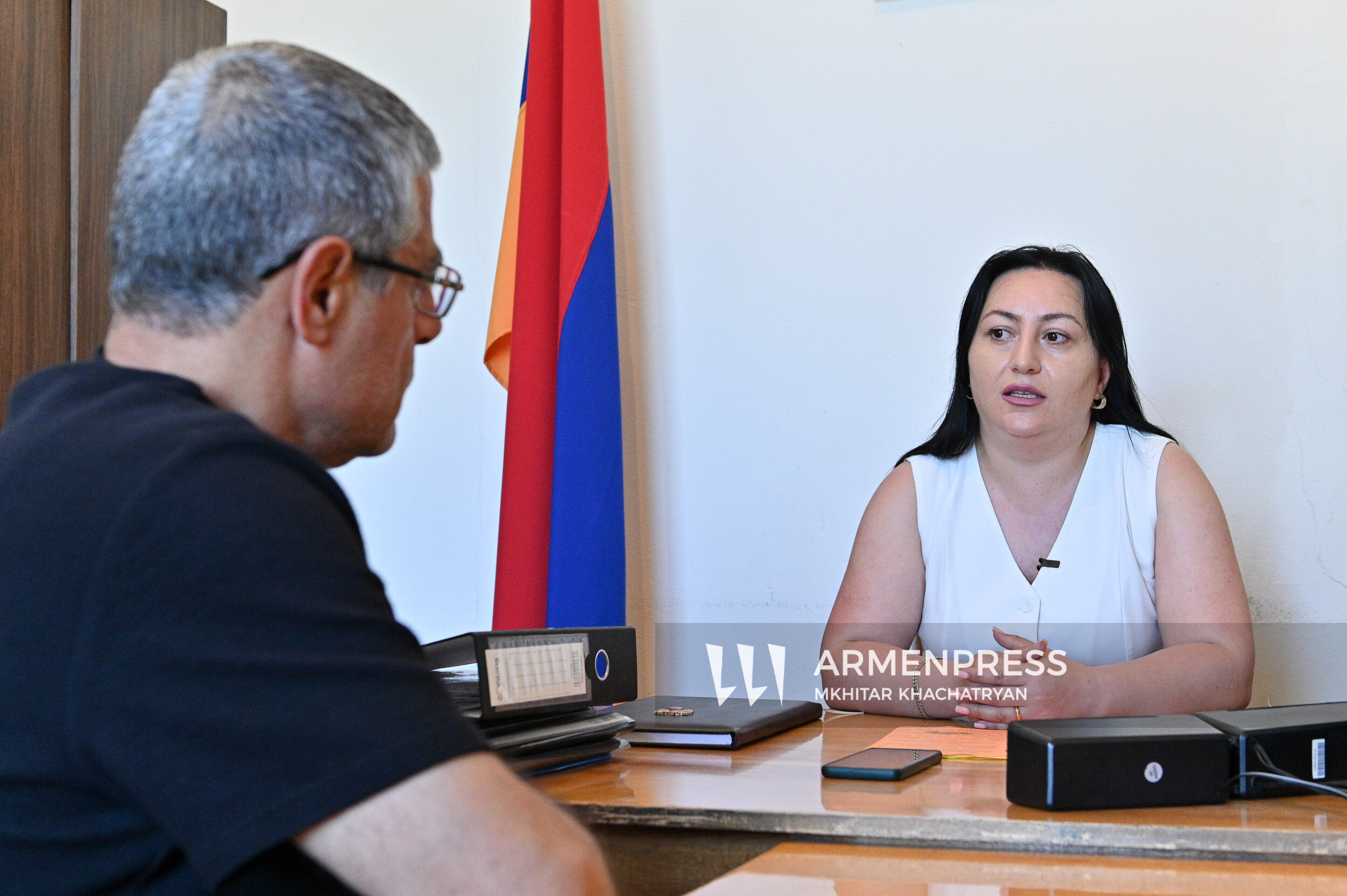
She added that priority access to the social taxi service is given to people with first-degree disability due to mobility impairments or those with severe functional limitations, as well as members of vulnerable families or households in difficult life situations.
Currently, 17 people use the social taxi service in Sisian. The project is designed so that transport is provided after assessing the purpose of travel. Priority destinations include medical and educational institutions, non-formal education centres, and locations providing social rehabilitation, psychosocial, socio-cultural, socio-economic, and legal counselling services.
“Those who need it, use the social taxi service completely free of charge. They are from both Sisian town and nearby villages. The municipality covers their transport costs. We had a good opportunity when People in Need announced the sub-grant scheme, and we implement our idea through this grant. Within the structure of the Sisian Transport Municipal Non-Commercial Organisation, both the driver and his assistant are already employed. Future operational costs will be covered by the municipal budget,” Karapetyan explained.
According to her, Sisian Municipality is the first in Armenia to introduce a social taxi service for its residents. She noted that the introduction of this service has helped change public perceptions and build greater trust in both the municipality and the state, as vulnerable groups are no longer left behind.
One of the main destinations for the Sisian social taxi service is the Goris Rehabilitation Centre, where transportation has become more accessible and convenient for local residents. The Armenian–French rehabilitation centre, “Sante Armeni”, operates with European Union funding.
Lena Dallakyan learned about the centre through relatives living in Goris; she is very satisfied with the services provided to her three-year-old son Her child, who was unable to stand at nine months of age, has shown significant improvement since attending the centre. Dallakyan brings her child twice a week. Initially, they used regular taxis, which were costly, but since the introduction of the social taxi service, the avoid this financial burden.
Kristine Harutyunyan also learned about the centre through relatives. She has been bringing her three-year-old child there for nearly two years. The child also had mobility issues but has now started walking following treatment. Kristine hopes that, thanks to the speech therapist’s support, the child will also begin to speak more freely. Previously, she also had to pay significant amounts for taxi transport from Sisian, but the social taxi has made travel much easier.
According to parents, the rehabilitation centre and the social taxi service have created real opportunities for families in Sisian. At the centre, children work with qualified specialists, including a kinesiotherapist, speech therapist, and psychologist. After attending sessions, the children have become more active, responsive, and engaged with their surroundings.
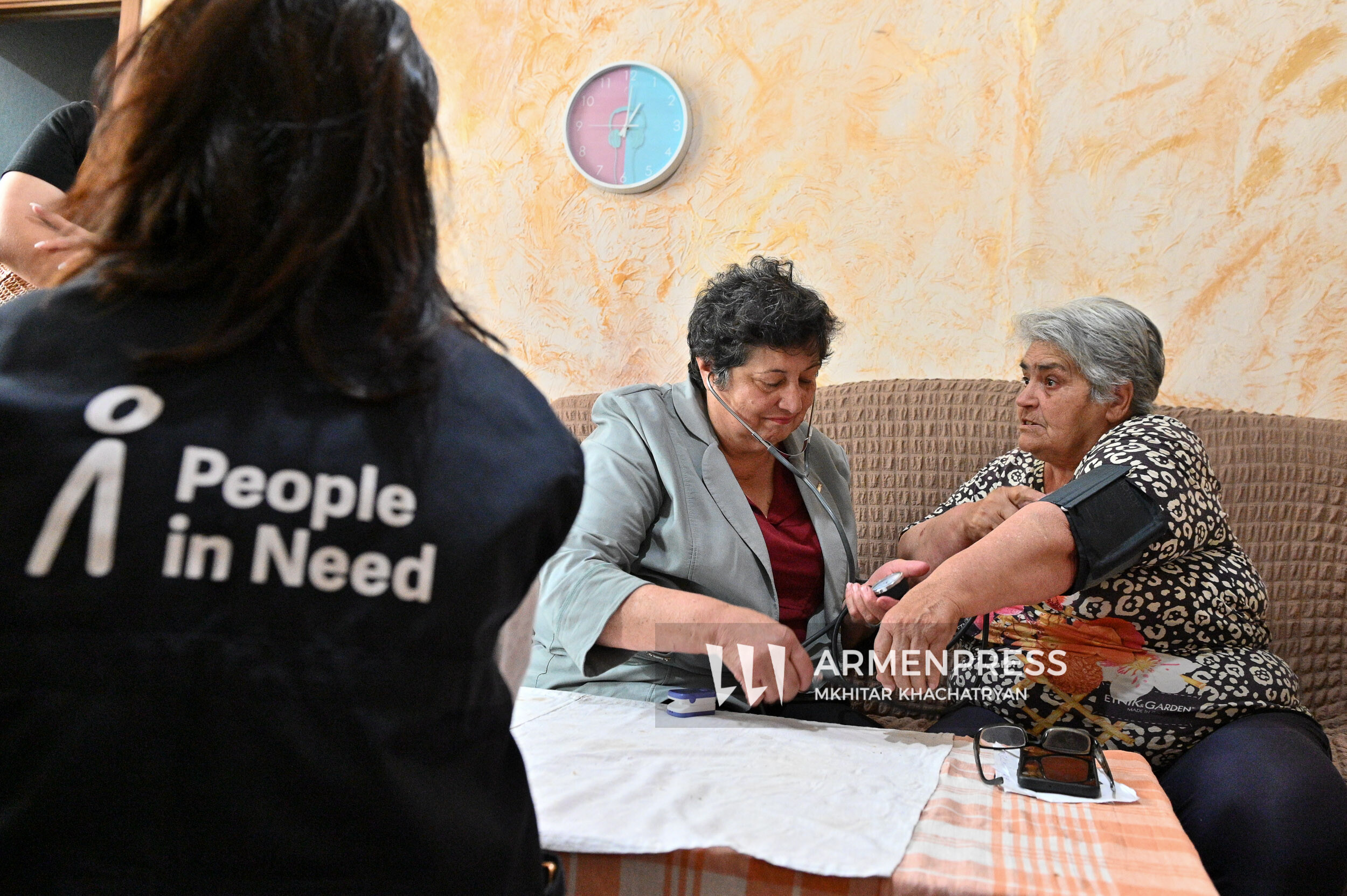
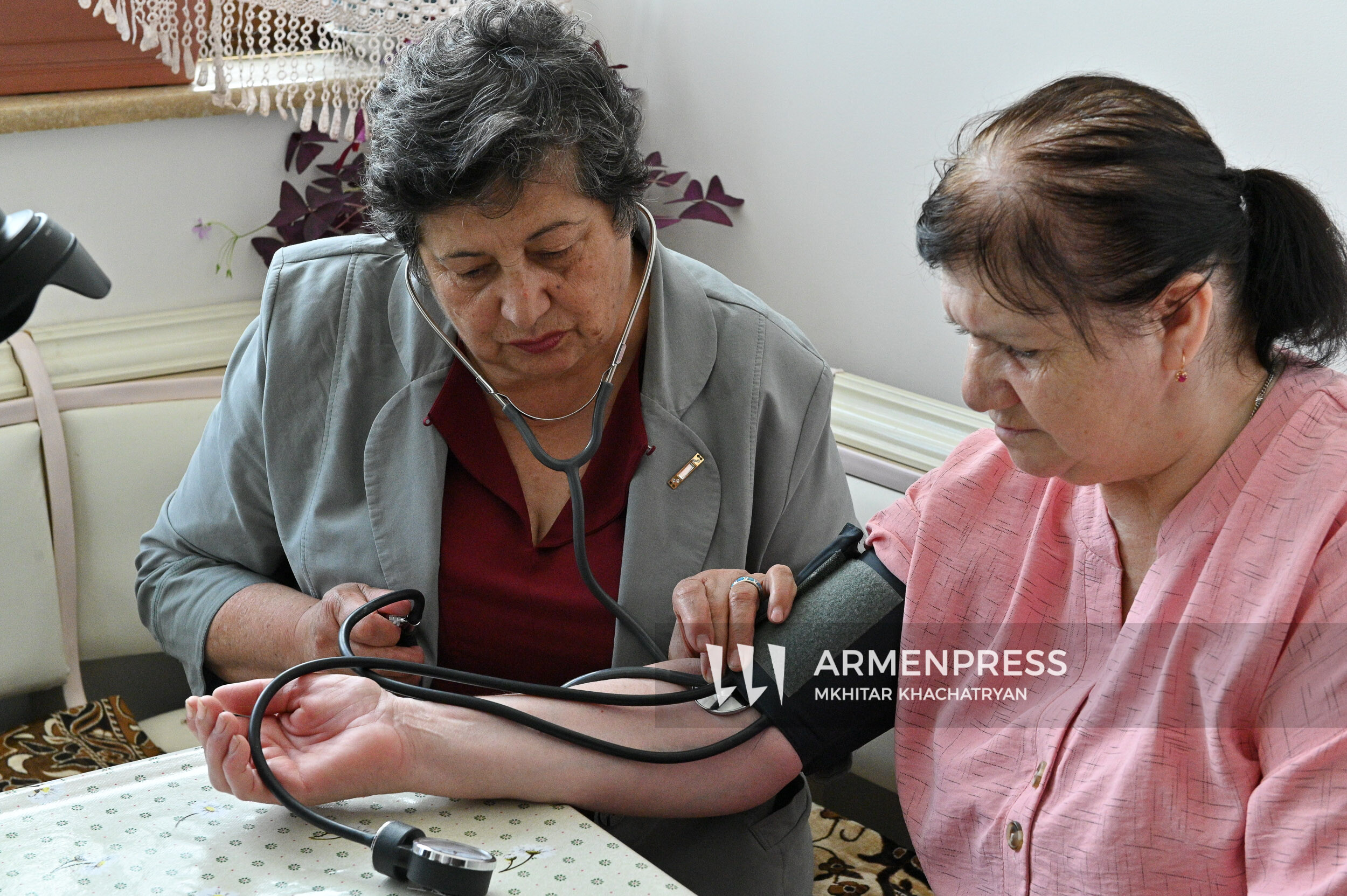
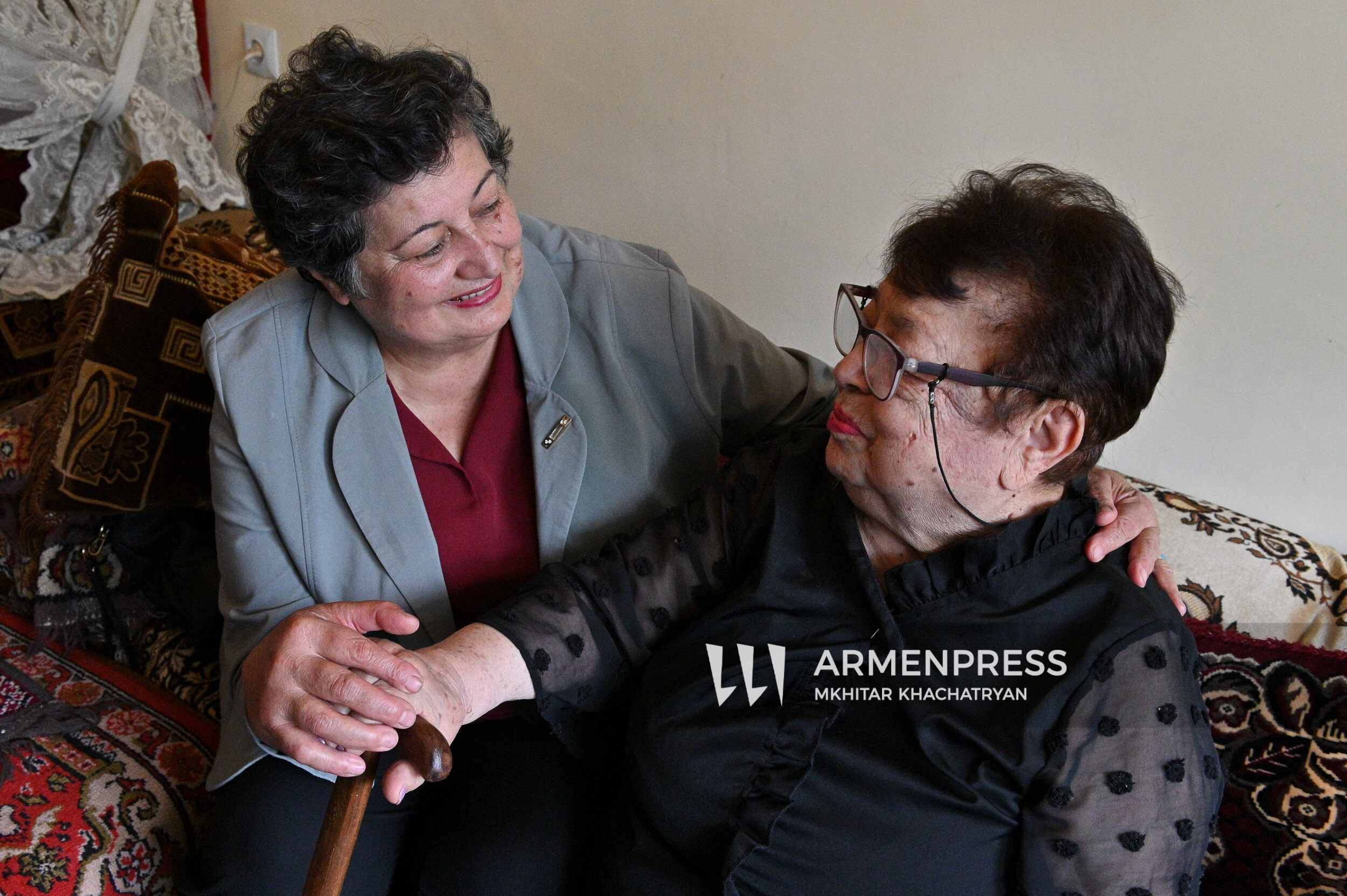
Speaking to Armenpress, Shushanik Mirumyan, President of the Darman Social and Health NGO, referred to the “Children’s Dream” programme, through which living conditions were adapted in 17 households with children.
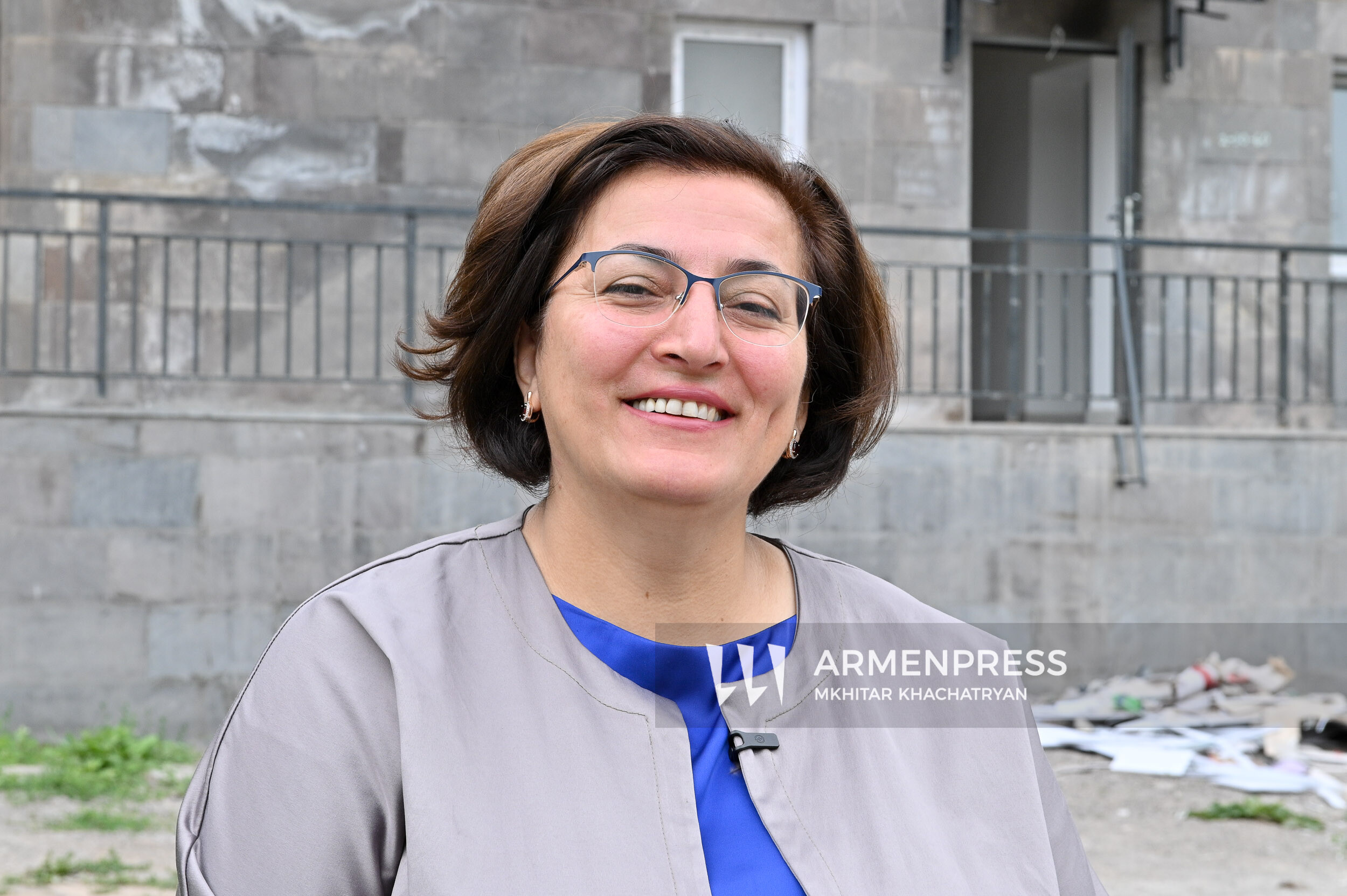
“Unfortunately, the homes of persons with disabilities are often not adapted to their needs. They spend most of their time at home, and this creates additional difficulties not only for them but also for their caregivers. As a result, their full integration into society becomes quite challenging,” she said.
Within the framework of the “Partnership for Syunik: Enhanced Community-Based Social Services” project, the Public Consultation and Research Centre (PCRC) and the Darman NGO conducted a survey of home conditions for persons with disabilities in Goris, Sisian, and Kapan communities. A total of 112 families were assessed, international best practices were reviewed, and a methodology was developed for improving and adapting housing conditions for persons with disabilities in Armenia.
The study received significant attention, was included in Syunik’s five-year development plan, and is currently being considered by the Ministry of Labour and Social Affairs as a potential new type of social service.
The “Partnership for Syunik: Enhanced Community-Based Social Services” project is implemented by People in Need within the framework of the EU Resilient Syunik Team Europe Initiative, in cooperation with the WINNET Goris Development Foundation and the Armenian Caritas.
The Resilient Syunik – Team Europe Initiative is a joint programme involving the European Union, the European Investment Bank, the European Bank for Reconstruction and Development, ten EU Member States (Austria, Czechia, Estonia, Finland, France, Germany, Lithuania, the Netherlands, Poland, and Sweden), and Switzerland. This initiative promotes sustainable socio-economic development in the Syunik region.