
 363.18


An extensive EU-supported package of projects worth over €200 million is being implemented in the Syunik region
7 minute read

The Syunik Regional Governor's Office is currently working to establish multi-dimensional cooperation with international partners. This cooperation is bringing together the state, international organisations, municipalities and civil society organisations.
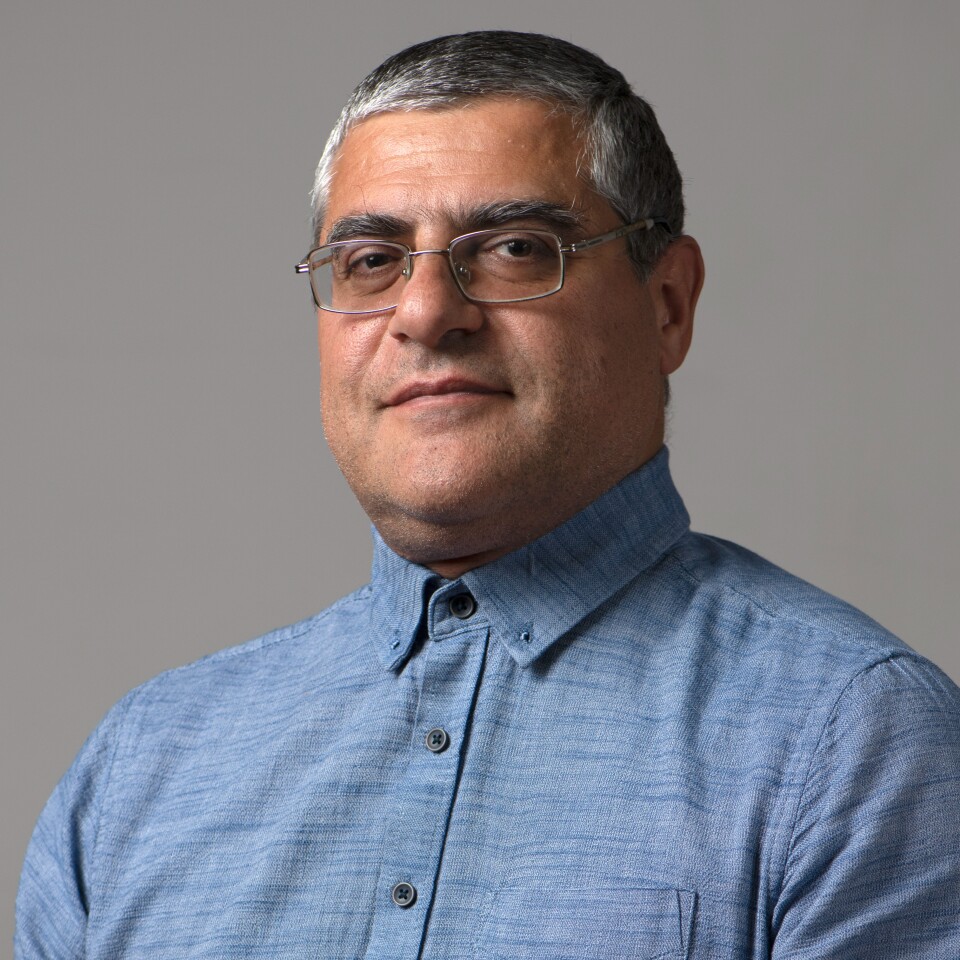
Speaking to Armenpress, Nvard Harutyunyan, Adviser to the Governor of Syunik, noted that, in cooperation with the European Union, a large package of projects is being implemented in the region, with a total budget exceeding €200 million.
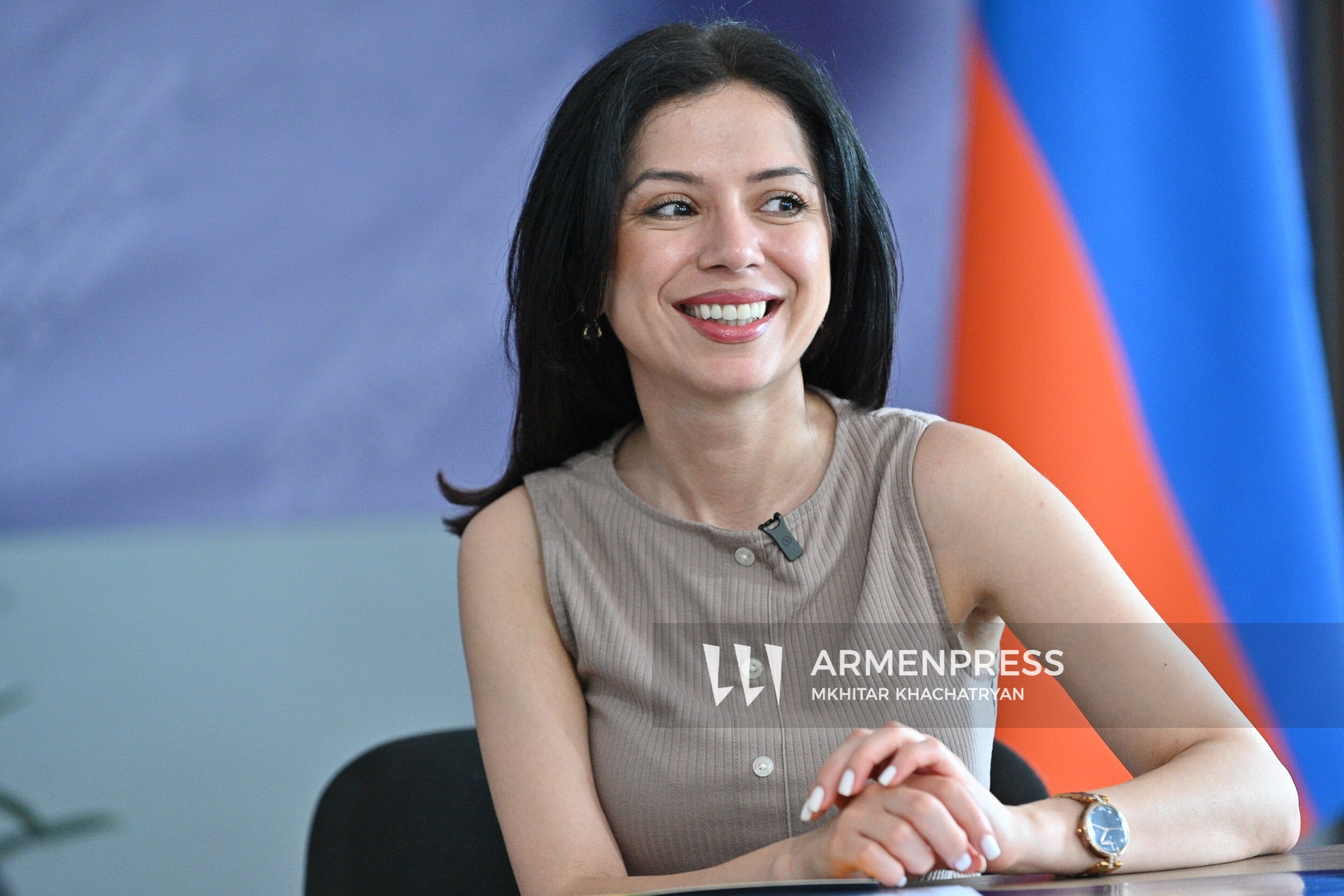
"This is one of the projects implemented exclusively in our region. The results are already visible and tangible. It has successfully gone through all stages and reached completion. We have implemented projects in cooperation with civil society organisations (CSOs), as well as municipal projects, which have created favourable conditions for the development of the social sector and the improvement of the people's quality of life. We identified gaps over previous years, particularly following the forced displacement of our compatriots from Karabakh. Syunik was the first region to receive them, and while we did everything possible within our resources, it became clear that certain areas required further improvement," said Harutyunyan.
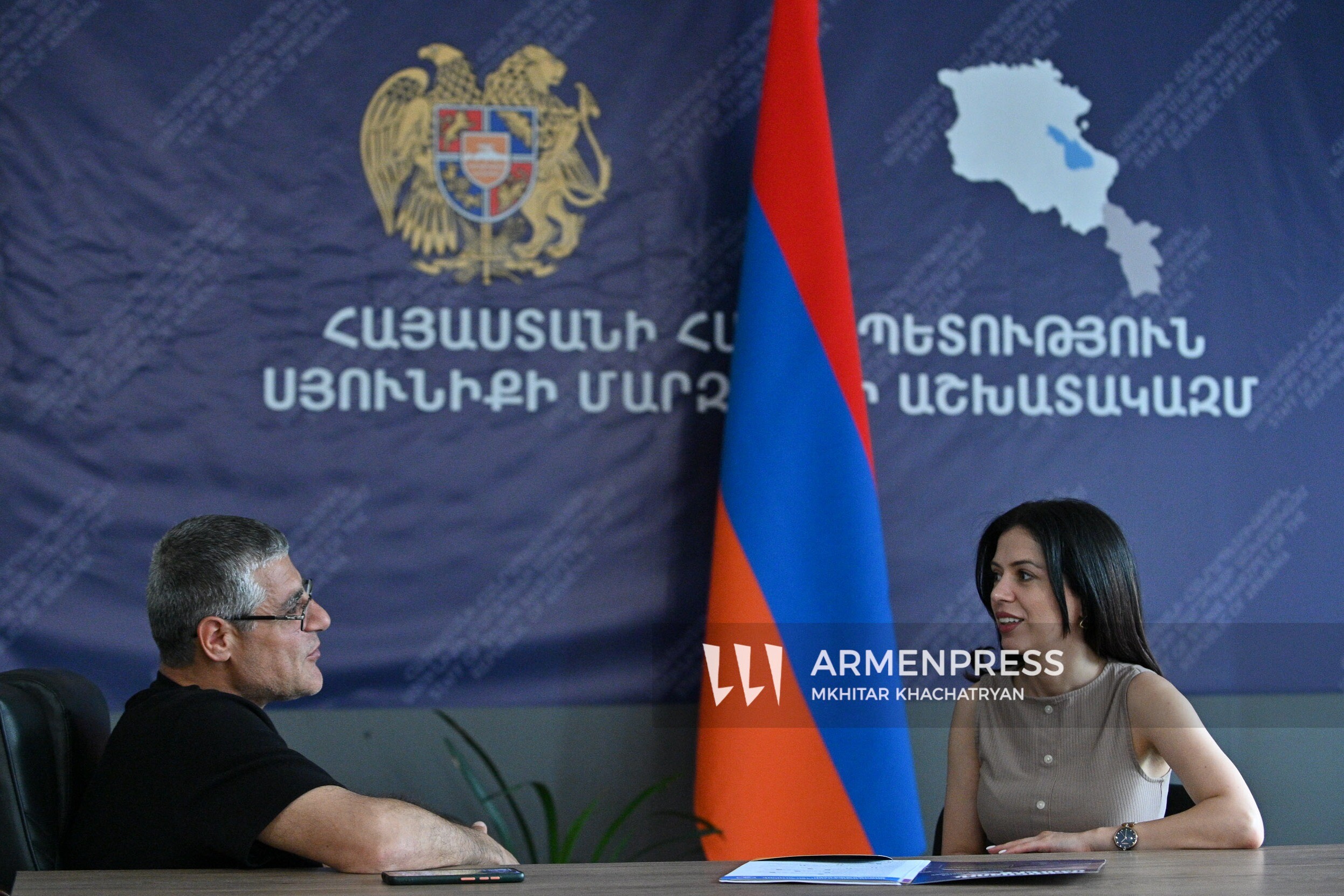
She notes, the priority was to expand opportunities and broaden the range of available social services. Therefore, throughout the project, which began in 2023, efforts were made to widen the package of services so that as many people as possible could benefit.
"The 'Partnership for Syunik: Enhanced Community-Based Social Services' project, funded by the European Union and implemented by People in Need, the Goris Winnet Development Foundation and Armenian Caritas, primarily works through municipalities delivering social services. Previously, only one municipality in the region provided social services. Today, community-based social services have been introduced in four municipalities across Syunik, while services delivered by CSOs are now available in all seven municipalities. At the same time, through close cooperation with the state, CSOs were encouraged to apply for and receive state support to ensure the continuity of these services," Harutyunyan added.
She stressed that support provided by international organisations should lead to long-term sustainability. For this reason, the state commited itself co-financing commitments.
"We have a wide range of projects supporting older people, children, and children with special needs. We have also introduced new services that are unique in their kind, such as the social taxi services in Goris and Sisian. In Sisian, the service operates through the municipal budget and is provided free of charge to the service users. Meghri has established an Inclusive Children's Centre, which is likewise funded through the municipal budget and provides free services to children in need. In border communities, such as Tegh, children's social services were introduced for the first time. The CSO that applied for and received support under the project has now obtained state certification to ensure the long-term continuation of the service," she said.
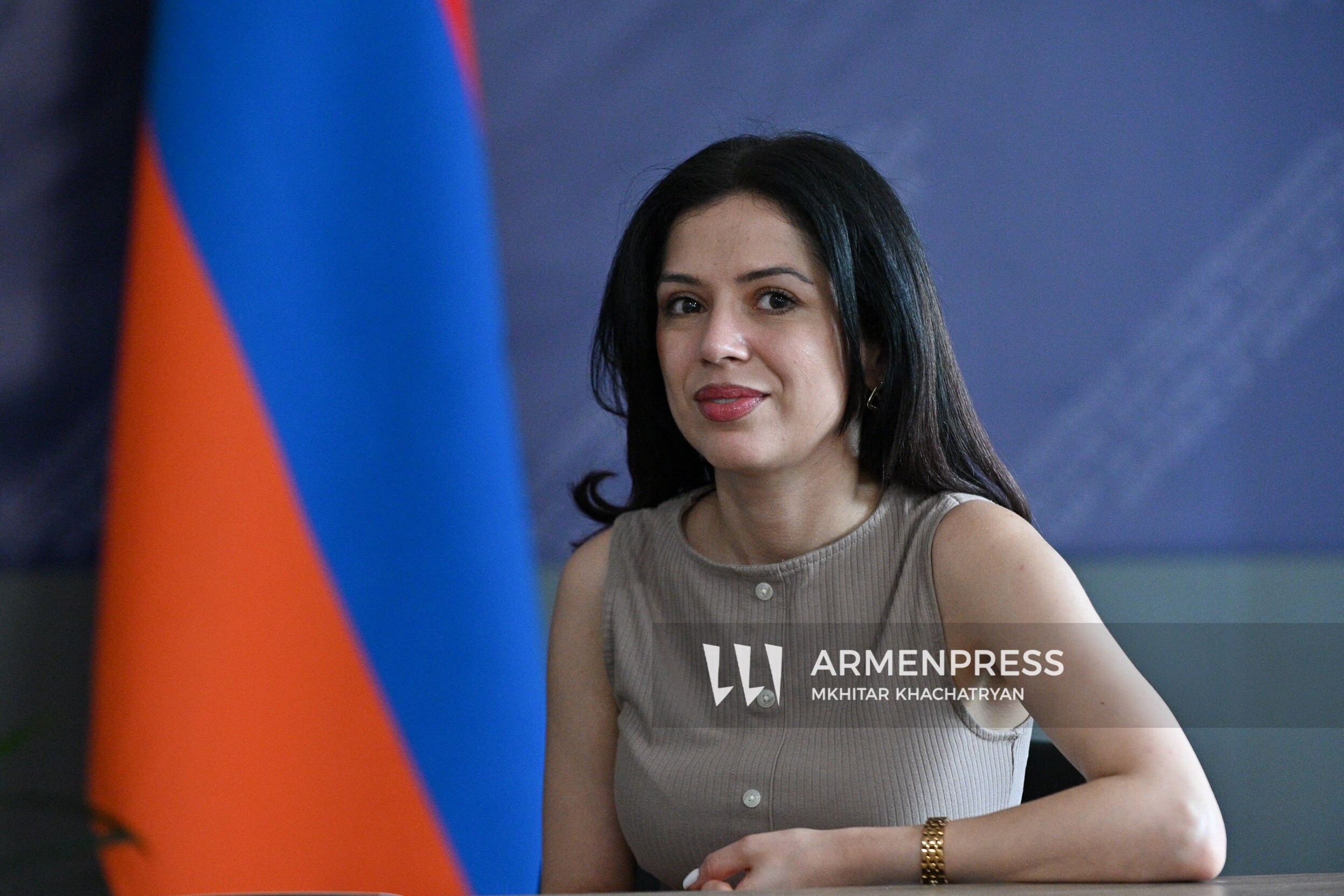
Where state support is required, it is channelled through various mechanisms into priority projects. Social committees have also been established within municipalities, carrying out extensive work to develop community social programmes, which are subsequently incorporated into municipal budgets.
"From the very beginning, we sought to ensure the involvement of all stakeholders so that they would also take ownership of the services being delivered. Importantly, international organisations are no longer working alone. We are supporting them, to multiply the impact of assistance and achieve greater results together. In many communities, municipalities provided construction permits, and technical assistance followed by state support, these services have expanded and become permanent. We have been visited on numerous occasions by the Head of the EU Mission and representatives of various international organisations. Throughout the implementation of the projects they have funded, we have seen only positive outcomes," the Adviser to the Governor of Syunik emphasised.
More broadly, all initiatives implemented under the Team Europe framework are collaborative rather than carried out by a single organisation. Efforts are therefore made to involve not only the Regional Governor's Office but also municipalities. When identifying challenges, all stakeholders participate in the discussions. According to Harutyunyan, close cooperation has been the key to the success of these initiatives.
The Partnerships for Syunik – Enhanced Community-Based Social Services project is implemented by People in Need within the framework of the European Union’s Resilient Syunik – Team Europe Initiative, in cooperation with the WINNET Goris Development Foundation and Armenian Caritas. This work has been made possible thanks to cooperation with civil society, Armenia’s Ministry of Labour and Social Affairs, the Ministry of Territorial Administration and Infrastructure, the Syunik Regional Administration, local government bodies, and the social committees of all seven regional municipalities.
The Resilient Syunik – Team Europe Initiative is a joint programme involving the European Union, the European Investment Bank, the European Bank for Reconstruction and Development, ten EU Member States (Austria, Czechia, Estonia, Finland, France, Germany, Lithuania, the Netherlands, Poland, and Sweden), and Switzerland. This initiative promotes sustainable socio-economic development in the Syunik region