
 362.34


Armenia, Iran to deepen cooperation in combating disinformation
5 minute read

Armenia and Iran have expressed their intention to deepen cooperation in countering disinformation on issues sensitive to both countries.
Gor Tsarukyan, Director of the Public Relations and Information Center of the Prime Minister's Office of Armenia and Chief Executive Officer of IRNA Hossein Jaberi-Ansari expressed such willingness during the visit of the IRNA delegation to the Orbeli Analytical-Research Center in Yerevan.
“Any meeting and contact with our Iranian colleagues is very significant, as we have many common topics and interests to which we attach great importance. I am convinced this meeting will further deepen and develop those relations,” Tsarukyan said.
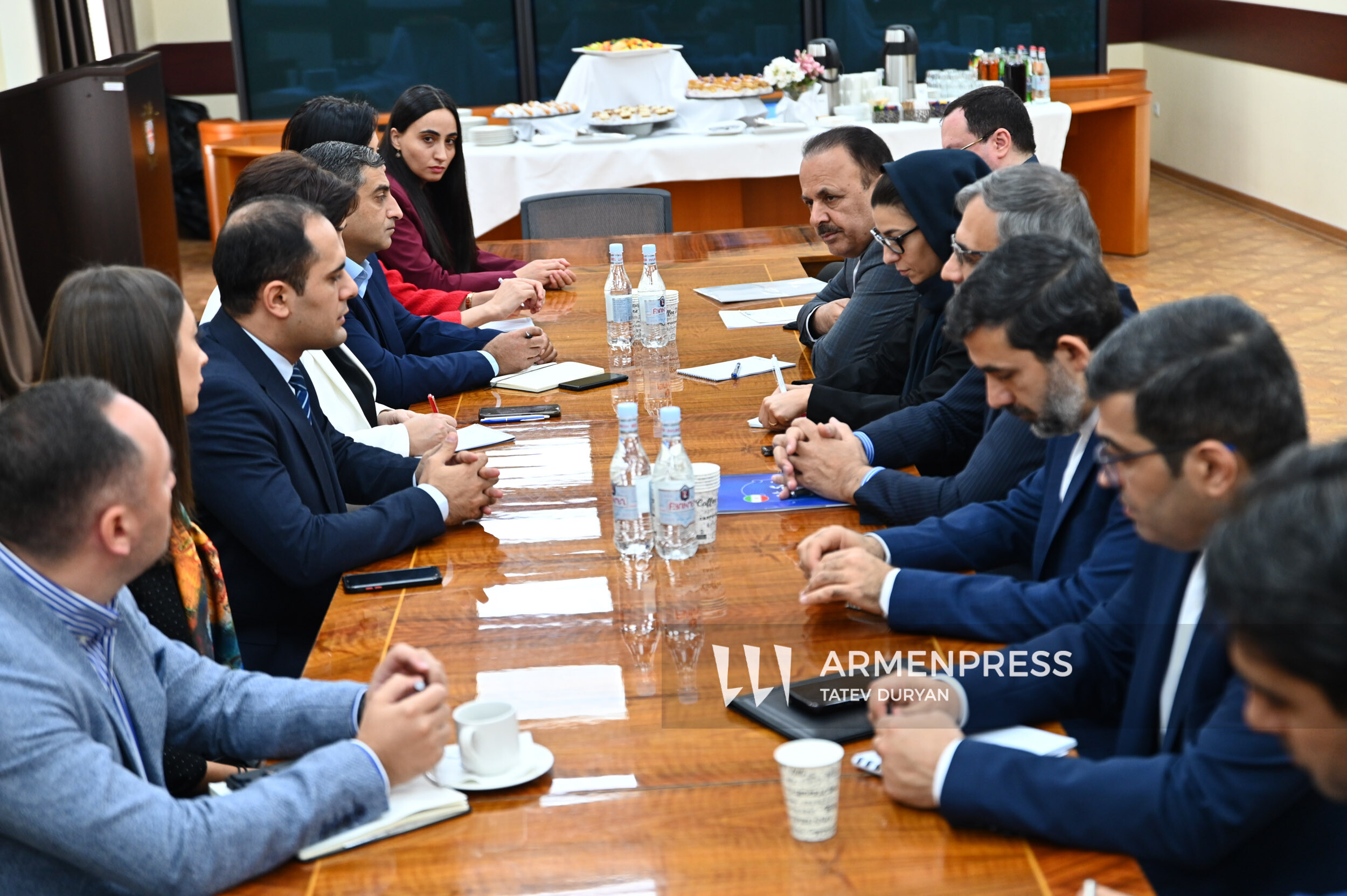
He presented the center’s activities to the Iranian delegation, highlighting government program coverage, monitoring, analytical work, and cooperation with foreign think tanks. Tsarukyan also emphasized the center’s annual regional and international events, which often involve Iranian participation, and noted that memoranda of cooperation have already been signed with leading Iranian analytical centers.
“Another important area of our activity is the fight against disinformation targeting Armenia, its officials, and state institutions. I think in these areas in particular we can hold discussions, reach agreements, and expand cooperation,” Tsarukyan stressed, thanking Armenpress for organizing the meeting.
For his part, IRNA CEO Hossein Jaberi-Ansari expressed gratitude to Armenpress for arranging the meetings. He briefed the Armenian side on IRNA’s core activities, stressing that “IRNA is the national and official news agency of Iran. One of its main functions is to disseminate news.”
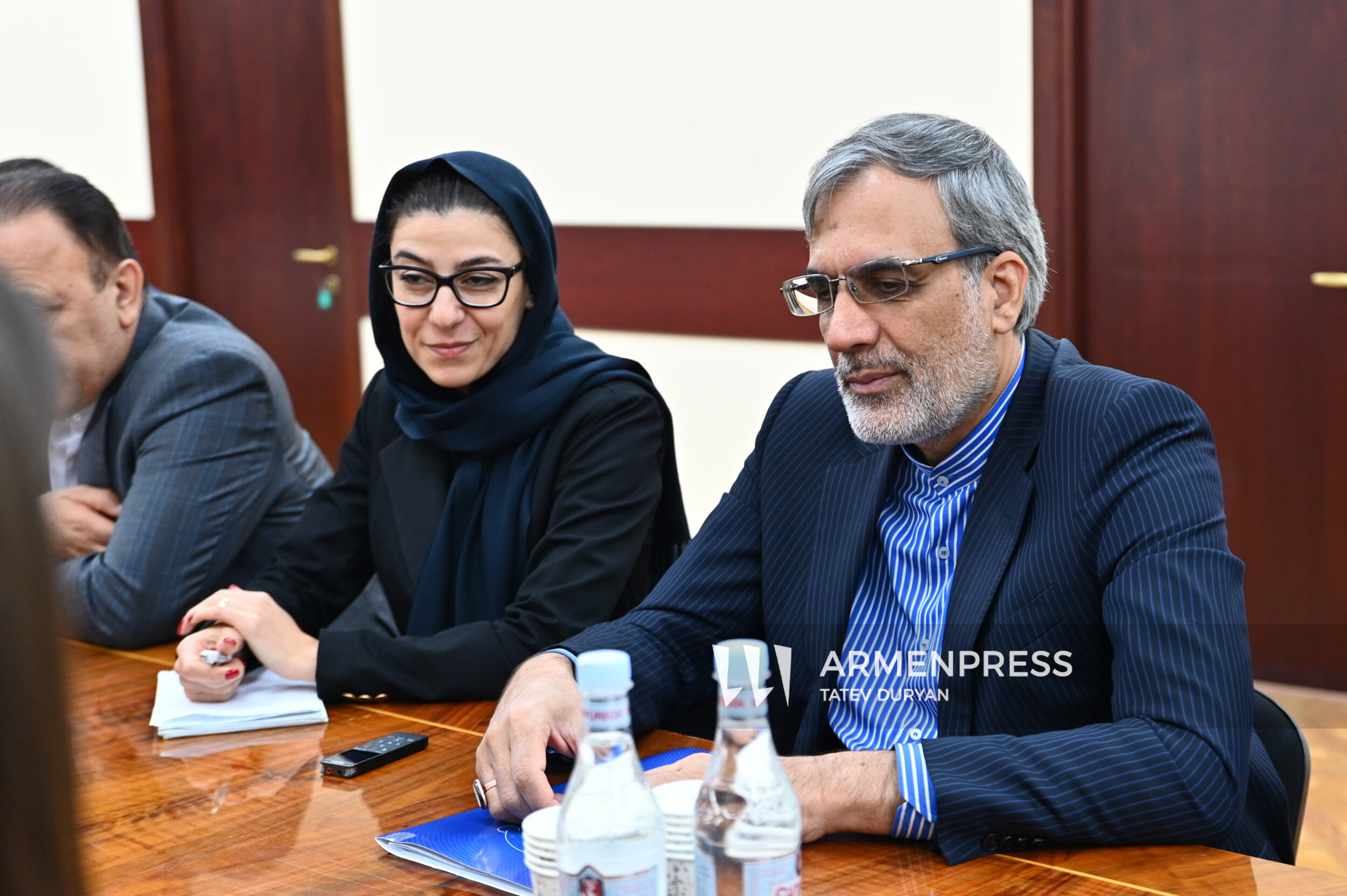
According to him, IRNA is considered the main Iranian media outlet used by other media organizations. Its areas of activity also include news analysis, research, and discussions. “I think this is one of the areas in which we can cooperate with you,” he noted.
In addition to Persian, the agency produces news in 11 foreign languages. “Unfortunately, Armenian is not included in the list of those languages. However, I think this is also one of the topics on which we can cooperate,” Jaberi-Ansari said.
He also pointed out that IRNA has a cultural center operating alongside the news agency. The center publishes books and newspapers. Jaberi-Ansari, in addition to heading the news agency, also serves as chairman of the cultural center’s board.
“I think we can cooperate not only in the media sector, but also in book publishing, translation and analysis,” he noted.
Gor Tsarukyan emphasized the importance of strengthening cooperation with the Iranian side to achieve more successful results in the fight against disinformation on topics sensitive to both countries, particularly those related to Armenia and Iran.
Hossein Jaberi-Ansari also expressed his conviction that all prerequisites exist for expanding cooperation and reaffirmed his readiness to deepen collaboration for the benefit of both countries.
The meeting was also attended by experts from the "Orbeli" Center and representatives of various scientific and educational institutions. They exchanged views with the guests on Armenian-Iranian relations and the prospects for expanding cooperation.
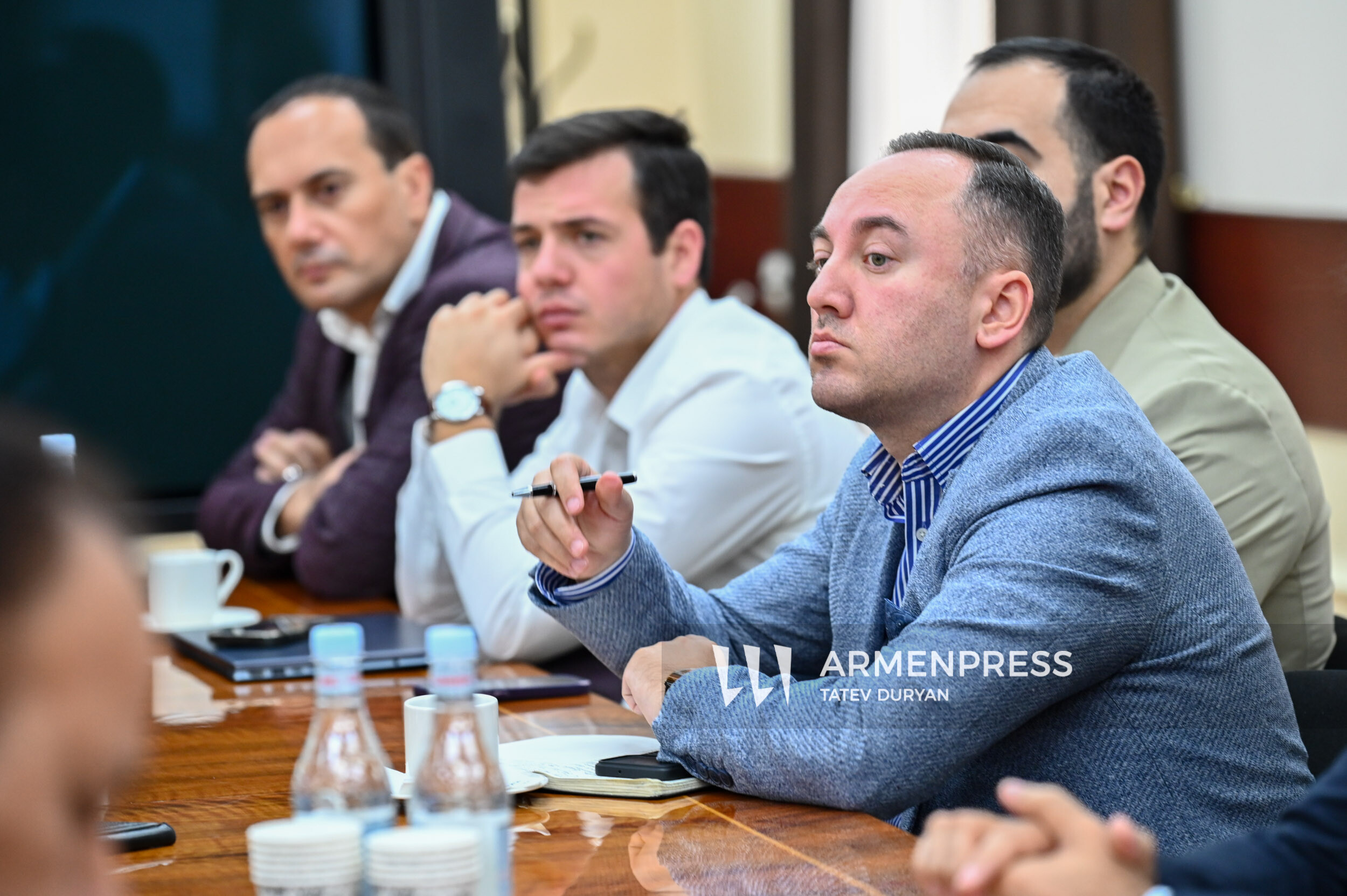
A discussion was held under the title "Armenia-Iran Relations in the Context of Recent Regional Developments." The participants exchanged views on the implementation of individual and joint steps aimed at building and strengthening a peaceful environment in the region, the generation and active circulation of mutually beneficial cooperation ideas, the importance of the role of representatives from the information and expert communities in the current context, as well as other topics of mutual interest.