
 360.29


CCD head: Support for civil society must be continuous and extend across different areas
6 minute read

One of the panel discussions at the EaP Civil Society Summit 2026, held in Chișinău, was titled “Putting People at the Heart of the EU Connectivity Agenda.”
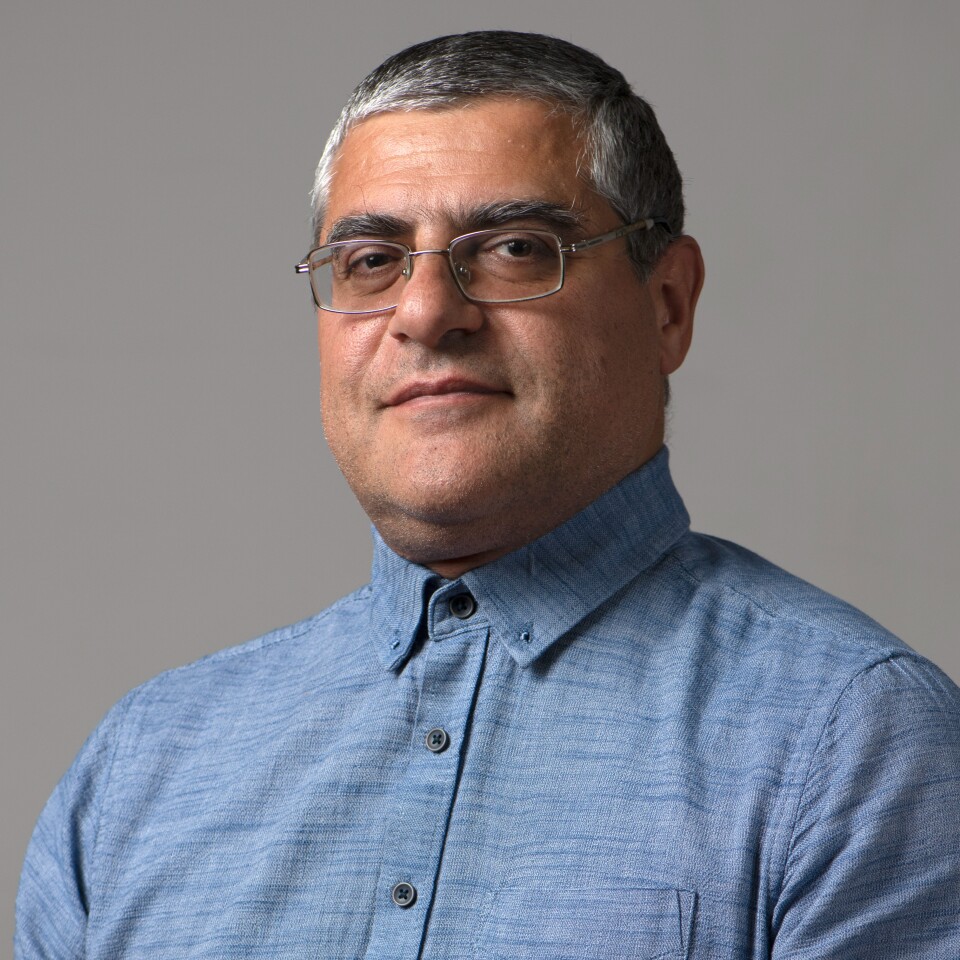
The discussion was attended by Armenian delegate Hasmik Azibekyan, head of the Community Center for Development (CCD) territorial cooperation NGO.
The topic of the discussion was particularly important given that the European Union is advancing its Connectivity Agenda, bringing together Europe, the South Caucasus, the Black Sea region and Central Asia, with a primary focus on the prospects for developing transport, energy, digital infrastructure and trade.
The participants noted that sustainable connectivity depends not only on physical infrastructure but also on strong ties between people, institutions, businesses and societies.
Civil society partnerships, academic exchanges, cultural cooperation, youth mobility, professional networks and business cooperation are essential to building trust, promoting mutual understanding and supporting long-term regional integration.
The panel discussion explored how people-to-people and business-to-business ties can become stronger pillars of the EU’s interregional engagement. What role can civil society and the private sector play in the EU’s connectivity agenda, as well as in expanding cross-border cooperation?
Hasmik Azibekyan noted that the organization she heads is a member of Working Group 2 of the Eastern Partnership Civil Society Forum's Armenian National Platform and that she was attending the summit as an observer. In addition, Azibekyan is a scholarship recipient under one of the Eastern Partnership programs.
“Within the framework of the panel discussion, although the moderator emphasized that civil society is provided with cooperation tools within the Eastern Partnership, the main question was what needs to be done to bring the EU closer to ordinary citizens and ordinary citizens closer to European values. I suggested that the views of representatives of all segments of society be taken into account. The connections that the EU is currently fostering, including through events like this, can help build pathways for cooperation between regions. But if we want to connect societies, we need to strengthen an atmosphere of trust so that different societies, with their different cultural values, different levels of democratic development and different governmental interests, first have an appropriate platform for establishing an atmosphere of trust among them and then deepening it,” Azibekyan said.
She stressed that within civil society, the voices heard should not be limited to those of young people and the media, but should also include representatives of other important segments of society, such as teachers, public and social workers, doctors, businesspeople and others.
“The budgets of most European Union and Eastern Partnership programs are primarily directed toward supporting youth organizations and media outlets, while representatives of other segments of society are not adequately involved in these programs. Therefore, I suggested addressing this gap as well. It would be good to have the technical and financial resources to make the voices of broader segments of society heard not only in our country but also abroad, particularly in the EU,” the NGO head said.
During the panel discussion, Azibekyan put forward four practical steps or recommendations.
“First, I noted that the aforementioned groups in society should have the opportunity to access funding through planned budgets so that they can jointly implement concrete projects. Second, small community-based and rural organizations should also have the opportunity to access these funds. Third, professional experience exchanges should be available not only to universities but also to institutions providing secondary vocational education. Many university students have the opportunity to continue their studies in Europe through EU scholarships, whereas students at secondary vocational education institutions do not have such opportunities. Fourth, cooperation should be long-term, especially since we are talking about building mutual trust,” Azibekyan said.
In her view, it is impossible to bring societies closer together through a single conference, discussion or short-term programs. Therefore, she said, support should be continuous and provided across different areas.