
 360.47


Moldova’s Armenian community is active and faces no difficulties preserving its identity, community leader says
7 minute read

Moldova has an active Armenian community whose day-to-day work helps deepen and develop ties between Moldova and Armenia.
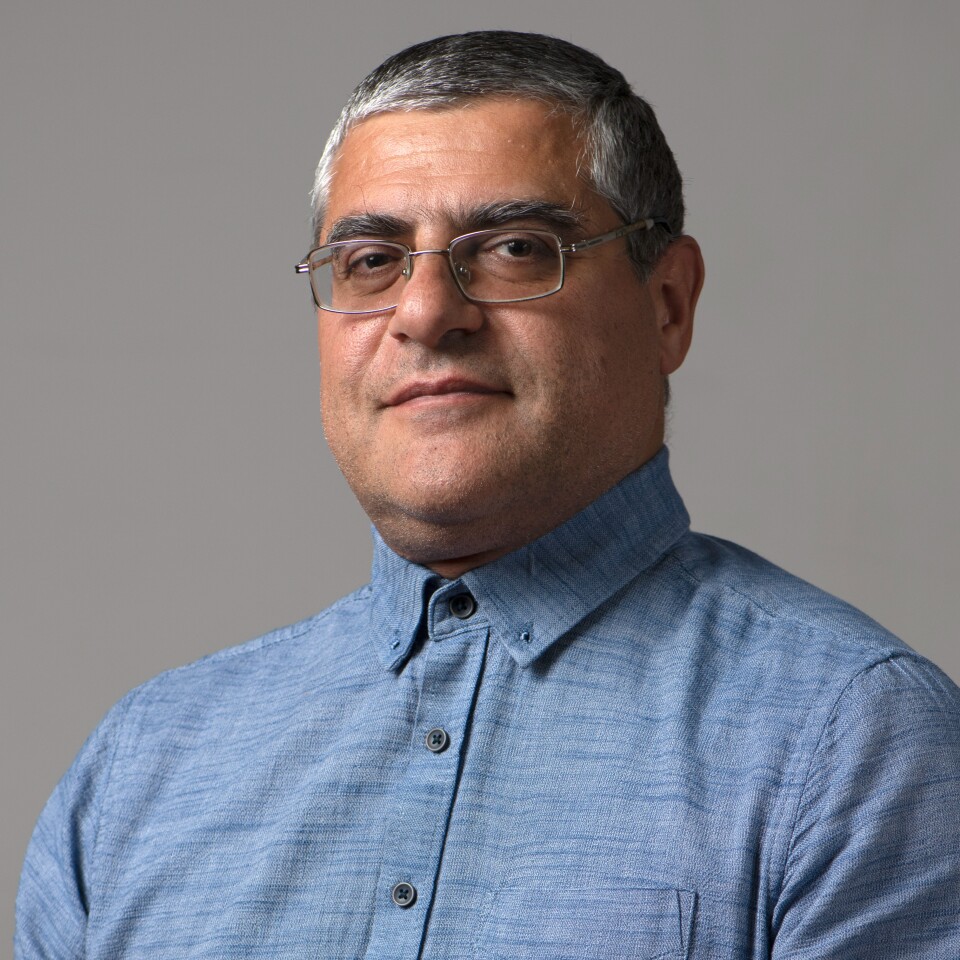
In an interview with Armenpress, the community’s 42-year-old leader, Karen Hovhannisyan, said Armenians were actively involved in Moldova’s social and political life and enjoyed the respect and goodwill of the country’s authorities and people.
Hovhannisyan moved from Armenia in 1993 and studied law at the University of Chișinău. He has led the Armenian community for three years.
“Peoples are known by their distinguished sons and daughters. Armenians have a rich 800-year history in Moldova. Manuk Mirzoyan, better known as Manuc Bey, lived in Hîncești. The buildings on his estate still stand, have historical and cultural value and are protected by the state. After restoration work in 2017, the Manuc Bey House Museum opened in Hîncești. There were prominent figures of Armenian descent both before and after him. Today, there are Armenian MPs in Moldova’s parliament. We have prosecutors, doctors, Doctors of Science, historians and physicists. We also have successful entrepreneurs. Their work helps raise the standing of the Armenian community,” Hovhannisyan said.
He said around 15,000 Armenians now live in Moldova, mainly in Chișinău, Bălți, Hîncești, Anenii Noi, Comrat, Ungheni, Bender and Grigoriopol. He put the figure at more than 20,000 when families in which one spouse is Armenian are included.
Moldova has been pursuing European integration for around a decade, and its authorities say the country will soon join the European Union. Hovhannisyan said that, with Armenia also treating European integration as a foreign policy priority, this offered the Armenian community opportunities to develop, cooperate and make progress.
“Bilateral relations would deepen and develop further if intergovernmental visits took place more frequently. The same applies to contacts between Armenia and our community. The diaspora always stands by Armenia, and Armenians here take a keen interest in developments in their homeland. Tigran Galstyan is currently Armenia’s ambassador extraordinary and plenipotentiary to both Romania and Moldova. He is a very active and knowledgeable diplomat, though he is based in Bucharest. We hope Armenia will also open an embassy in Chișinău in the future. Moldova currently has an honorary consulate in Armenia. I believe that, if talks are successful, both countries could open embassies, giving fresh momentum to bilateral relations and helping deepen them further. Steps towards European integration, shared ideas and similar values provide a basis for that process. With an embassy here, the Armenian community would certainly feel more confident,” he said.
Hovhannisyan said educational and cultural ties between Armenia and Moldova were developing, including through student exchanges. Many students from Armenia have completed placements in Moldova, and the community has organised events with them.
“As part of efforts to promote recognition of the Armenian Genocide, every April, with the agreement of the Moldovan authorities, we give lectures at local educational institutions on Armenian history and historical events concerning our people. Armenia and Moldova have long enjoyed friendly ties and good political relations, but their economic potential has yet to be fully realised. I have been working for several years to expand trade and economic ties. Our two countries do trade, though the figures are still modest. Moldova imports alcoholic drinks from Armenia, including wine and brandy, as well as water, juices and confectionery. Contracts were recently signed to import fish products and flowers. Flowers grown in Armenia have been on sale in Moldovan markets for two months now. Consistent work day in and day out produces visible results,” he said.
Hovhannisyan said Moldova’s Armenian community had done extensive work in recent years to preserve Armenian identity.
“Every year, like other diaspora communities, ours marks the anniversary of the Armenian Genocide. Commemorative events are held in Moldova too,” he said, adding that on 24 April 2025, Moldovan MP Hayk Vardanyan submitted a bill to parliament on recognising and condemning the Armenian Genocide.
An Armenian Sunday school now operates in the grounds of the Armenian church in Chișinău. The possibility of turning it into a full-time school has been discussed with the government. Work is under way, and there is demand for it. Armenia’s Ministry of Education, Science, Culture and Sport and the Office of the High Commissioner for Diaspora Affairs, which is part of the Armenian prime minister’s office, provide textbooks.
Moldova now has three Armenian churches: St Astvatsatsin and St Harutyun in Chișinău, and St Gregory the Illuminator in Bălți.
“We face no difficulties in preserving Armenian identity. We work on it every day. Between 1,000 and 1,500 Armenians are actively involved in the community. We work actively and constructively with the Moldovan authorities. They are willing to help with many of the issues we raise that fall within their remit,” Hovhannisyan said.