
 360.51


Armenia joins EU Customs and Fiscalis programs

8 minute read

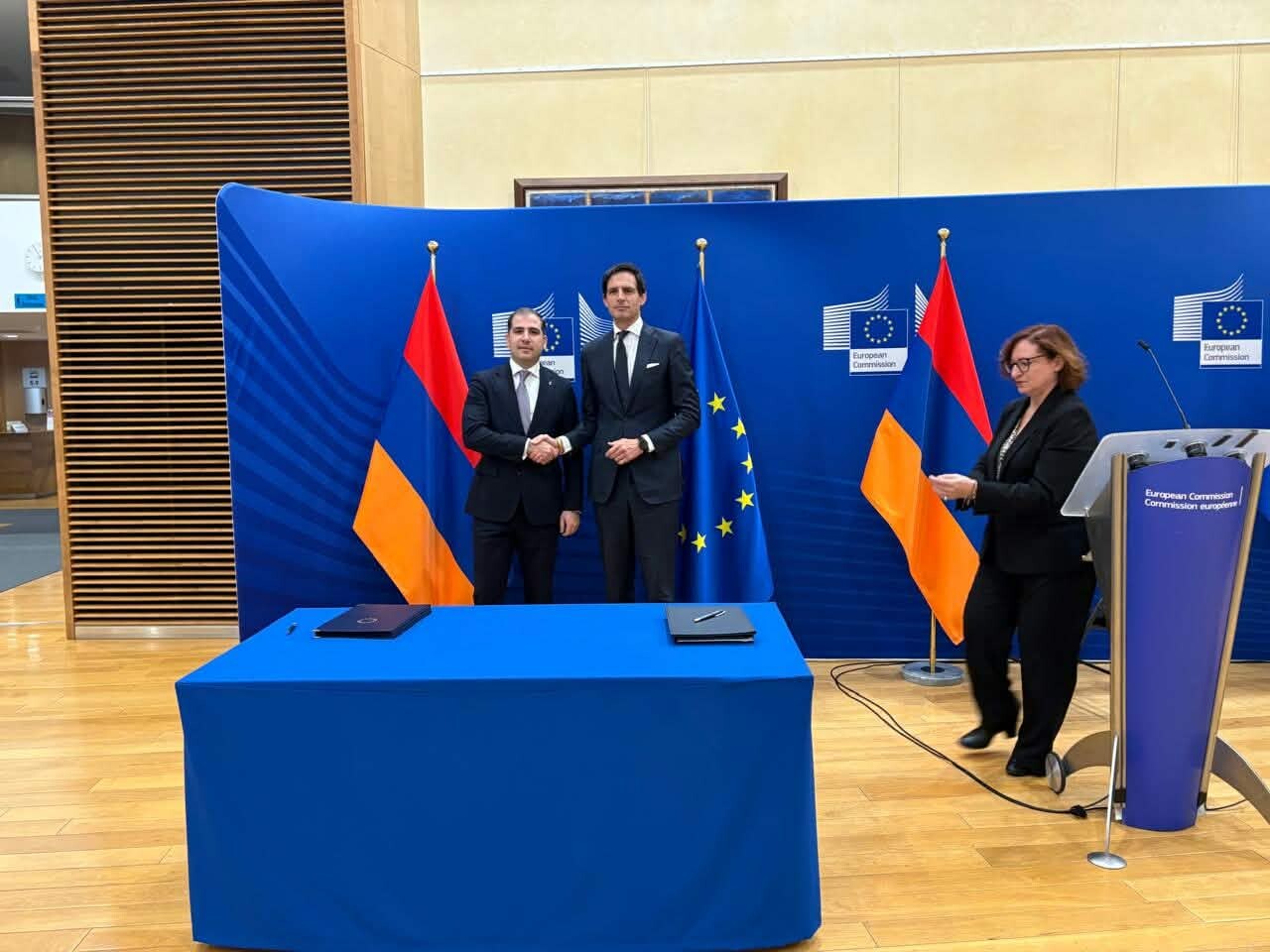
Armenia and the European Union signed two additional important documents on November 12 aimed at deepening cooperation in customs and tax administration by bringing Armenia into the EU’s Customs and Fiscalis programs.

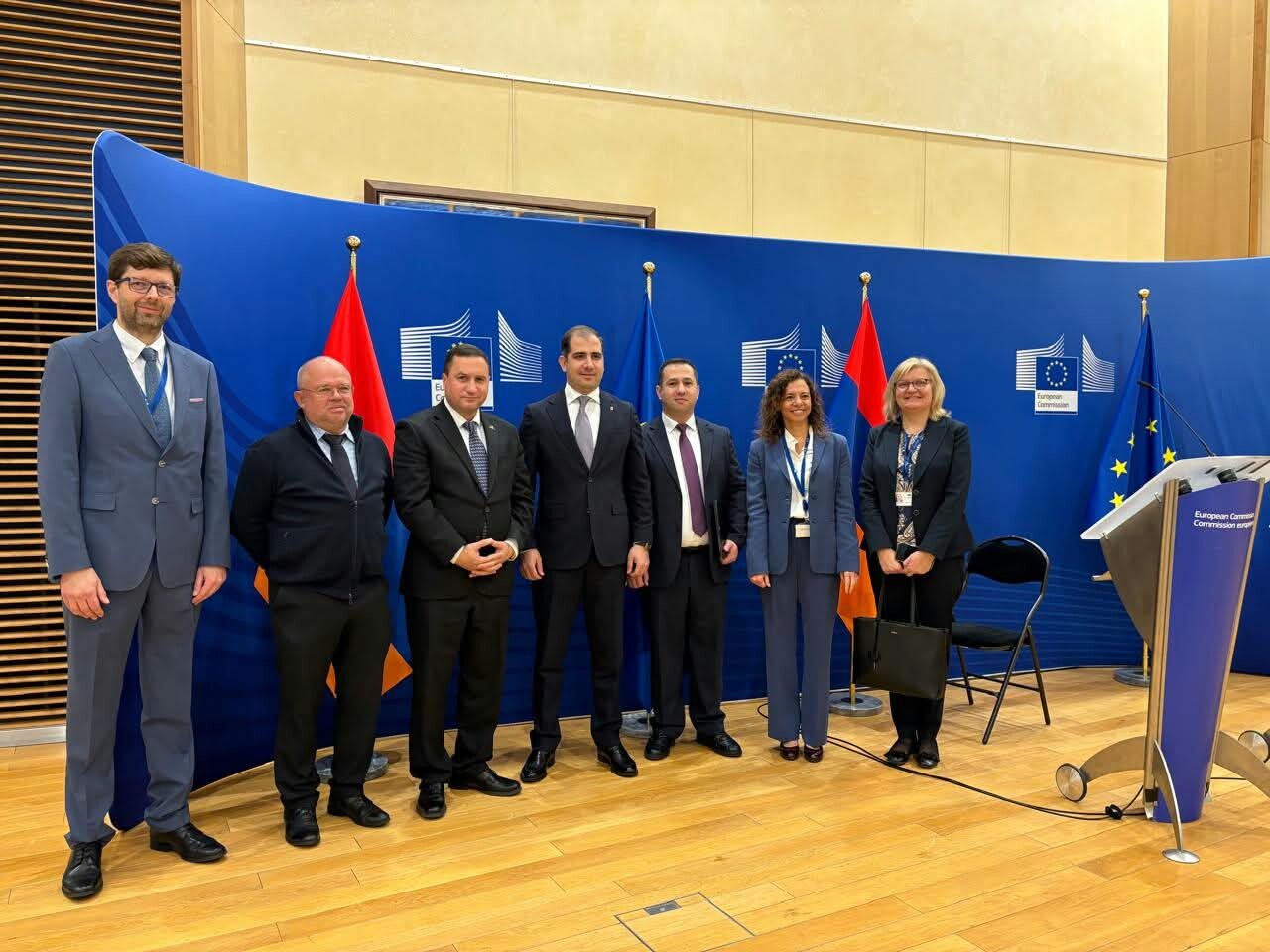
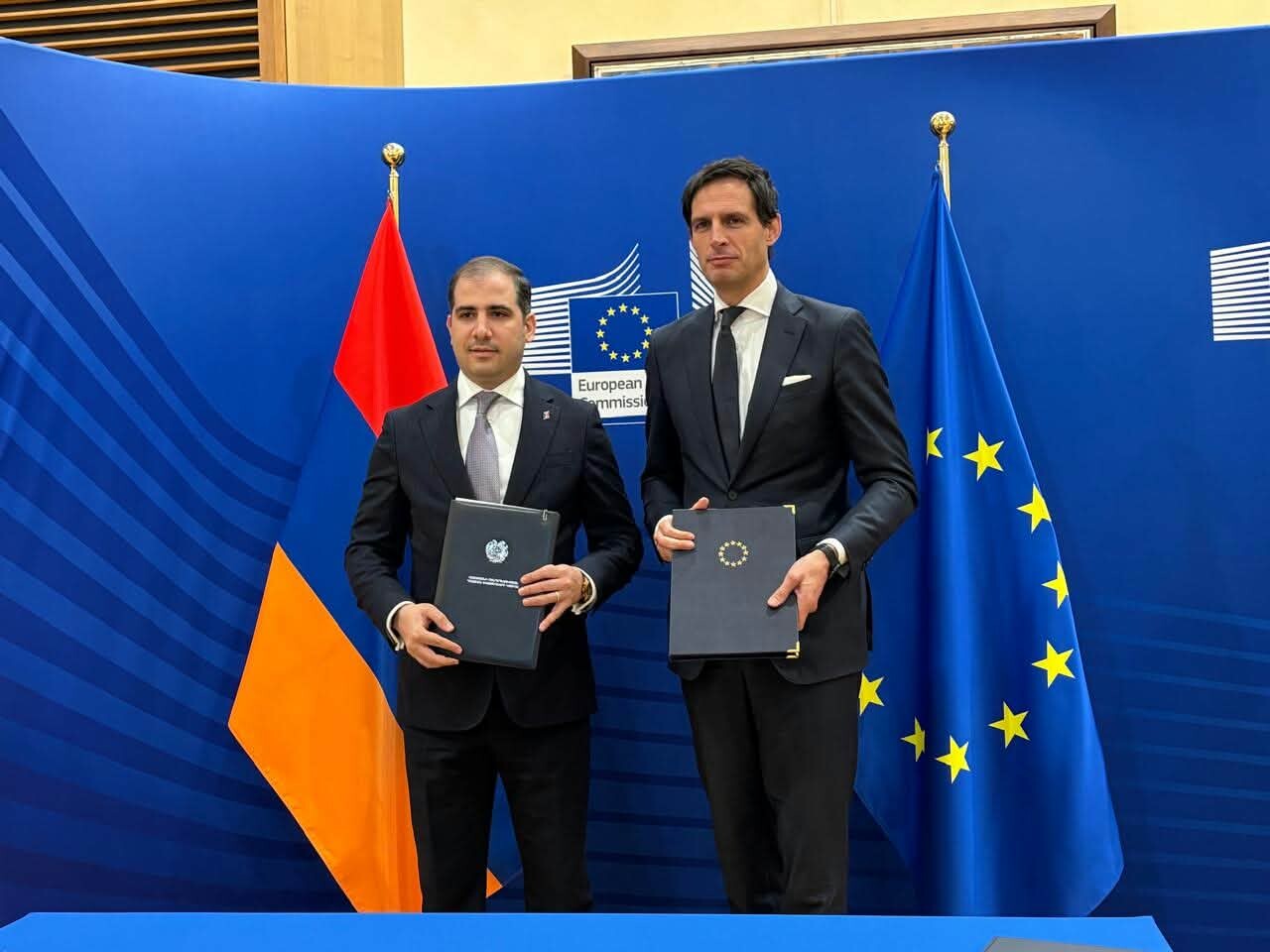
Armenpress correspondent reported from Brussels that the bilateral agreements were signed at the Berlaymont building of the European Commission by Eduard Hakobyan, Chairman of the State Revenue Committee of Armenia, and Wopke Hoekstra, European Commissioner for Climate, Net Zero and Clean Growth.
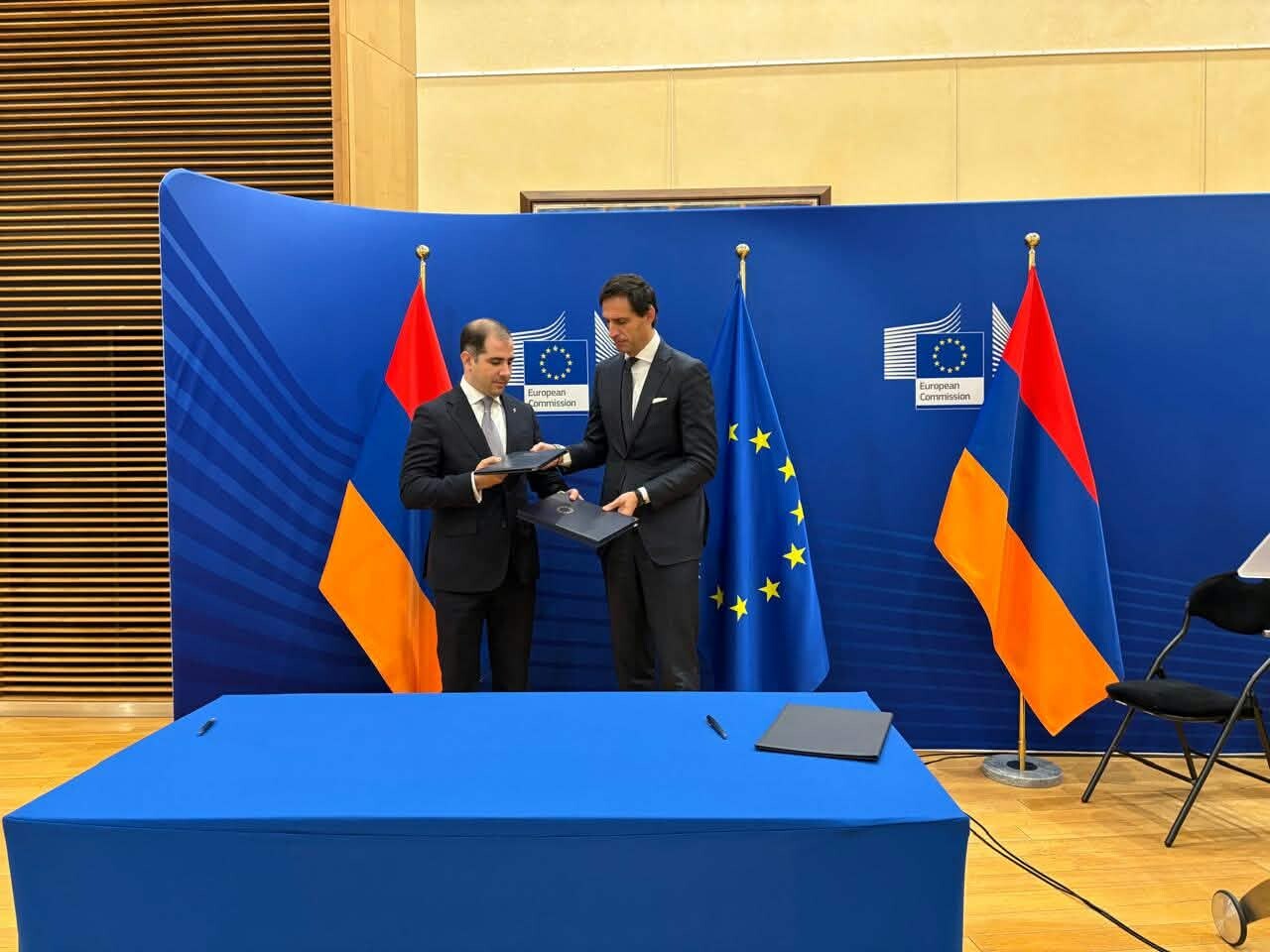
The documents aim to modernize Armenia’s customs and tax systems, promote the adoption of European experience, develop digital capabilities and expand international information exchange.
Commenting on the signing of the agreements, European Commissioner Wopke Hoekstra said that Armenia’s participation in the two programs marks important progress in deepening cooperation in the customs and tax sectors.
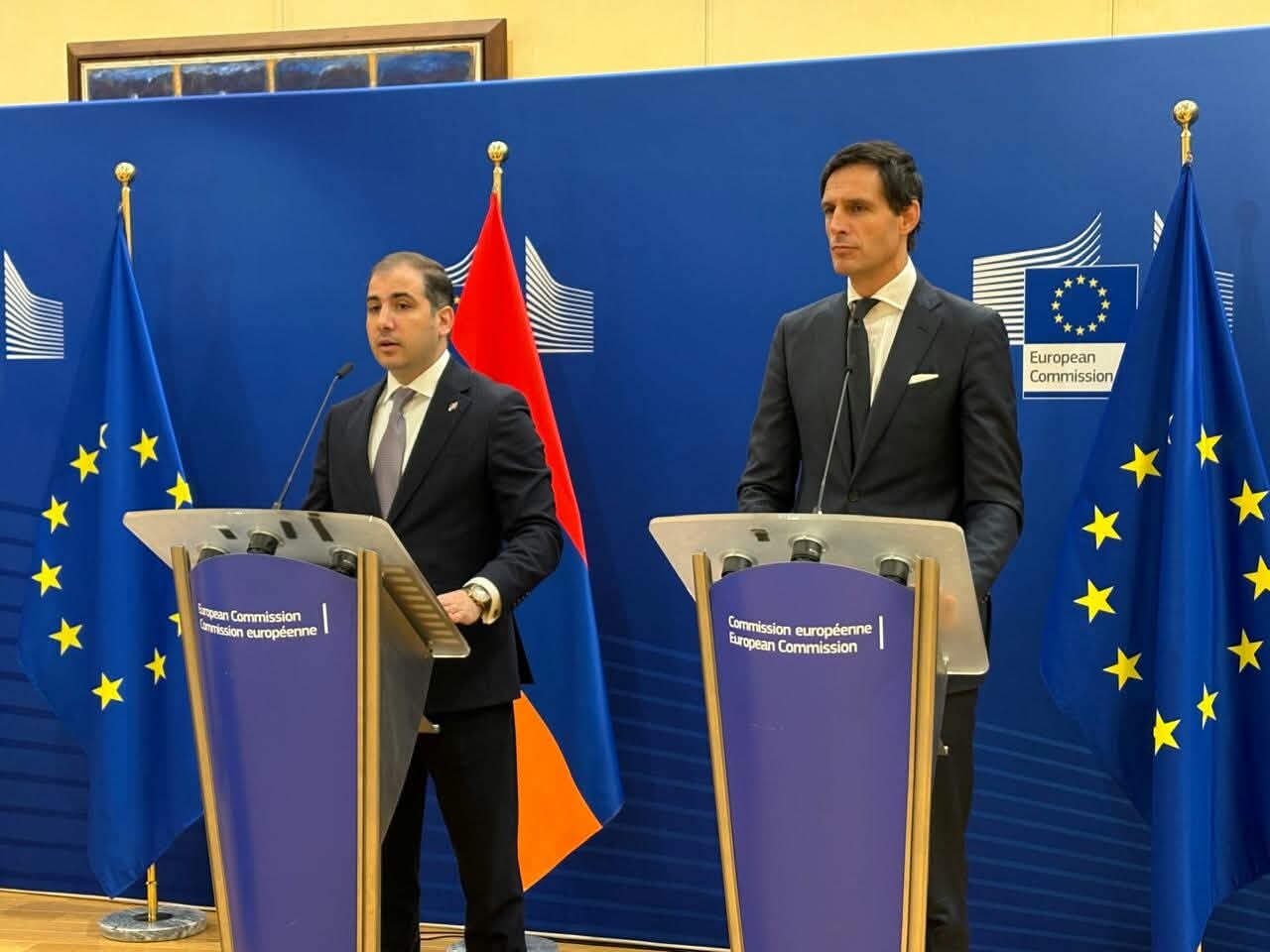
“Armenia will now have the opportunity to cooperate more closely with EU customs and tax authorities, as well as benefit from extensive training and professional capacity-building opportunities. All this is particularly relevant given Armenia’s aspirations to strengthen its ties with the EU, as the European Union is Armenia’s main economic partner,” Hoekstra said.
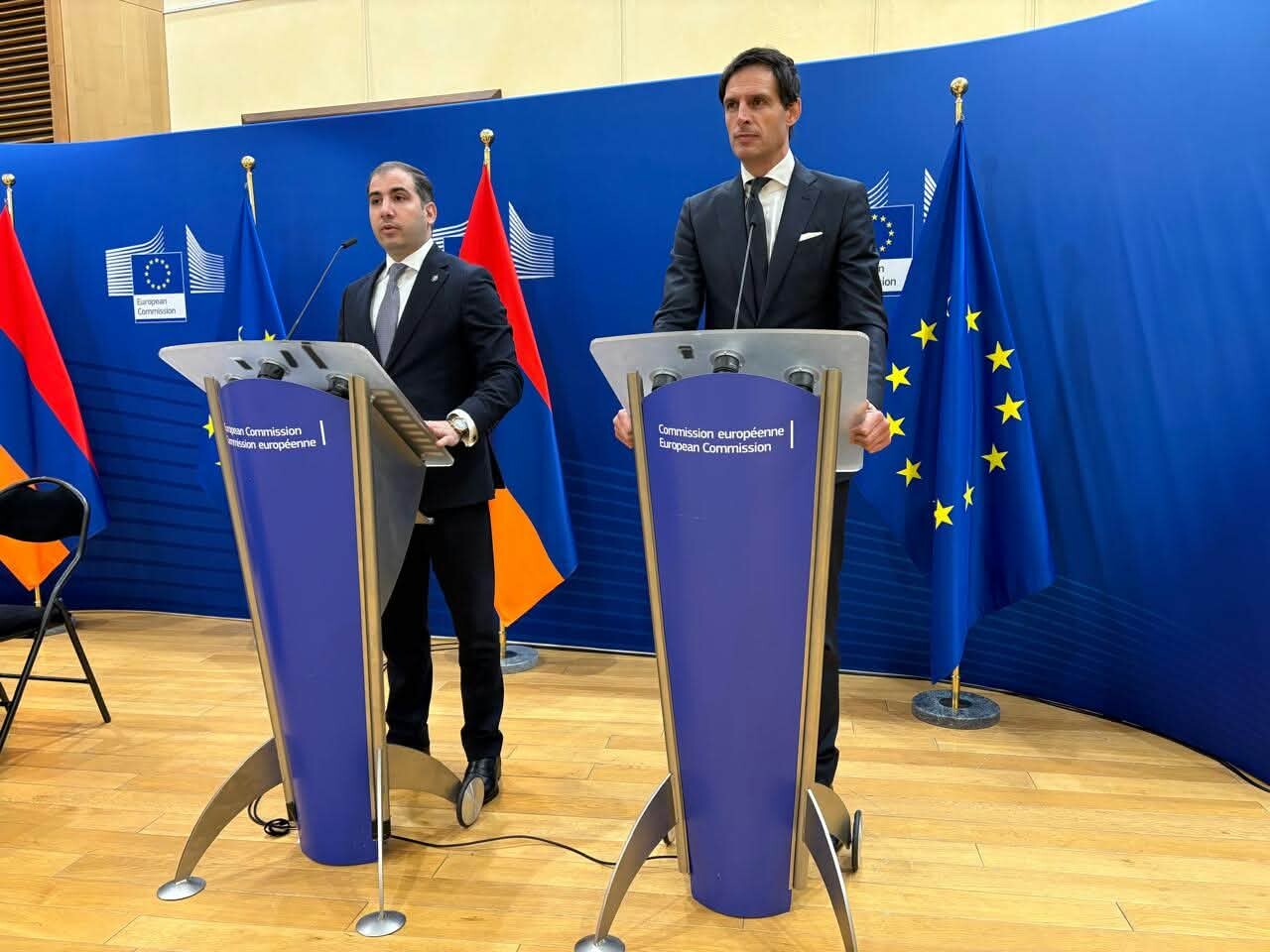
In an interview with Armenpress, State Revenue Committee Chairman Eduard Hakobyan identified three main areas of cooperation that are particularly important for Armenia.
The first is the exchange of experience and professional capacity-building. According to him, the programs provide a platform where representatives of different countries can share their experience, learn from one another and develop their capabilities. For Armenia, this is an opportunity to study European standards, become familiar with the digital systems used in EU countries and understand which of them could be introduced in Armenia. The Armenian side, in turn, is also ready to share its own experience.
The second area is sector-specific expert cooperation. Experts will visit different countries, assess the situation on the ground and provide support for the development of the relevant sectors. Armenia also plans to make use of these opportunities.
The third area, perhaps the most important one for businesses, is the possibility of joining the European transit system. According to Hakobyan, this would make it possible to organize the movement of goods between Armenia and the EU more efficiently, facilitate border crossings and accelerate trade. The Armenian side plans to study how the system operates and the steps required to join it as quickly as possible, so that exporters shipping goods from Armenia to Europe and importers bringing goods from Europe to Armenia can feel its positive impact sooner.
The EU’s Customs program is established under EU Regulation 2021/444 and is designed to promote cooperation between the customs authorities of EU member and non-member countries. Its main objective is to protect the financial and economic interests of the EU and its member states, ensure security and combat illegal trade, while simultaneously promoting legitimate business activities.
Armenia’s participation envisages improvements to customs legislation and administration, the development of risk management mechanisms, the expansion of digital processes and deeper cooperation with EU partner authorities.
Armenia will have the opportunity to participate in joint projects, professional training programs, exchange of experience, studies and innovative initiatives, including pilot projects and the development of interoperability between information systems.
Participation in the program entails a financial contribution by Armenia in the form of an operational contribution and a participation fee. According to the document, the operational contribution is calculated based on the ratio between the program’s budget and Armenia’s GDP, while an 80% reduction is also envisaged. Program grants may be directed toward the development of customs administration, information technology and human resources.
The second program, Fiscalis, is established under EU Regulation 2021/847 and is aimed at developing cooperation between tax authorities.
The program seeks to improve the functioning of the internal market, promote fair competition, combat tax fraud and tax evasion, and contribute to more efficient tax collection. Armenia’s participation will provide opportunities to develop tax administration, use European information systems, expand the exchange of tax data and train tax officials.
The program envisages joint projects, professional training, exchanges of experience and pilot initiatives. Participating countries can select activities in line with their priorities based on multiannual work programs, while the provision of technical assistance also depends on the European Commission’s policy priorities.
The overall rationale behind the two programs is to integrate Armenia’s customs and tax systems more deeply into European cooperation mechanisms.
On the one hand, this involves increasing the transparency and predictability of customs procedures, facilitating legitimate trade and improving risk management. On the other, it involves exchanging tax information, detecting tax fraud and improving the efficiency of tax collection.
Of particular importance will be the possibility of joining the European transit system, which could have a direct impact on trade between Armenia and the EU by facilitating import and export procedures.
Consequently, the key issue is not merely Armenia’s participation in the programs, but also how these opportunities will translate into practical results. The effectiveness of cooperation should be assessed not only by the agreements signed or training programs conducted, but also by the tangible changes experienced by businesses and citizens in the form of simpler customs procedures, faster trade and improved tax administration.