
 360.88


Armenia’s COP17 presidency initiative seeks to reform subsidies harmful to biodiversity
5 minute read

An initiative of Armenia’s COP17 presidency aimed at reforming subsidies harmful to biodiversity and expanding incentives that support nature conservation was launched on October 26 during COP17 in Yerevan.
The event, titled “The Yerevan Call on Incentives Positive to Biodiversity: Launch of the Friends of Target 18 and the Yerevan Biodiversity Finance Challenge,” featured speeches by COP17 President and Armenian Environment Minister Hambardzum Matevosyan, Executive Secretary of the Convention on Biological Diversity Astrid Schomaker, and Global Environment Facility (GEF) CEO and Chairman Diego Mesa Puyo.

Matevosyan said that, following the adoption of the Kunming-Montreal Global Biodiversity Framework, it was necessary to turn shared commitments into practical and accelerated action. He noted that reforming incentives was a complex and sensitive process because they are linked to countries’ economic and social priorities and can affect individual sectors and communities in different ways.
“As I have said before, biodiversity issues must move beyond the remit of environment ministries. This initiative is designed to ensure cooperation among the ministries responsible for finance, agriculture, economy and development,” Matevosyan emphasized.
He presented the voluntary Friends of Target 18 platform, which is intended to sustain political commitment, facilitate the exchange of national experience, promote practical solutions and continue cooperation beyond COP17. Matevosyan invited countries to support the Yerevan Call on Incentives Positive to Biodiversity and consider joining the platform.
The initiative has three interconnected components: the Yerevan Call on Incentives Positive to Biodiversity, the Friends of Target 18 cooperation platform, and the Yerevan Biodiversity Finance Challenge.
The latter is designed to translate political commitments into practical action at the national level by supporting the assessment and reform of incentives, biodiversity finance planning, and the integration of biodiversity considerations into budgetary processes.
Schomaker, in turn, drew attention to the effectiveness of government support, noting that some subsidies undermine the very natural foundations of the economic sectors they are intended to support.
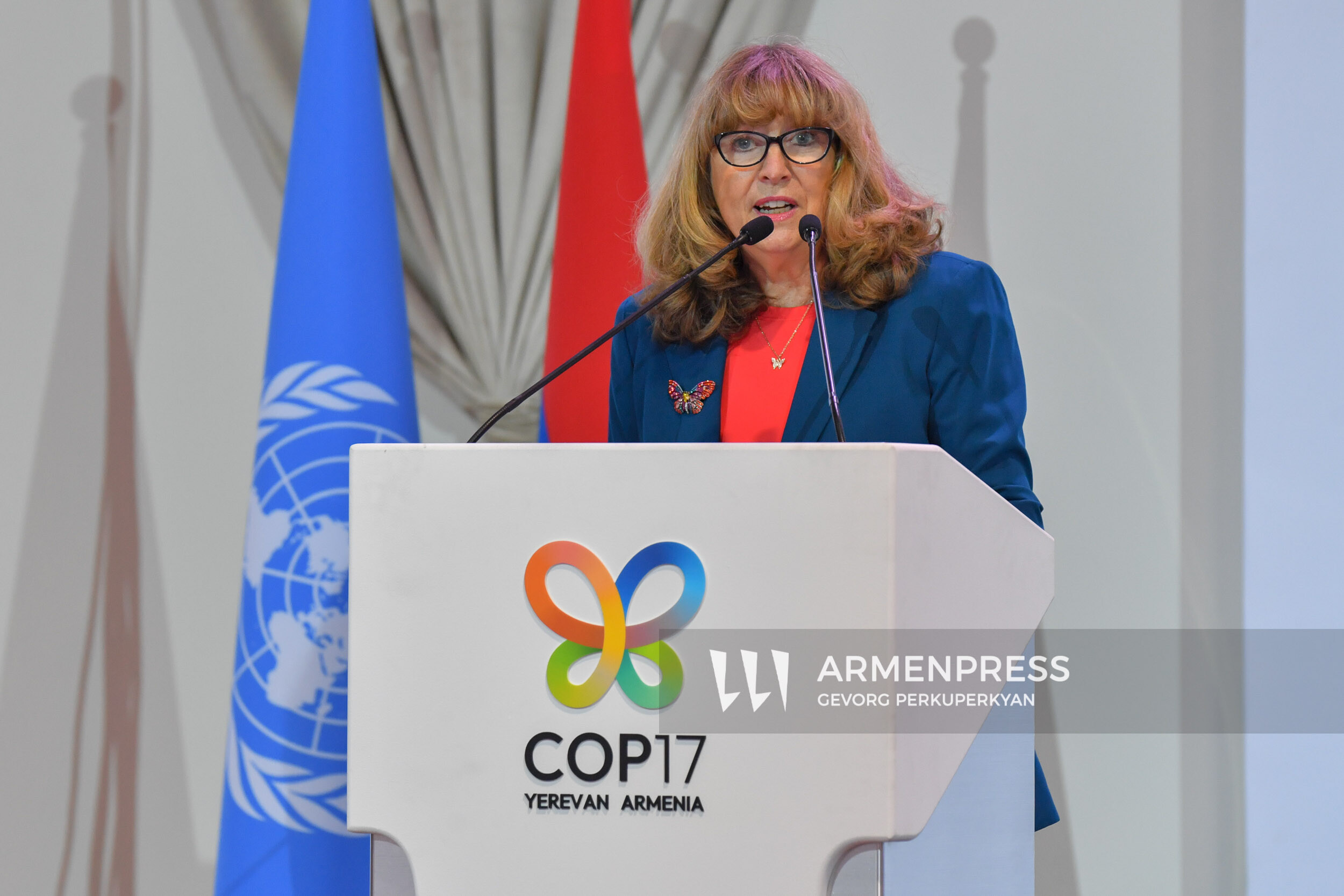
“Governments, of course, want to support economic sectors. Often, they have to support these sectors because people’s livelihoods depend on them. The discussion is not about whether we should have subsidies or not; it is about what results these subsidies produce,” Schomaker said.
She stressed that environment ministries cannot implement the necessary changes on their own, as the relevant decisions are often made by ministries of finance, economy, agriculture or energy. She also emphasized the need for the financial sector to be involved.
Mesa Puyo highlighted the fiscal importance of reforming harmful incentives, noting that it offers an opportunity to advance environmental action while expanding governments’ fiscal capacity.
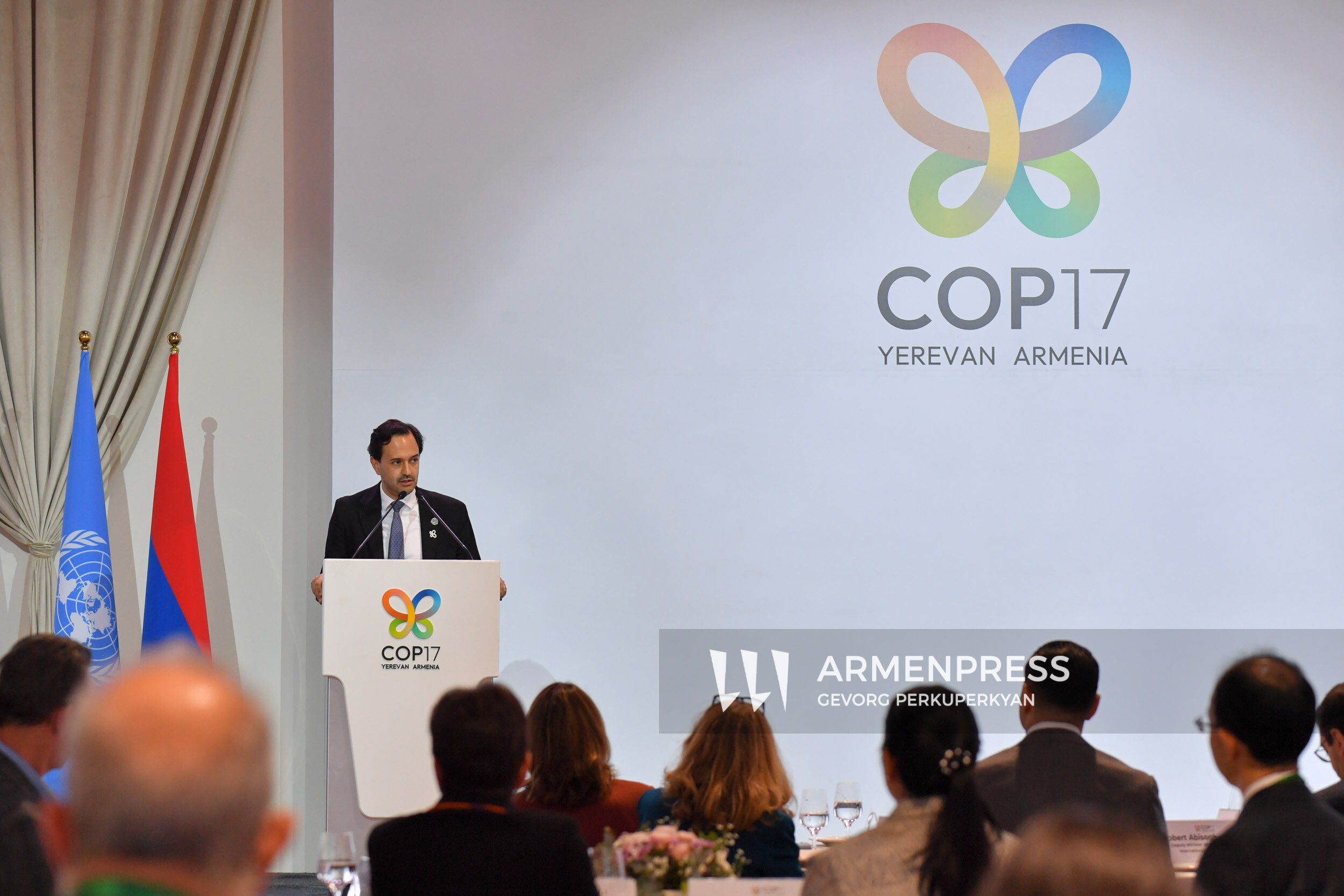
“Reforming subsidies or harmful incentives is a way to advance environmental action while also expanding fiscal space, which is one of the most difficult challenges today. Governments around the world are being asked to achieve more with fewer resources. One clear way to do this is to reform incentives that harm biodiversity, as well as the climate and the environment more broadly,” he said.
Target 18 of the Kunming-Montreal Global Biodiversity Framework calls for identifying and eliminating, phasing out or reforming incentives, including subsidies, that are harmful to biodiversity. It also calls for substantially and progressively reducing such incentives by at least $500 billion per year by 2030, starting with the most harmful, and scaling up positive incentives for the conservation and sustainable use of biodiversity.