
 362.34


TUMO marks 15 years with 25 centres across 15 countries
16 minute read

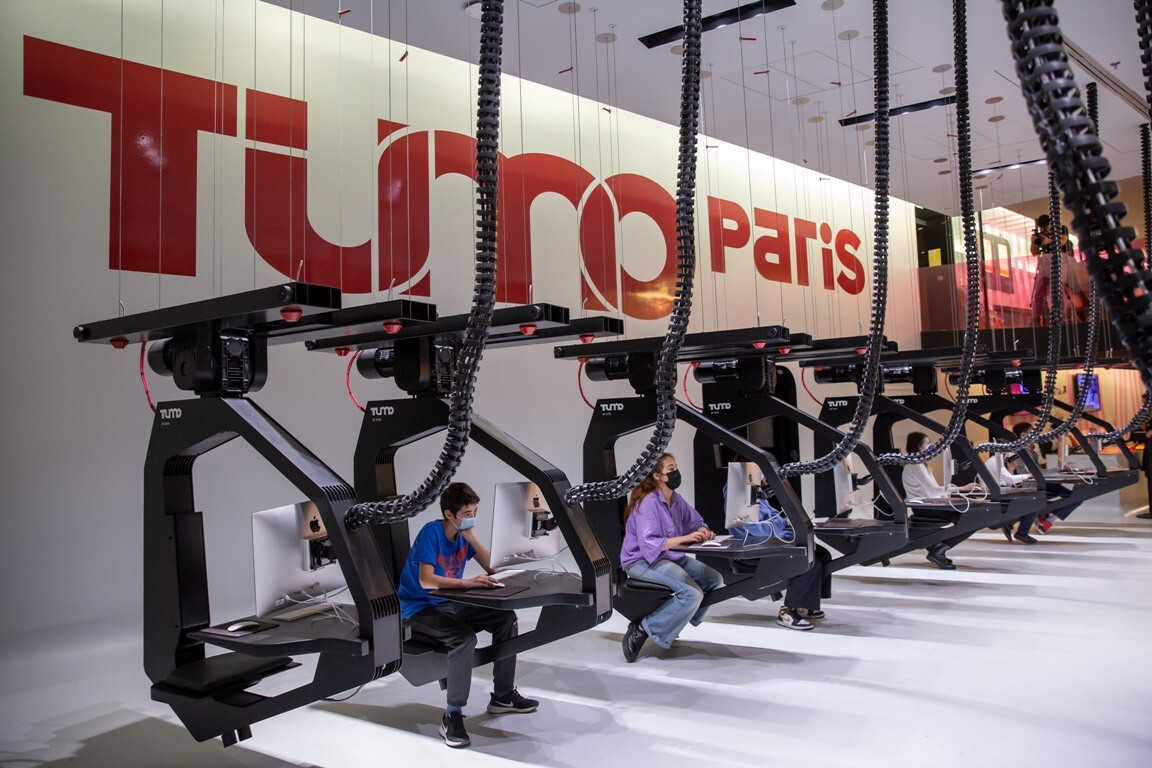
Fifteen years after opening its first centre in Yerevan, the TUMO Center for Creative Technologies has grown into an international educational network, now operating in countries around the world and continuing to expand. With 25 centres across 15 countries, TUMO’s founders believe their greatest achievement is not the number of centres, programmes or students, but the learning environment that teaches young people to think independently, educate themselves and create.
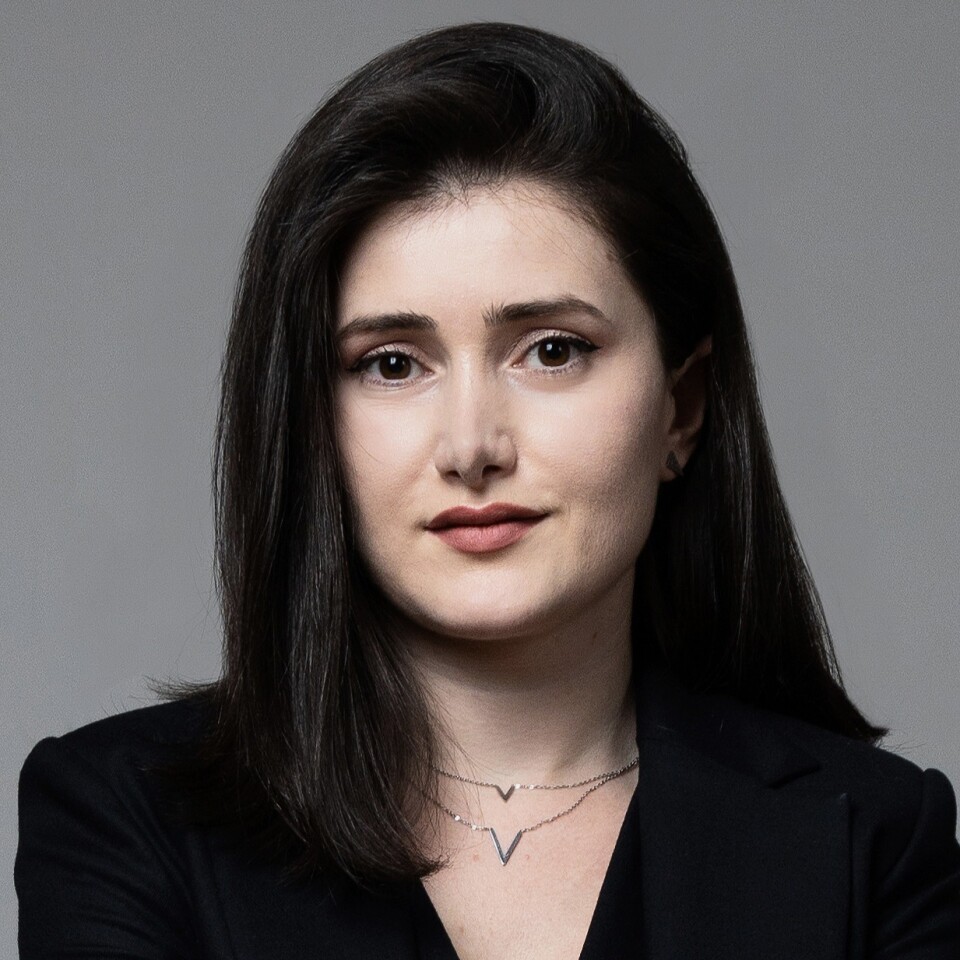
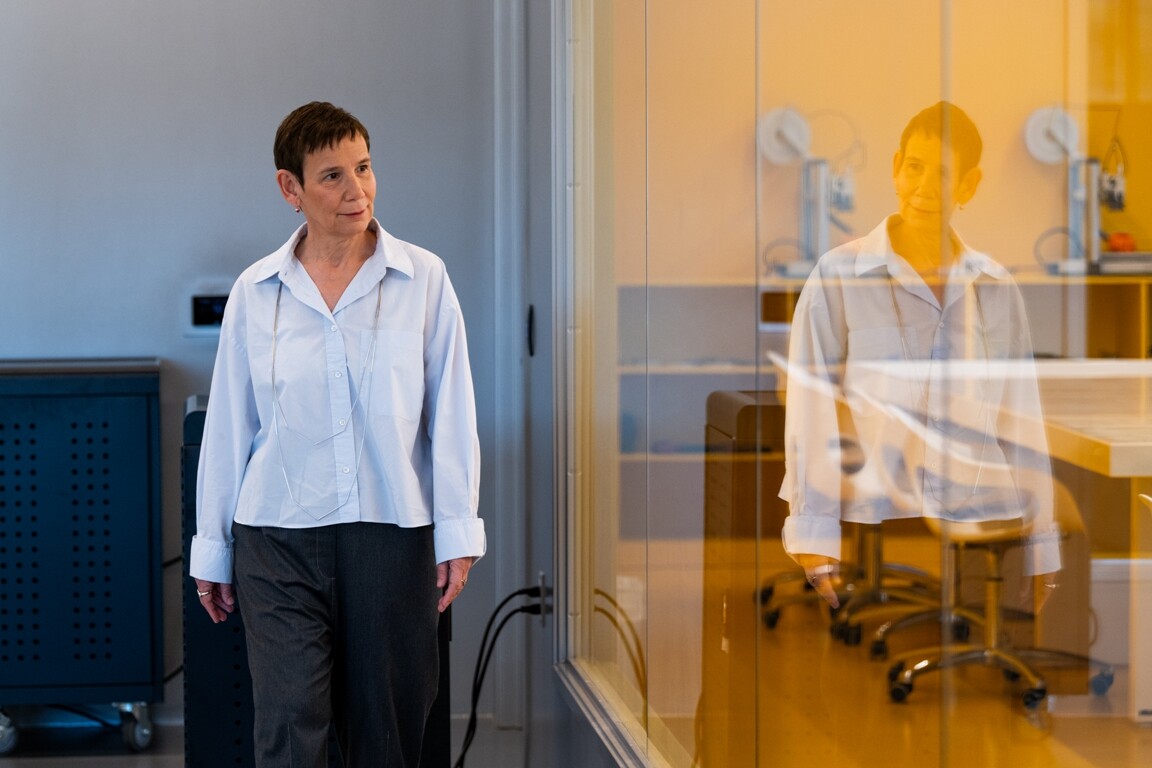
In an interview with Armenpress, Marie Lou Papazian, Chief Executive Officer of TUMO, reflected on the organisation’s journey, discussed the new educational challenges posed by the age of artificial intelligence, TUMO’s upcoming initiatives and its vision for the next 15 years.
-TUMO marks its 15th anniversary this year. Looking back over these 15 years, which achievements stand out as the most important?
-Over the past 15 years, TUMO has achieved many measurable results: tens of thousands of students, centres in different countries, and graduates who now work for leading companies or launch their own projects. But if I had to single out one achievement, it would be the educational environment we succeeded in creating.
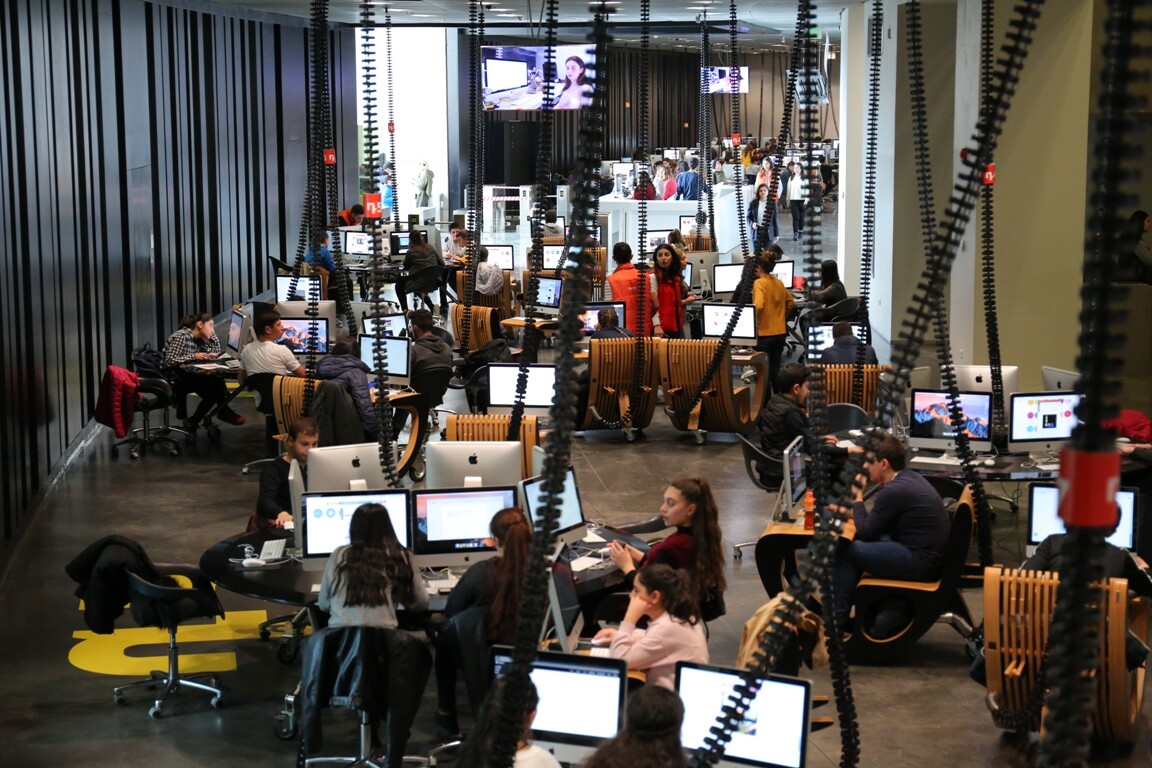
From the very beginning, our goal was never simply to teach technology or design. We wanted to build a system where young people would learn to work independently, take responsibility for their own learning, not be afraid to experiment, and discover the joy of learning and self-discovery. Today, when we meet our graduates, we see that these are precisely the skills that help them succeed at university, in the workplace and in their own initiatives.
Another important achievement is that TUMO expanded beyond Armenia and proved that this model can work in different countries and cultural environments. What began as a single centre in Yerevan has become an international educational network.
For me, however, the greatest achievement remains the people—the young people whose lives have been transformed by TUMO. Everything else is ultimately a consequence of that.
-When TUMO was founded in 2011, what goal did you set for yourselves, and how has that vision evolved over the years?
-When TUMO was founded in 2011, we were trying to answer a simple question: how do we prepare young people for a world that is changing so rapidly that education often struggles to keep pace?
Even then, it was clear that traditional education alone would not be enough. What was needed was an environment where teenagers could simultaneously develop technical, creative and self-directed learning skills. That idea became the foundation of TUMO.
Over the years, the scale and the tools have changed. What began as a single centre in Yerevan has grown into an international network that, by the end of this year, will comprise 25 centres across 15 countries. Alongside its creative technologies programmes, TUMO has introduced artificial intelligence education, adult learning initiatives, TUMO Labs and TUMO Studios.
Yet the core idea has remained the same: helping people become independent learners. Technologies change, professions evolve, but the ability to learn and develop independently remains one of the most important skills. That principle continues to define TUMO today.
-Today, tens of thousands of teenagers study at TUMO in Armenia and around the world. What do you consider to be TUMO’s greatest impact on their lives?
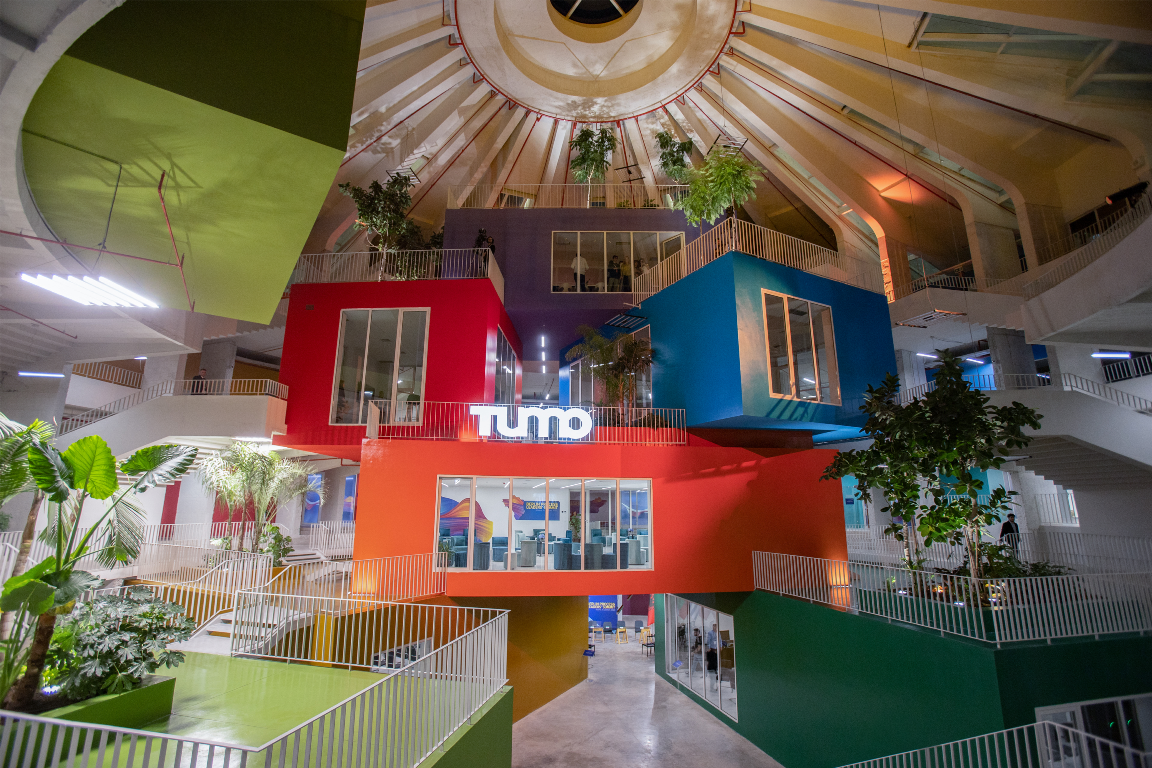
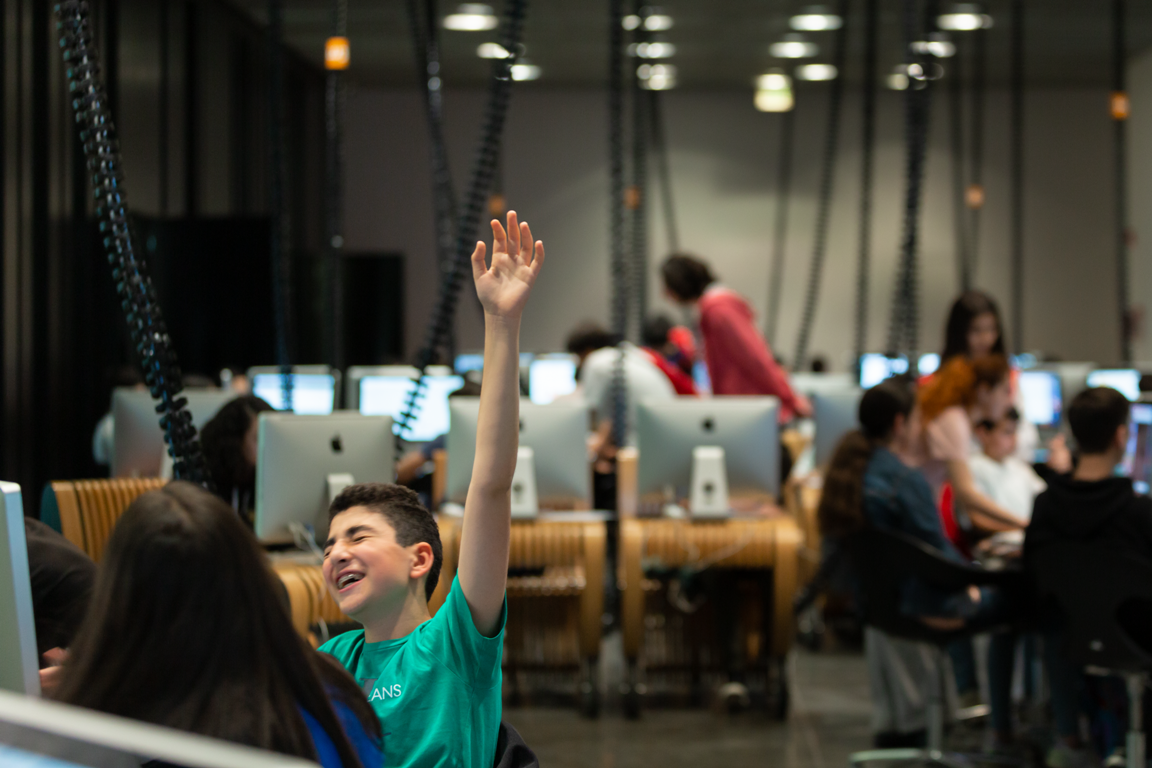
-I believe TUMO’s greatest impact is not that young people learn programming, animation or any other specific skill. It is that they learn how to learn independently and gain confidence in their own abilities.
The world is changing faster than ever before, and many of the professions young people are preparing for today may look completely different just a few years from now. In such an environment, the most valuable skill is the ability to learn quickly, adapt to change and think creatively.
We also see this reflected in the stories of our graduates. Many continue their studies at leading universities around the world, work in technology, creative industries and science, or launch their own ventures. But what is equally important to me is that they become more proactive, more self-confident and more engaged in their communities.
If I had to summarise it in one sentence, I would say that TUMO gives young people not only skills, but also the confidence that they can learn, create and succeed in any changing environment.
-TUMO now operates successfully both in some of the world’s leading educational and technology hubs and in developing countries. In your view, what makes the TUMO model so universal and adaptable across such different environments?
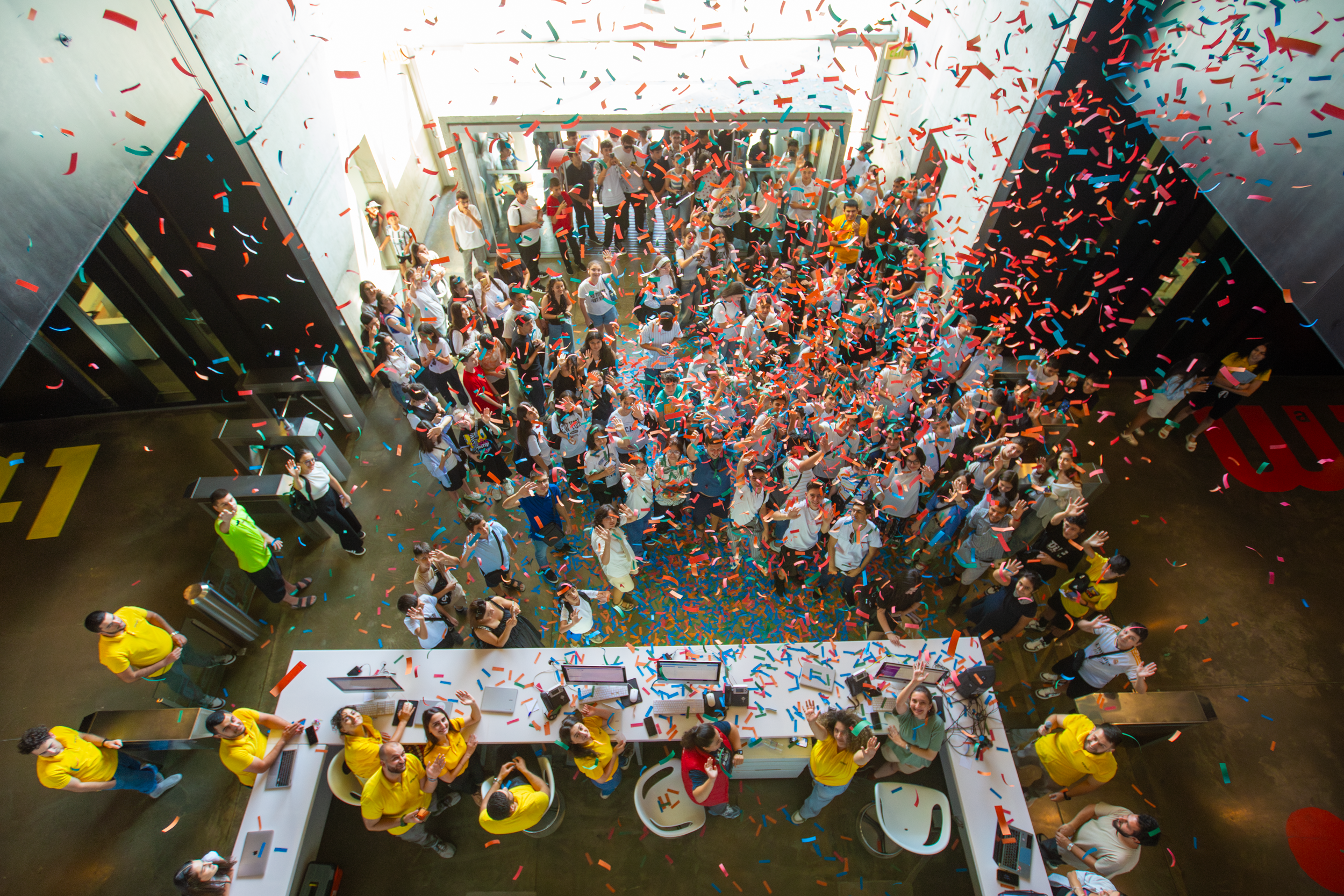
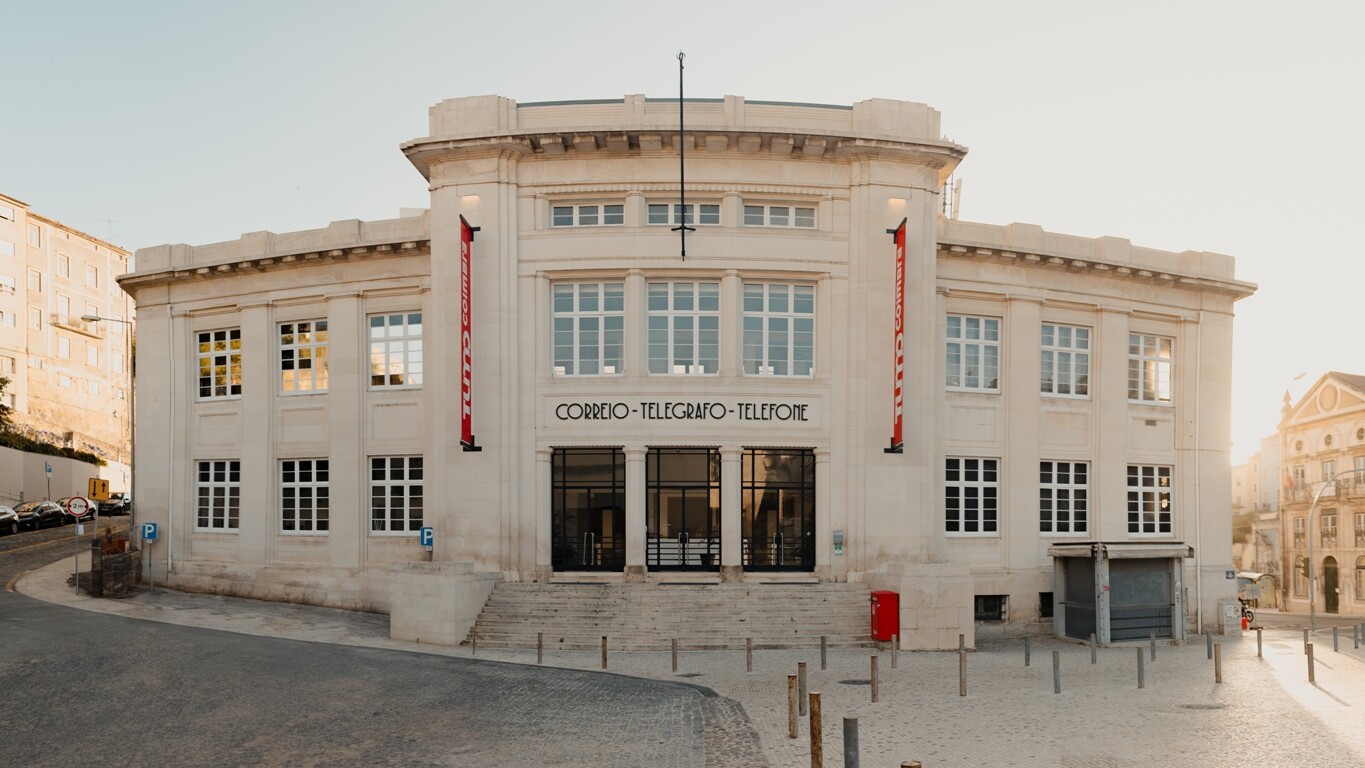
I think TUMO’s greatest strength is that we have created an educational model that can work equally effectively in very different environments—from small towns to some of the world’s largest capitals.
Educational programmes are usually difficult to scale without compromising quality. With TUMO, however, we have built a system that combines personalised learning and creative freedom while making the same educational experience accessible to thousands of young people.
I also believe that one reason countries are interested in TUMO is that it is more than an educational programme. It is also, in many ways, a community and development initiative. It helps young people acquire modern skills while strengthening local communities and creating new opportunities for regions.
It is probably this combination of quality, scalability, accessibility and real impact that makes TUMO relevant and attractive in countries around the world.
-Today TUMO operates in countries across the world, and its network continues to grow. Where do you see TUMO in the next 15 years?
-I believe the biggest question over the next 15 years will not be how many centres TUMO has, but what role education will play in a world where artificial intelligence is transforming almost every profession.
If the first 15 years were about proving that it is possible to create a new type of educational model, the next 15 years will be about continually rethinking that model. We will need to constantly reassess what young people learn, how they learn, and what skills they need.
I would like TUMO to be recognised not only as a successful educational network, but also as an institution that can respond to change in time and help education keep pace with technological progress. In that sense, our goal is not simply to open more centres. Our goal is to play a leading role in shaping the future of education.
-“The next 15 years” is this year’s anniversary theme. What does it represent for TUMO’s future?
-For us, “The next 15 years” is much more than an anniversary slogan. It is a question we ask ourselves every day: if technology, the labour market and even the ways people learn are changing so rapidly, what kind of education should we offer tomorrow’s young people?
Over the next 15 years, TUMO will place even greater emphasis on artificial intelligence, self-directed learning and lifelong education. At the same time, we will continue expanding our presence both in Armenia and internationally so that more young people can benefit from these opportunities.
-If you had to describe TUMO’s goal for the next 15 years in a single sentence, what would it be?
-To help as many people as possible become independent super-learners, creators and active agents of change, regardless of where they live.
-Artificial intelligence is rapidly transforming the world. How is TUMO preparing young people for this new reality?
-We recognised long ago that artificial intelligence is not simply another new technology, but a tool that will transform almost every profession. That is why our goal is not only to make AI a separate field of study, but to integrate it across different learning areas.
Today, TUMO students not only learn how AI systems work, but also use them in programming, design, animation, music and other projects. In addition, we have developed new AI learning programmes, for which we received the WISE Prize for Education last year.
For us, it is essential that young people not only know how to use AI tools, but also understand their capabilities and limitations, think critically and work creatively with them. These are among the skills that will be most in demand in the years ahead.
-How has TUMO’s educational content evolved over the past 15 years?
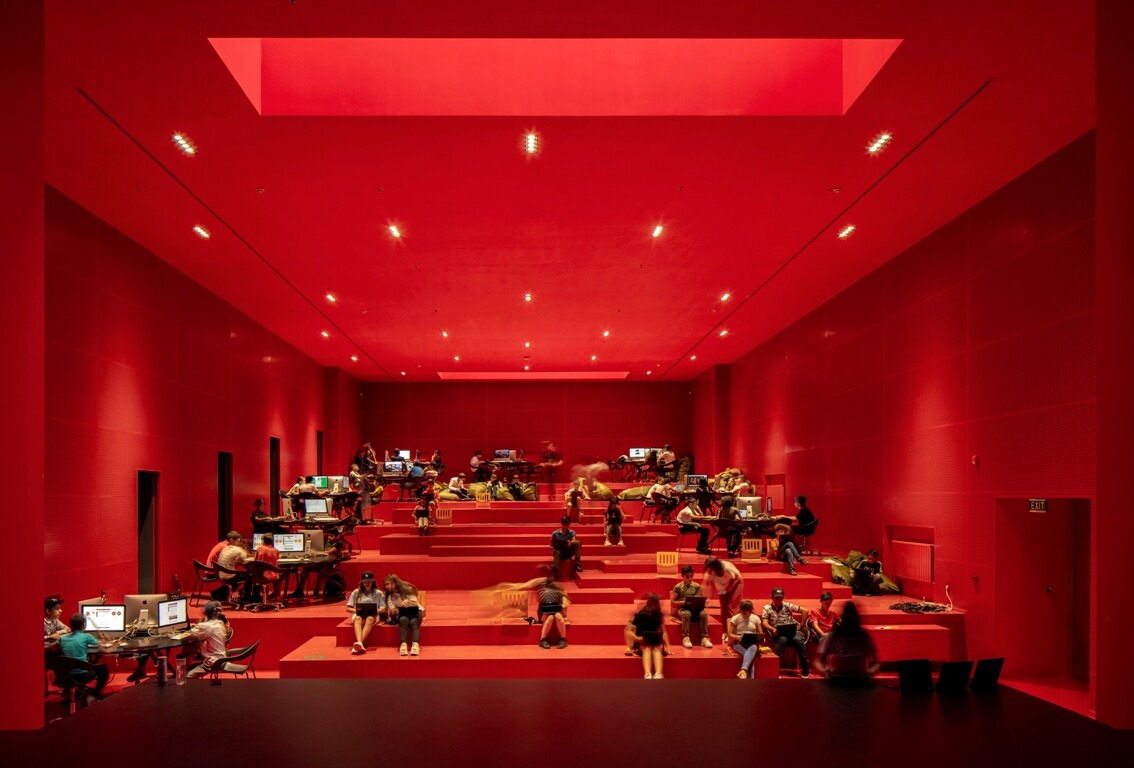
-If we look at TUMO’s core learning areas, they have not changed significantly. Programming, animation, game development, filmmaking, design and other creative and technology-related disciplines remain at the heart of TUMO’s educational model.
The biggest change in recent years has been the emergence of artificial intelligence. Whereas AI was once a separate and highly specialised topic, today it has become part of almost every field. That is why we have not only introduced new AI-focused learning programmes, but also started integrating AI tools and methods into different areas of study—from programming and game development to design and content creation.
In other words, it is not so much the disciplines that have changed, but the tools and technologies students use. TUMO’s approach has always been the same: to respond as quickly as possible to technological change and make it a natural part of education.
-TUMO now also offers educational programmes for adults. Why was it important to expand in that direction?
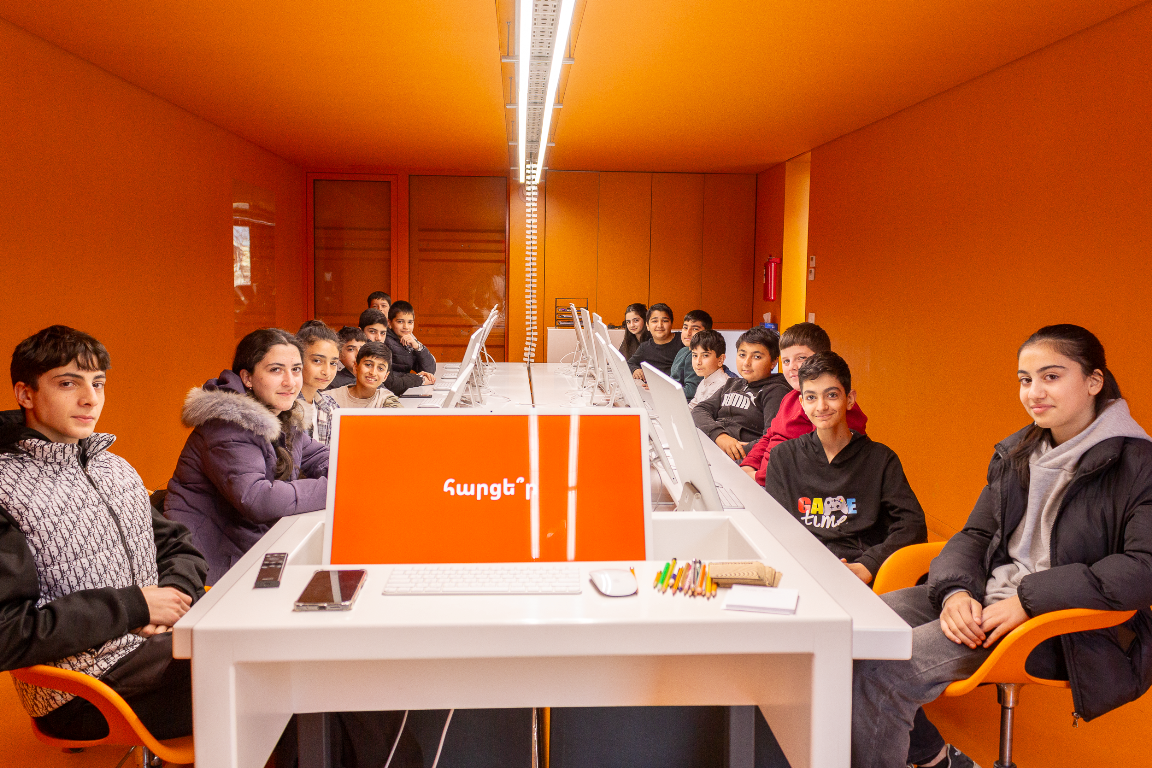
-Expanding into adult education was a natural step for us. Over the years, we realised that the same challenges we prepare teenagers for also apply to adults. Technology, professions and the labour market are evolving rapidly, and many people need new knowledge and skills at different stages of their careers.
That is why the TUMO ecosystem has expanded in recent years. Today we have TUMO Labs, where people work on real technology projects, 42 Yerevan, an innovative tuition-free programming school, and TUMO Studios, which create new opportunities for professional growth in the creative industries.
-The TUMO centres in Masis, Armavir and Vanadzor will soon join the Armenian network. What does nationwide accessibility mean to you?
-This has been one of our key goals from the very beginning. We never wanted TUMO to be accessible only to children living in Yerevan.
Every teenager in Armenia—whether they live in the capital, a border village or a small town—should have the same opportunity to learn, create and develop their potential.
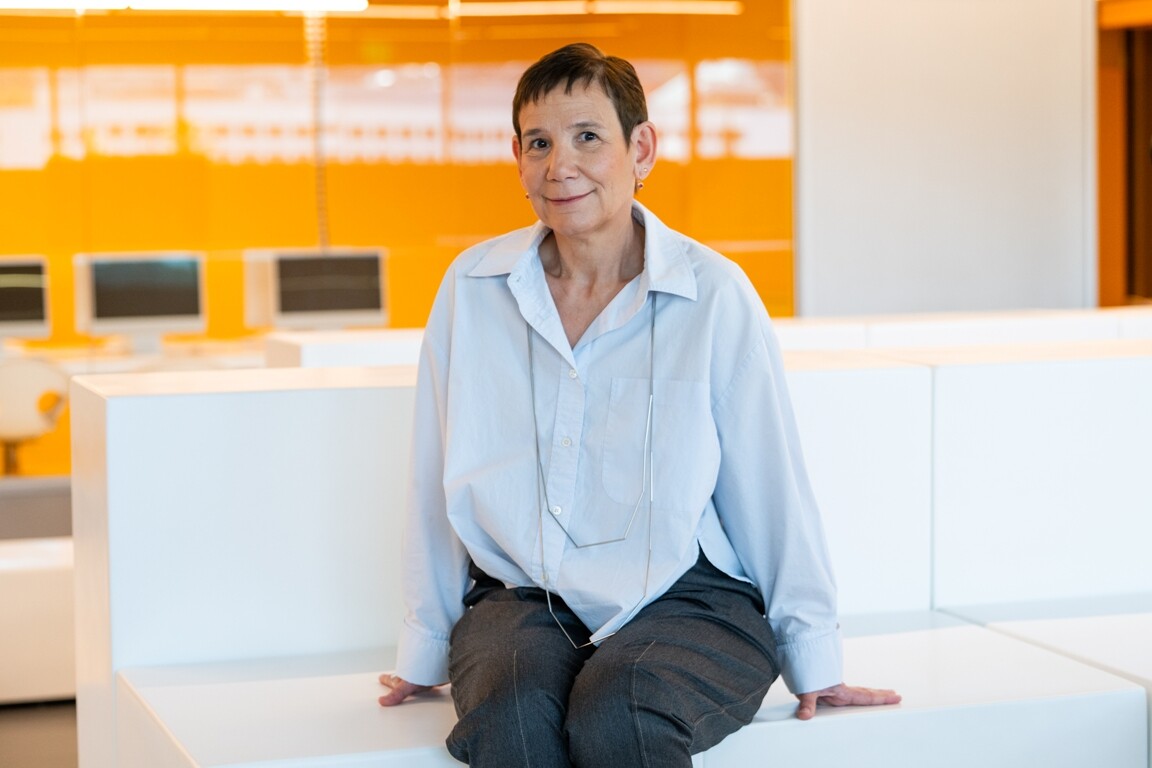
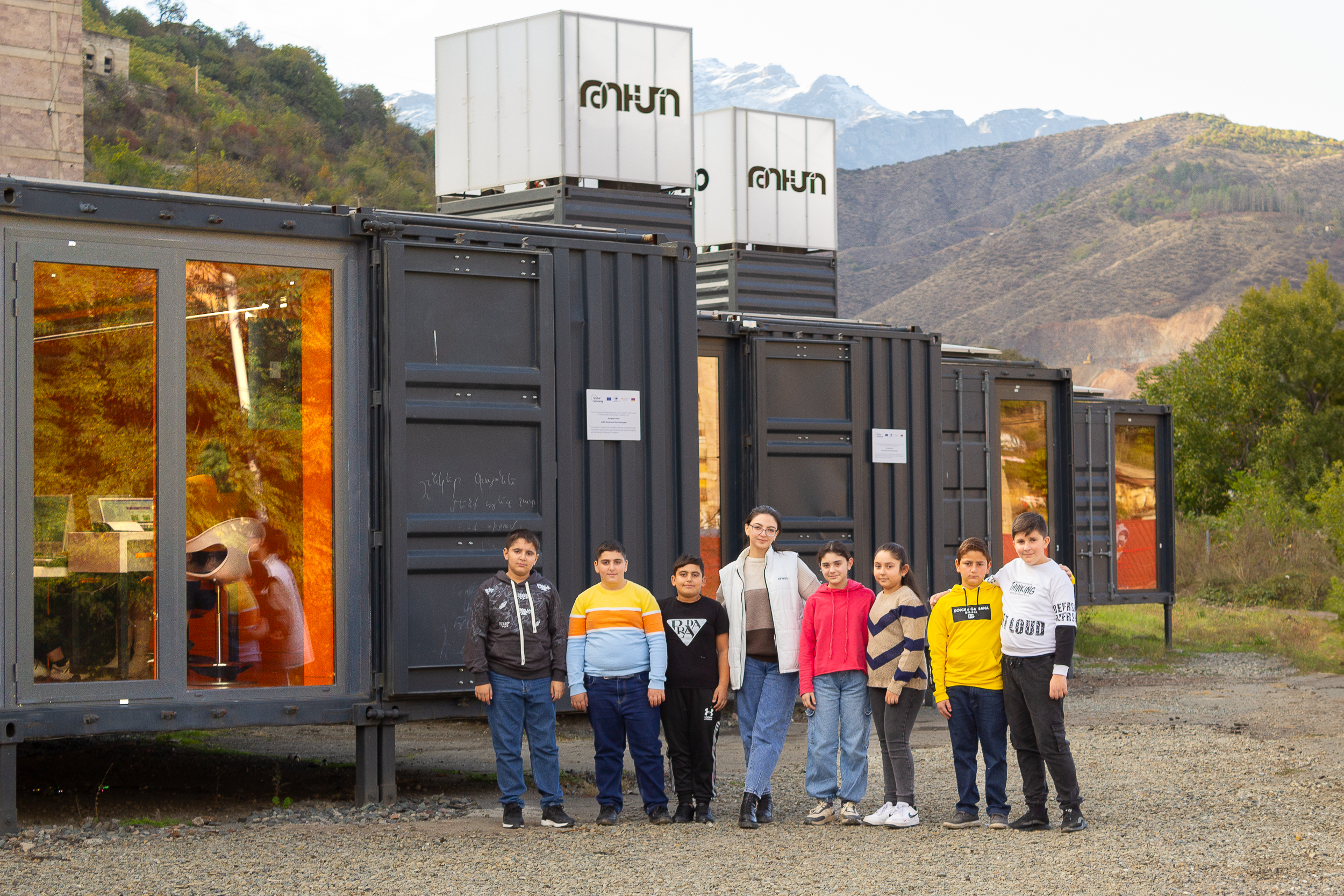
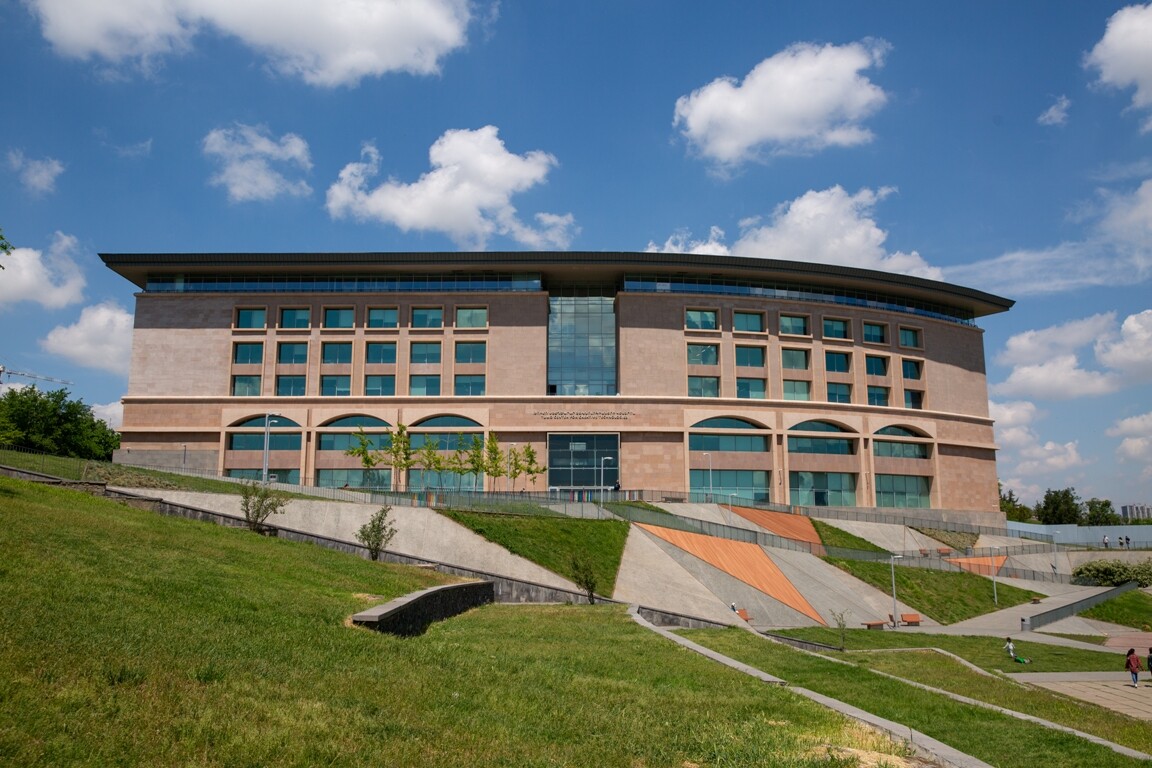
The opening of the centres in Masis, Armavir and Vanadzor is another important step towards that goal. Every new centre is much more than a building or an educational programme. It creates new opportunities for the entire community and enables more young people to build their future in their own hometowns.
-When TUMO celebrates its 30th anniversary, what would you like people to say about it?
-I would like people to say that TUMO not only changed the way people think about education, but also helped millions of people discover their potential and confidently build their future. And that what began in Armenia continued to make a positive impact on communities around the world without ever losing its values or its mission.
-What message would you like to share with TUMO students, graduates and everyone who has been part of TUMO’s journey over the past 15 years?
-For us, TUMO’s 15th anniversary is not only an opportunity to reflect on the journey so far. It is also a chance to understand what can happen when thousands of people believe in an idea and work consistently to bring it to life over many years.
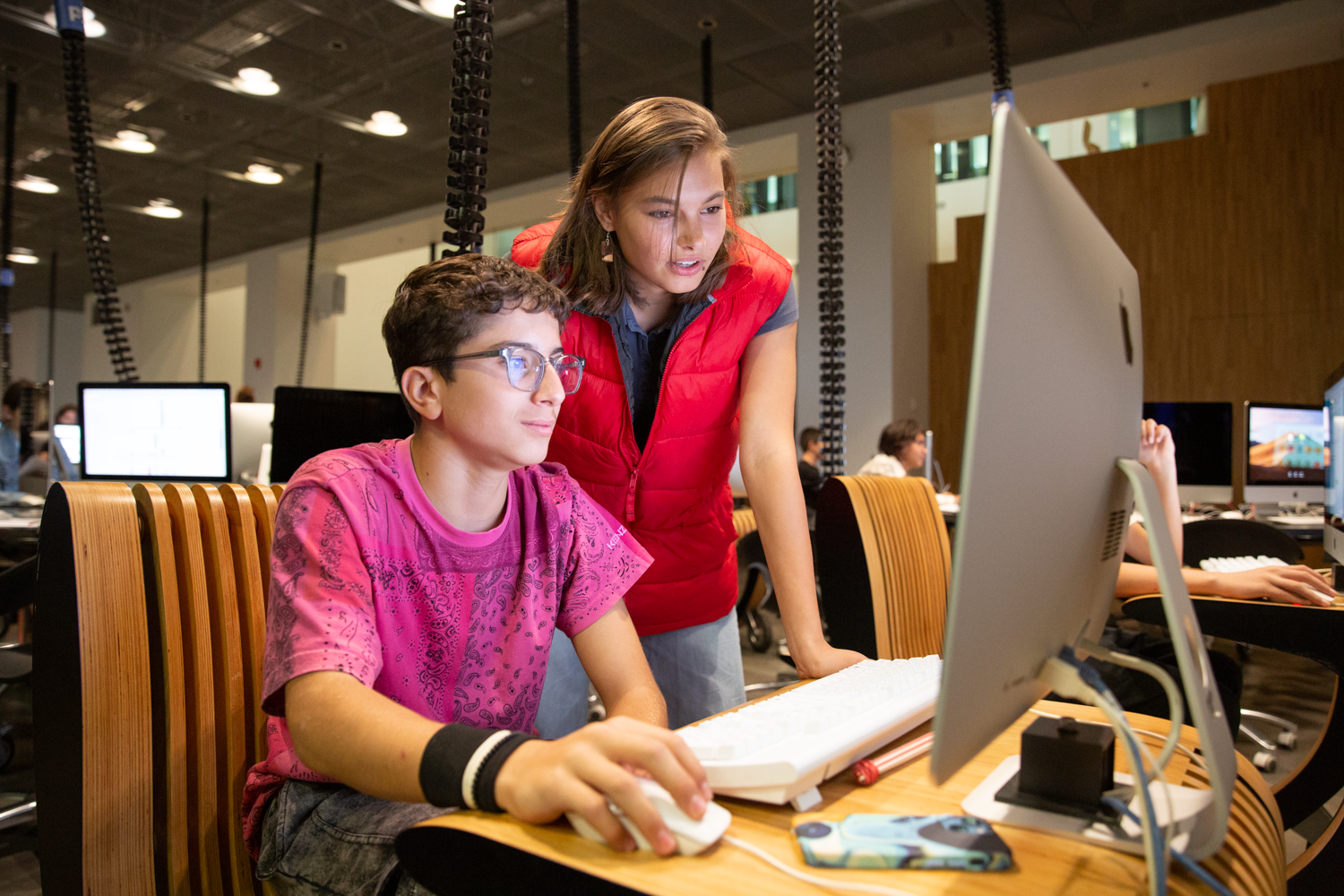
Over these 15 years, TUMO has become part of the stories of many people: students who discovered their interests and gained confidence in themselves; graduates who now work around the world or build their own projects; and partners, coaches, parents and supporters who helped turn this idea into reality.
The next 15 years will be even more ambitious. More countries, more opportunities and more people whose lives can be transformed through education.
And if there is one message I would like to leave everyone with, it is this: continue to be part of this story. Because TUMO’s greatest achievements have never been its buildings, programmes or numbers. They have always been its people.
Ultimately, TUMO’s future will be shaped not only by what TUMO itself does, but also by what the people who have been through it create, change and accomplish. And I am convinced that the most exciting achievements are still ahead.