
 362.32


IRI observers: Armenia’s June 7 elections conducted calmly and fairly
6 minute read

The International Republican Institute’s (IRI) international election observation mission reported on Monday that it observed voting and counting processes that were generally calm and orderly, conducted in accordance with established procedures, and supported by a significant presence of party and citizen observers, contributing to civic oversight of the voting process.
IRI presented its findings and recommendations after observing the Armenian parliamentary elections.
At the invitation of the Government of the Republic of Armenia and the Central Election Commission (CEC), IRI deployed a 23-person international delegation representing seven countries (United States, Moldova, Serbia, Ukraine, Poland, Sweden) to observe the electoral process. The mission was led by Mr. Peter Roskam, Board Chair of the National Endowment for Democracy; Mr. Peter Egardt, Chairman of the Jarl Hjalmarson Foundation; and Mr. Olin Wethington, Board Member of the International Republican Institute, in collaboration with Mr. Scott Mastic, IRI Vice President of Programs, and Mr. Stephen Nix, IRI Senior Director for Europe and Eurasia.
Mastic told reporters on Monday that they observed the electoral process in eight provinces and 17 communities, with observers visiting 107 polling stations on election day.
“We once again reaffirm IRI’s strong commitment. The presence of our delegation also reflects this commitment, as well as the aspiration for elections in Armenia to be conducted in accordance with the country’s legal framework,” Mastic said.
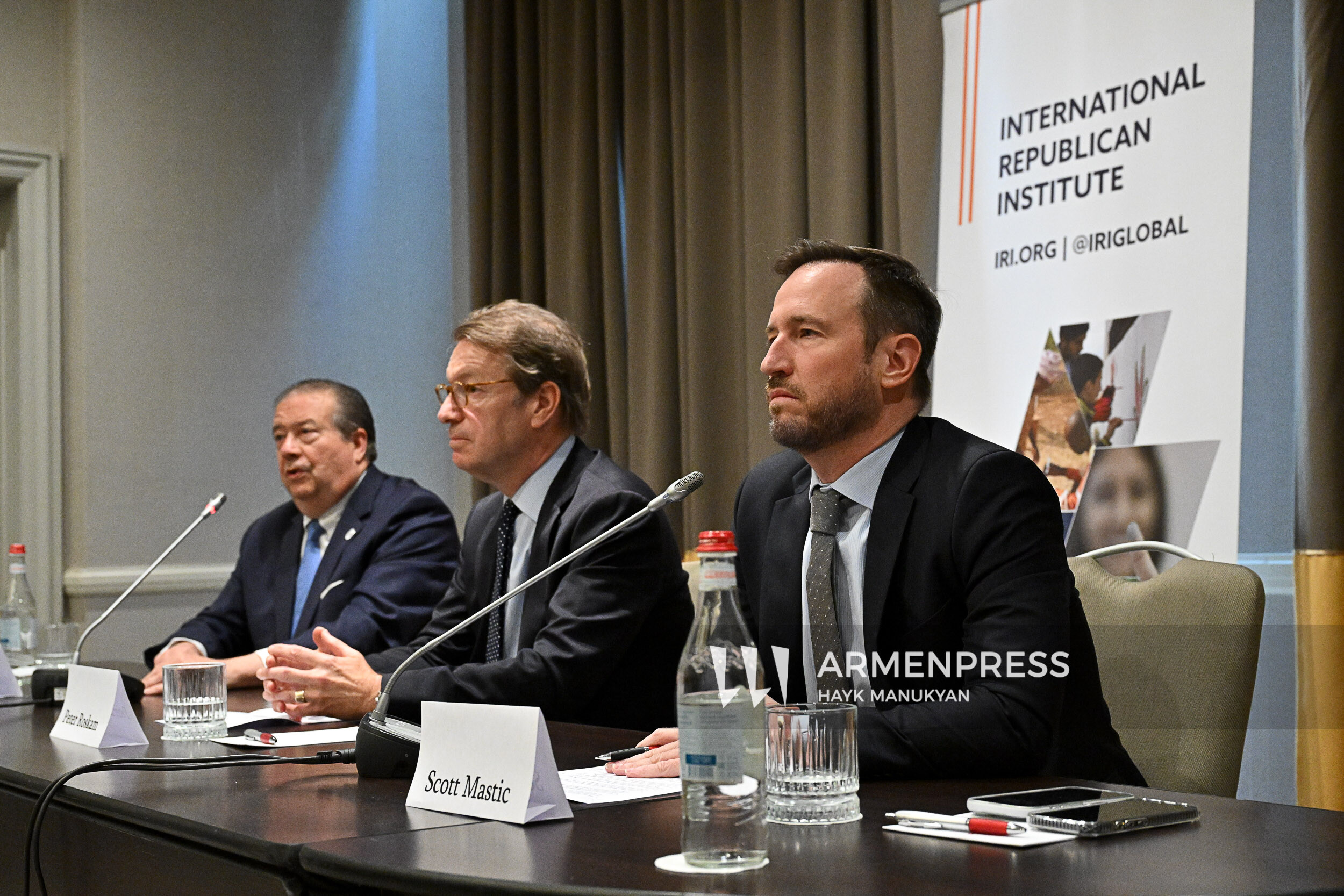
Peter Roskam, Board Chair of the National Endowment for Democracy and former U.S. House of Representatives member, congratulated the people of Armenia, noting that nearly one and a half million citizens participated in the June 7 parliamentary elections, demonstrating their commitment to democratic participation and their will to shape the country’s future through voting.
“Our mission did not observe systemic violations. In our assessment, the voting and vote counting were overall conducted in a credible manner. The process took place in a disciplined and peaceful atmosphere, following established procedures. Representatives of political parties, local observers, and international observers like us were widely present throughout the process. The elections were held in an environment with rising polarization, concerns about security challenges, and debates regarding Armenia’s geopolitical orientation,” Roskam said.
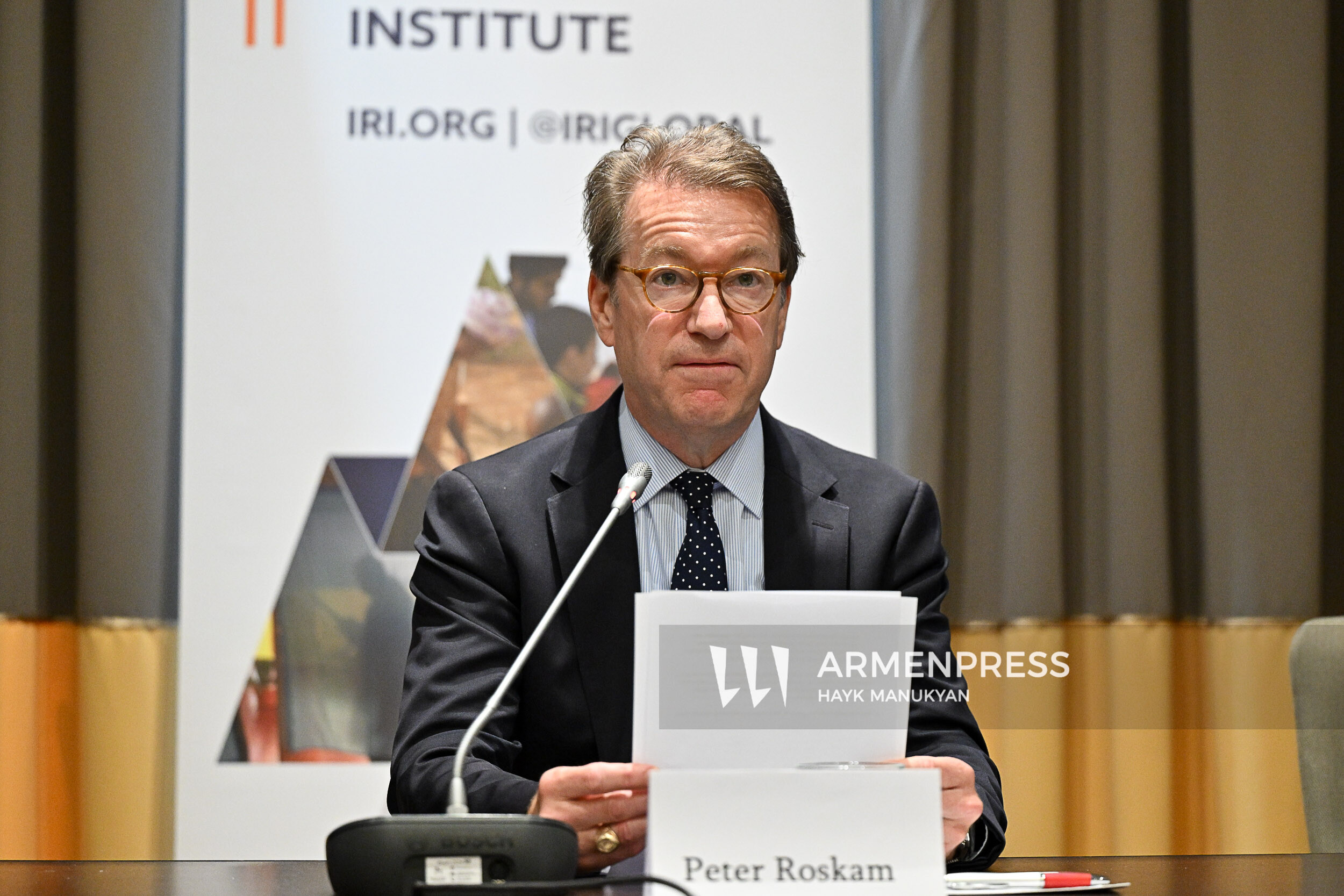
He noted that the mission issued 11 recommendations regarding the organization and conduct of elections, political financing, cybersecurity, and the media sector.
According to him, authorities should strengthen accountability and reinforce cooperation between customs services, financial regulatory bodies, anti-corruption agencies, law enforcement, and electoral bodies to prevent potential funding related to external actors.
“The CEC must carry out its supervisory functions more consistently in examining and resolving election-related disputes. State bodies, electoral institutions, technical experts, civil society, and international partners should continue strengthening cybersecurity resilience through constant monitoring, testing, public communication, and incident response mechanisms,” he said.
Roskam also stated that the CEC, the Anti-Corruption Committee, and other competent authorities should investigate allegations of pressure, intimidation, misuse of administrative resources, and selective law enforcement swiftly, consistently, and impartially.
“It should be noted that deeper integration of Armenia into Western democratic institutions will contribute to aligning electoral processes with international standards,” he said.
In conclusion, Roskam stated that, according to the observation mission, the elections were fair.
Stephen Nix, IRI Senior Director for Europe and Eurasia, noted that signs of external interference were evident during this electoral cycle.
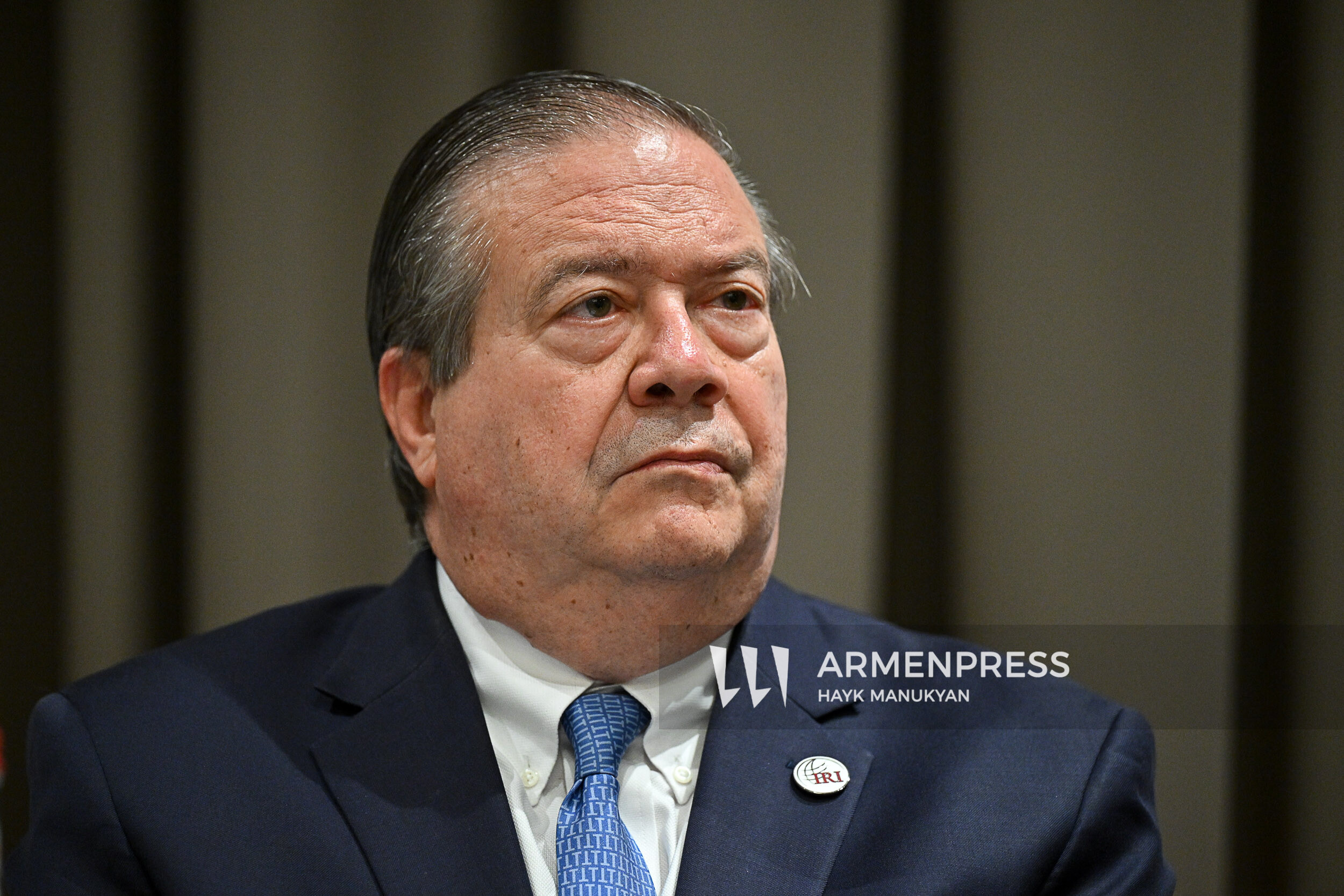
“Despite this, Armenia was able to exercise its democratic rights and demonstrated that the country’s democratic trajectory is oriented toward the European direction,” he emphasized.
Nix noted that during the electoral cycle, parties and alliances conducted their campaigns freely, although personal attacks in political rhetoric exacerbated the lack of trust among political actors.
He also praised the work of the Central Electoral Commission, territorial, and precinct election commissions, highlighting their professional conduct and role in ensuring the legality of the elections.
In summary, Nix said that these were IRI’s preliminary assessments. He added that the organization’s long-term observers and the Yerevan office staff will continue to monitor possible court proceedings and protests, with a more comprehensive final report to follow.