
 361.4
361.4


Budapest pursues balanced relations with Armenia and Azerbaijan - Hungarian expert

6 minute read

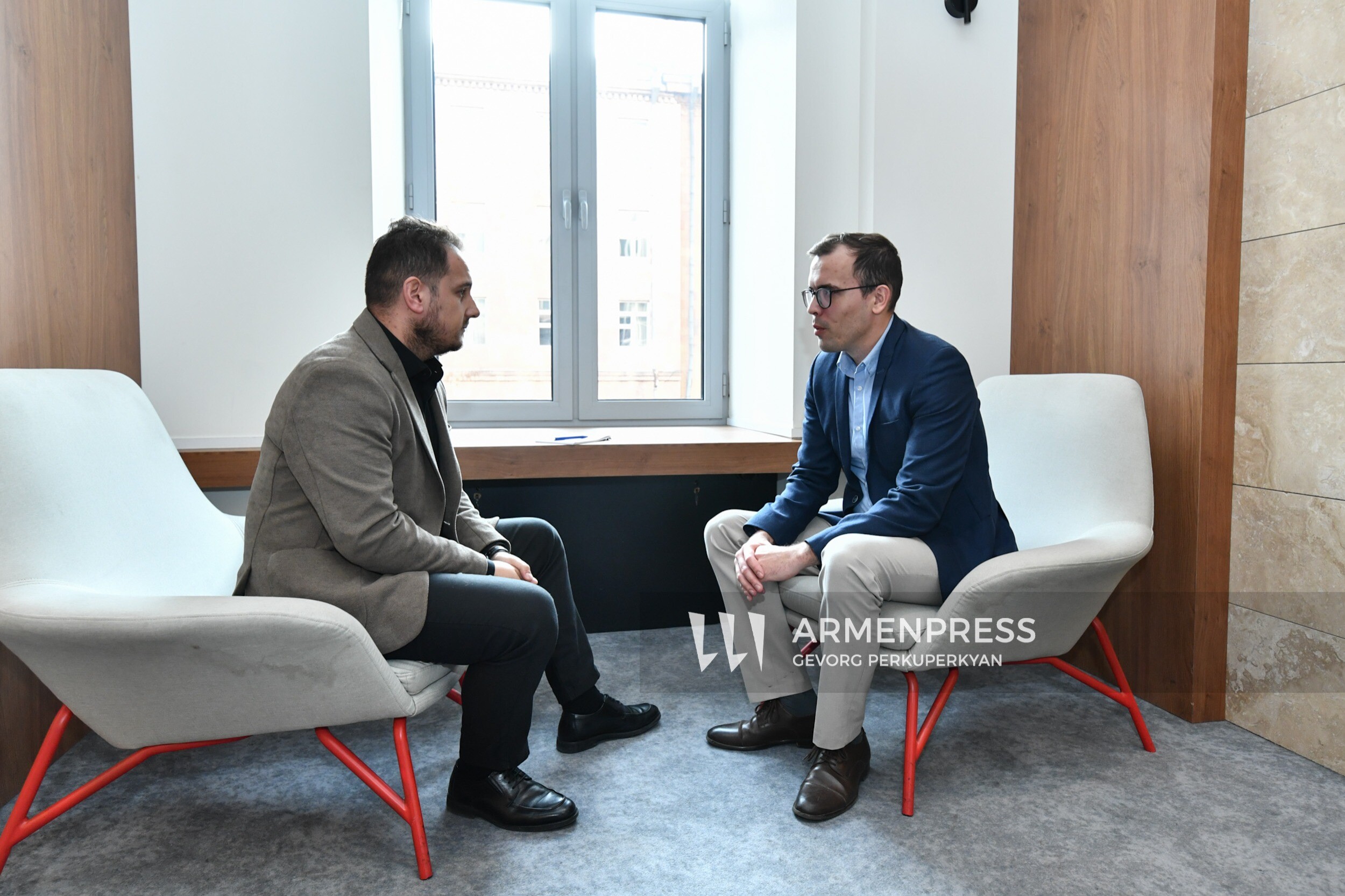
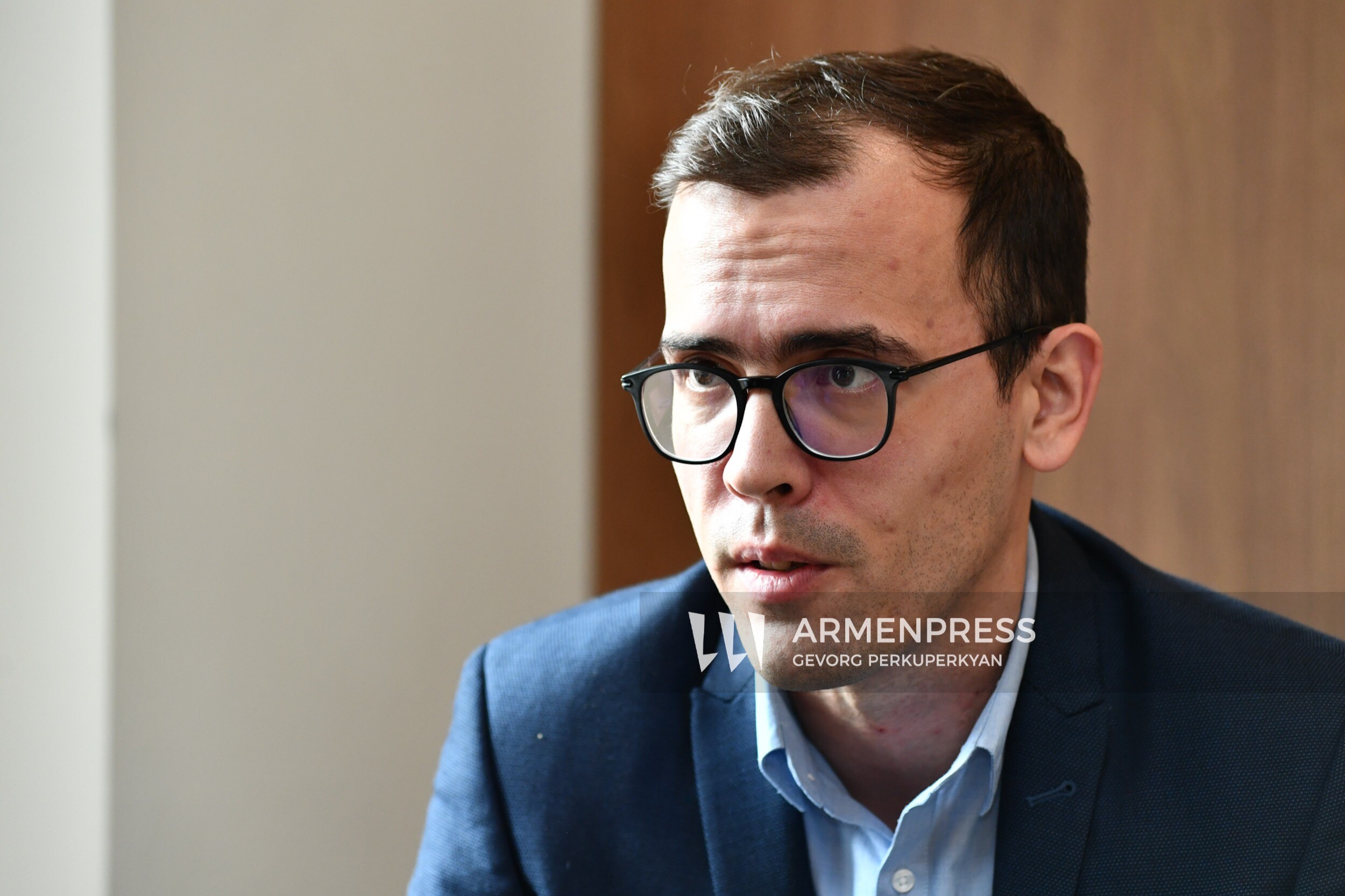
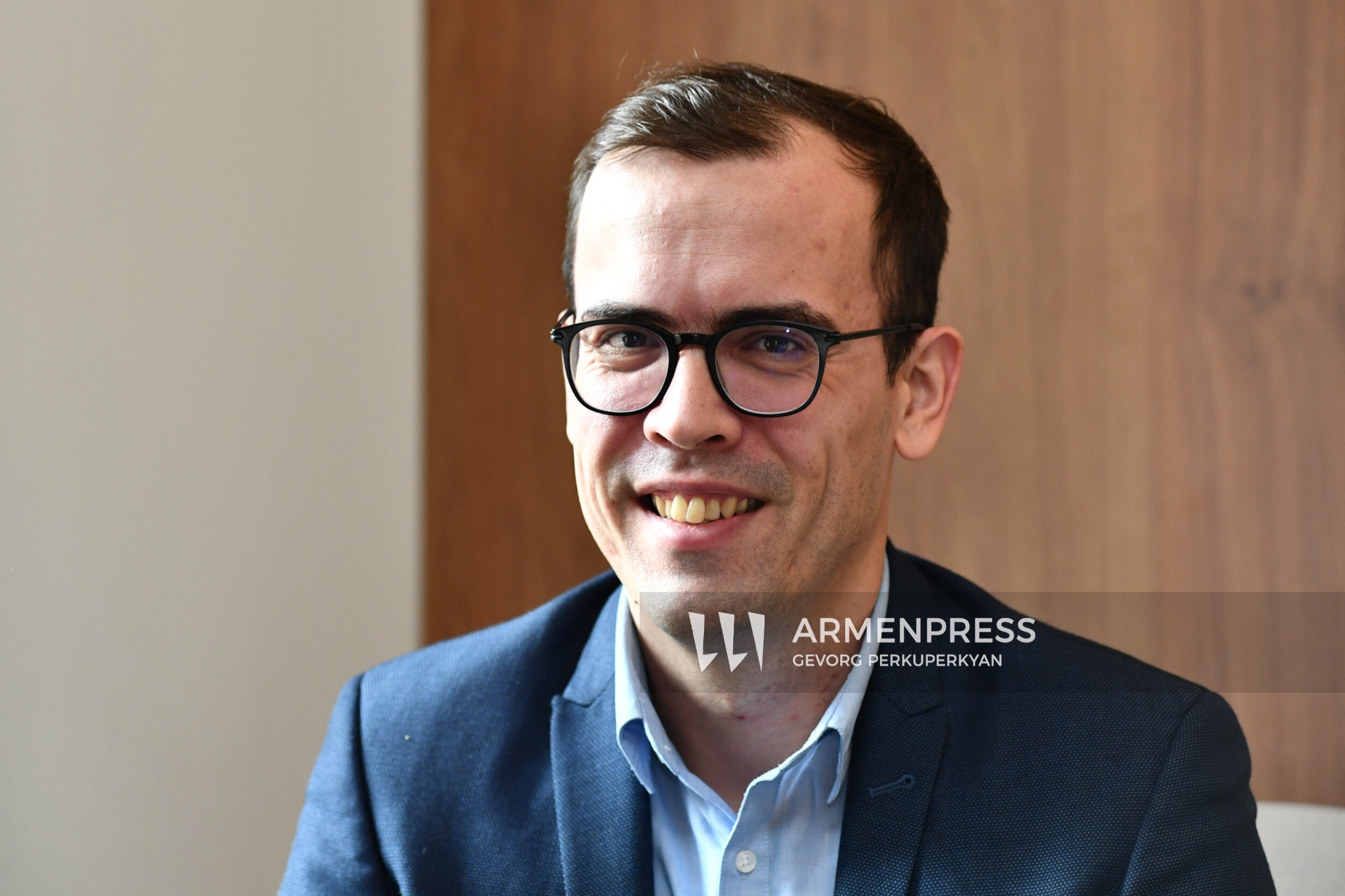
According to Péter Kránitz, Senior Research Fellow and expert at the Hungarian University of International Relations, Budapest’s primary goal is to ensure stability, peace and peaceful development in the South Caucasus.
"To achieve this, Hungary strives to maintain balanced relations with both Armenia and Azerbaijan," Kránitz said this in an interview with Armenpress, referring to the current situation in the South Caucasus, relations between Armenia and Azerbaijan, as well as the current level of relations between Yerevan and Budapest and the prospects for further development.
“Hungary's primary and most important goal is stability, peace, and peaceful development in the South Caucasus region. Hungary’s position is to have extremely balanced relations with Armenia and Azerbaijan,” he noted.
As an example, he recalled Hungary’s veto of the allocation of €20 million in support for Armenia from the EU’s European Peace Facility (EPF), on the grounds that the same amount should also be transferred to demining operations in Azerbaijan.
“As you probably know, Azerbaijan has - mainly since 2020, but especially since 2023 -rejected any European participation in the peace process. This is because Baku perceives European involvement in the region as "too pro-Armenian,’” the Hungarian expert said.
Kránitz believes that if the European Union manages to establish a balanced approach in the South Caucasus, it could restore its position in the region, if not as a mediator, then at least as a serious investor and a player capable of influencing local and regional developments.
Speaking about the current level of political dialogue between Yerevan and Budapest, the expert said there are serious prospects for the development of relations between the two countries.
“In relations between Armenia and Hungary, unfortunately, we experienced a severance of diplomatic ties,” he said, referring to Armenia’s decision to suspend relations with Budapest in 2012 after Hungary extradited Azerbaijani serviceman Ramil Safarov—who had killed Armenian officer Gurgen Margaryan in Budapest in 2004—to Azerbaijan, where he was immediately pardoned.
“As you know, these relations were restored in 2022, thanks to the initiative of Armenian Foreign Minister Ararat Mirzoyan and Hungarian Foreign Minister Péter Szijjártó,” the expert recalled.
According to him, the fact that the two states lacked diplomatic relations for more than a decade means a significant gap and vacuum in the development of bilateral ties.
“In practice, Armenian-Hungarian bilateral relations are among the most dynamically developing foreign relations of Hungary, simply because we had controversial, contradictory relations in the past. Now, of course, there are still issues that may create debates and opportunities for dialogue, but nevertheless, relations between our countries are much better now,” he said.
As a basis for such debates, the expert pointed to several factors, including Hungary’s warm relations with Azerbaijan and Turkey.
“Hungary, as you know, is an observer state in the Organization of Turkic States. Budapest has a strategic partnership with both Ankara and Baku. Thus, within the framework of the European Union, I can easily say that Hungary is the strongest and most important partner of Azerbaijan, as well as Turkey.
“Hungary is the third-largest investor in Azerbaijan. We have invested in oil fields, the oil pipeline, and the Baku–Tbilisi–Ceyhan pipeline. Hungarian companies are among the largest shareholders in this sector. Hungary has invested in the Shah Deniz gas field in Azerbaijan. Hungarian airline Wizz Air is the market leader in the region, including Armenia, Georgia and Azerbaijan.
“We also have a large share in pharmaceutical companies, such as the Gedeon Richter chain and online pharmacy services,” Kránitz said, noting that Hungary has significant investments and major interests in the South Caucasus.
He also referred to the issue of Hungary’s blocking of the decision to allocate €20 million to Armenia from the EPF, which Hungarian Foreign Minister Péter Szijjártó addressed during the “Yerevan Dialogue” conference held in Yerevan in May 2025.
Szijjártó noted that Hungary is not opposed to the decision to provide the aid, but emphasized that in order to maintain balance in the region, the same amount of support should also be allocated to Azerbaijan.
“Our request was that the European Union provide the same amount of support to Azerbaijan. Last time it worked: €10 million was allocated to Armenia and €10 million to Azerbaijan (Armenia received €10 million in support from the European Peace Facility in 2024, and the same amount was allocated to Azerbaijan for demining). This time it can work too,” Szijjártó emphasized.