
 362.82


4 minute read
A book comprising the memoirs of an Armenian Genocide survivor sheds light on the pre-genocide life of the Armenian community in early 20th-century Shatakh, a village in the eastern Ottoman Empire.
Elina Mirzoyan, a researcher at the Armenian Genocide Museum-Institute, who studied the materials provided by the family of the late survivor Serob Kosyan and edited them into a memoir, said at the presentation event that the materials are highly valuable.
The book, titled Newly Discovered Shatakh: A Memoir of a Shatakh Survivor of the Armenian Genocide, was published by the Armenian Genocide Museum-Institute. Kosyan’s son, granddaughters, and great-granddaughters attended the presentation ceremony at the museum.
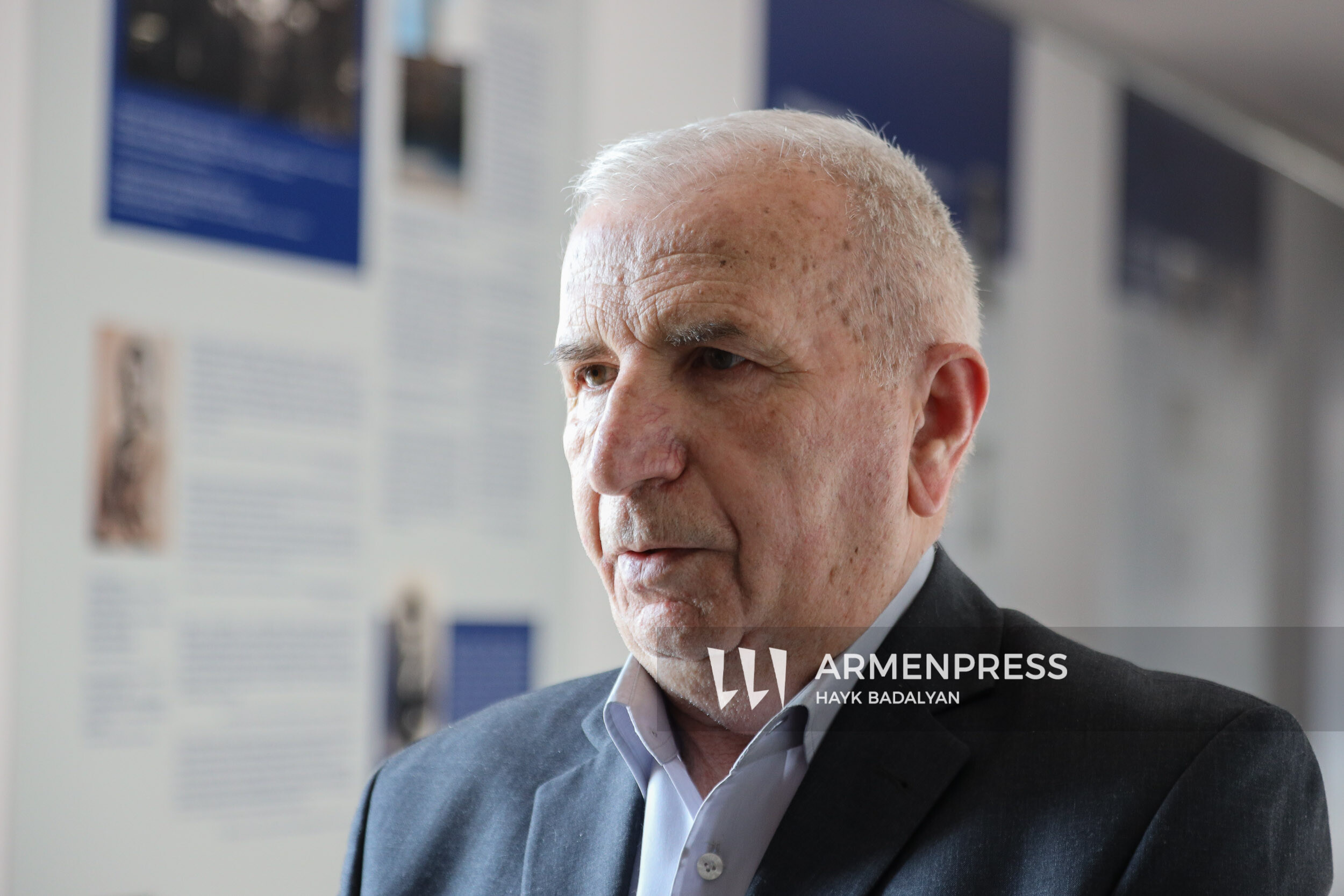
Highlighting the significance of the memoirs, priests attended the presentation ceremony for the first time to deliver a prayer. The book was published as part of a series featuring memoirs of genocide survivors.
Serob Kosyan was 15 years old when the Armenian Genocide began in the Ottoman Empire. Kosyan lost his entire family during the genocide. After his father and mother were killed, he took his 12-year-old sister and attempted to flee east on foot, but tragically, his sister drowned while trying to cross a river. There – which is now the Muradiye district in the Turkish province of Van, Kosyan witnessed Ottoman forces massacring unarmed Armenian civilians, including women and children.
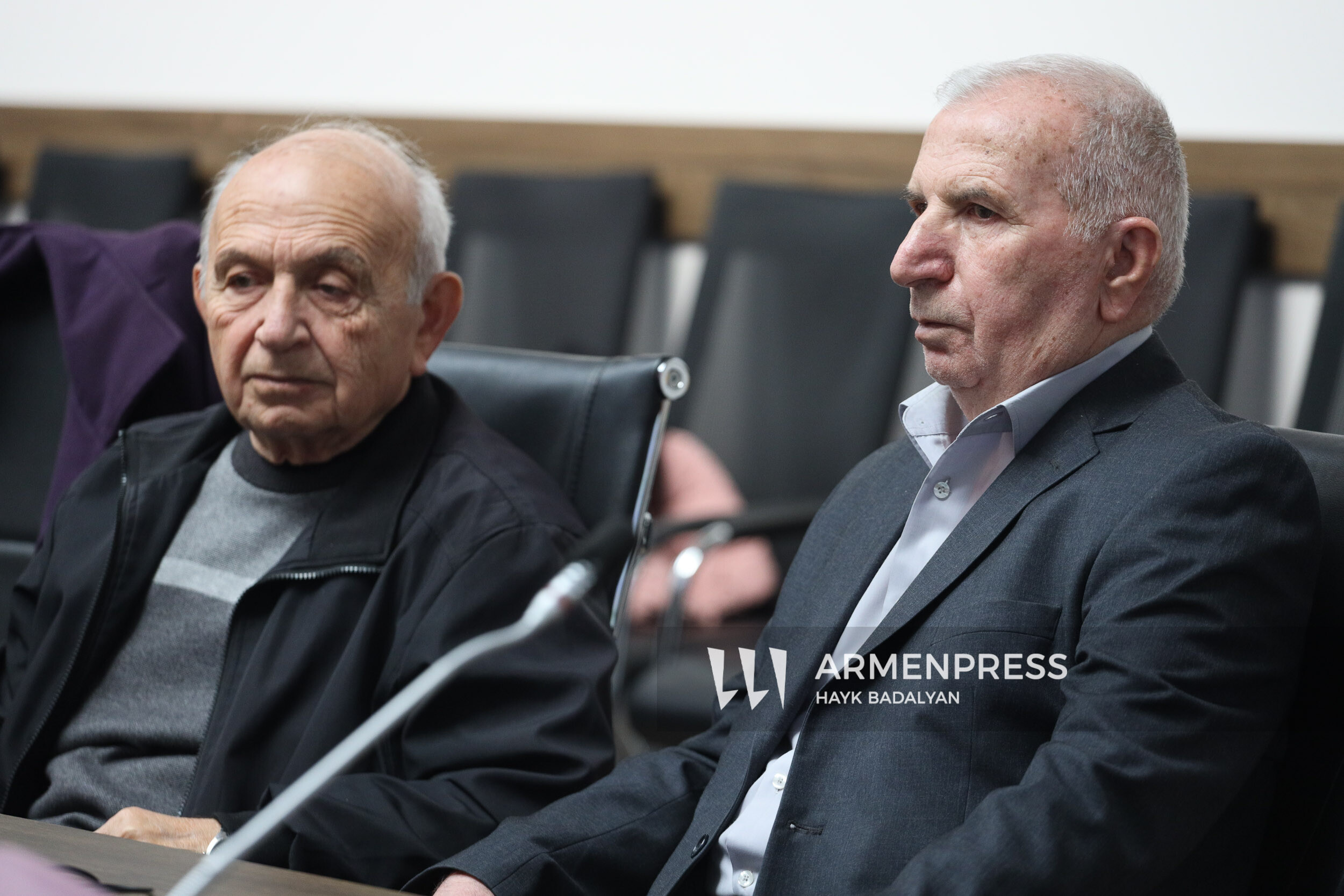
Remarkably, Kosyan reached safety after walking for over two weeks, eventually arriving in Eastern Armenia in 1915, then part of the Russian Empire. Later in life, he married Araksia, an Armenian woman who had also survived the genocide, and they had five children together. Kosyan, who worked most of his life as a textile artisan, died in 1982 in Yerevan. He wrote his memoirs during his final years.
Serob Kosyan’s youngest son, Suren Kasyan, said: “My father was quite elderly—around 70 years old—when he began writing his memoirs. To ensure these memoirs could be accessible to everyone, on the 100th anniversary of the Genocide, I handed all of my father’s manuscripts and his hand-drawn map of the Shatakh district center to the Armenian Genocide Museum.”
Elina Mirzoyan, the editor of the book and a leading researcher at the Armenian Genocide Museum-Institute, emphasized the historical value of the memoirs, as very little research had been done on the Armenian community in Shatakh. According to Mirzoyan, Shatakh’s Armenian presence during the Ottoman era had been little studied from a scientific perspective, and when its history is presented by an eyewitness survivor, the work becomes even more valuable.
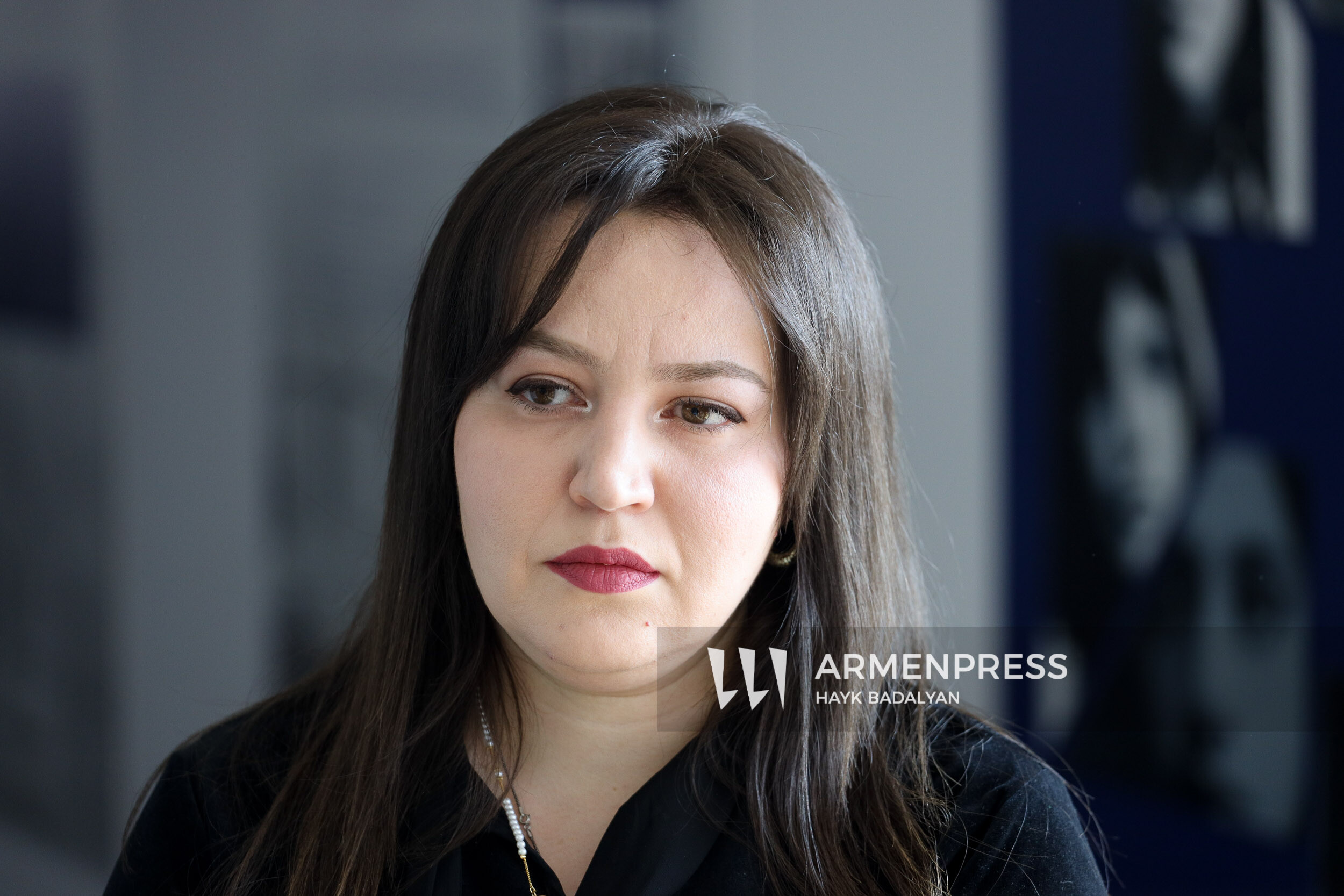
Shatakh’s Armenians spoke a specific, little-explored Armenian dialect, which, along with other cultural and social characteristics, Kosyan comprehensively presented in his memoirs. The memoirs offer insights into the pre-genocide life of Armenians in Kosyan’s village.