
 360.12


Armenia expects clarity on new nuclear power unit selection in 2027
12 minute read

Prime Minister Nikol Pashinyan chaired a meeting of the Nuclear Energy Safety Council to discuss the safe operation and further service-life extension of the Armenian Nuclear Power Plant (ANPP), as well as plans for a new nuclear power unit.
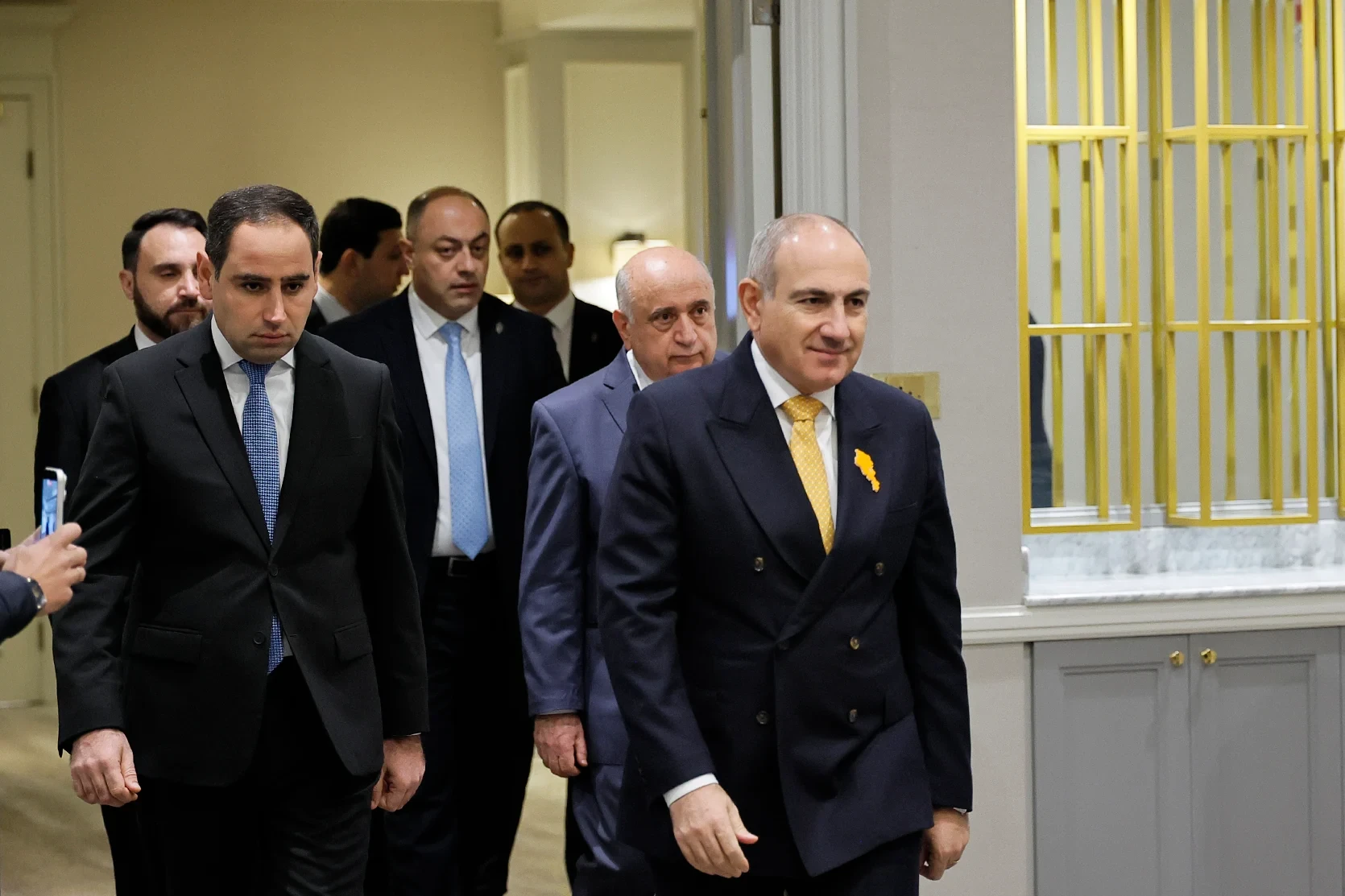
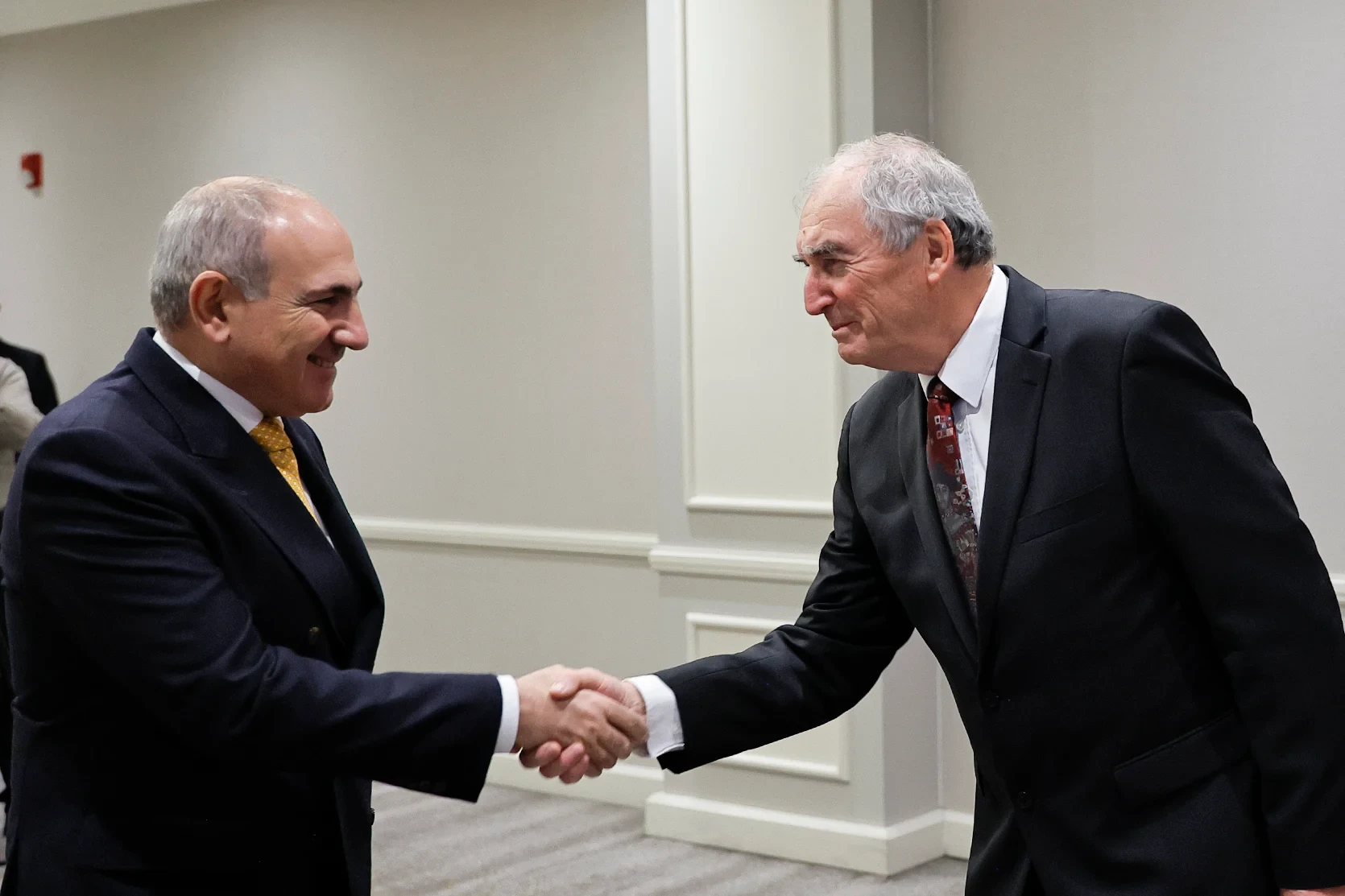
The Nuclear Energy Safety Council is an advisory body operating under the Prime Minister of Armenia, bringing together experts to provide advice on nuclear energy and safety matters.
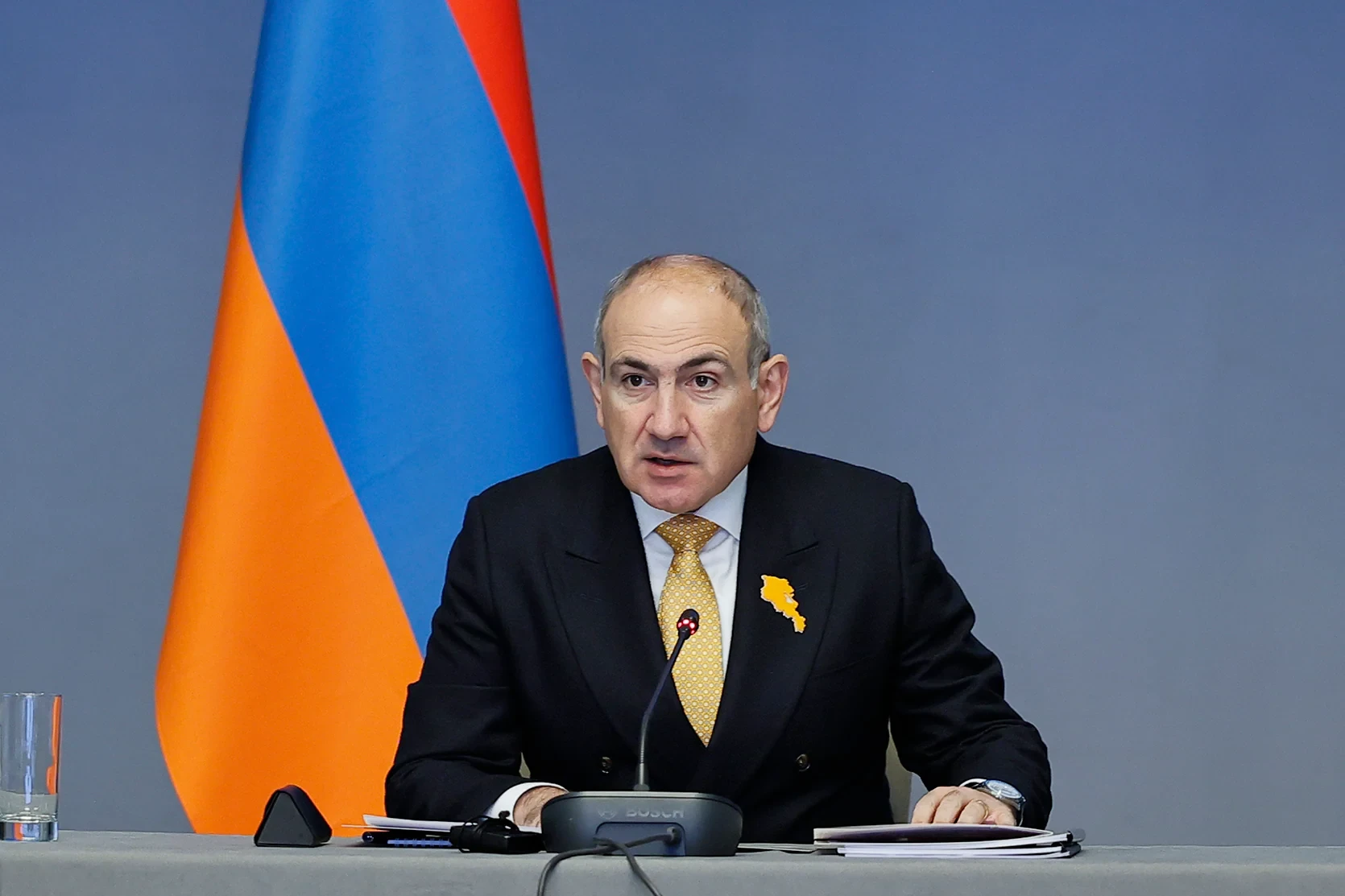
Before discussing the agenda items, the Prime Minister delivered opening remarks, welcomed the Council members, noted that a meeting in this format had not been held for a long time, and thanked them for their support and willingness to cooperate during this period.
“Opening the meeting of the Nuclear Energy Safety Council, I would like to emphasize the importance of working in this format, as it is aimed at improving the safety level of the Armenian Nuclear Power Plant and advancing our efforts to ensure its reliable and safe operation. Our international partners have been accompanying the Republic of Armenia in this important mission for quite a long time, and we highly appreciate their support. As you are aware, the design service life of Unit 2 of the Armenian Nuclear Power Plant expired in 2016, and, pursuant to a decision of the Government of the Republic of Armenia, it was extended by 10 years. Numerous technical measures have been implemented in this regard, in accordance with a previously planned list, which has been fully completed. The ANPP plays a special role in ensuring an uninterrupted electricity supply in Armenia, thereby contributing to our country's energy security. In view of this and based on international experience in extending the service life of nuclear power plants, the Government of the Republic of Armenia has decided to extend the service life of Unit 2 of the Armenian Nuclear Power Plant for a second time, from 2026 to 2036, by implementing a comprehensive set of required technical measures. To this end, the Government has allocated the equivalent of $160 million from the state budget of Armenia, based on Government Decisions No. 395-A and No. 1597-A adopted in 2023. Approximately 60% of the work has already been completed, while the remainder is underway. It is highly relevant and timely for the Republic of Armenia to have a new nuclear power unit that will replace the existing unit once it is decommissioned. This is the only way to ensure our country's energy security in the future. Work is underway to select a new nuclear power unit, and we hope to have clarity on this matter in 2027,” Prime Minister Pashinyan said.
Subsequently, Council Chairman Miroslav Lipar delivered remarks. He emphasized the Prime Minister's participation in the Council's proceedings as an important indication of the Armenian government’s commitment to nuclear energy and safety. According to the Council chairman, this provides a valuable opportunity for the Government of the Republic of Armenia, nuclear safety professionals, nuclear regulatory authorities and independent international experts to exchange opinions and views directly and transparently.
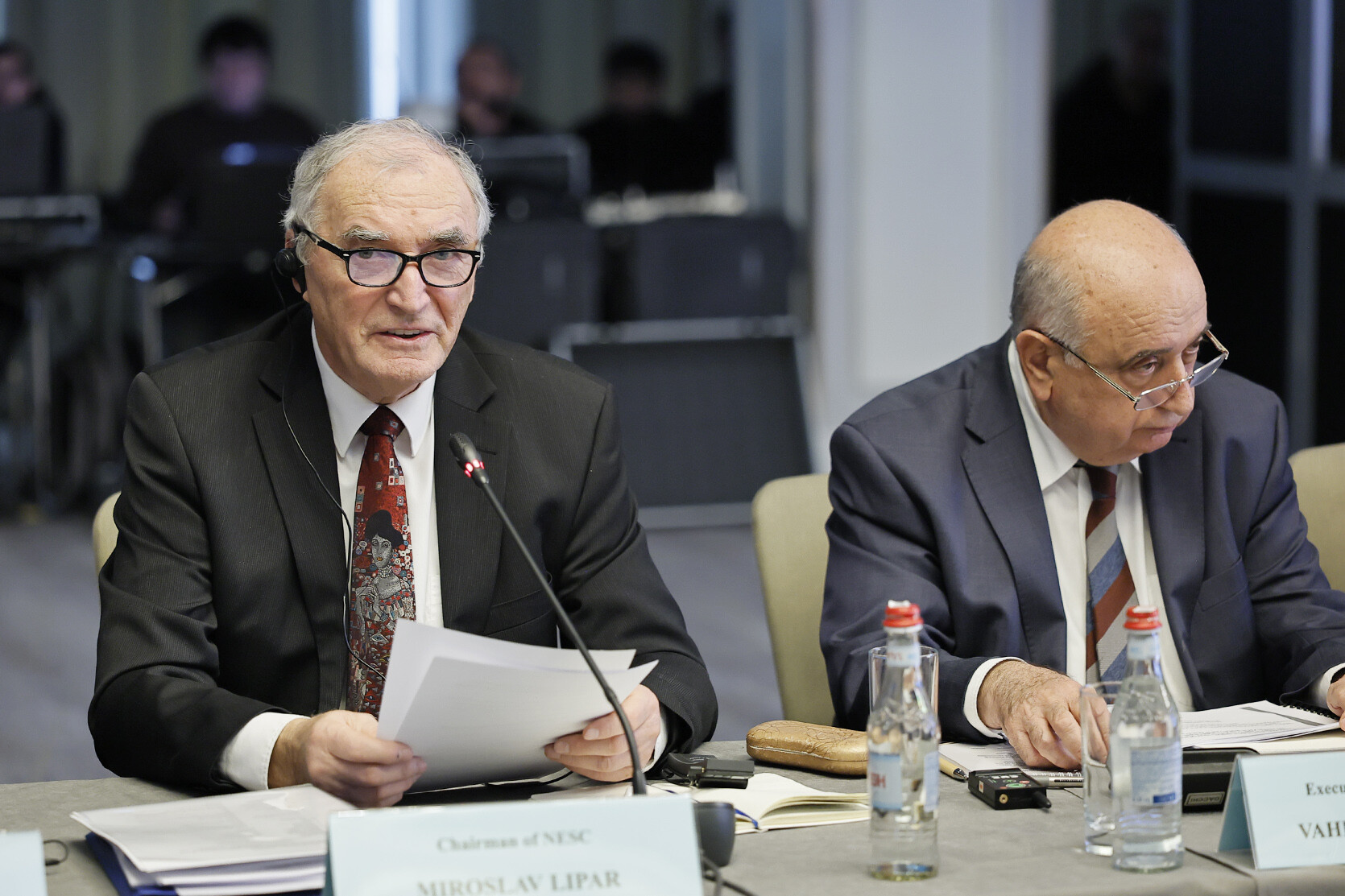
Lipar emphasized that all Council members had reaffirmed their capacity to continue this work, which once again demonstrates their shared commitment to ensuring the safe operation of the Armenian Nuclear Power Plant.
“Of course, we are also ready to provide Armenia with the best possible support along this path. I simply want to say that we love Armenia and love the Armenian people. I consider today's meeting the opening of a new chapter in our relations, including with the Safety Council. The Safety Council has a long history of cooperation and also has the relevant capabilities,” he said.
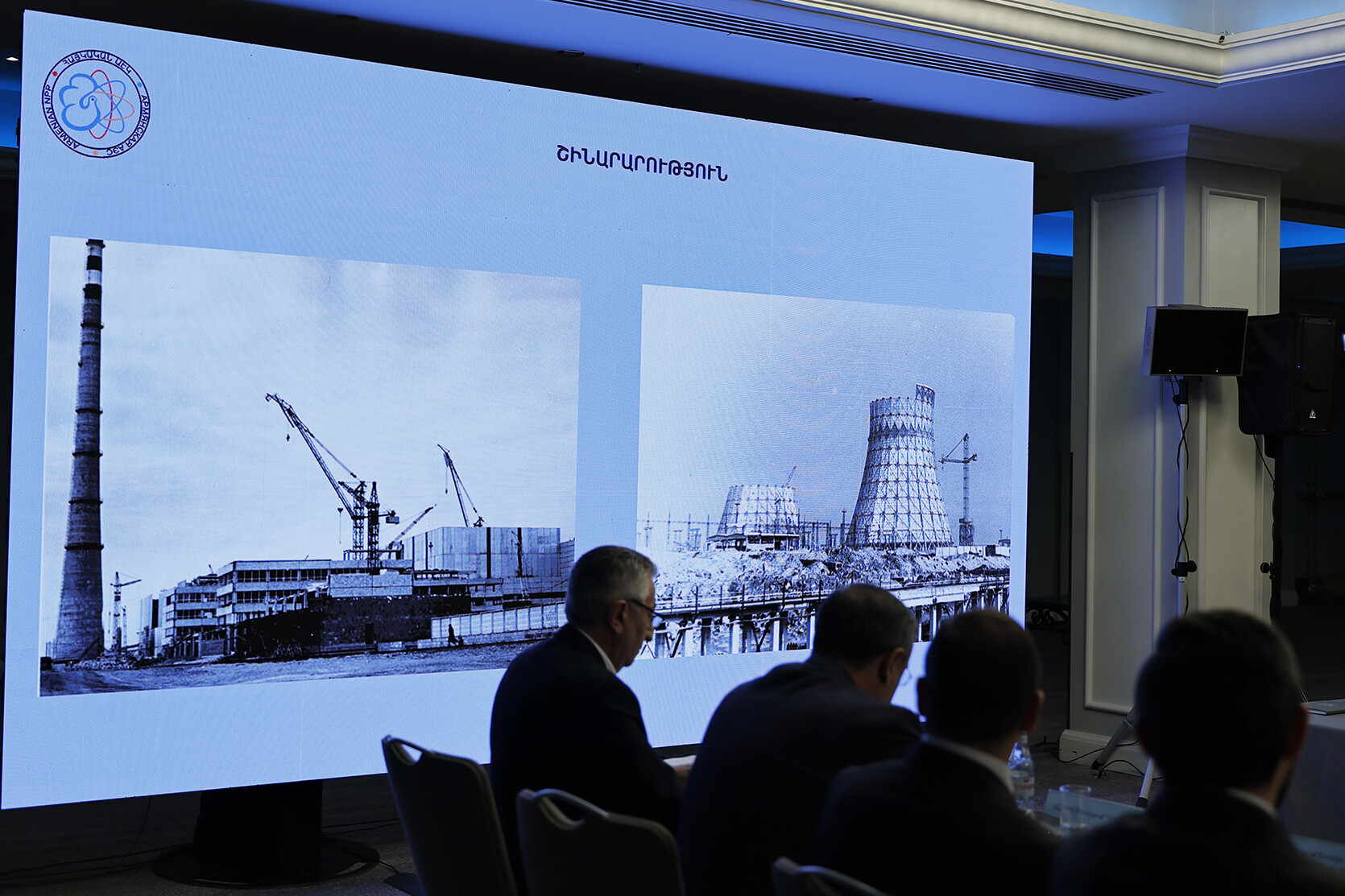
The Council chairman noted that their mission would primarily involve providing high-level advice to the Government of the Republic of Armenia on nuclear energy and safety.
“Today's mission is becoming increasingly relevant and important, particularly in the next stages of the Council's work, as Armenia faces the need to make a fundamental decision regarding its nuclear energy program. First and foremost, the safe operation of the existing nuclear power plant must be ensured, including the continuation of safety measures under long-term operational programs. At the same time, Armenia is preparing to make an important decision concerning a new nuclear power plant. These decisions will undoubtedly shape the country's energy future for decades to come. Such a decision requires not only political responsibility and economic analysis, but also a comprehensive assessment of all relevant technical and nuclear safety aspects,” he said.
Continuing his remarks, Miroslav Lipar also emphasized that their goal was to develop a broader strategic perspective, taking into account international experience and the assessment of potential risks, while also developing and providing independent expert capabilities.
“In this regard, I propose that the Council focus on four main priority areas in the coming period. The first priority, of course, is the safe long-term operation of the nuclear power plant through the implementation of appropriate safety measures. In particular, I am referring to the fact that certain components may deteriorate, and safety standards must be enforced more rigorously in areas affected by such deterioration. The second priority is the launch of a new nuclear safety program and the incorporation of technologies into the strategic decision-making process. All this must, of course, be based on assessments of safety, technological maturity and economic viability. I am also referring to the assessment of ongoing project implementation risks, ensuring safety and long-term sustainability. The third priority concerns nuclear infrastructure, expert capacity and human resources. Experience shows that advanced technologies alone cannot guarantee nuclear safety. Of course, high-quality infrastructure, regulatory oversight, monitoring, competent personnel, consistent management decision-making, as well as sustained education and training are essential for the safe operation of nuclear power plants. Finally, I know that you are quite active in international cooperation, but we can also support efforts to expand it. Armenia should continue to make effective use of the country's experience, particularly that gained through its established nuclear programs, while also drawing on the expertise and capabilities of the IAEA, the European Commission, Rosatom and the U.S. Department of Energy. The Council can help expand this cooperation by bringing international experience into the strategic decision-making process.”
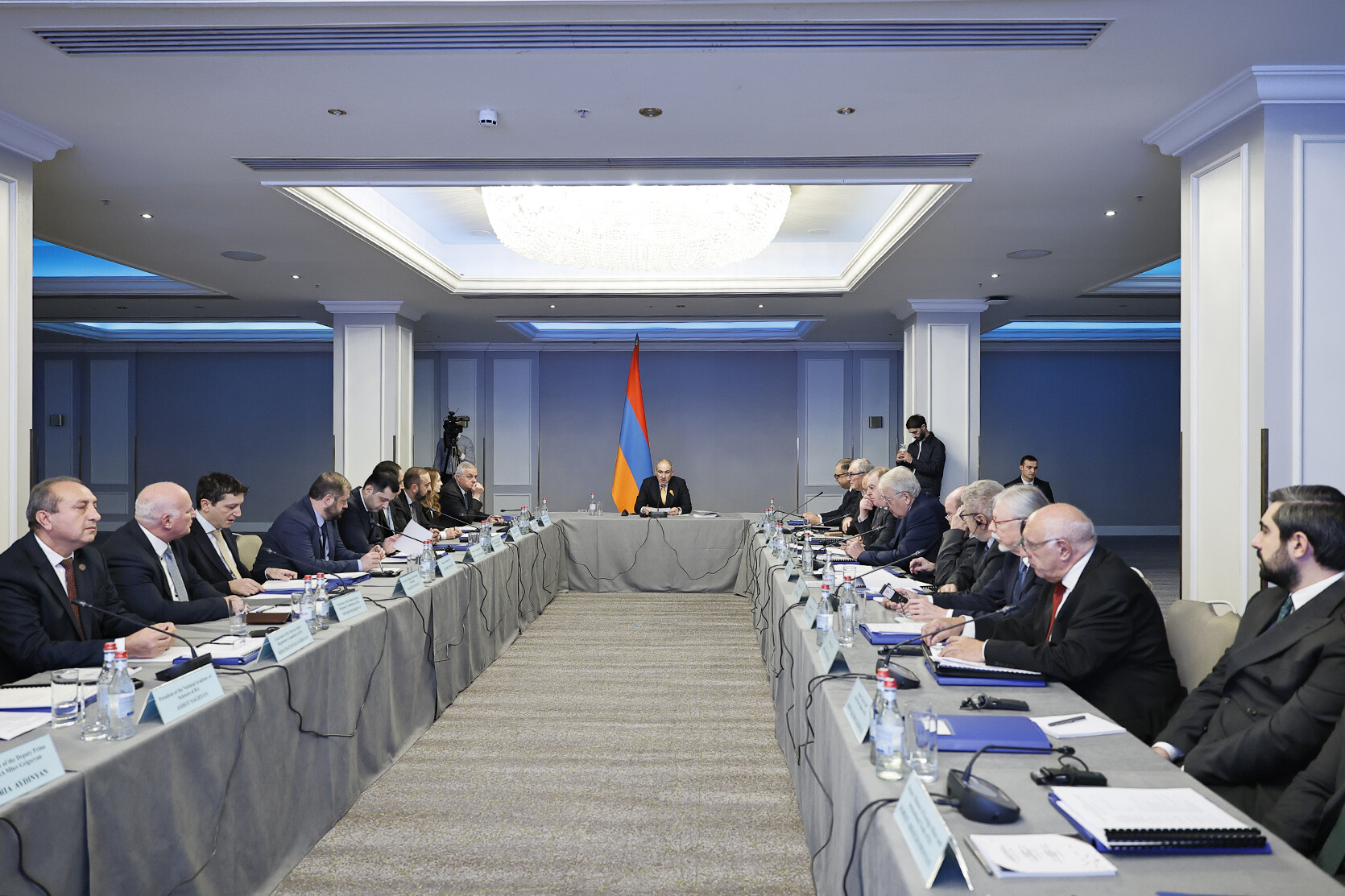
According to Miroslav Lipar, the Council's work should not be limited to general discussions but should lead to clear conclusions and recommendations to ensure the effectiveness of further actions. He added that achieving this goal requires open and constructive cooperation among all the institutions involved.
Concluding his remarks, the Council chairman emphasized:
“The Prime Minister's presence at today's meeting sends a very important message to everyone, underscoring that nuclear safety is not merely the responsibility of the sector or the regulatory authority, but a matter of national strategic importance that requires continued attention and commitment at the highest level. Therefore, the expected results and our cooperation must be coordinated. I hope today's discussions will allow us to assess the most important challenges facing Armenia's nuclear energy sector. We must be able to establish priorities for the Council's future work. Honorable Prime Minister, I hope today's meeting marks the beginning of long-term and fruitful cooperation between the Government of the Republic of Armenia and the Nuclear Energy Safety Council. I am confident that expert potential and international experience can be brought together and that, through these efforts, we will be able to make a meaningful contribution to the safe future of the Republic of Armenia's nuclear energy sector.”
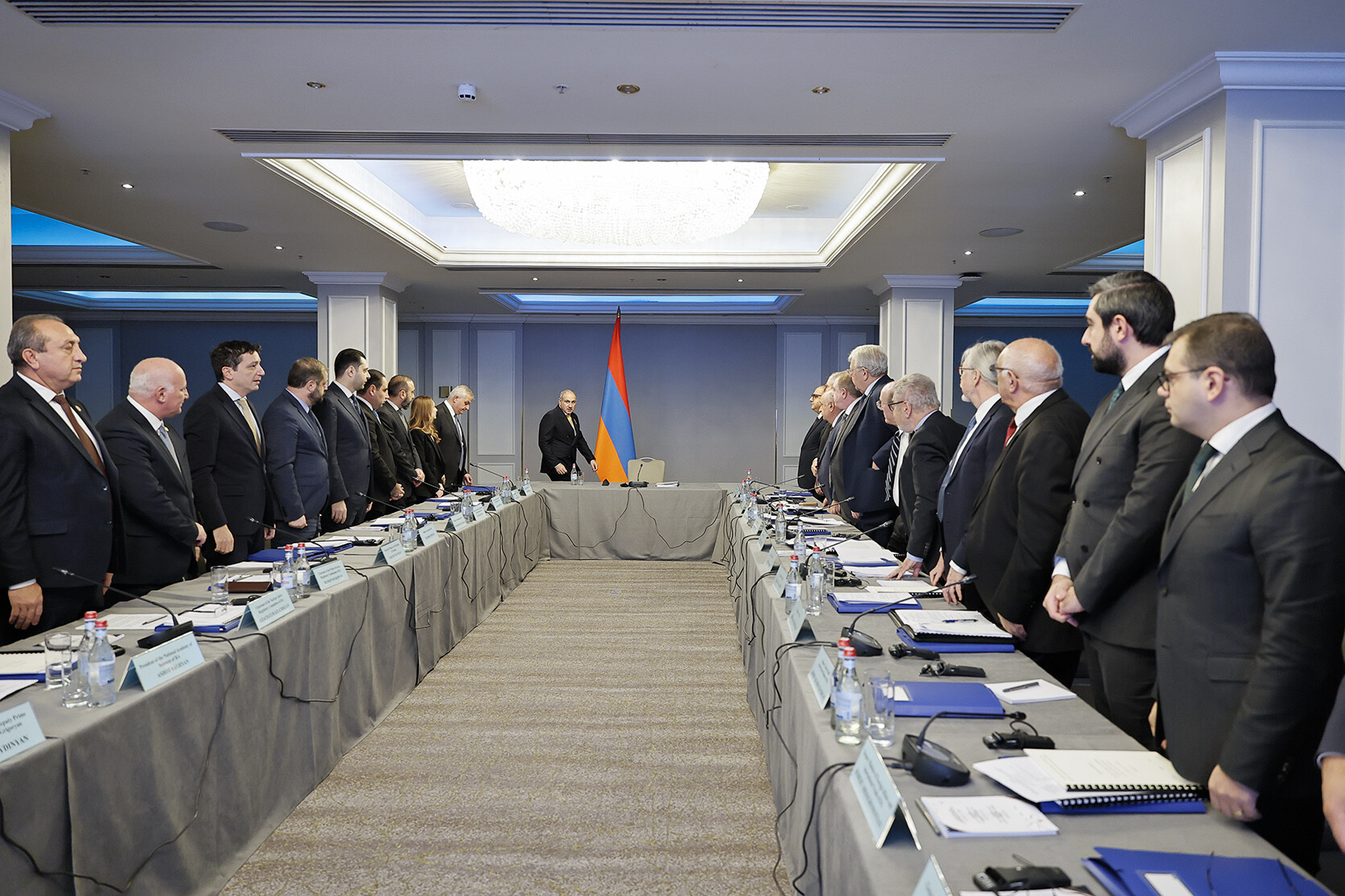
The meeting was attended by Armenian Cabinet members, as well as nuclear energy specialists from Russia, the United States, France, the Czech Republic and Finland.
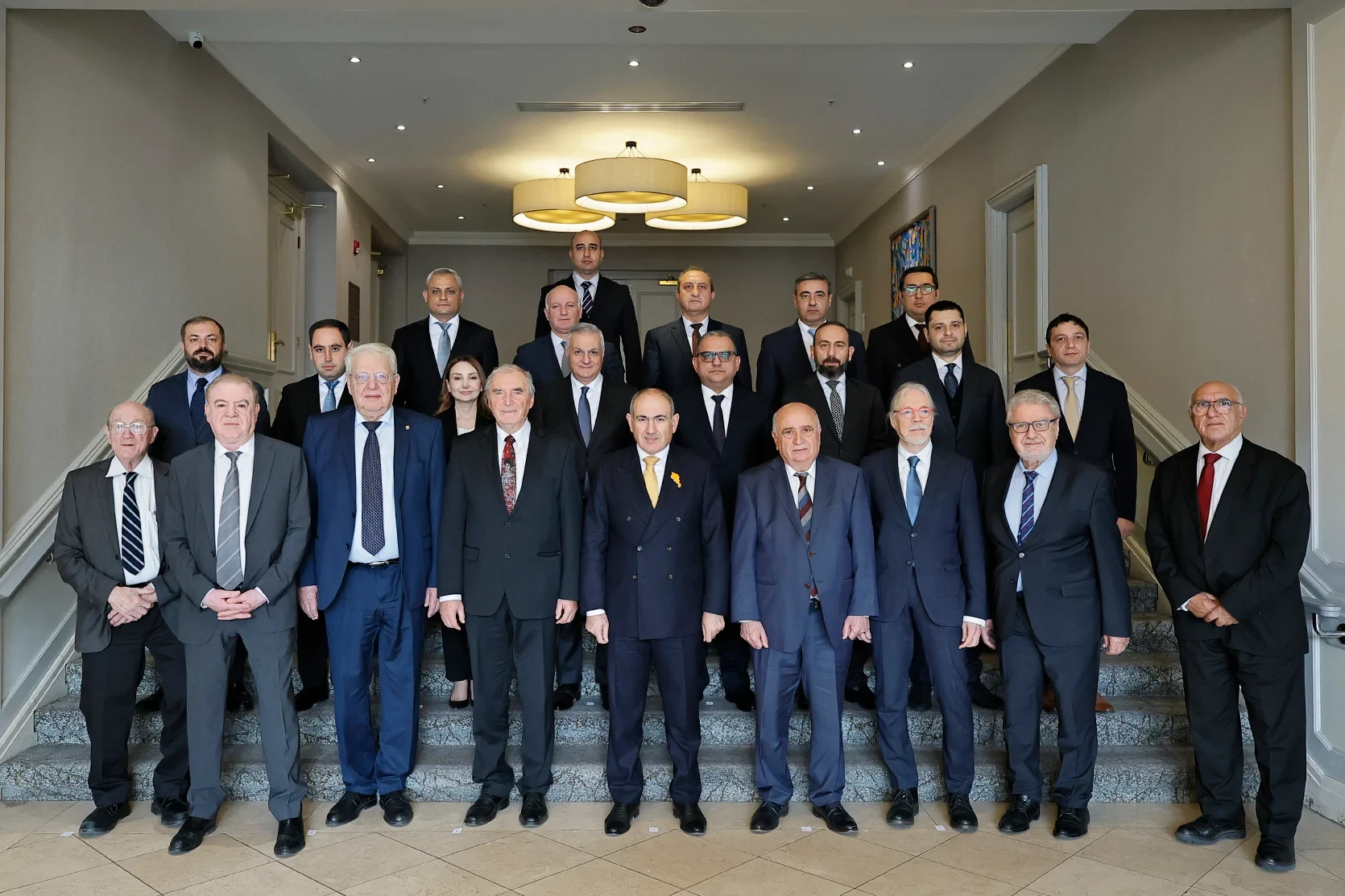
The meeting discussed issues related to ensuring the safe operation of the existing unit of the Armenian Nuclear Power Plant and the work to extend its service life, improving its safety level and reliability, as well as prospects for the construction of a new nuclear power unit in the Republic of Armenia. It was emphasized that the relevance of these issues is also due to the Armenian Government's examination of options for constructing a new nuclear power unit and the need to apply international standards and best practices in the field of nuclear safety. Various proposals and observations were presented as a result of the discussions.
Prior to the session, Prime Minister Nikol Pashinyan also held a meeting with Nuclear Energy Safety Council Chairman Miroslav Lipar.