
 361.49


In Search for Truth: STARMUS festival of science and art returns to the Canary Islands

14 minute read

For 15 years, STARMUS has brought together scientists, astronauts and artists to discuss science, our planet, the Universe and humanity’s place within it. This October, under the theme “The Search for Truth,” the festival will return to Spain’s Canary Islands, where it all began in 2011.
***
Science has its traditional settings: laboratories, universities, observatories and research centres. Yet conversations about scientific ideas can continue far beyond these walls—on concert stages, through art and at gatherings that bring together people from different fields. STARMUS was created with precisely this purpose: to build a space where science, music and art come together.
Founded by Armenian astrophysicist Garik Israelian and legendary Queen guitarist and astrophysicist Brian May, STARMUS is a unique international festival dedicated to science communication, space exploration, art and music. Over the past decade and a half, its participants have included Nobel laureates, astronauts who have walked on the Moon, renowned Soviet cosmonauts, scientists whose discoveries have transformed our understanding of the Universe and the world, and artists who have helped make scientific ideas accessible to wider audiences.
Since its first edition in 2011, STARMUS has developed a distinctive format that goes beyond the traditional scientific conference. Lectures and discussions are accompanied by concerts and educational activities designed for the general public.
The eighth edition of STARMUS will take place from October 17 to 22 on the Spanish Canary Islands of Tenerife and La Palma. This year’s events will be held under the theme “The Search for Truth,” with discussions focusing on artificial intelligence, scientific and technological advances, astronomy and many other issues of growing relevance.
The ambitious idea of two astrophysicists becomes reality
At the heart of the festival’s story lie two seemingly unrelated worlds: astrophysics and rock music.
Astrophysicists Garik Israelian, who had spent years studying stars and their evolution, and Brian May, whom many people at the time knew primarily for his performances with Queen, decided to establish a festival together. The idea was simple: science could and should be discussed not only through academic papers and professional conferences, but also in a more accessible and engaging way, bringing art and music into the conversation.
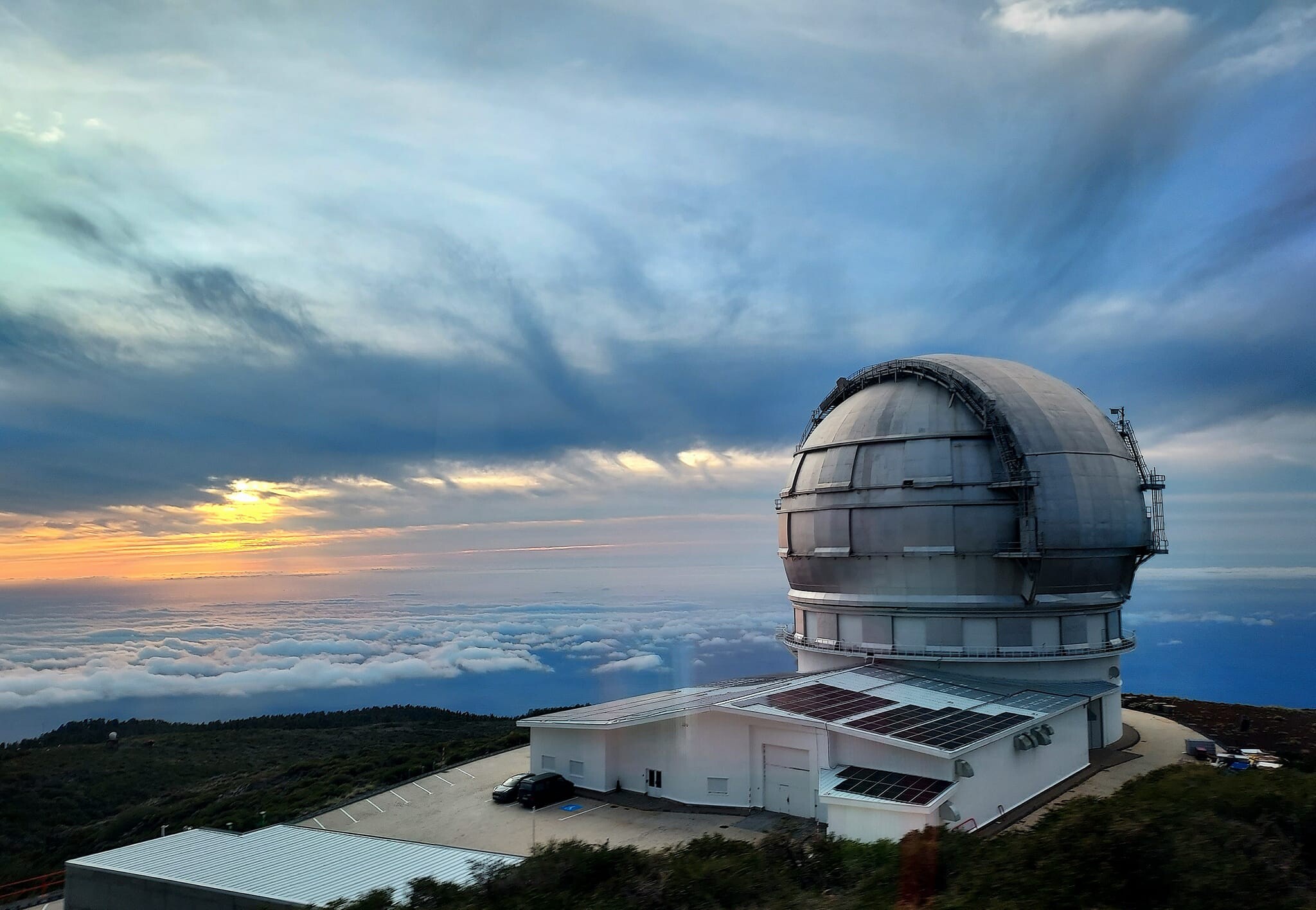
The first festival took place in June 2011 in the Canary Islands. It was dedicated to the 50th anniversary of the first human spaceflight. The choice of location was no coincidence. Tenerife and La Palma offer exceptional conditions for astronomical research. La Palma is also home to the Gran Telescopio Canarias, one of the world’s best-known large optical and infrared telescopes.
STARMUS I brought together some of the most iconic figures associated with space exploration, including Neil Armstrong and Buzz Aldrin, astronauts on the first lunar mission, Apollo 11, and Soviet cosmonaut Alexei Leonov, the first person to conduct a spacewalk. They were joined by prominent scientists and Nobel laureates to discuss humanity’s achievements in space exploration and the possibilities that lay ahead.
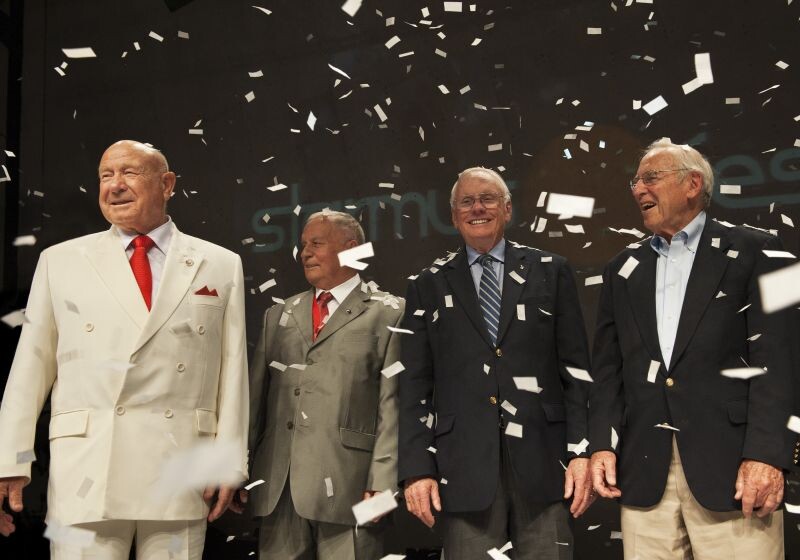
Neil Armstrong’s participation was particularly memorable. His appearance at the festival became his final public address; he died in August 2012. Speaking about the legacy of space exploration, Armstrong reflected on the technological progress it had made possible and the continuing importance of opening new horizons for humanity.
Stephen Hawking and the story behind his medal
Held once again in the Canary Islands in 2014, STARMUS II was marked by the participation of Stephen Hawking. One of the most influential theoretical physicists of his generation, Hawking advanced the study of black holes and made complex concepts in cosmology accessible to millions of people.
While the first festival in 2011 had attracted around 300 participants, attendance more than tripled for the second edition, reaching 1,000. This growth demonstrated that the festival’s distinctive combination of science and art had found an audience.
In 2016, STARMUS III established the Stephen Hawking Medal for Science Communication. The award subsequently became one of the festival’s most recognizable traditions, honouring individuals who have made outstanding contributions to science communication through science, art and film.
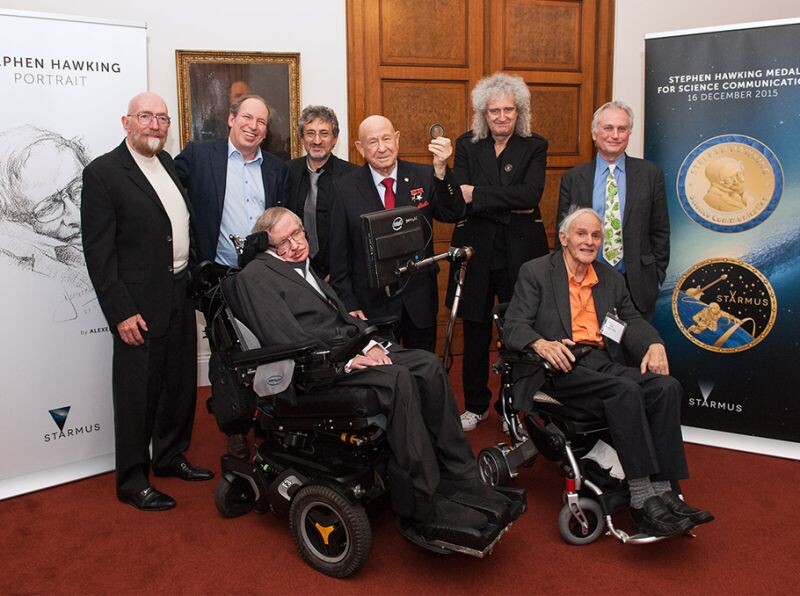
The medal’s design brings together two symbols of the festival’s identity. One side features a portrait of Hawking created by Alexei Leonov. The other depicts Brian May in outer space with his famous guitar.
Over the years, the medal has been awarded to many prominent figures, including Elon Musk, founder of SpaceX and Tesla; Oscar-winning directors Christopher Nolan and Ridley Scott; Oscar-winning composer Hans Zimmer; the late primatologist Jane Goodall; astrophysicist Neil deGrasse Tyson; physicist Jim Al-Khalili; Queen guitarist, musician and astrophysicist Brian May; and Jean-Michel Jarre, regarded as one of the pioneers of electronic music, among others.
STARMUS IV, held in Norway in 2017, continued to explore the relationship between space exploration and humanity’s future. Discussions addressed the possibility of establishing human settlements beyond Earth, the technological challenges of travelling to other planets and many other questions.
In 2019, STARMUS V took place in Zurich, Switzerland, as a tribute to the Apollo missions. It was during this festival that then-President of Armenia Armen Sarkissian took the stage and invited STARMUS to hold its next edition in Armenia. The invitation was accepted, and STARMUS came to Armenia.
STARMUS VI in Armenia
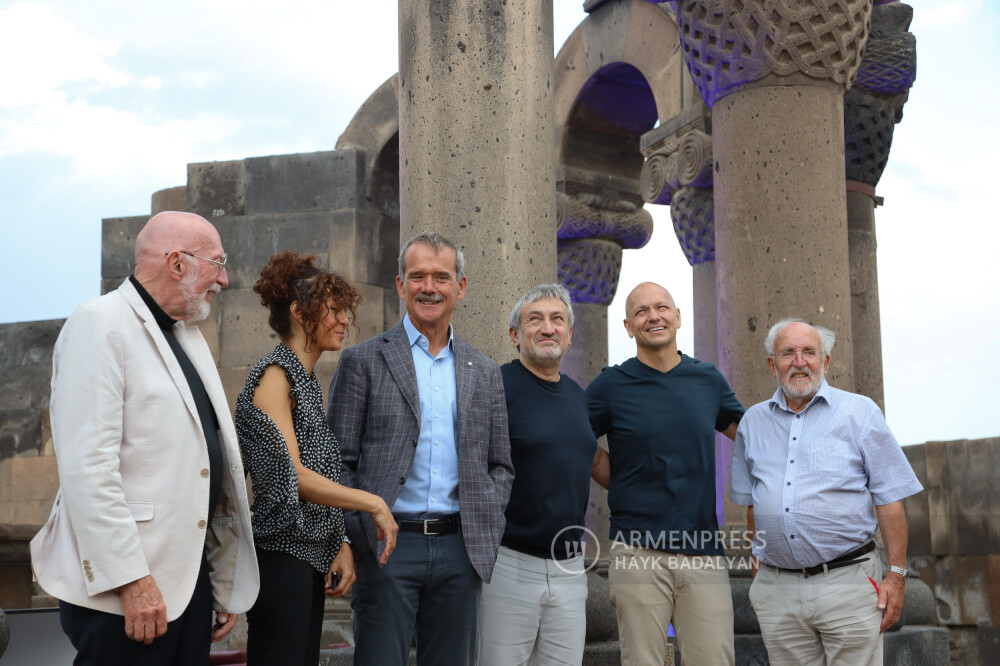
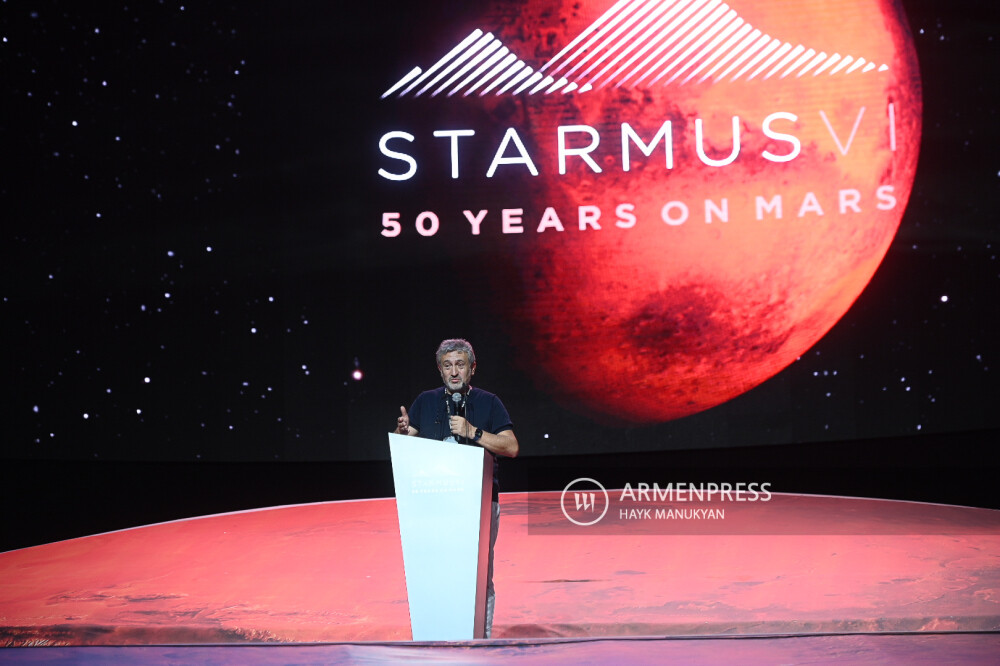
In September 2022, Armenia hosted STARMUS VI. Held under the theme “50 Years on Mars,” the festival explored five decades of Mars research and growing interest in future human missions to the Red Planet. The programme also covered a wide range of subjects, from climate change and the origins of life to neuroscience and the relationship between music and the human brain.
Among those who travelled to Armenia were Charles Duke, an astronaut on the Apollo 16 mission; Canadian astronaut Chris Hadfield; and Nobel laureates Michel Mayor, Kip Thorne, Emmanuelle Charpentier and Edvard Moser, among others.
One of the most visible elements of STARMUS VI was the Science Camp organised in Yerevan’s Freedom Square. Designed for children and adults interested in science, the platform offered interactive activities that allowed visitors to explore new scientific and technological developments. Its goal was to make knowledge accessible beyond conference halls and encourage young people to consider careers in science and technology.
In his closing speech, STARMUS co-founder Garik Israelian declared that the edition held in Armenia was the best in the festival’s history.
After Armenia, the festival moved to Bratislava, the capital of Slovakia, in 2024, under the theme “The Future of Our Home Planet.” One of the leading speakers that year was renowned primatologist Jane Goodall. In an impactful address from the STARMUS stage, she called for the protection of the planet:
“We are living in the sixth mass extinction on planet Earth. And we ourselves are the cause of this extinction. We are living in extremely difficult times, and what we do now will affect the future of life on planet Earth.”
Team Telecom Armenia: Supporting Science
Making an international festival such as STARMUS accessible to a wider audience requires more than the efforts of scientists and organizers. Strong partnerships between organizations and media outlets also play a key role.
With the support of Team Telecom Armenia, ARMENPRESS will cover STARMUS VIII from the Canary Islands, bringing readers the perspectives of leading scientists on the exploration of Earth and the Universe, as well as the future of science and technology.
“For us, the development of science, education and technology is not merely an area of social responsibility; it is also part of the future we want to see in Armenia. As a technology company, we believe it is important not only to build modern infrastructure but also to foster interest in science and innovation,” says Tigran Frangyan, Commercial Director of Team Telecom Armenia.
Team Telecom Armenia’s relationship with STARMUS is not new. In 2022, when Armenia hosted STARMUS VI, the company served as the festival’s main technology partner.
“When the festival was held in Armenia, Team Telecom Armenia, as its main technology partner, did more than support the initiative: it became part of its implementation, providing connectivity and technological support for guests and participants. We are pleased to contribute once again to bringing stories about science, technology and new ideas from STARMUS to audiences in Armenia, continuing our consistent efforts to promote education, science and technology,” Frangyan notes.
STARMUS VIII Returns to the Canary Islands
Ten years after the 2016 edition, STARMUS VIII returns to the Canary Islands. Tenerife and La Palma, which will host the main events, are important centers for astronomical research thanks to their geographical location, climate and dark skies.
This year’s programme features an impressive line-up of speakers, including computer scientist and Nobel laureate Geoffrey Hinton, neuroscientist May-Britt Moser, physicist and Nobel laureate Serge Haroche, astrophysicist Michel Mayor, and other renowned astrophysicists and scientists.
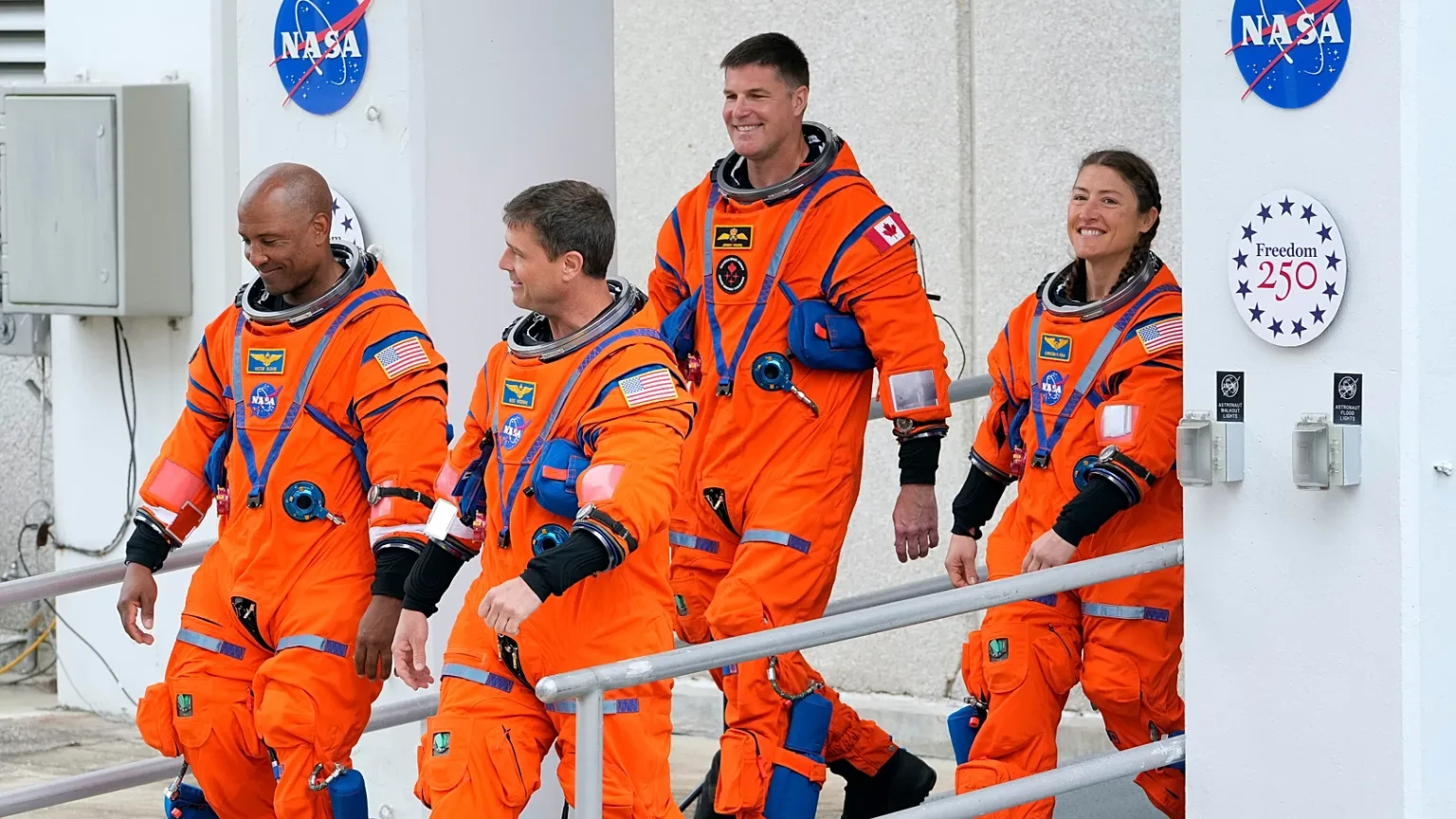
The festival stage will also welcome astronauts Victor Glover, Reid Wiseman and Jeremy Hansen, members of NASA’s Artemis II crewed lunar mission.
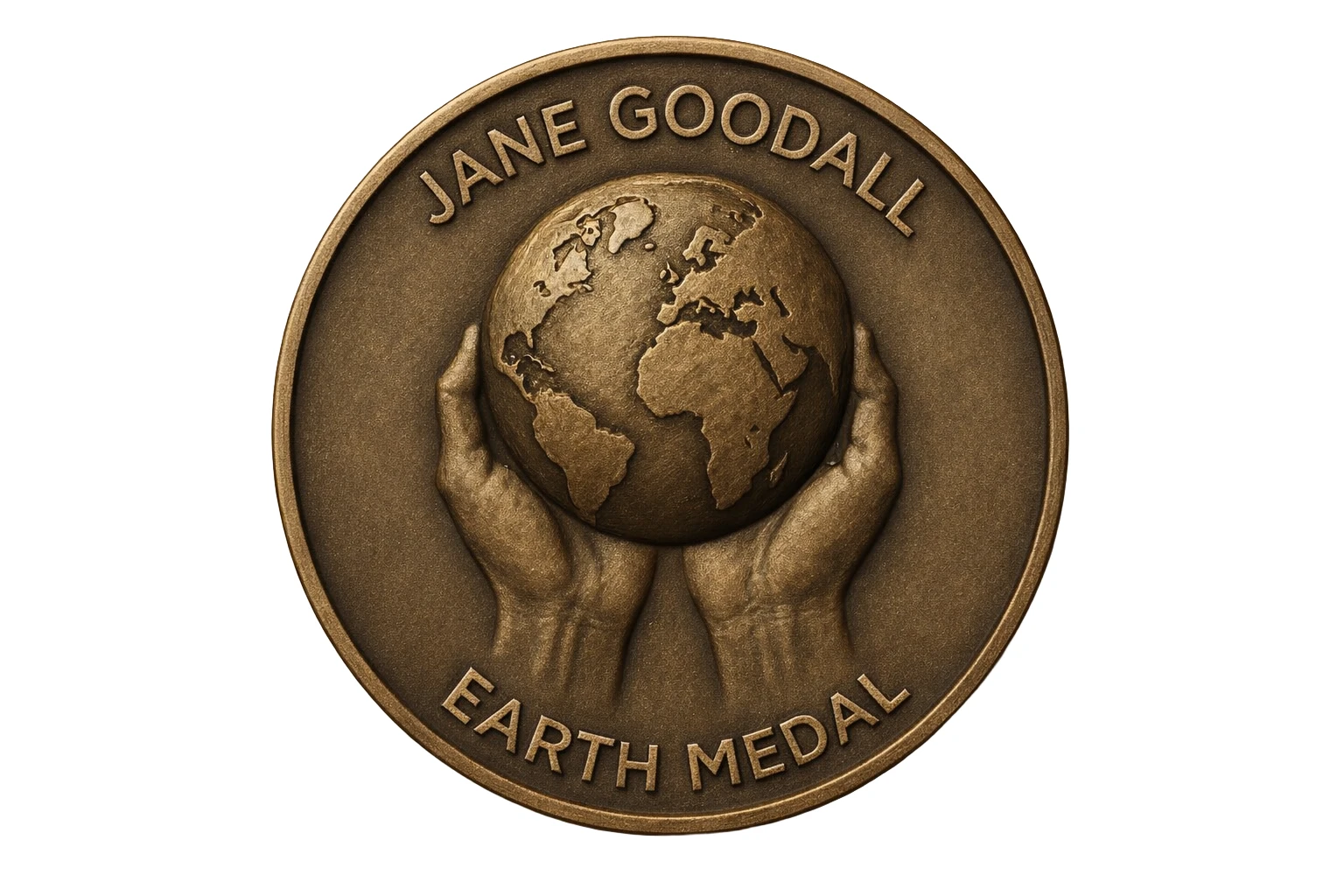
Alongside the traditional Stephen Hawking Medal, STARMUS VIII will see the presentation of a new award for the first time: the Jane Goodall Earth Medal, established in honour of the renowned primatologist. While the Hawking Medal recognizes contributions to science communication, the Jane Goodall Earth Medal will honour people who actively work to protect the planet and biodiversity and use their voices to raise awareness of these causes. Goodall, who died in 2025, was a member of the STARMUS Advisory Board.
Beyond its scientific and educational programme, the festival will feature its traditional concert, with performances by Brian May, Andrea Bocelli, Sarah Brightman, Derek Sherinian and many other artists. On October 18, legendary keyboardist Rick Wakeman will present the world premiere of Echoes from Black Holes, a composition inspired by the Universe.
The history of STARMUS shows that science is about more than discoveries, equations and research. It is also about asking questions, exploring new horizons and seeing the world from a different perspective. When scientific ideas meet music and art, they can move beyond professional circles and become part of a wider public conversation about our shared future.