
 367.01


Ucom and FPWC ensure round-the-clock wildlife monitoring in Gnishik through solar energy
4 minute read

Ucom press release
With Ucom's support, the Foundation for the Preservation of Wildlife and Cultural Assets (FPWC) has installed two autonomous (off-grid) solar-powered stations in Gnishik to ensure the uninterrupted, around-the-clock operation of wildlife monitoring cameras.
This initiative will enable FPWC specialists to continuously monitor movement and behavior of wild animals, study the migration routes of endangered species, and strengthen surveillance to help prevent illegal hunting and forest fires. The autonomous solar stations are particularly important for ensuring the reliable operation of monitoring systems in remote areas beyond the reach of the power grid. By providing an independent energy source, the stations allow the cameras to collect data 24/7 regardless of access to centralized electricity.
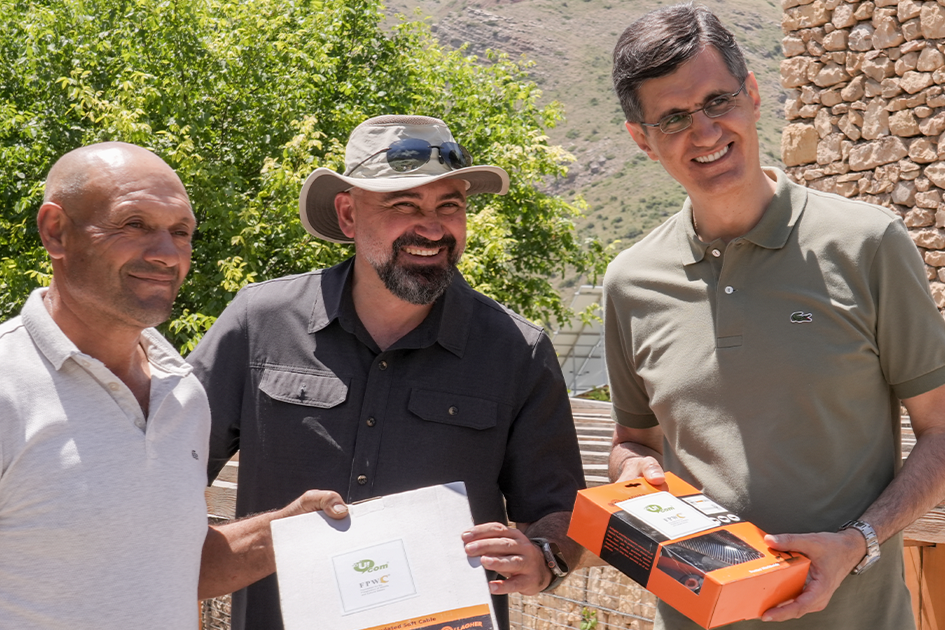
"Modern technologies can create real value not only in people's daily lives but also in nature conservation. This project in Gnishik demonstrates how connectivity and renewable-energy solutions can be combined to establish a reliable, around-the-clock monitoring system in remote areas. At Ucom, we are committed to supporting initiatives that deliver long-term environmental impact and contribute to preserving Armenia's biodiversity," said Ralph Yirikian, General Director of Ucom.
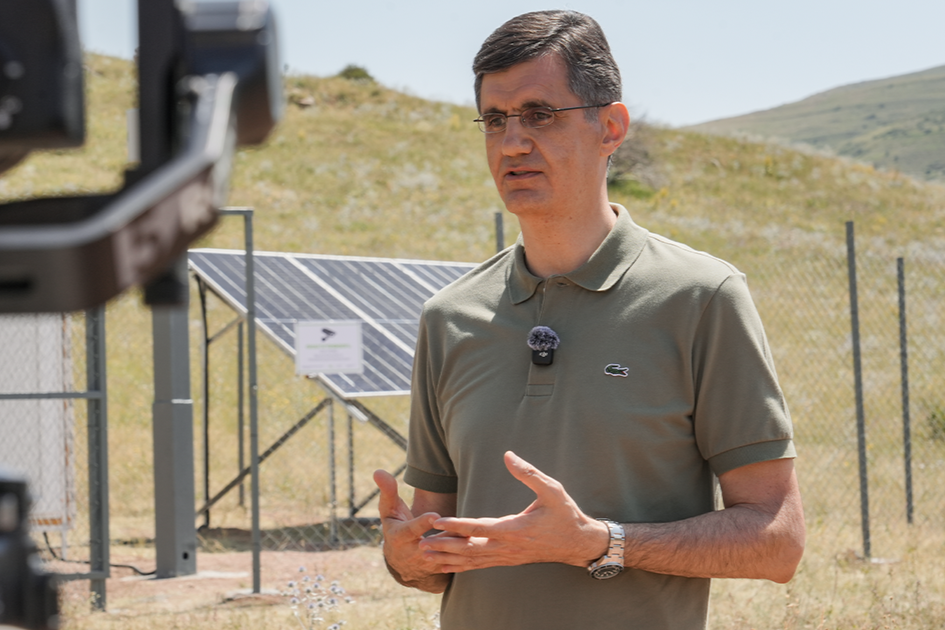
The use of solar energy also reduces dependence on conventional energy sources while promoting more sustainable and environmentally friendly technological solutions to addressing conservation challenges.
"In today's world, it is impossible to imagine effective wildlife conservation without integrating advanced technologies with renewable energy solutions. The installation of autonomous solar-powered stations in Gnishik takes our monitoring efforts to a new level, providing an uninterrupted flow of data 24/7 data flow even from the most remote locations beyond the electricity grid. This enables us not only to more effectively prevent illegal hunting and forest fires but also to conduct in-depth scientific research on the movement of endangered species," said Ruben Khachatryan, Founder and Director of FPWC.
The partnership between Ucom and FPWC continues and aims to enhance the effectiveness of monitoring protected areas. During earlier phases of the cooperation, Ucom provided high-quality internet connectivity for FPWC's thermal camera systems, enabling specialists to remotely receive, analyze, and utilize data transmitted from protected areas in real time.
The integration of innovative technological and energy solutions helps establish a more reliable wildlife conservation system by enabling continuous monitoring and ensuring rapid response whenever necessary.
As part of the initiative, local beekeeping families in Gnishik also received a solar-powered electric fence to protect their beehives from bears. The fence will secure approximately one hectare of land, helping four families safeguard their hives.
The system is both modern and wildlife-friendly. When touched by an animal, solar-powered electric fences emit a mild electric pulse that deters further approach without causing harm. The installation of these “shepherd” fences is viewed as a short-term practical measure while long-term projects continue in parallel, including Ucom's large-scale tree-planting program. As tens of thousands of trees mature into forests, they will serve as a sufficient natural food source for wild animals.