
 360.93


Majiayao: How a village in northwest China keeps an ancient legacy alive
6 minute read

Tucked away in the mountains of northwest China, the village of Majiayao is home to an ancient cultural tradition that continues to shape daily life.
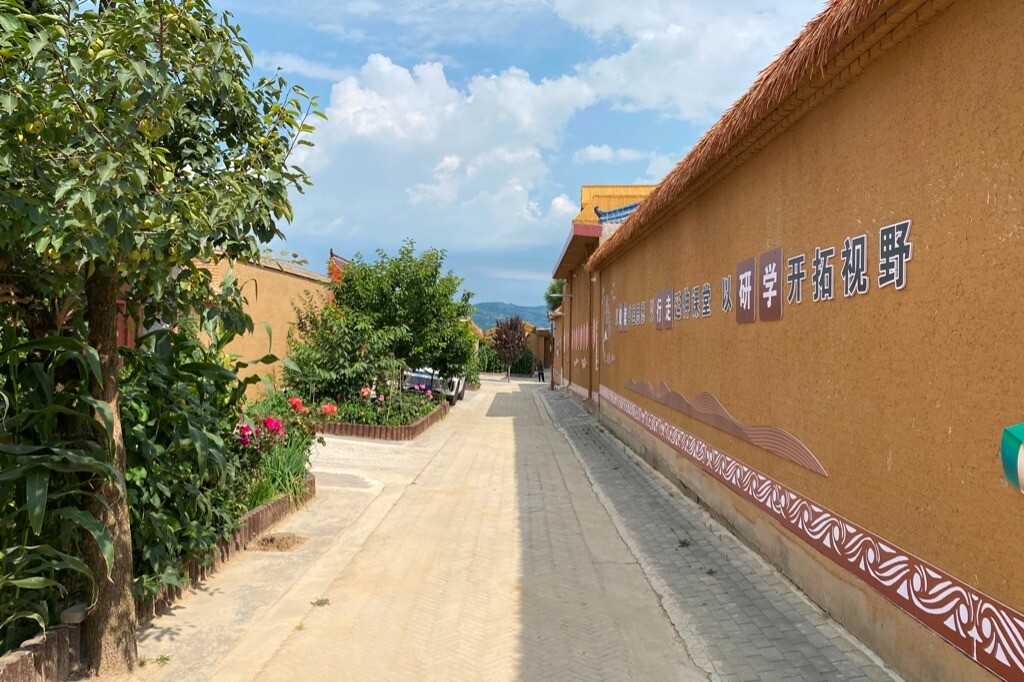
Located on the west bank of the Tao River, 9 km from the county seat of Lintao County in Gansu Province, Majiayao Village is the cradle and namesake of the Majiayao Culture, which dates back more than 5,700 years. As the most widely distributed, richly represented, and iconic mid-to-late Neolithic culture in Gansu, it holds a special place in the broader tapestry of China's diverse yet unified ancient civilizations.
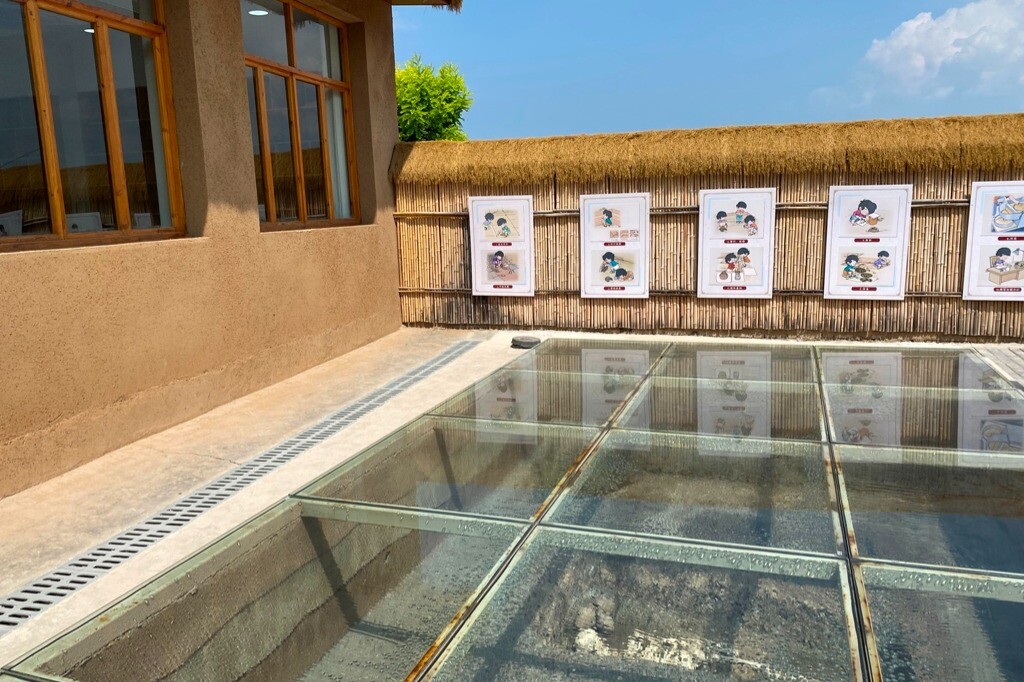
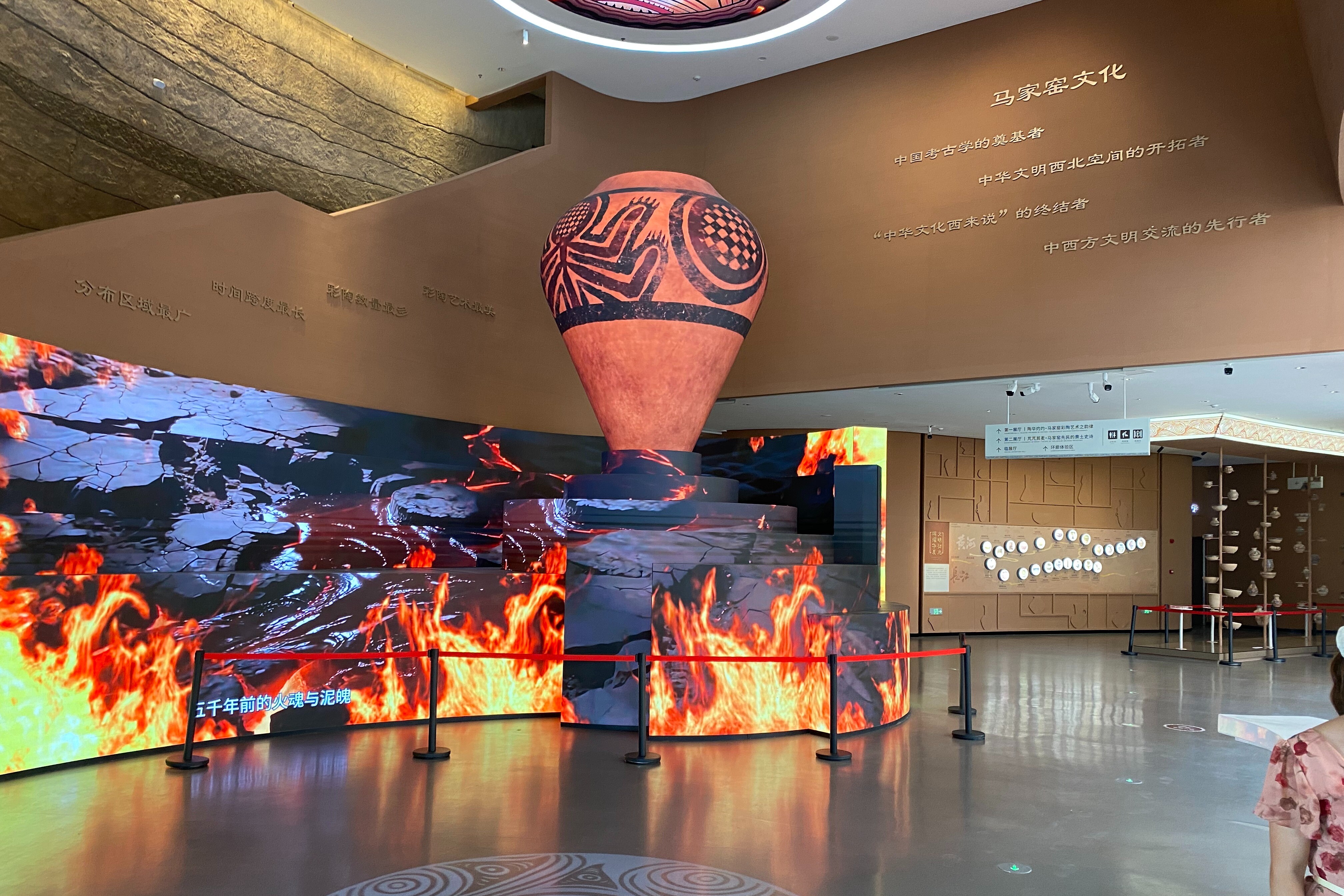
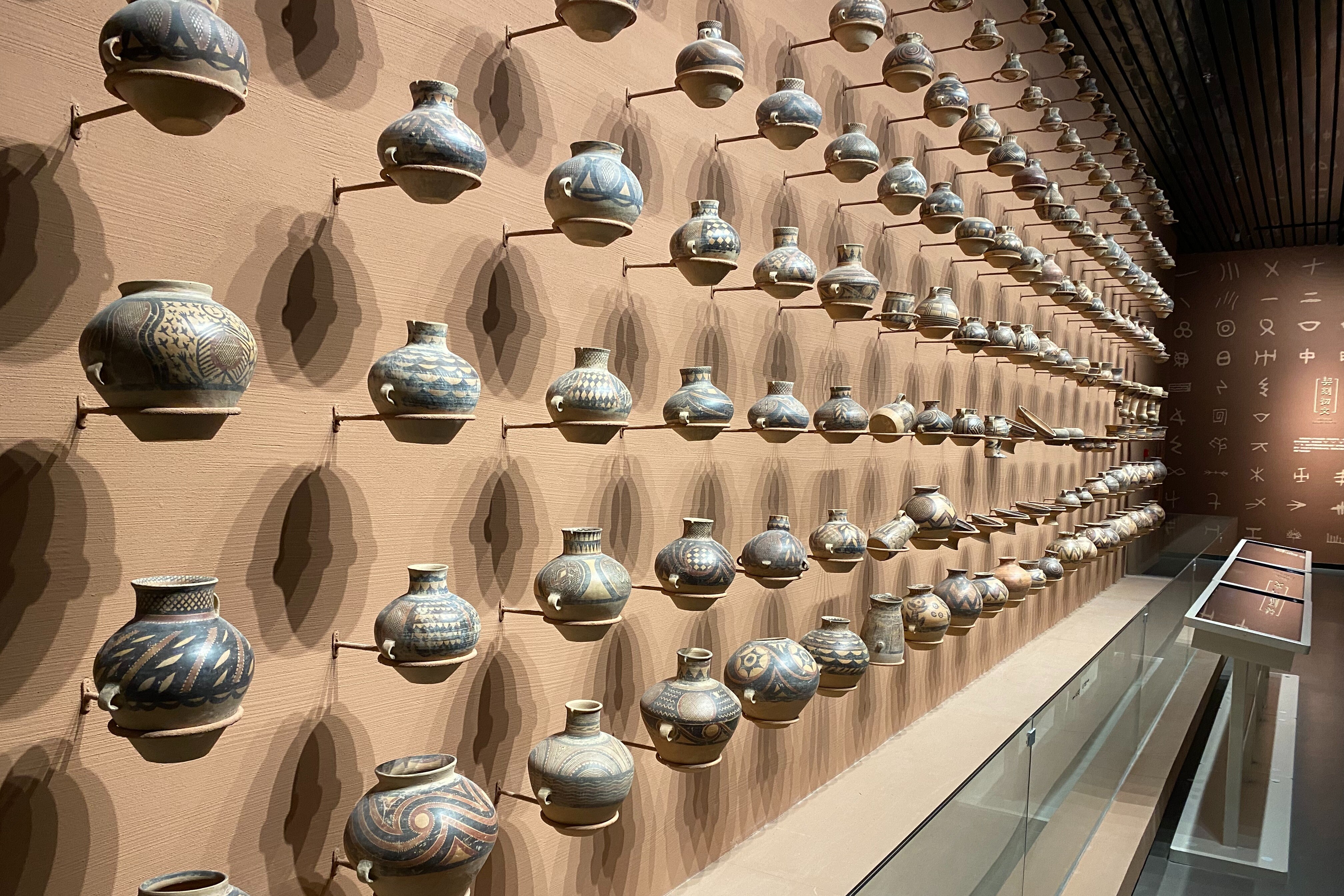
The Majiayao Culture is a late Neolithic culture of the upper Yellow River valley. It was centered in what are now central and southern Gansu, northeastern Qinghai, and northern Sichuan, with its influence extending into parts of Ningxia. The culture represents the first widespread occupation of the upper Yellow River region by agricultural communities, making it one of the earliest large farming cultures in western China. The Majiayao Culture was named after the Majiayao site, first discovered in 1924 by Swedish geologist J.G. Andersson on the west bank of the Tao River in Lintao County, Gansu Province. In the 1940s, renowned Chinese archaeologist Xia Nai officially named it the Majiayao Culture. The culture is renowned for its painted pottery, which represents the pinnacle of prehistoric painted pottery art in China. Its ceramic vessels-predominantly basins, bowls, pots, and bottles-feature elegant decorative patterns painted in black, red, and white pigments on an orange-yellow clay surface. Common motifs include spirals, water ripples, birds, fish, and frogs. In 1988, the Majiayao site was designated a Major Historical and Cultural Site Protected at the National Level by the State Council, and in 2001, it was named one of the "100 Major Archaeological Discoveries in China in the 20th Century."
Archaeological evidence shows that the Majiayao people lived in permanent farming villages, practiced millet agriculture, raised pigs and sheep, and produced sophisticated pottery and other crafted goods.
In 2025, archaeologists announced the discovery of the largest known Majiayao settlement at the nearby Siwa archaeological site in Lintao County. Covering more than one million square meters, the settlement included houses, roads, kilns, tombs, and other features, providing the clearest evidence to date of a large, organized community associated with the Majiayao Culture.
The local museum showcasing the culture seems to capture the spirit of the Majiayao ancestors as they shaped clay into pottery. Walking through the museum is a unique experience, bridging the gap of time and engaging in a dialogue with an ancient civilization whose spirit is expressed through its painted pottery. The splendor of the pottery reflects not only the culture's reverence for nature but also its highly organized social structure and remarkable craftsmanship. It reveals a unique path of development along the upper Yellow River and suggests that, perhaps even before the Silk Road was established, Eurasia had already begun cultural exchanges through pottery.
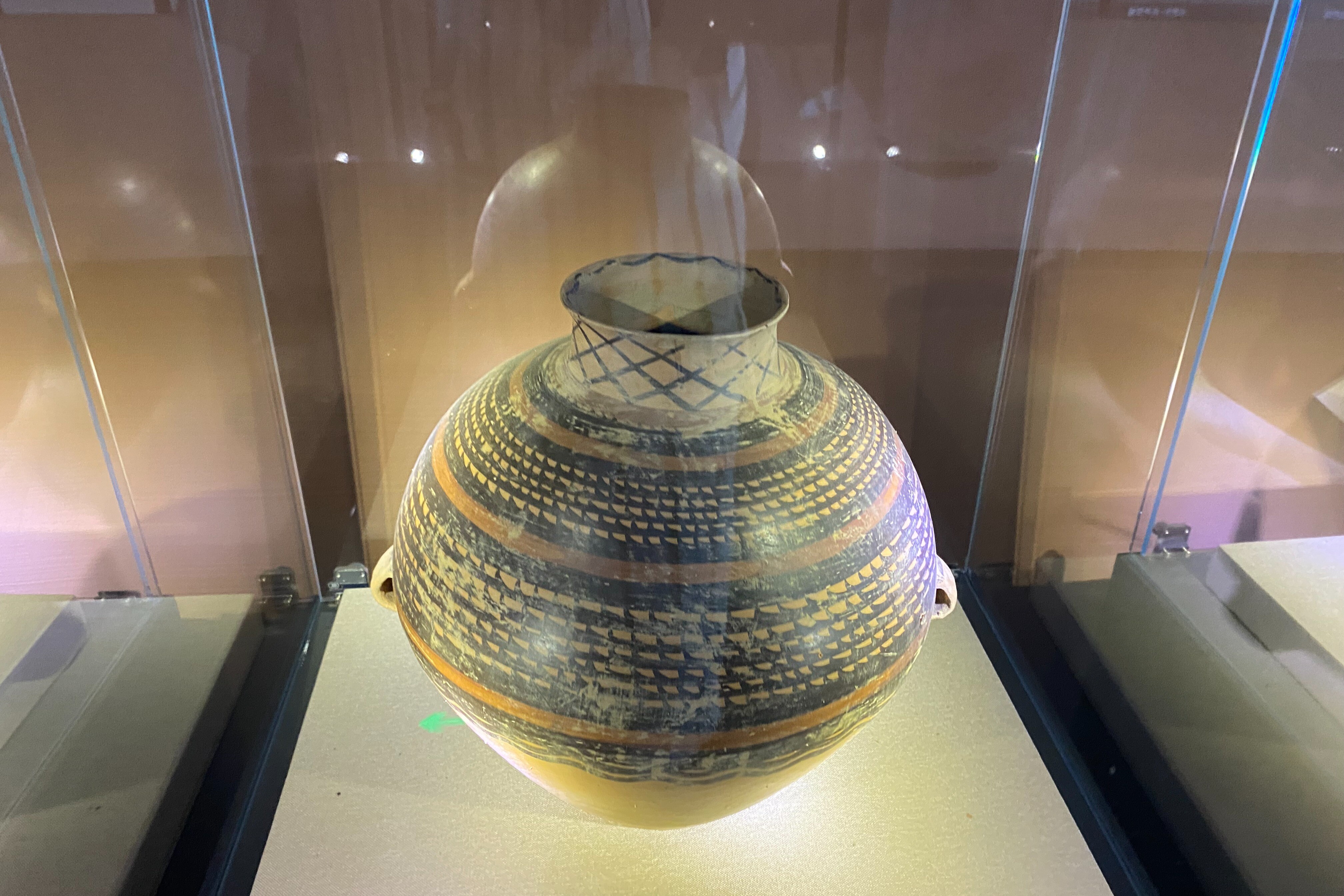
"We will continue to deepen research, pursue innovation, and enhance technological capabilities, allowing prehistoric ingenuity to shine with new brilliance in the modern era while telling the story of ancient Chinese civilization," the museum administration told Armenpress during a media tour.
A local pottery master, recognized as an inheritor of the Majiayao Culture for his decades of research and dedication to pottery making, demonstrates the fine art of painted pottery to visitors, transforming clay vessels into unique masterpieces in just a few minutes.
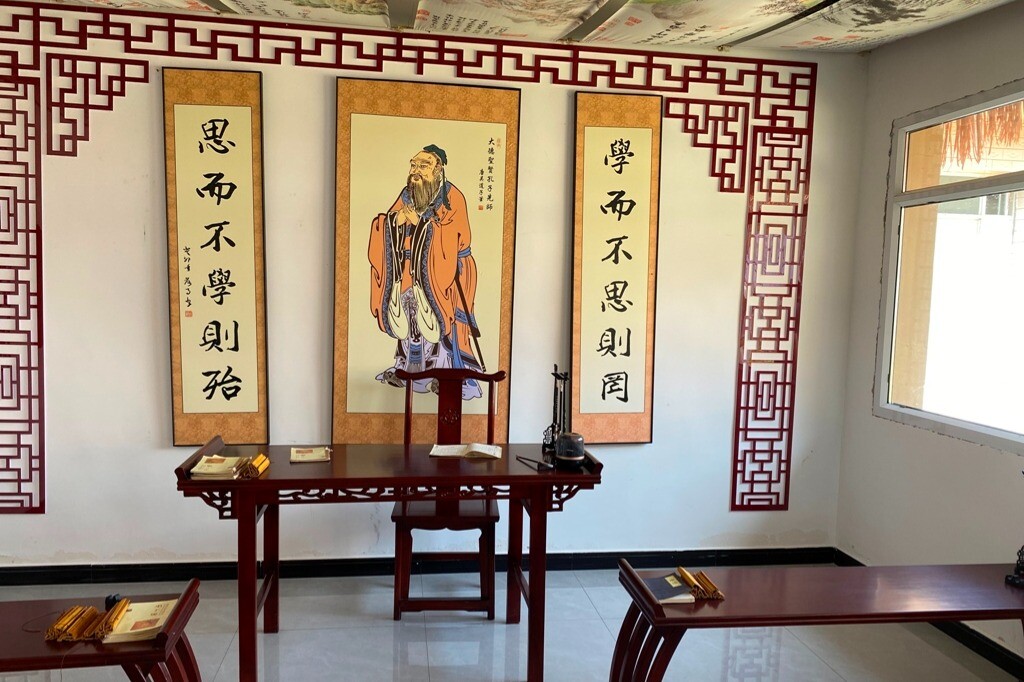
Today, Majiayao is not only preserving its ancient heritage but also using it to shape its future. The village administers three resident groups, with 368 permanent households totaling 1,556 residents, and has 1,978 mu (approximately 131.9 hectares) of arable land, primarily planted with corn and Chinese medicinal materials. In 2022, it was designated a provincial-level demonstration village for rural development.
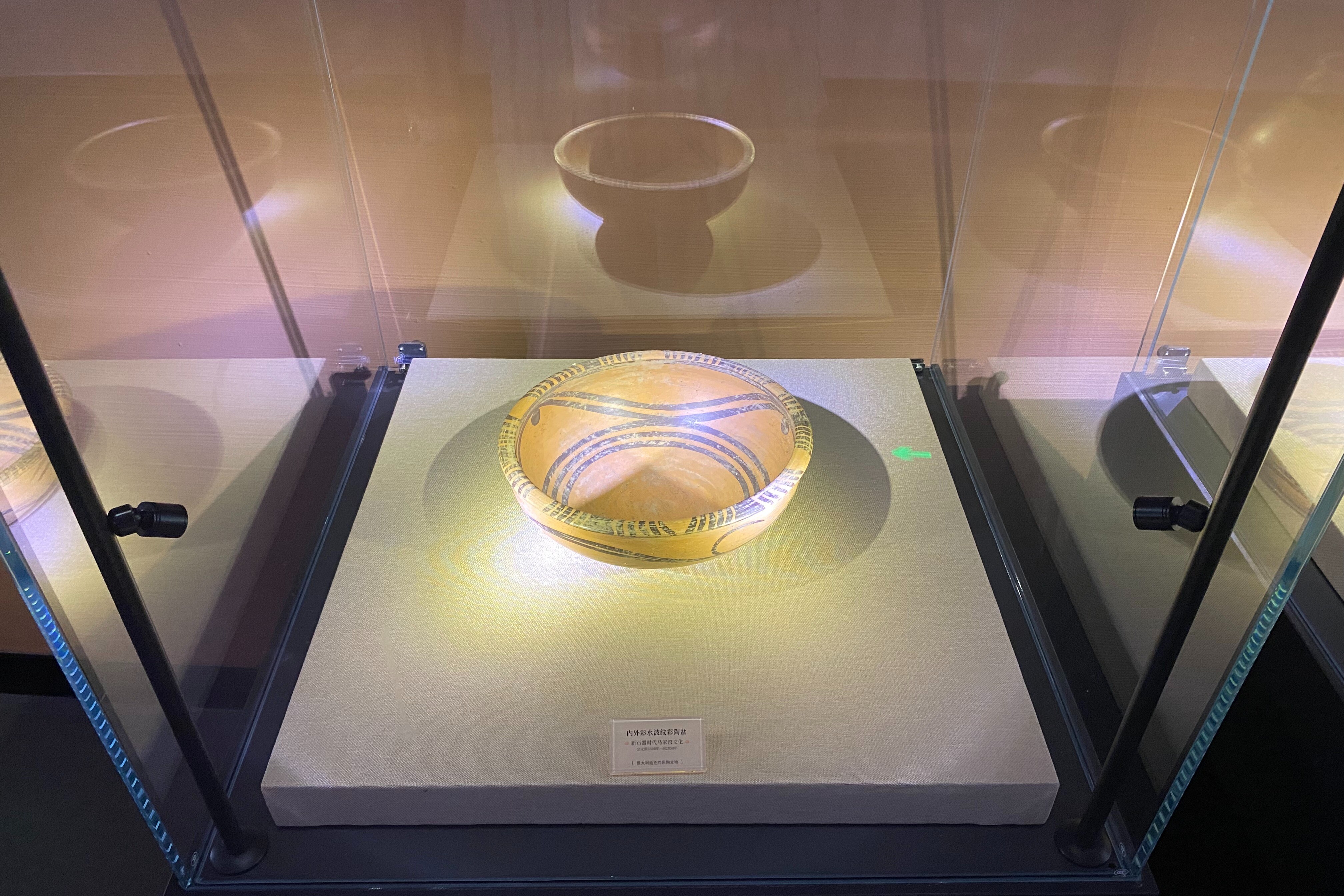
Since 2025, leveraging its unique position as the namesake and protected area of the Majiayao Culture, the village has partnered with state-owned enterprises to plan and construct the Majiayao Agricultural-Cultural-Tourism Integrated Cultural Heritage Immersive Experience Base. Through this initiative, it is exploring a new model of "Culture + Rural Revitalization," using cultural heritage to promote rural revitalization and increase farmers' incomes.
Today, Majiayao stands as a reminder that cultural heritage survives through the people who continue to preserve it. In a rapidly changing world, the village demonstrates how tradition can remain vibrant, connecting the past with the present while inspiring future generations.